Are you trying to decide between a 2 channel and a 4 channel oscilloscope? Choosing the right oscilloscope can make a huge difference in how easily and accurately you can analyze electrical signals.
Whether you’re a hobbyist, student, or professional, understanding the key differences will help you get the most out of your device. You’ll discover which option suits your needs best and why. Keep reading to find out how the number of channels can impact your work—and save you time and frustration.
Basic Differences
Understanding the basic differences between 2 channel and 4 channel oscilloscopes helps in choosing the right tool. Each type serves different needs and offers unique features. The number of channels directly affects how many signals you can view and analyze at once.
Channel Count Explained
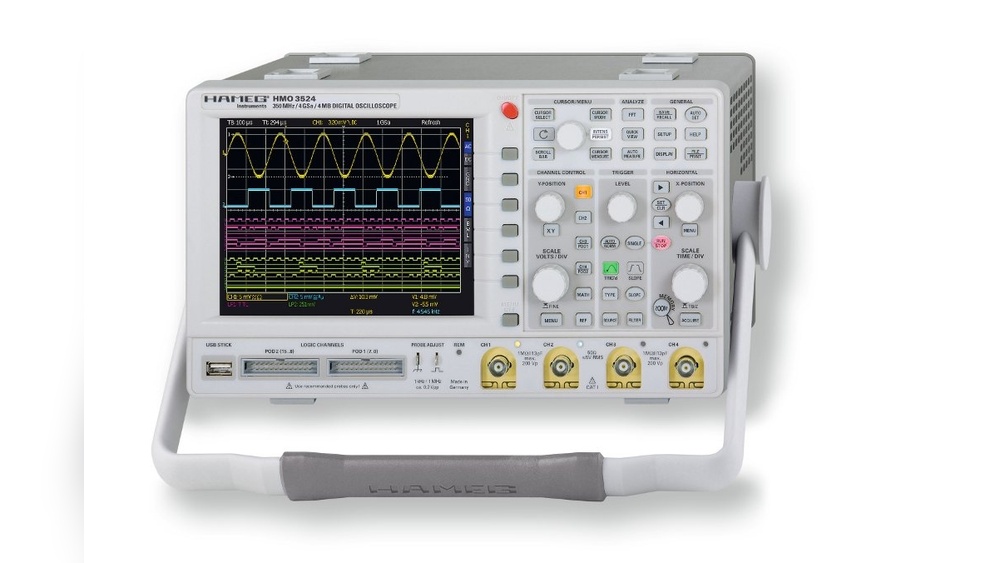
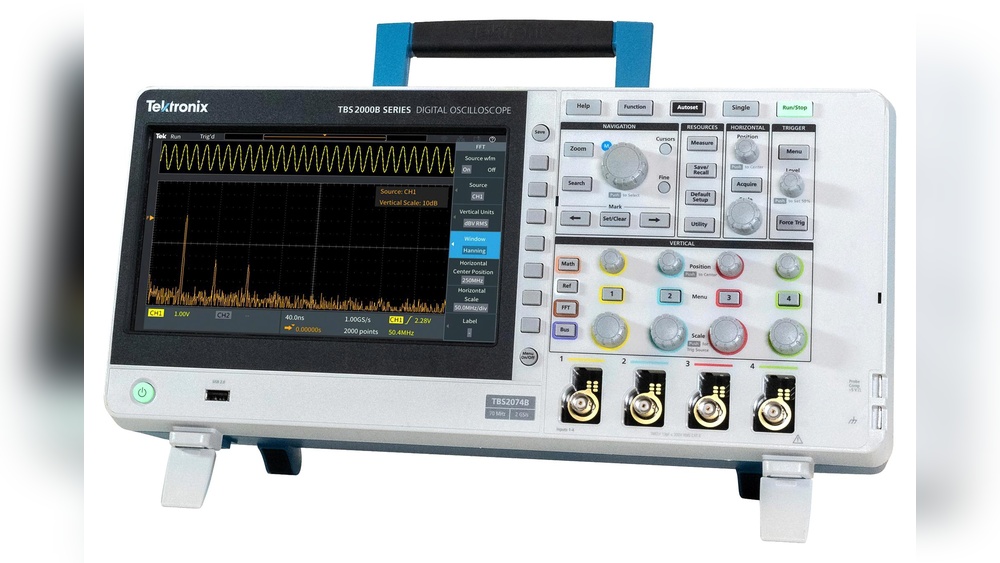
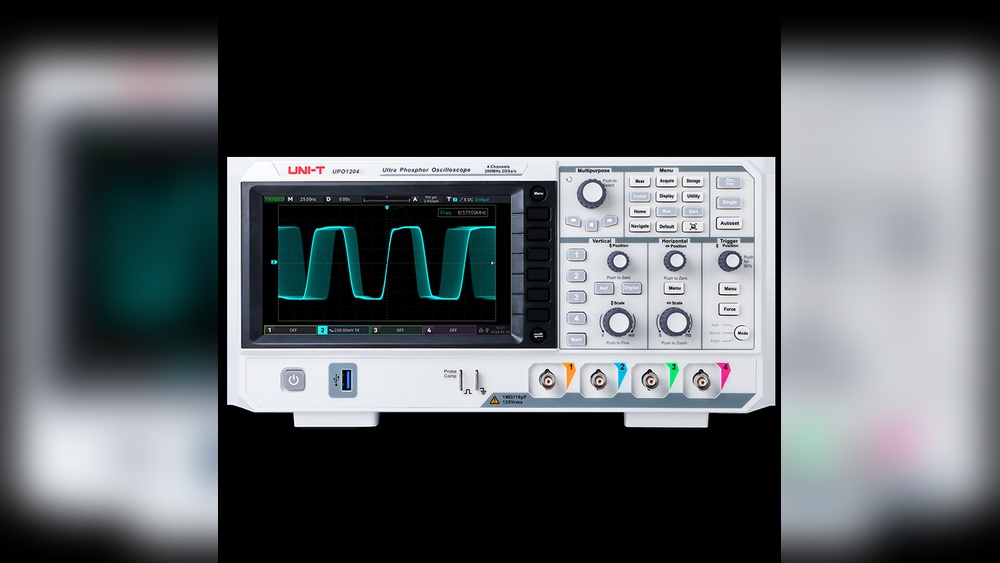
A 2 channel oscilloscope can measure two signals at the same time. This is enough for simple tests and basic troubleshooting. A 4 channel oscilloscope shows four signals simultaneously. It is useful for complex circuits and detailed analysis. More channels mean more data at once.
Impact On Signal Analysis
With two channels, you compare two signals side by side. This helps in checking timing and signal relationships. Four channels allow monitoring multiple points in a circuit together. It gives a clearer picture of how parts interact. More channels make it easier to find problems fast.
Performance Factors
Performance factors decide how well an oscilloscope works. They affect how clearly and quickly it shows signals. These factors matter for both 2 channel and 4 channel oscilloscopes. Understanding them helps in choosing the right device for tasks.
Bandwidth And Sampling Rate
Bandwidth shows the highest frequency the oscilloscope can measure. A higher bandwidth means it captures more detail in fast signals. Sampling rate tells how many times per second the scope reads the signal. Faster sampling rates create smoother, clearer waveforms. Both must be high enough for accurate signal capture.
Triggering Capabilities
Triggering locks the oscilloscope to a specific signal event. It helps display stable and clear waveforms. Advanced triggers can catch complex signals or rare events. Good triggering reduces noise and makes signal analysis easier. It is vital for observing exact moments in a signal.
Memory Depth
Memory depth stores the captured signal data. Deeper memory lets the oscilloscope record longer signals without losing detail. It affects how much data you can review at once. This is important for seeing full signal patterns and analyzing slow changes. More memory means better data accuracy.
Use Case Scenarios
Oscilloscopes come in different types, mainly 2 channel and 4 channel models. Each serves unique purposes depending on the task. Understanding their use cases helps choose the right tool for your needs. Below, we explore scenarios where each type excels.
Simple Signal Testing
2 channel oscilloscopes suit basic signal tests. They allow monitoring of two signals at once. Perfect for checking voltage or frequency in circuits. Hobbyists and beginners find them easy to use. These scopes handle common tasks like audio signal checks or power supply testing.
They offer clear views without overwhelming details. Quick setup saves time during simple troubleshooting. Ideal for schools, small labs, or basic repairs. The smaller screen and fewer channels keep focus on key signals.
Complex Multi-signal Analysis
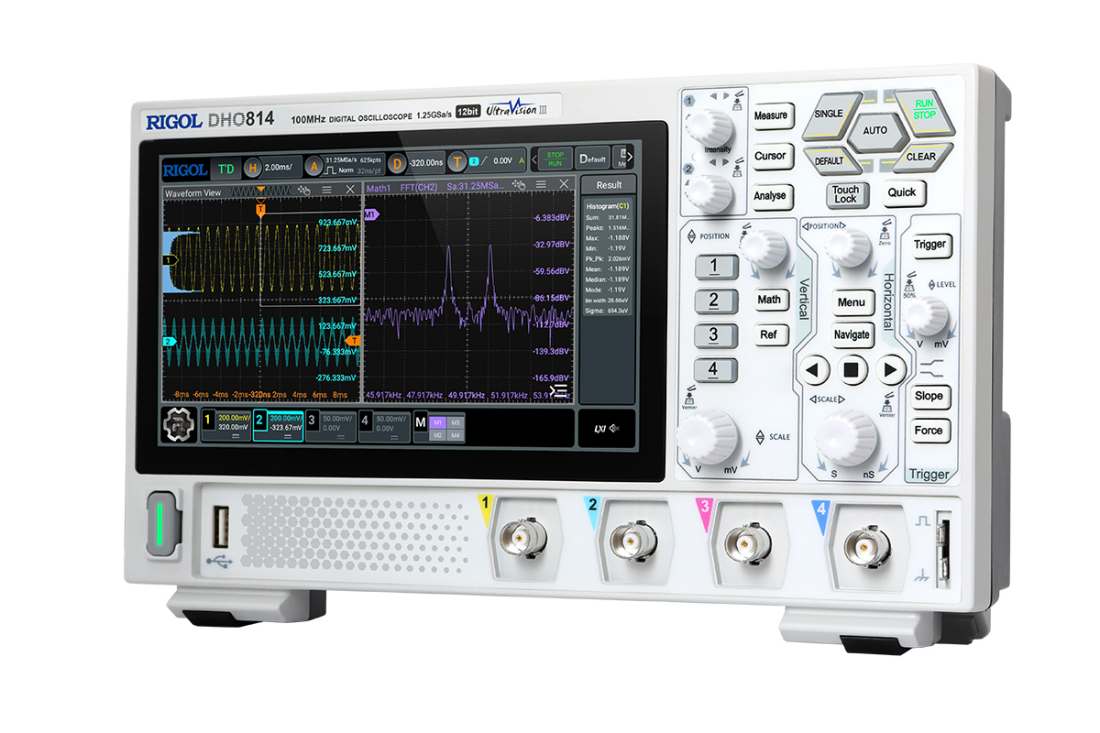
4 channel oscilloscopes handle more signals simultaneously. Useful for advanced electronics and system debugging. Engineers track multiple points in a circuit at once. They compare signals to find timing issues or interference.
This type suits automotive, industrial, and communication fields. Four channels help analyze data buses and complex waveforms. They provide deeper insights into signal behavior and relationships. Professionals rely on them for detailed and precise testing.
Credit: www.oscopes.info
Price And Value
Price and value are important factors when choosing between 2 channel and 4 channel oscilloscopes. The cost difference can affect your decision. Value depends on what you need from the device. Understanding these points helps you make a smart choice.
Cost Comparison
2 channel oscilloscopes usually cost less than 4 channel models. They have fewer inputs, so manufacturers charge less. Entry-level 2 channel scopes fit smaller budgets. 4 channel oscilloscopes cost more because they offer more features. The price gap can be significant. Extra channels add to the design and parts cost.
Value For Different Users
Hobbyists and beginners find 2 channel scopes valuable. They meet basic needs without high costs. Professionals or engineers benefit more from 4 channel scopes. They test complex circuits with multiple signals. For some, spending more on 4 channels saves time. Others only need 2 channels for simple tasks. Choosing the right scope depends on your work and budget.
Portability And Design
Portability and design play a big role in choosing between 2 channel and 4 channel oscilloscopes. These tools must fit your workspace and travel needs. The size, weight, and ease of use affect how quickly you can work and move with the device.
Understanding these factors helps pick the right oscilloscope for your tasks. Both 2 channel and 4 channel models have different strengths in portability and design features.
Size And Weight
2 channel oscilloscopes are usually smaller and lighter. This makes them easy to carry and fit in tight spaces. They suit quick tests and fieldwork well.
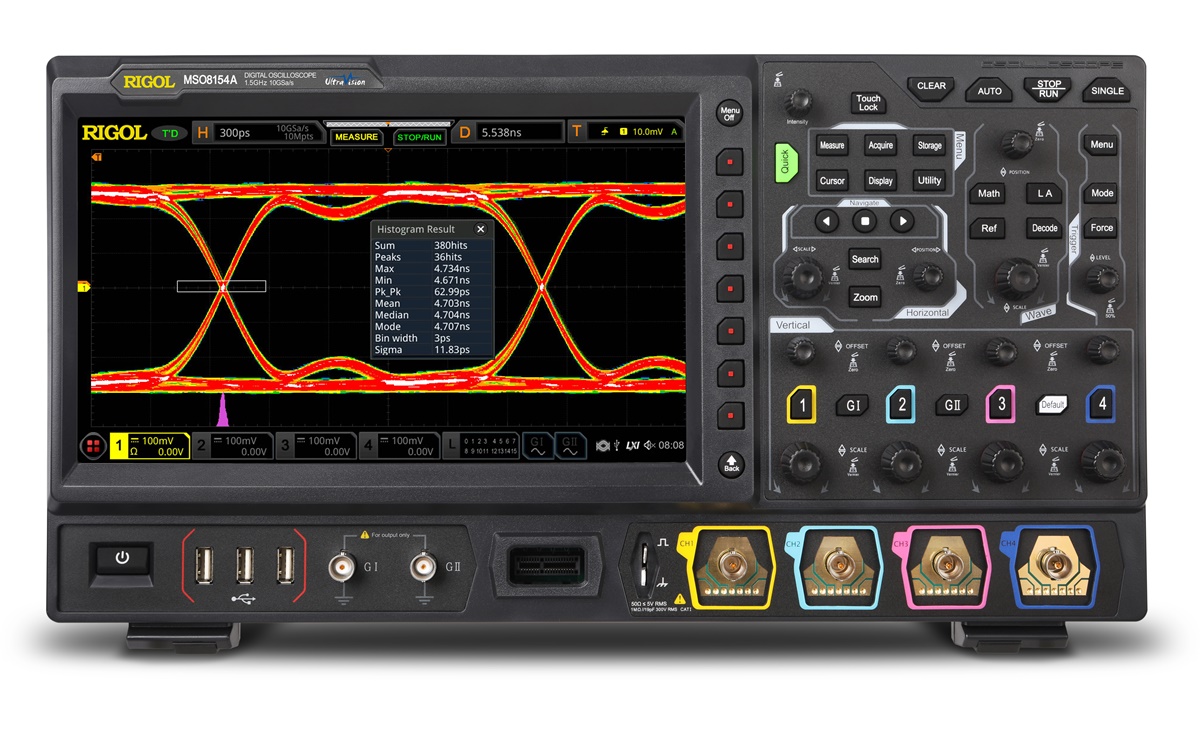
4 channel oscilloscopes tend to be larger and heavier. More channels mean more circuits inside. They are better for detailed work but harder to move around.
Choosing the right size depends on your work style. If you need a compact tool, 2 channel models often win. For lab use, the extra size of 4 channel units is not a problem.
User Interface And Controls
2 channel oscilloscopes often have simpler controls. This helps beginners learn quickly. Buttons and knobs are fewer and easier to reach.
4 channel oscilloscopes usually offer more options on their screen. They show more data and allow detailed settings. This suits advanced users who need more control.
The user interface affects how fast you can adjust settings. Simple designs speed up basic tasks. Complex interfaces give flexibility but take time to master.
Credit: www.batronix.com
Choosing The Right Oscilloscope
Choosing the right oscilloscope is key for clear and accurate signal analysis. It affects your work quality and efficiency. Picking between a 2-channel and 4-channel oscilloscope depends on several factors. Understanding your needs helps make the best choice. Here’s how to decide what suits you best.
Evaluating Your Needs
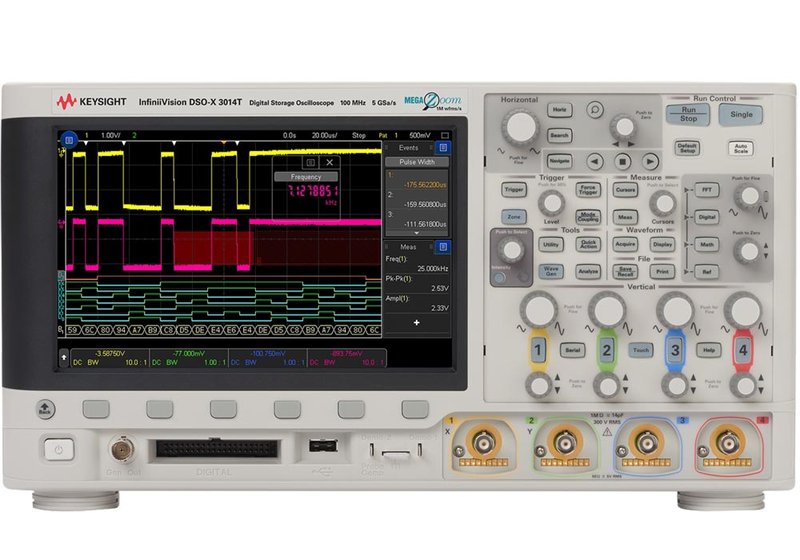
Think about what signals you need to measure. A 2-channel oscilloscope works well for simple tasks. It can handle basic signal comparisons and measurements. Use it if you test one or two signals at the same time. A 4-channel oscilloscope is better for complex setups. It lets you monitor multiple signals simultaneously. Choose it if your projects need more detailed analysis or multiple data streams.
Future-proofing Your Purchase
Consider possible future projects and tasks. A 4-channel oscilloscope offers more flexibility for growth. It covers more complex signals without buying new gear. Even if a 2-channel model suits you now, needs may change. Investing in a 4-channel can save money later. Think about how your work might expand. This helps avoid frequent upgrades and downtime.
Credit: www.meilhaus.de
Frequently Asked Questions
What Is The Difference Between 2 And 4 Channel Oscilloscopes?
A 2 channel oscilloscope displays two signals simultaneously, while a 4 channel oscilloscope shows four. More channels allow monitoring multiple signals, improving troubleshooting and analysis efficiency.
When Should I Choose A 4 Channel Oscilloscope?
Choose a 4 channel oscilloscope when you need to analyze multiple signals at once. It’s ideal for complex circuits or systems with many components.
Are 2 Channel Oscilloscopes Sufficient For Beginners?
Yes, 2 channel oscilloscopes are great for beginners. They are simpler, more affordable, and handle most basic electronics tasks effectively.
How Does Channel Number Affect Oscilloscope Price?
Oscilloscopes with more channels usually cost more. Additional channels require more hardware and processing power, increasing the overall price.
Conclusion
Choosing between 2 and 4 channel oscilloscopes depends on your needs. Two-channel scopes work well for simple tasks. Four-channel scopes offer more options for complex signals. Think about how many signals you need to see at once. Also, consider your budget and project size.
Both types serve important roles in electronics work. Pick the one that fits your projects best. This way, you get the right tool without extra cost. Simple or advanced, the right oscilloscope helps you work smarter.

I’m Asif Ur Rahman Adib, an Electrical Engineer and lecturer. My journey began in the lab, watching students struggle with instruments they used every day without fully understanding them. Over time, I’ve combined teaching, research, and hands-on experience to help others grasp electrical concepts clearly, safely, and practically—whether it’s understanding a circuit or mastering a multimeter.