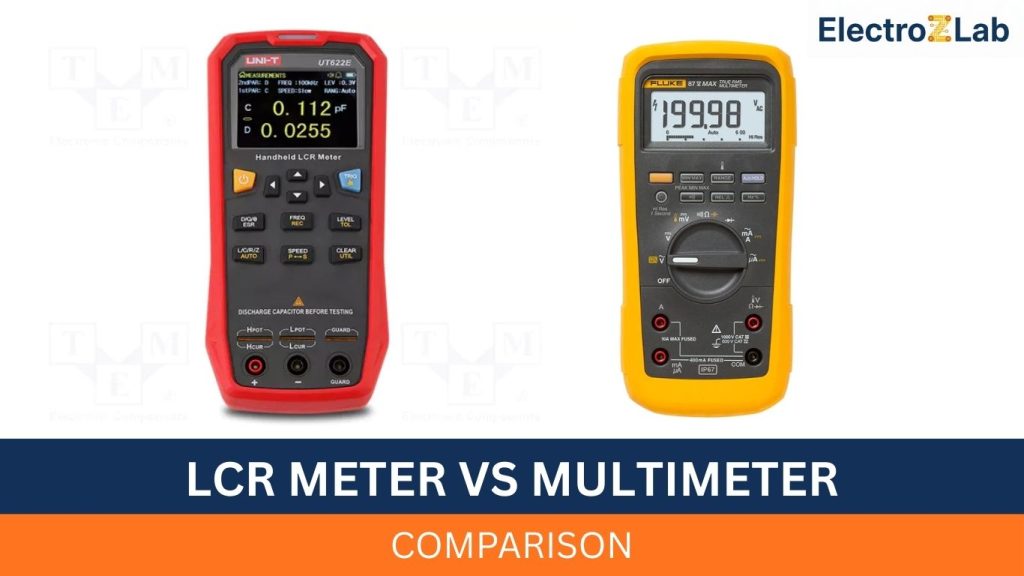
When you’re choosing a multimeter, the numbers 2000 and 6000 count might seem confusing. But these numbers can make a big difference in how accurate and detailed your measurements are.
Whether you’re fixing electronics, working on DIY projects, or handling professional tasks, picking the right multimeter count can save you time and frustration. You’ll discover exactly what sets a 2000 count multimeter apart from a 6000 count model—and which one fits your needs best.
Keep reading to make sure you get the tool that works perfectly for you.

Credit: automaticindustries.com
Basics Of Multimeter Counts
Understanding multimeter counts is key to choosing the right tool for your tasks. Counts tell you how detailed the multimeter’s readings can be. This affects how well you can measure electrical values like voltage or resistance. Knowing the basics helps you pick a multimeter that fits your needs.
What Does Count Mean?
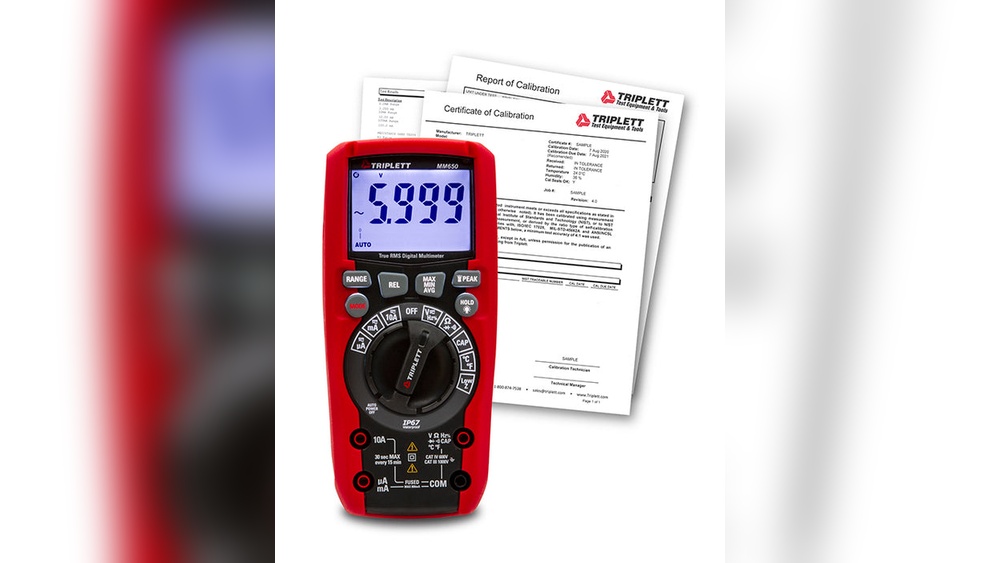
Count refers to the number of digits a multimeter can show. A 2000 count meter shows readings up to 1999. A 6000 count meter can display up to 5999. Higher counts mean the meter can show more precise numbers. This helps in getting closer to the actual value of what you measure.
Impact On Measurement Precision
The count affects how exact your measurement can be. A 6000 count meter can measure smaller changes than a 2000 count meter. This is important for tasks needing detailed readings. For simple checks, 2000 counts might be enough. For more detailed work, 6000 counts give better results.
Credit: www.ebay.com
Features Of 2000 Count Multimeters
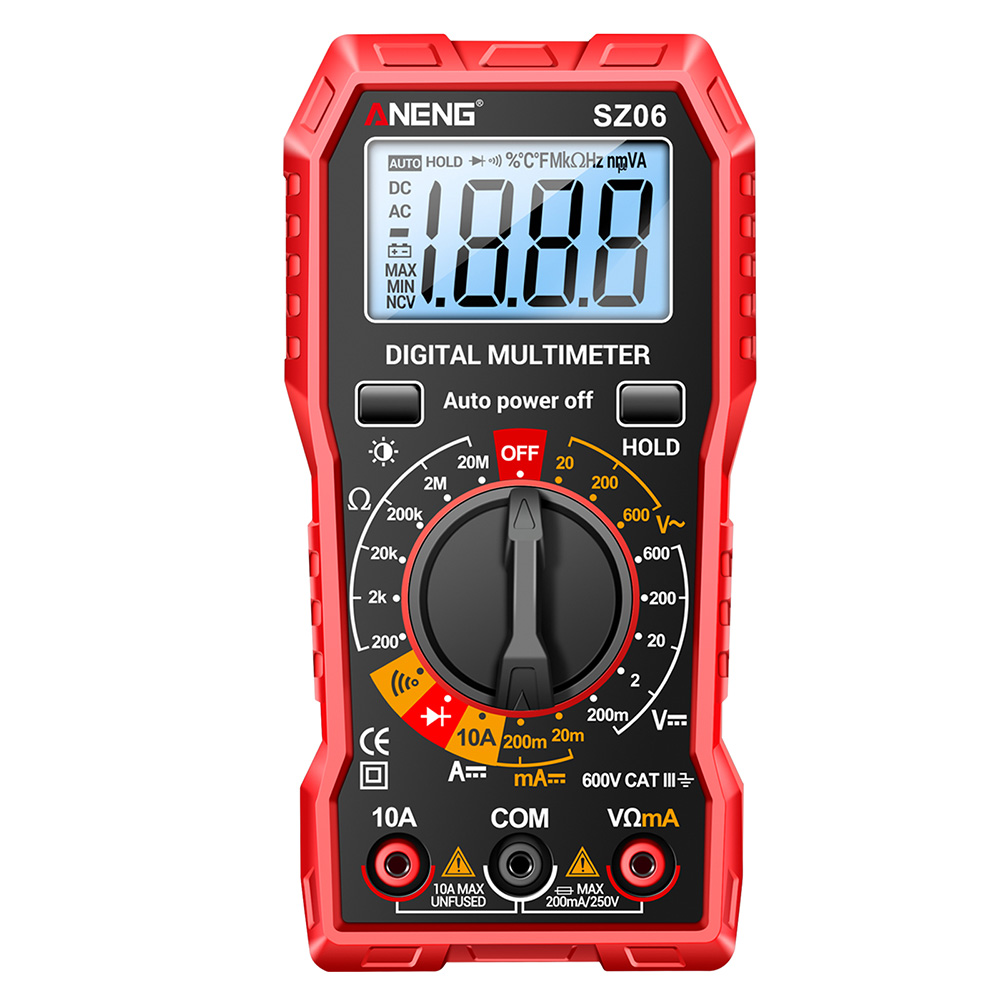
The 2000 count multimeter is a basic tool for measuring electrical values. It shows readings up to 1999 counts on its display. This makes it suitable for simple tasks around the house or small projects. The design is often straightforward, making it easy to use for beginners.
These multimeters offer essential functions like measuring voltage, current, and resistance. They do not have advanced features found in higher count models. This keeps the cost low and the device lightweight. Many users rely on 2000 count multimeters for quick checks and basic troubleshooting.
Common Uses And Limitations
2000 count multimeters are great for home and hobby use. They work well for testing batteries, outlets, and small circuits. They handle most low-voltage electronics and household repairs. The limited count restricts their use in detailed or high-precision work.
They cannot measure very small changes or high-frequency signals accurately. This may be a problem in professional or industrial environments. For daily simple tasks, they provide enough information without complexity. Users should avoid using them for advanced electronics or critical measurements.
Accuracy And Resolution
The resolution of a 2000 count multimeter means it displays up to four digits. This allows readings like 1999 or less. The accuracy is usually around 1% to 2% of the reading. It is enough for basic electrical work but not for precision testing.
Smaller changes in voltage or current might not show clearly on the display. This limits the ability to detect subtle faults or fine adjustments. Despite this, the device remains reliable for everyday measurements. Users gain fast results without needing in-depth technical knowledge.
Advantages Of 6000 Count Multimeters
Choosing a 6000 count multimeter offers clear benefits over a 2000 count model. These multimeters provide greater accuracy and more detailed readings. They suit users who need precise measurements for complex tasks. The extra count helps capture small changes in electrical signals. This makes troubleshooting and testing more effective. Below, we explore the main advantages of 6000 count multimeters.
Enhanced Precision
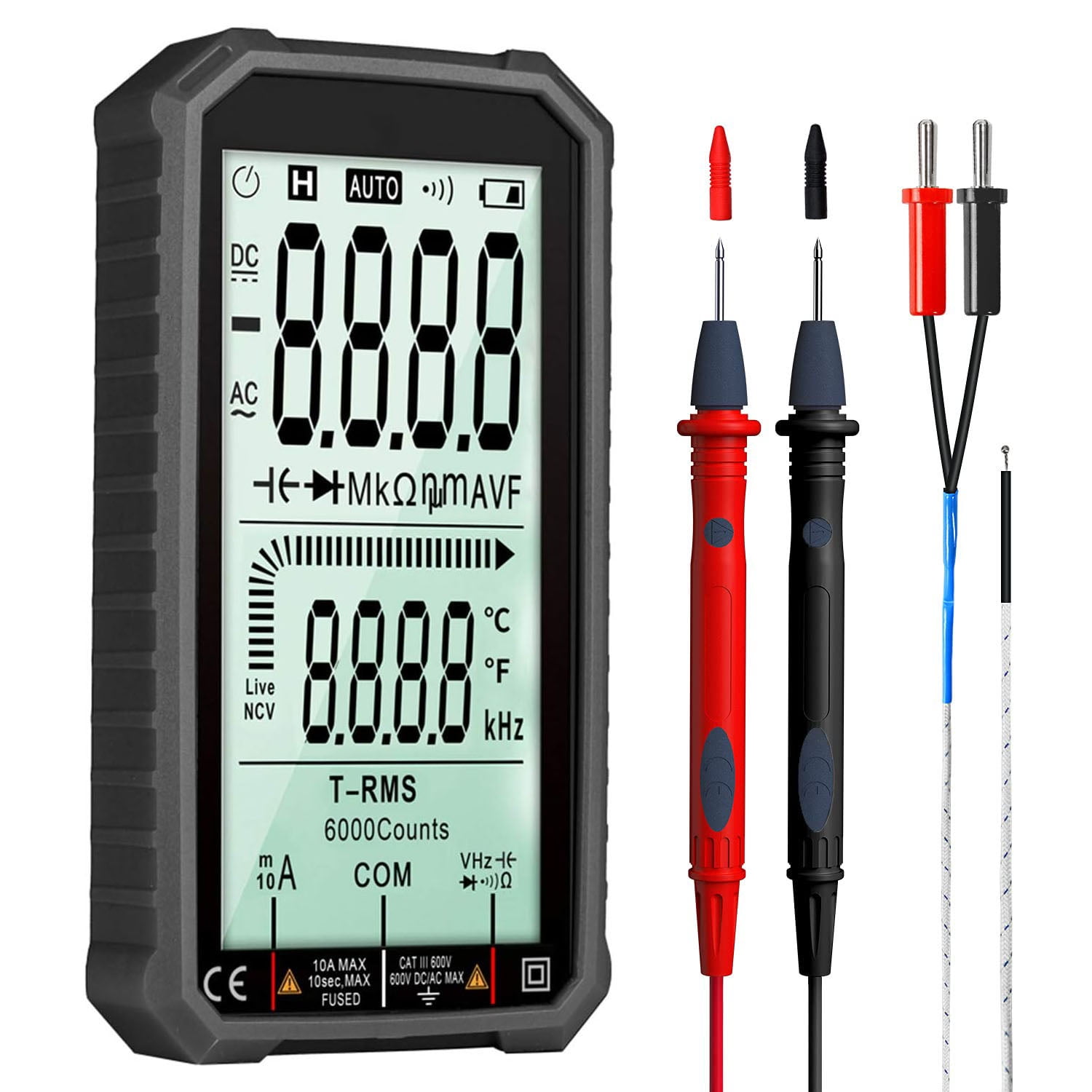
6000 count multimeters show values in finer detail. They display up to 5999 counts, unlike 2000 count models limited to 1999. This higher resolution means smaller changes are visible. It reduces the chance of errors in readings. Users can trust the results for critical measurements. Precision is vital in electronics and electrical work. Accurate data helps avoid costly mistakes and improves quality.
Suitability For Advanced Tasks
These multimeters fit well with complex electrical jobs. They handle low voltage and current readings more reliably. Sensitive components require exact values to work correctly. A 6000 count multimeter meets these demands better than a 2000 count. It supports professional and hobbyist users needing detailed data. Tasks like circuit testing, component checking, and system analysis become easier. The added count extends the device’s usefulness across various applications.
Comparing Performance In Real Scenarios
Comparing the performance of 2000 count and 6000 count multimeters in real scenarios helps reveal their practical strengths. Each type suits different tasks and user needs. Understanding these differences ensures you pick the right tool for your work.
Testing Voltage And Current
The 6000 count multimeter shows more precise voltage and current readings. It can detect smaller changes that a 2000 count might miss. This accuracy matters in electronics repair and detailed electrical work. The 2000 count is still reliable for general household testing. It provides clear readings for most basic voltage and current checks.
In high-precision tasks, the 6000 count multimeter gives confidence. It reduces errors and guesswork during measurements. For everyday use, the 2000 count offers simplicity and speed. It handles most common jobs without complication.
Measuring Resistance And Continuity
Resistance and continuity tests benefit from the 6000 count’s finer resolution. It detects small resistance changes in circuits and wires. This feature helps spot subtle faults or weak connections. The 2000 count works well for straightforward resistance checks. It quickly confirms if a path is open or closed.
The continuity buzzer in both models is useful for fast testing. The 6000 count often provides more stable readings. This stability helps in diagnosing complex circuits. The 2000 count suits quick troubleshooting and simple repairs.
Price And Value Considerations
Price and value are key points when choosing between a 2000 count and a 6000 count multimeter. These devices differ in cost and features. Understanding these differences helps you pick the right tool without overspending.
Cost Differences
2000 count multimeters usually cost less than 6000 count models. They offer basic functions and good accuracy for simple tasks. These meters suit beginners and hobbyists on a budget.
6000 count multimeters come with advanced features and higher precision. Their price reflects these benefits. Professionals and serious users often prefer them for detailed work.
Is Higher Count Worth It?
A higher count means better resolution and more detailed readings. This helps in tasks that need precise measurements. For casual use, a 2000 count meter is often enough.
If you work with sensitive electronics or complex systems, a 6000 count meter adds value. It reduces errors and saves time. Still, consider how often you need such accuracy before paying more.
Credit: dailyplanetvt.com
Choosing The Right Multimeter For You
Choosing the right multimeter can make your work easier and more accurate. The choice between a 2000 count and a 6000 count multimeter depends on what you need to measure. Each type offers different levels of detail and features. Understanding these differences helps you pick the best tool for your tasks.
Not all multimeters fit every job. Your choice should match your specific needs and budget. Let’s explore how to decide which multimeter suits you best.
Assessing Your Measurement Needs
Think about what you will test most often. For simple jobs like checking batteries or outlets, a 2000 count multimeter works well. It shows fewer digits but covers basic tasks reliably.
If you measure small signals or need precise readings, a 6000 count multimeter is better. It displays more digits for finer details. This helps in electronics repair or detailed electrical work.
Consider the range of measurements. Higher count meters handle wider scales without changing settings. This saves time and reduces errors.
Balancing Precision And Budget
Higher count multimeters usually cost more. They offer better precision and advanced features. But spending more is not always necessary.
For occasional home use, a 2000 count multimeter gives good value. It provides accuracy enough for most simple tasks. It also tends to be easier to use.
Professionals or hobbyists needing detailed data should invest in a 6000 count model. The extra cost pays off with better performance and reliability.
Think about how often you will use the multimeter. A bigger investment makes sense if you use it daily or for complex projects.
Frequently Asked Questions
What Is The Difference Between 2000 And 6000 Count Multimeters?
A 2000 count multimeter shows readings up to 1999, while a 6000 count displays up to 5999. Higher counts offer better resolution and accuracy, making 6000 count meters ideal for precise measurements.
Which Multimeter Count Is Best For Beginners?
A 2000 count multimeter is usually best for beginners. It is simpler, cheaper, and sufficient for general household and basic electronics tasks.
How Does Count Affect Multimeter Accuracy?
Higher count multimeters provide finer measurement resolution, improving accuracy. A 6000 count meter detects smaller voltage or current changes than a 2000 count meter.
Are 6000 Count Multimeters More Expensive Than 2000?
Yes, 6000 count multimeters tend to cost more due to advanced features and higher precision compared to 2000 count models.
Conclusion
Choosing between a 2000 and 6000 count multimeter depends on your needs. The 6000 count offers better accuracy and more detailed readings. The 2000 count works well for basic tasks and simple measurements. Think about how precise your work must be.
Also, consider how often you will use the multimeter. Both types are useful, but the right one fits your specific use. Take your time to decide. This way, you get the best tool for your projects.

I’m Asif Ur Rahman Adib, an Electrical Engineer and lecturer. My journey began in the lab, watching students struggle with instruments they used every day without fully understanding them. Over time, I’ve combined teaching, research, and hands-on experience to help others grasp electrical concepts clearly, safely, and practically—whether it’s understanding a circuit or mastering a multimeter.