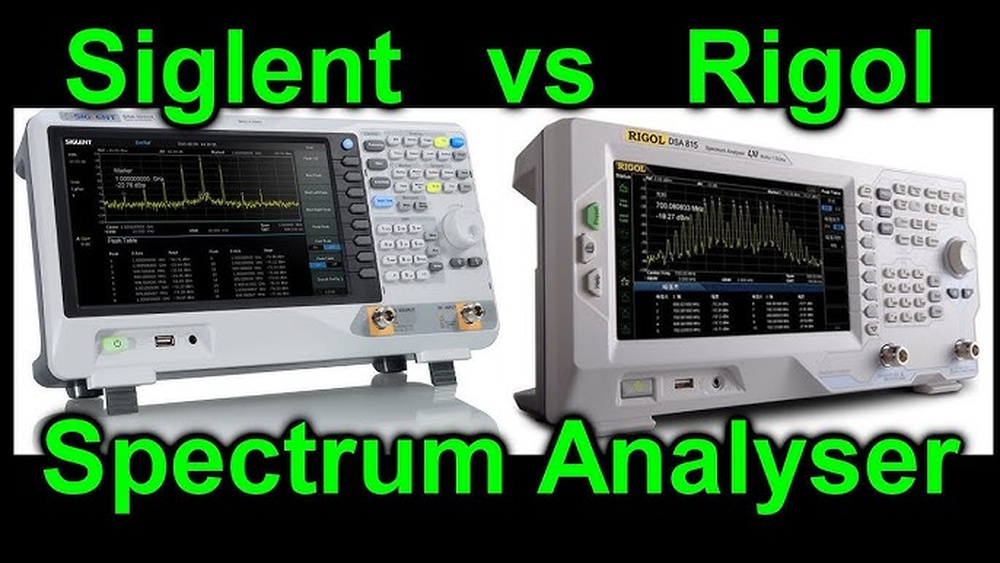
Choosing the right spectrum analyzer can make a huge difference in how smoothly your projects go. If you’re torn between Siglent and Rigol, you’re not alone.
Both brands offer powerful tools, but which one fits your needs better? This article will break down the key differences, so you can feel confident about your choice. By the end, you’ll know exactly which spectrum analyzer matches your goals—and saves you time and money.
Keep reading to discover what sets Siglent and Rigol apart and find the perfect match for your work.
Key Features Comparison
The key features of spectrum analyzers define their use and effectiveness. Comparing Siglent and Rigol models helps choose the right tool. Each feature impacts measurement accuracy and ease of use.
Understanding the differences in these features can guide better decisions for your projects. Let’s examine the main aspects: frequency range, resolution bandwidth, dynamic range, and sweep speed.
Frequency Range
Frequency range shows the span of signals the analyzer can measure. Siglent analyzers often cover wider ranges, reaching up to 7.5 GHz or more. Rigol models typically focus on ranges up to 3.2 GHz or 6 GHz. A wider frequency range allows testing of high-frequency signals and diverse applications.
Resolution Bandwidth
Resolution bandwidth (RBW) determines how well the analyzer separates close signals. Siglent analyzers offer RBW settings as low as 1 Hz, allowing detailed signal analysis. Rigol devices also provide low RBW but may start slightly higher, around 10 Hz. Lower RBW improves signal clarity but can slow down measurement speed.
Dynamic Range
Dynamic range indicates the analyzer’s ability to detect weak signals near strong ones. Siglent spectrum analyzers usually have a dynamic range of about 80 dB or more. Rigol devices offer dynamic ranges close to 70-80 dB. A higher dynamic range helps in detecting small signals in noisy environments.
Sweep Speed
Sweep speed affects how fast the analyzer scans across frequencies. Siglent analyzers often provide faster sweep speeds, useful for quick measurements. Rigol analyzers may have slower sweep times, but they still deliver accurate results. Faster sweep speed improves efficiency in routine testing tasks.

Credit: www.youtube.com
Design And Build Quality
Design and build quality shape the user experience of any spectrum analyzer. Both Siglent and Rigol focus on durable and functional designs. These analyzers suit different environments, from labs to fieldwork. Let’s explore how each brand stands in ergonomics, display, and portability.
Ergonomics
Siglent models feature well-placed buttons and knobs. They offer smooth control and easy navigation. The layout reduces hand fatigue during long use. Rigol also provides a neat interface. Their buttons are responsive and spaced well. Both brands ensure users can work comfortably for hours.
Display And Interface
Siglent uses bright, clear screens with good resolution. The colors are vivid, helping users see details easily. Rigol’s displays are sharp and easy to read. Their menus are straightforward and user-friendly. Both brands include touchscreens on some models. This makes menu navigation faster and simpler.
Portability
Siglent analyzers are often compact and lightweight. This makes carrying them between sites convenient. Rigol devices also focus on portability without losing strength. Many models fit into small bags or cases. Both brands design for users who need mobile testing tools.
Performance And Accuracy
Performance and accuracy are key factors in choosing between Siglent and Rigol spectrum analyzers. These tools must deliver clear, reliable results for signal testing and analysis. Both brands offer strong features, but their strengths vary in specific areas.
Signal Analysis
Signal analysis is critical for understanding frequency and power levels. Siglent analyzers provide smooth, clear displays with fast response times. Rigol models also show signals well but may lag slightly in update speed. Accurate signal analysis helps detect weak or hidden signals effectively.
Measurement Precision
Measurement precision ensures data is close to true values. Siglent devices usually have high measurement accuracy with low error margins. Rigol spectrum analyzers offer good precision too, but some models show minor deviations. Precise measurements help engineers trust their results without second-guessing.
Noise Floor
The noise floor defines the smallest signal the analyzer can detect. Siglent analyzers typically have a lower noise floor, capturing faint signals better. Rigol’s noise floor is slightly higher, which may miss very weak signals. A low noise floor improves overall analyzer sensitivity and clarity.
Software And Connectivity
Software and connectivity play a vital role in the use of spectrum analyzers. They help users interact with devices and manage data efficiently. Both Siglent and Rigol offer unique features in these areas.
User Interface Software
Siglent provides a clean and simple user interface. It is easy to navigate for beginners and experts alike. Rigol also offers user-friendly software with clear menus. Both brands focus on smooth operation and quick access to functions.
Remote Control Options
Siglent supports remote control through USB, LAN, and Wi-Fi connections. This allows users to operate the analyzer from a distance. Rigol offers similar remote options, including LAN and USB. Remote control helps in reducing setup time and improving workflow.
Data Export And Compatibility
Siglent allows exporting data in common formats like CSV and BMP. This makes it easy to analyze results in other programs. Rigol supports multiple export formats as well, ensuring compatibility with various software. Both brands help users manage and share data efficiently.
Pricing And Value
Pricing and value are key factors when choosing a spectrum analyzer. Both Siglent and Rigol offer models with various features and prices. Understanding their cost differences helps buyers find the best fit for their budget and needs.
Cost Comparison
Siglent spectrum analyzers generally have a slightly higher starting price than Rigol. This difference reflects Siglent’s focus on advanced features and build quality. Rigol offers affordable models that suit beginners and small labs. Both brands provide options for different budgets and requirements.
Warranty And Support
Siglent offers a standard one-year warranty with options to extend. Their customer support is known for quick responses and helpful service. Rigol also provides a one-year warranty and decent support. Access to local service centers can vary depending on your region.
Long-term Investment
Choosing a spectrum analyzer is a long-term decision. Siglent models tend to hold value due to robust features and durability. Rigol units serve well for entry-level use and smaller projects. Consider future needs and upgrade options before buying.
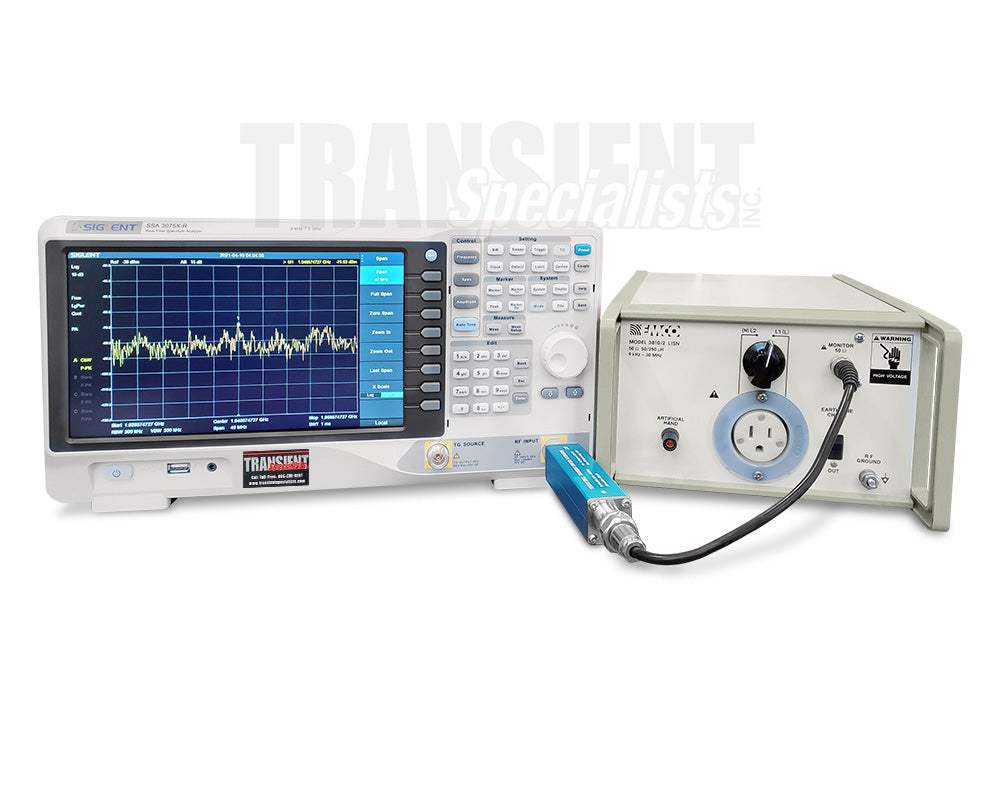
Credit: transientspecialists.com
Use Case Scenarios
Spectrum analyzers from Siglent and Rigol serve different user needs based on their features and price points. Understanding the use case scenarios helps pick the right tool. Each brand offers advantages for specific applications. The choice depends on the tasks you want to complete.
Professional Applications
Professionals need precise and reliable tools. Siglent analyzers often offer advanced features suited for detailed signal analysis. They handle complex tasks in engineering and telecommunications. Rigol provides models that balance performance and affordability for routine lab work. Both brands support professional environments but differ in specialized functions. Consider the work complexity before choosing.
Educational Use
Students and teachers require easy-to-use equipment for learning. Rigol analyzers usually have simpler interfaces ideal for classrooms. Their affordability makes them popular in education. Siglent models may be used for higher-level courses needing deeper analysis. Both brands help students understand signal behavior and measurement techniques. Budget and educational goals guide the best selection.
Hobbyist Considerations
Hobbyists want tools that are affordable and user-friendly. Rigol offers budget options suitable for beginners and DIY projects. Siglent’s models might attract hobbyists needing more features or better accuracy. Portability and ease of use are important for casual users. Choosing depends on how serious the hobby is and the desired precision.
Customer Feedback And Reviews
Customer feedback and reviews offer real insights into the performance of Siglent and Rigol spectrum analyzers. These opinions come from users who rely on these devices daily. They help future buyers understand what to expect. Here, we explore common praises, frequent complaints, and overall satisfaction reported by customers.
Common Praises
Many users appreciate the clear display on both Siglent and Rigol analyzers. The intuitive menus make operation simple for beginners. Several reviews mention reliable signal accuracy across different frequency ranges. Customers like the compact design that fits well on crowded workbenches. Fast sweep speeds and responsive controls also receive positive comments. Users often highlight good customer service from both brands.
Frequent Complaints
Some customers report occasional software glitches, especially after firmware updates. A few mention limited memory capacity for storing traces. Battery life on portable models can be shorter than expected. Certain users find the manuals hard to understand or lacking detail. Some Rigol models have slower startup times, according to reviews. A few Siglent owners wish for more advanced features in entry-level units.
Overall Satisfaction
Most customers feel satisfied with the value Siglent and Rigol analyzers offer. They praise the balance between price and performance. Many recommend these brands for educational and hobby use. Professionals often trust them for basic to mid-level testing tasks. While minor issues appear, the majority say these devices meet expectations. These reviews show both brands hold strong reputations in the market.

Credit: www.eevblog.com
Final Recommendations
Choosing between Siglent and Rigol spectrum analyzers depends on your needs and budget. Both brands offer reliable tools but serve different users better. This section helps you decide which fits your requirements.
Best Choice For Professionals
Siglent stands out for professional use. It offers higher accuracy and advanced features. Its models handle complex signals with ease. Professionals benefit from better resolution and faster processing. The user interface is also clear and responsive.
Best Budget Option
Rigol is ideal for those on a tight budget. It provides solid performance at a lower price. Beginners and hobbyists find Rigol easy to use. The basic features cover most common tasks well. It’s a practical choice without overspending.
When To Choose Either Brand
Choose Siglent if you need detailed analysis and high precision. Its tools suit labs and industrial settings. Opt for Rigol if you want good value and simple operation. It fits schools, small workshops, or casual use. Both brands offer quality, just for different needs.
Frequently Asked Questions
What Are The Main Differences Between Siglent And Rigol Analyzers?
Siglent analyzers often offer higher bandwidth and advanced features. Rigol devices are known for affordability and ease of use. Both brands provide reliable performance but cater to different user needs and budgets.
Which Spectrum Analyzer Has Better Signal Accuracy?
Siglent analyzers generally have superior signal accuracy due to advanced calibration. Rigol analyzers perform well for most standard applications but may lag in ultra-precise measurements.
Are Siglent Or Rigol Analyzers More User-friendly?
Rigol analyzers typically feature intuitive interfaces ideal for beginners. Siglent models offer more complex options suited for advanced users and professionals.
Which Brand Offers Better Customer Support And Warranty?
Both Siglent and Rigol provide solid customer support and warranty services. However, Siglent often receives higher ratings for responsive technical assistance.
Conclusion
Both Siglent and Rigol offer solid spectrum analyzers for daily use. Siglent often provides more features for its price. Rigol stands out with user-friendly interfaces and reliable performance. Choosing depends on your budget and needs. Think about what features matter most to you.
Either brand can serve well for hobbyists and professionals. Take your time to compare specs and reviews. This helps you pick the best fit for your work. Quality tools make tasks easier and results better.

I’m Asif Ur Rahman Adib, an Electrical Engineer and lecturer. My journey began in the lab, watching students struggle with instruments they used every day without fully understanding them. Over time, I’ve combined teaching, research, and hands-on experience to help others grasp electrical concepts clearly, safely, and practically—whether it’s understanding a circuit or mastering a multimeter.