
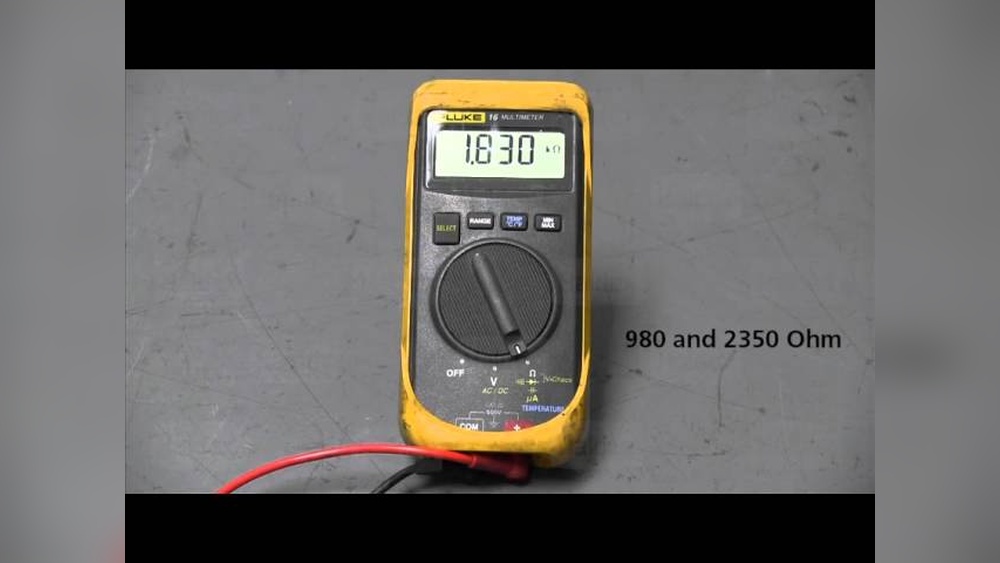
If your vehicle’s ABS warning light just turned on, you might be wondering if the ABS sensor is the problem. Testing your ABS sensor with a multimeter is easier than you think—and it could save you time and money before heading to the mechanic.
In this guide, you’ll learn step-by-step how to check your ABS sensor quickly and accurately. By the end, you’ll know exactly what to look for and how to interpret the results. Ready to take control of your car’s safety? Let’s dive in.
Credit: parts.olathetoyota.com
Tools Needed
Testing an ABS sensor requires the right tools for accurate results. Having the correct equipment makes the process smooth and safe. This section explains the essential tools needed for testing an ABS sensor with a multimeter.
Choosing The Right Multimeter
Select a digital multimeter for clear and easy readings. It should measure resistance and voltage accurately. Look for one with a range that covers low ohms. A multimeter with a backlight helps in dark spaces. Make sure the leads are in good condition. A quality multimeter gives reliable test results every time.
Additional Equipment
Besides the multimeter, a few extra tools are helpful. Use a wire brush to clean sensor connectors. This removes dirt and corrosion that affect readings. A pair of needle-nose pliers helps in handling small wires. Keep electrical tape handy for securing loose wires. Gloves protect your hands while working near the wheels. These tools support a safe and effective ABS sensor test.
Locating The Abs Sensor
Locating the ABS sensor is the first step in testing it with a multimeter. Knowing its exact position saves time and avoids confusion. ABS sensors are usually near the wheels, but their exact location varies by car model. Understanding common sensor positions helps you find it quickly and safely.
Common Sensor Positions
ABS sensors often sit close to the brake rotor or wheel hub. Most cars have one sensor per wheel. Front-wheel ABS sensors are near the front brake assembly. Rear-wheel sensors attach near the rear wheel hub or axle. Some vehicles place sensors inside the wheel bearing assembly. Consult your vehicle manual for exact locations. Spotting these common areas helps narrow your search fast.
Accessing The Sensor Safely
Park your car on a flat surface and engage the parking brake. Use wheel chocks to prevent movement. Wear gloves to protect your hands from dirt and sharp parts. Lift the vehicle with a jack and secure it on jack stands. Remove the wheel if needed to reach the sensor. Avoid pulling wires forcefully to prevent damage. Take your time and handle parts carefully for a safe experience.
Preparing For Testing
Preparing for testing an ABS sensor with a multimeter is the first step. This preparation helps ensure accurate readings and safety during the process. Proper setup prevents errors and protects both you and the vehicle’s components.
Before testing, gather all necessary tools and find a clean workspace. A calm environment with good lighting makes the task easier. Careful preparation saves time and avoids frustration.
Disconnecting The Sensor
Start by turning off the vehicle’s engine. Locate the ABS sensor near the wheel hub or brake assembly. Gently unplug the sensor’s electrical connector. This step isolates the sensor from the vehicle’s wiring.
Use gloves to protect your hands and avoid dirt contact. Check the connector for damage or corrosion. Clean the area if needed to ensure a good connection later.
Setting Up The Multimeter
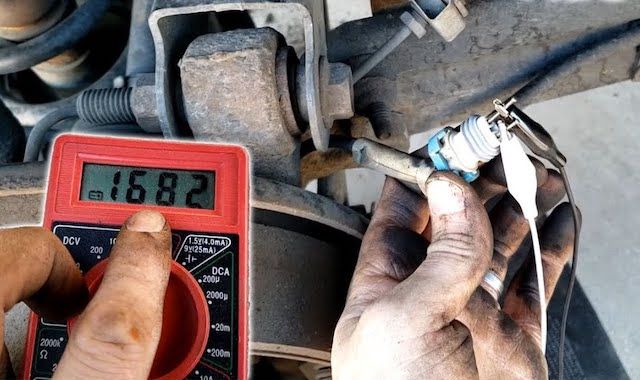
Turn on your multimeter and set it to the resistance (ohms) mode. This mode measures the sensor’s internal resistance. Connect the multimeter’s probes to the sensor terminals carefully.
Make sure the probes touch the metal parts without slipping. Keep the sensor steady to get a stable reading. Note the resistance value displayed for further analysis.

Credit: okmarts.com
Testing Resistance
Testing the resistance of an ABS sensor is a key step in diagnosing its condition. Resistance shows if the sensor coil is intact or broken. A multimeter helps measure this resistance easily. This check helps find faults early, saving time and money on repairs.
Measuring Sensor Resistance
Start by turning off the vehicle and unplugging the ABS sensor. Set your multimeter to the ohms (Ω) setting. Connect the multimeter probes to the sensor’s terminals. Hold the probes steady to get a clear reading. Note the resistance value shown on the display. Repeat the process a few times for accuracy.
Interpreting Resistance Values
Compare your reading to the sensor’s specifications in the service manual. A normal sensor usually shows resistance between 800 and 2000 ohms. Readings outside this range mean the sensor may be faulty. A very high or infinite reading means the coil is broken. A very low reading suggests a short circuit inside the sensor. Use these clues to decide on repairs or replacement.
Testing Voltage Signal
Testing the voltage signal of an ABS sensor is a key step in diagnosing its condition. This test checks if the sensor sends the right electrical signals to the vehicle’s control system. A multimeter helps measure this voltage to confirm the sensor’s function.
Start with the sensor connected to the vehicle’s wiring. This setup ensures the sensor works under real conditions. The voltage signal usually varies as the wheel spins. The multimeter captures these changes, showing if the sensor reacts properly.
Reconnecting Sensor For Voltage Test
First, reconnect the ABS sensor to the wiring harness. Secure the connection to prevent loose contacts. Loose connections can give false readings. Make sure the ignition is off while reconnecting. Then, turn the ignition to the “on” position without starting the engine. This powers the sensor and prepares it for testing.
Reading Ac Voltage Output
Set your multimeter to measure AC voltage. ABS sensors produce an alternating current signal. Place the multimeter probes on the sensor terminals. Spin the wheel slowly by hand. Watch the multimeter screen for voltage changes. The voltage should rise and fall as the wheel turns. No voltage or a steady reading means the sensor may be faulty.
Identifying Common Faults
Identifying faults in your ABS sensor is key to safe driving. A faulty sensor can cause braking problems. Detecting issues early prevents bigger repairs.
Common faults include damaged wires, dirt buildup, and sensor wear. These faults affect the sensor’s ability to send signals. Testing with a multimeter helps find these problems fast.
Signs Of A Faulty Sensor
Warning lights on the dashboard often indicate sensor problems. The ABS light may stay on or flash. Brakes might feel less responsive or grab suddenly. Noise from the wheels during braking can also signal a fault. Uneven braking or the ABS activating too soon shows sensor issues.
When To Replace The Sensor
Replace the sensor if it shows no resistance on the multimeter. Sensors with broken wires or visible damage need replacement. If the sensor’s output signal is erratic or missing, change it. Replacing early avoids brake system failure. Always choose a sensor that matches your vehicle’s specifications.
Safety Tips
Testing an ABS sensor with a multimeter requires careful attention to safety. The ABS sensor is part of your car’s electrical system. Mishandling it can cause damage or injury. Follow safety tips to protect yourself and your vehicle. Always work slowly and carefully.
Handling Electrical Components
Turn off the car engine before testing. Disconnect the car battery to avoid electric shocks. Use insulated tools to prevent short circuits. Do not touch exposed wires with bare hands. Check the multimeter settings before use. Set it to the correct voltage or resistance range. Avoid working in wet or damp areas. Keep your workspace clean and dry.
Working Around Moving Parts
Ensure the car is parked on a flat surface. Use the parking brake to stop the car from moving. Avoid testing the ABS sensor while the engine runs. Keep fingers and tools away from belts and fans. Wait until all parts have stopped moving. Wear tight clothing to prevent it from getting caught. Stay alert and avoid distractions during the test.

Credit: www.youtube.com
Frequently Asked Questions
How Do I Test An Abs Sensor With A Multimeter?
To test an ABS sensor, set your multimeter to resistance mode. Disconnect the sensor, connect probes to terminals, and check resistance. A typical value ranges from 1,000 to 1,500 ohms. If reading is out of range, the sensor may be faulty.
What Multimeter Setting Is Best For Abs Sensor Testing?
Use the resistance (ohms) setting on your multimeter. This measures the sensor’s coil resistance. You can also use the voltage setting to check for sensor output while spinning the wheel. Both tests help diagnose ABS sensor health effectively.
Can I Test Abs Sensor Without Removing It?
Yes, you can test ABS sensors without removal by measuring voltage output. Spin the wheel and measure AC voltage at sensor terminals. A fluctuating voltage indicates the sensor is working. No voltage suggests a faulty or disconnected sensor.
What Are Common Signs Of A Bad Abs Sensor?
Common signs include ABS warning light on dashboard, erratic braking, or loss of traction control. Faulty ABS sensors can cause inaccurate wheel speed readings, affecting braking safety. Testing with a multimeter confirms sensor functionality.
Conclusion
Testing an ABS sensor with a multimeter is simple and useful. It helps find problems before they get worse. Follow the steps carefully for accurate results. A good sensor means safer driving and better car control. Don’t ignore warning signs or strange noises.
Regular checks keep your vehicle in top shape. Practice these tips to save time and money. Stay safe on the road by knowing your car better.

I’m Asif Ur Rahman Adib, an Electrical Engineer and lecturer. My journey began in the lab, watching students struggle with instruments they used every day without fully understanding them. Over time, I’ve combined teaching, research, and hands-on experience to help others grasp electrical concepts clearly, safely, and practically—whether it’s understanding a circuit or mastering a multimeter.