Are you trying to decide between Agilent and Keysight for your test and measurement needs? Choosing the right equipment can make a huge difference in your work quality and efficiency.
You want reliable tools that fit your budget and deliver precise results every time. You’ll discover the key differences, strengths, and weaknesses of both Agilent and Keysight. By the end, you’ll have a clear picture to help you make the best choice for your projects.
Keep reading to find out which brand suits your needs perfectly.

Credit: www.tek.com
Company Backgrounds
Understanding the backgrounds of Agilent and Keysight helps clarify their strengths. Both have rich histories rooted in technology and innovation. Their stories begin with a common origin but have evolved in unique ways. This section explores their beginnings and current market roles.
Agilent Origins
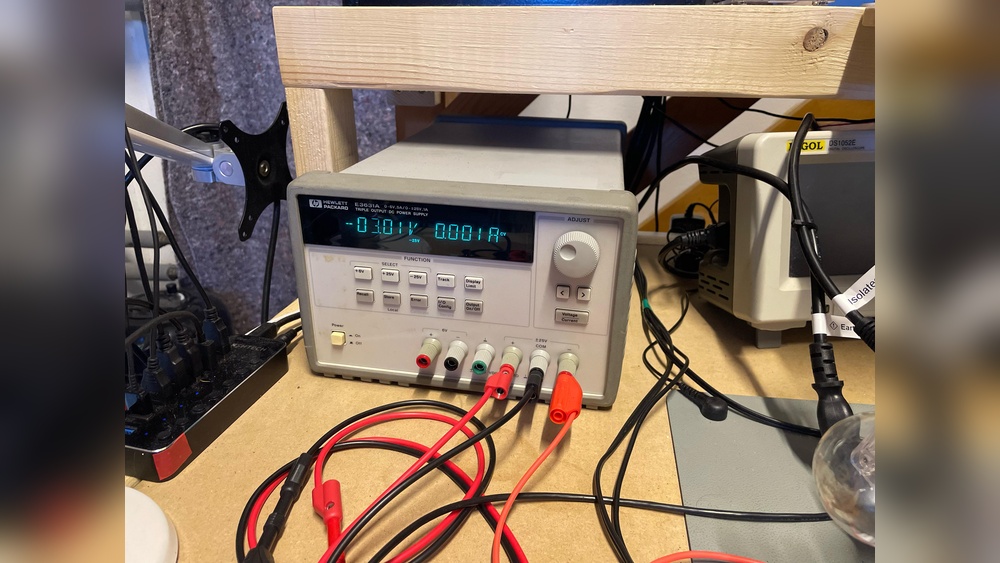
Agilent Technologies started in 1999. It was formed as a spin-off from Hewlett-Packard’s test and measurement division. The goal was to focus on life sciences, diagnostics, and electronics. Agilent grew fast by investing in research and new technology. It became a leader in scientific instruments and lab equipment. This focus on precision and quality set Agilent apart.
Keysight Formation
Keysight was created in 2014. It spun off from Agilent’s electronic measurement business. Keysight’s focus is on test and measurement equipment for electronics. It serves industries like telecommunications, aerospace, and automotive. Keysight quickly gained a reputation for innovation and reliable tools. Its products help engineers design and test advanced electronic systems.
Market Position
Agilent and Keysight hold strong places in their markets. Agilent leads in life sciences and chemical analysis equipment. It supports healthcare and research labs worldwide. Keysight dominates the electronic test and measurement sector. It supplies solutions for cutting-edge technology development. Both companies continue to invest in new products and global growth.
Product Range
Agilent and Keysight offer a wide product range for different technical needs. Both companies have strong reputations in electronics testing and measurement. Their products serve engineers, scientists, and technicians in many industries. Understanding their product range helps choose the right tools for your projects.
Test And Measurement Tools
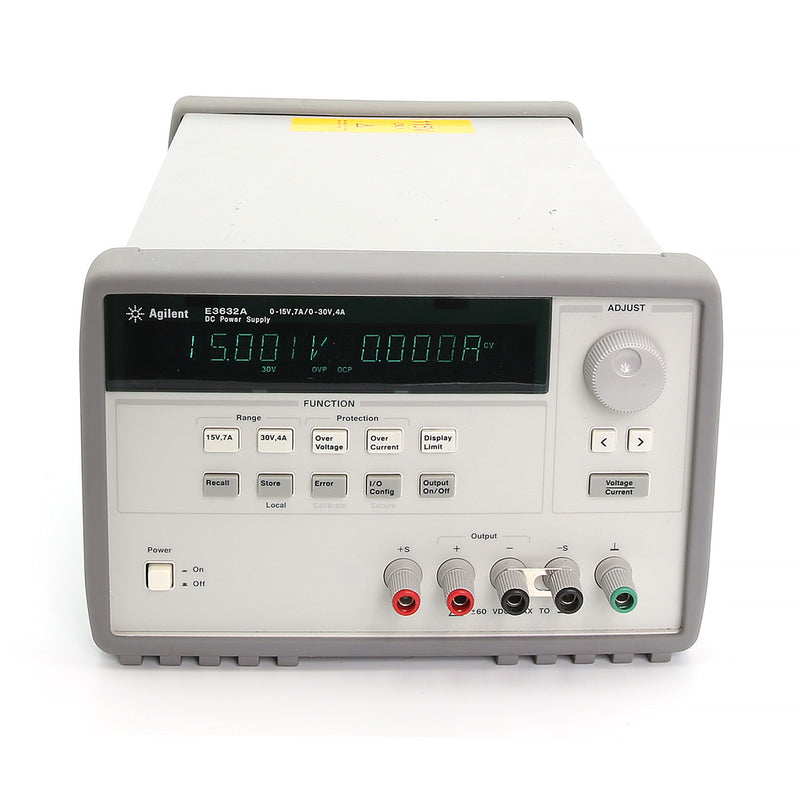
Agilent provides various instruments like oscilloscopes, signal generators, and spectrum analyzers. Keysight continues this legacy with advanced versions of these tools. Both brands offer reliable devices for accurate testing and measurement. Their equipment supports research, development, and manufacturing processes.
Software Solutions
Software is key to controlling and analyzing data from test devices. Agilent offers user-friendly software for instrument control and data analysis. Keysight enhances this with more integrated and automated software suites. These solutions improve workflow efficiency and data accuracy for users.
Industry Applications
Agilent and Keysight products serve industries like aerospace, automotive, and telecommunications. They also support healthcare and semiconductor sectors. Each company tailors its tools to meet specific industry standards and challenges. This focus ensures users get precise and dependable results.
Technology Innovations
Technology innovation drives the success of Agilent and Keysight. Both companies create tools that push science and engineering forward. Their efforts shape how industries test and measure signals. Advances in technology help users solve complex problems faster and with more accuracy.
Each company invests in research to improve their products. They focus on making devices smarter and easier to use. Innovation in hardware and software boosts performance and reliability. This section explores how Agilent and Keysight lead in technology innovation.
Agilent’s Advances
Agilent has a long history of creating precise test instruments. They develop high-quality oscilloscopes, signal analyzers, and network analyzers. Agilent focuses on improving measurement speed and accuracy. Their tools often include advanced data analysis features. These features help engineers understand signals better and faster.
The company invests in compact designs that save space in labs. Agilent’s software platforms integrate well with other systems. This integration streamlines testing workflows and improves data sharing. Their innovations support a wide range of industries, from electronics to healthcare.
Keysight’s Breakthroughs
Keysight builds on Agilent’s legacy with new technology breakthroughs. They emphasize digital transformation in testing equipment. Keysight introduces instruments with enhanced connectivity and automation. These improvements reduce human error and increase testing speed.
Keysight also focuses on 5G and wireless communication testing solutions. Their tools help companies develop faster and more reliable networks. The company works on expanding capabilities in software-defined testing. This approach allows flexible and customizable test environments.
Keysight’s breakthroughs support innovation in automotive, aerospace, and semiconductor fields. Their technology helps engineers solve today’s complex testing challenges.
Credit: www.bellnw.com
Performance Comparison
Comparing the performance of Agilent and Keysight is essential for choosing the right test equipment. Both brands have strong reputations in electronics and measurement tools. Understanding their accuracy, speed, and reliability helps users pick the best fit for their needs.
Accuracy And Precision
Agilent devices deliver highly accurate measurements with low error margins. They focus on precise signal detection and data clarity. Keysight also provides excellent accuracy, often matching or exceeding industry standards. Their instruments maintain consistent precision over time, ensuring reliable results for detailed work.
Speed And Efficiency
Keysight tends to offer faster data processing and quicker test cycles. Their tools often include advanced features that reduce setup time. Agilent models perform efficiently but may have slightly slower operation in some tasks. Both brands aim to save time but differ in how they achieve speed.
Reliability And Durability
Agilent equipment is known for long-lasting performance under tough conditions. They use high-quality materials that resist wear and tear. Keysight also builds durable instruments designed for frequent use in demanding environments. Both brands provide dependable tools that minimize downtime and maintenance.
User Experience
User experience plays a big role in choosing between Agilent and Keysight. It affects how easily users can operate devices and solve problems. Good user experience saves time and reduces frustration. This section looks at ease of use, customer support, and training resources for both brands.
Ease Of Use
Agilent devices have a simple design that helps beginners start quickly. The menus are clear and logical. Keysight offers a modern interface with more features but a steeper learning curve. Both brands provide intuitive controls, yet Agilent suits users who prefer straightforward tools.
Customer Support
Agilent has a solid support team reachable by phone and email. Response times are usually fast. Keysight also offers strong support with detailed online help and chat options. Both companies provide reliable help, but Agilent’s service is often praised for friendliness and patience.
Training And Resources
Agilent offers many tutorials and manuals that are easy to follow. Their videos help users understand devices step-by-step. Keysight provides comprehensive training programs and webinars for advanced learning. Users new to test equipment may find Agilent’s resources more approachable.
Credit: docs.keysight.com
Pricing And Value
Pricing and value play a big role in choosing between Agilent and Keysight. Both brands offer quality instruments, but their costs and benefits differ. Understanding these differences helps buyers pick the best option for their needs and budgets.
Cost Analysis
Agilent products often come with a lower initial price. Keysight tends to be more expensive upfront. This is due to Keysight’s newer technology and advanced features. Buyers should consider total costs, including accessories and software. Sometimes, a higher price means better performance and reliability.
Return On Investment
Investing in test equipment is about long-term value. Keysight’s devices may save money over time with better accuracy and durability. Agilent tools might need replacement or repair sooner. Consider how often you will use the equipment and for how long. A higher price can lead to fewer delays and lower maintenance costs.
Warranty And Service
Both Agilent and Keysight offer warranties. Keysight usually provides longer coverage and faster support. Agilent’s warranty is solid but may have more limitations. Good customer service reduces downtime and frustration. Check what each warranty covers before buying. Reliable service adds value beyond the purchase price.
Industry Feedback
Industry feedback plays a key role in comparing Agilent and Keysight. It gives real insight into their strengths and weaknesses. Experts, users, and case studies all add valuable opinions.
This section shares honest and clear feedback from the industry. It highlights how both brands perform in real-world situations.
Professional Reviews
Experts often praise Agilent for its reliability and precision. Keysight gets high marks for innovation and advanced features. Reviews mention how both brands meet strict industry standards. Professionals note the strong support and training each company offers. These reviews help buyers choose the right tools for their needs.
User Testimonials
Users report positive experiences with Agilent’s easy-to-use instruments. Many find Keysight’s products more suited for complex testing tasks. Both brands receive praise for durable design and long service life. Users say customer service response times are satisfactory. These testimonials reflect everyday use and satisfaction levels.
Case Studies
Case studies show Agilent’s success in medical and environmental testing projects. Keysight shines in telecommunications and aerospace applications. Both brands prove effective in improving testing accuracy and speed. Real-world examples highlight how companies rely on these tools to solve problems. Case studies confirm the practical value of Agilent and Keysight products.
Future Trends
The future of Agilent and Keysight holds many changes. Both companies aim to stay ahead by embracing new trends. These trends will shape technology and the tools engineers use. Understanding these changes helps professionals prepare for what lies ahead.
Both firms focus on innovation. Their strategies show how they plan to grow. The choices they make now impact the tech world for years to come.
Emerging Technologies
Agilent and Keysight invest in AI and machine learning. These technologies improve testing accuracy and speed. They also work on 5G and 6G wireless technology development. Quantum computing is another area of interest. Tools to test quantum devices will soon be more common.
Company Roadmaps
Keysight plans to expand its software and cloud services. This supports remote testing and data analysis. Agilent focuses on life sciences and semiconductor testing markets. Both companies aim to offer smarter, faster equipment. Their roadmaps emphasize sustainability and energy efficiency too.
Impact On Tech Professionals
New tools require new skills. Tech workers must learn about software-driven testing. Knowledge of AI and cloud platforms grows in demand. Continuous learning becomes essential in this fast-changing field. Professionals who adapt will find better job opportunities.
Frequently Asked Questions
What Is The Main Difference Between Agilent And Keysight?
Agilent split in 2014, forming Keysight for electronic measurement. Keysight focuses on advanced test solutions. Agilent continues with life sciences and chemical analysis. Keysight targets high-tech industries like 5G and aerospace. This separation enhanced specialized innovation in both companies.
Are Agilent And Keysight Products Compatible?
Yes, many Keysight products evolved from Agilent’s designs. They maintain compatibility in test equipment and software. This eases transitions for users upgrading from Agilent devices. However, always verify specific model compatibility before integration. Keysight often supports legacy Agilent equipment.
Which Company Leads In Electronic Test Equipment?
Keysight is the leader in electronic test and measurement. It inherited Agilent’s electronic division and expanded technology. Keysight invests heavily in R&D for cutting-edge solutions. Agilent focuses more on life sciences and diagnostics markets. For test equipment, Keysight is the preferred choice.
Is Keysight A Rebranding Of Agilent?
No, Keysight is a spin-off from Agilent in 2014. It specializes exclusively in electronic test and measurement. Agilent retained life sciences, diagnostics, and chemical analysis sectors. Keysight operates independently with its own brand identity. This separation improved focus in their markets.
Conclusion
Agilent and Keysight both offer strong tools for testing and measurement. Each brand has unique features and strengths. Your choice depends on your specific needs and budget. Both companies focus on quality and innovation. Compare their products carefully before making a decision.
This ensures you find the best fit for your work. Trust your needs and preferences to guide you. Both Agilent and Keysight serve professionals worldwide with reliable solutions. The right choice can improve your projects and results.

I’m Asif Ur Rahman Adib, an Electrical Engineer and lecturer. My journey began in the lab, watching students struggle with instruments they used every day without fully understanding them. Over time, I’ve combined teaching, research, and hands-on experience to help others grasp electrical concepts clearly, safely, and practically—whether it’s understanding a circuit or mastering a multimeter.