When it comes to choosing electrical wiring for your home or project, you want the best—something reliable, safe, and easy to work with. You’ve probably come across two big names: Romex and Southwire.
But which one should you pick? Understanding the differences between Romex and Southwire can save you time, money, and headaches down the road. You’ll discover what sets these brands apart and which option fits your needs perfectly. Keep reading to make the smartest choice for your wiring needs.
Romex Basics
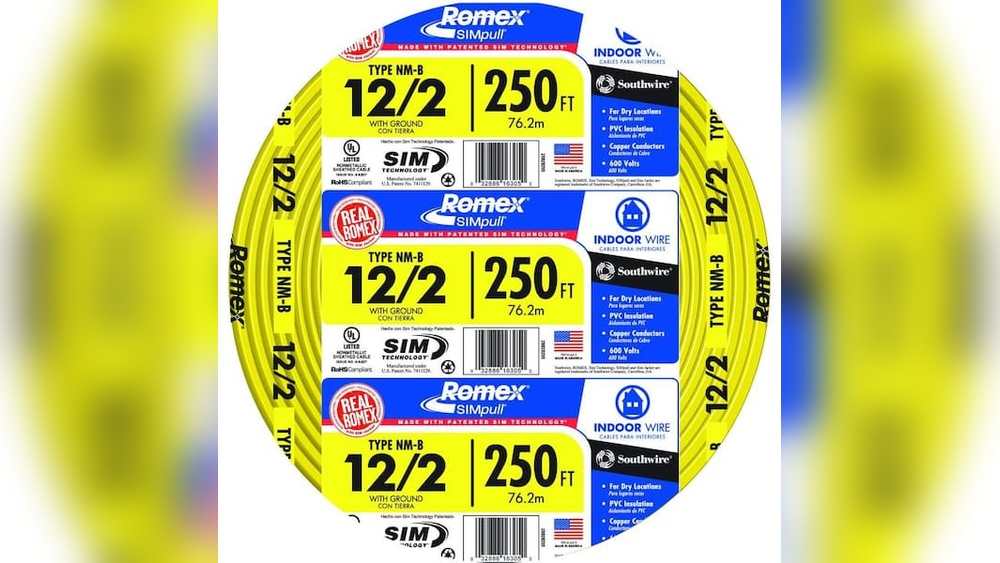
Understanding Romex is key for anyone working with electrical wiring at home or on small projects. It is a type of non-metallic sheathed cable, popular for its ease of use and reliability. Romex cables come in many sizes and types, suitable for different electrical needs.
Material And Construction
Romex cables have copper wires inside. Copper is a good conductor of electricity. The wires are wrapped in a plastic jacket. This jacket protects the wires from damage and moisture. Inside, each wire has its own insulation. This stops the wires from touching each other and causing shorts.
Common Uses
Romex is mostly used inside buildings. It connects outlets, switches, and lights to power. It works well in dry, indoor areas. It is not meant for outdoor or underground use. Electricians use Romex for quick and clean wiring jobs.
Safety Features
Romex cables meet safety standards set by authorities. The plastic jacket resists heat and chemicals. The wires inside have insulation to prevent shocks. Romex is tested to handle normal household electrical loads. Using Romex correctly helps avoid electrical fires and accidents.
Southwire Essentials
Southwire Essentials offers reliable wiring solutions for homes and businesses. This product line focuses on quality and ease of use. Many electricians trust Southwire for consistent performance and safety. The brand aims to provide durable wires that fit various electrical needs.
Product Range
Southwire Essentials includes many types of electrical wires. You can find wires for indoor and outdoor use. The line covers different gauges and insulation types. This variety helps meet specific project requirements. It suits both small repairs and large installations.
Build Quality
Southwire Essentials wires have strong copper conductors. The insulation is thick and resistant to wear. These wires handle heat and moisture well. The materials meet industry safety standards. This ensures long-lasting and safe electrical connections.
Installation Advantages
Southwire Essentials wires are flexible and easy to bend. This makes pulling wires through walls simpler. The clear labeling helps identify wire types quickly. Installers save time and reduce mistakes. Overall, these wires speed up the installation process.
Performance Comparison
Comparing Romex and Southwire helps choose the right wire for your needs. Both brands offer quality electrical cables. Examining their performance reveals which one suits your project best. Key factors include durability, conductivity, and resistance to environmental conditions.
Durability And Longevity
Romex wires have strong outer jackets. They resist wear and tear in homes. Southwire cables also feature tough insulation. These cables last long under normal use. Both brands protect against damage. They keep electrical systems safe for years.
Electrical Conductivity
Southwire uses high-purity copper for better conductivity. Romex cables also have copper wires but vary slightly. Good conductivity means less power loss. Southwire tends to offer slightly better flow of electricity. This can improve energy efficiency in wiring.
Resistance To Environmental Factors
Romex cables work well indoors. They may not handle moisture or extreme heat as well. Southwire products include options for wet or hot areas. Their insulation resists chemicals and sunlight. This makes Southwire better for outdoor or tough environments.

Credit: www.southwire.com
Cost And Availability
Cost and availability play a big role in choosing between Romex and Southwire. Both brands offer quality wiring, but their prices and where you can buy them differ. Understanding these factors helps make a better choice for your electrical needs.
Pricing Differences
Romex wires tend to be slightly cheaper than Southwire. The price gap can vary by wire type and size. Southwire often charges more for specialty cables. Budget-conscious buyers may prefer Romex for standard projects. Yet, Southwire’s higher price sometimes reflects advanced features.
Where To Buy
Romex and Southwire are widely available in hardware stores. Big retailers like Home Depot and Lowe’s stock both brands. Online platforms also offer easy access to these wires. Some local suppliers might carry only one brand. Checking availability locally saves time and shipping costs.
Value For Money
Romex offers good value with lower prices and solid quality. Southwire provides durable products that may last longer. For basic home wiring, Romex is often enough. For heavy-duty or commercial use, Southwire could be better. Consider your project needs before deciding.
User Experience
User experience plays a big role in choosing the right electrical wire. The feel, ease, and feedback from users show how well the product works in real life. Both Romex and Southwire have strong points. This section looks at user experience through three lenses: ease of installation, professional reviews, and DIY feedback.
Ease Of Installation
Romex wires are known for their flexible design. They bend easily around corners and fit into tight spaces. This makes installation faster and less stressful. Southwire cables are also flexible but often thicker. Some users find them harder to pull through conduits. Both brands come with clear labeling to help with connections. Romex often wins in tight spaces. Southwire may take a bit more effort but offers sturdy construction.
Professional Reviews
Electricians often praise Romex for its smooth outer jacket. It allows quick stripping and clean connections. Many pros trust Romex for residential work. Southwire gets high marks for durability. Professionals like its strong insulation and resistance to damage. Some say Southwire is better for heavy-duty or outdoor projects. Overall, both brands meet professional standards and offer reliability.
Diy Feedback
Homeowners who do wiring projects like Romex for its ease. The flexibility and clear markings make it less confusing. Many DIYers report fewer mistakes and faster work. Southwire receives mixed reviews from DIY users. Some find the wires too stiff and hard to manage. Others appreciate the solid feel and quality. Both brands have loyal DIY fans but Romex tends to be preferred by beginners.

Credit: www.southwire.com
Safety And Compliance
Safety and compliance are the top priorities for electrical wiring products. Both Romex and Southwire focus on meeting strict safety rules. Choosing the right wire means choosing one that follows all codes and keeps your home safe.
Understanding how these brands handle safety can help you pick the best option. Let’s explore their code standards, fire resistance, and warranty support.
Code Standards
Romex and Southwire cables meet national electrical code requirements. Both brands follow the National Electrical Code (NEC) guidelines. This ensures their products are safe for residential and commercial use. Inspectors often approve wiring from either brand without issues. The products have clear labeling to show compliance with safety laws.
Fire Resistance
Fire resistance is critical in electrical wiring. Romex cables use materials that resist heat and flame spread. Southwire also designs wires to reduce fire risks. Both brands test their products for fire safety. They help prevent electrical fires by limiting damage during overheating.
Warranty And Support
Romex offers a solid warranty on their wiring products. Southwire provides similar warranty coverage, often with longer terms. Both companies have customer support teams ready to assist. They help with product questions and safety concerns. Good warranty and support add extra peace of mind.
Choosing The Right Wire
Choosing the right wire is a key step in any electrical project. The choice affects safety, durability, and performance. Both Romex and Southwire offer good options, but the best fit depends on specific needs.
Project Requirements
Think about the size of your project. Small home repairs may only need basic wire. Larger projects might require wires that handle higher power. Check the wire gauge and insulation type. These factors help match the wire to your task. Romex is often used for indoor wiring. Southwire offers a wider range for different uses.
Environmental Considerations
Consider where you will install the wire. Indoor areas usually need less protection from moisture. Outdoor or wet locations require wires with stronger insulation. Southwire products often include options for harsh environments. Heat and cold can also affect wire choice. Choose wires that resist weather changes to avoid damage.
Long-term Benefits
Think about the wire’s lifespan. Good quality wire lasts longer and stays safe. Romex is popular for its ease of use and reliability indoors. Southwire wires often come with warranties and meet strict standards. Using the right wire reduces future repair costs. It also keeps your electrical system stable and safe.
Credit: cromarias.fr
Frequently Asked Questions
What Is The Main Difference Between Romex And Southwire?
Romex is a brand of NM cable, while Southwire manufactures various wire types. Romex is often Southwire-made, but Southwire offers broader products. Romex typically refers to residential wiring, Southwire covers residential and commercial uses.
Is Southwire Cable Better Than Romex?
Southwire offers high-quality cables, including Romex brand products. Romex is well-known for residential wiring. Both are reliable, but Southwire’s range and innovation can offer more options.
Can Romex And Southwire Wires Be Used Interchangeably?
Romex is often Southwire’s NM cable product, so they can be interchangeable in many cases. Always check the specific wire type, gauge, and code compliance before use.
Which Is More Cost-effective: Romex Or Southwire Cables?
Romex cables, often made by Southwire, are competitively priced for residential use. Southwire’s broader product line may vary in cost depending on wire type and application.
Conclusion
Both Romex and Southwire offer good electrical wiring options. Romex is known for durability and easy installation. Southwire provides a wide range of products and sizes. Consider your project needs and budget carefully. Choose the brand that fits your specific job best.
Safety and quality should always come first. Trust reliable wiring to keep your home secure. Simple choices lead to better results. Keep these points in mind when deciding. Your wiring matters for years to come.

I’m Asif Ur Rahman Adib, an Electrical Engineer and lecturer. My journey began in the lab, watching students struggle with instruments they used every day without fully understanding them. Over time, I’ve combined teaching, research, and hands-on experience to help others grasp electrical concepts clearly, safely, and practically—whether it’s understanding a circuit or mastering a multimeter.