
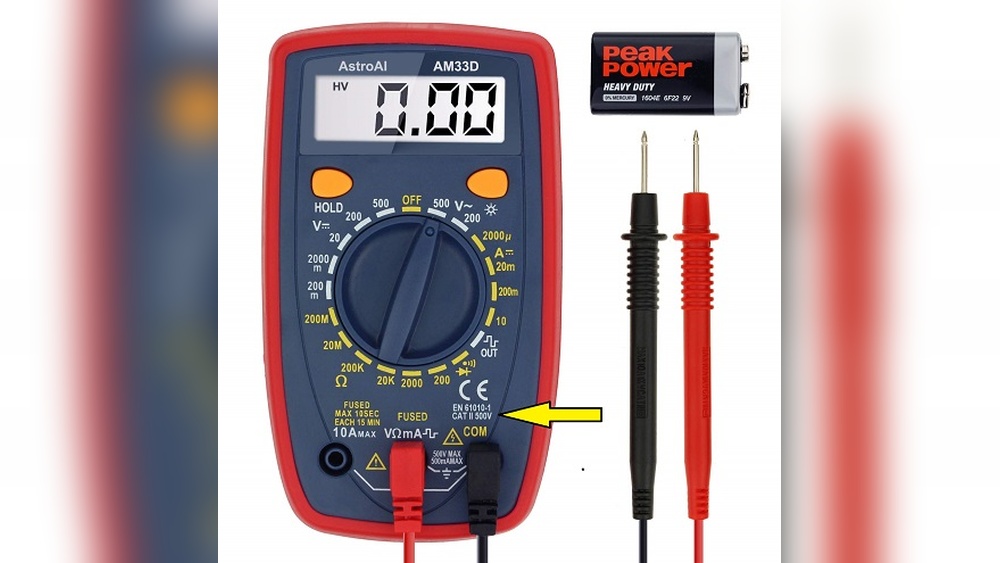
When you pick up a multimeter, you might not think twice about whether it’s fused or unfused. But this small detail can make a big difference for your safety and the accuracy of your measurements.
Have you ever wondered why some multimeters have fuses inside while others don’t? Understanding the difference between fused and unfused multimeters could save you from costly damage or even injury. Keep reading to discover which type suits your needs best and how this choice impacts your work every time you measure voltage, current, or resistance.

Credit: www.innova.com
Multimeter Basics
A multimeter is a useful tool for anyone working with electricity. It measures different electrical values. These include voltage, current, and resistance. Understanding multimeter basics helps in using it safely and effectively.
Multimeters come in many types. Some are simple and easy to use. Others have more advanced features for professionals. Knowing the basics allows you to choose the right one.
What Is A Multimeter
A multimeter is a device that tests electrical circuits. It combines several measurement tools in one. You can check voltage, current, and resistance with it. There are two main types: analog and digital. Digital multimeters show readings on a screen. Analog ones use a needle and dial. Digital models are more common today due to ease of use.
Common Uses
Multimeters help in many tasks around home and work. Electricians use them to find electrical faults. Homeowners check batteries and outlets. They test wires to see if power flows properly. Multimeters also measure temperature and frequency in some models. They are handy for fixing appliances and cars. Simple tests prevent accidents and save money on repairs.
Fused Multimeter Features
Fused multimeters include a safety component called a fuse. This feature protects both the user and the device during electrical testing. Understanding these features helps you choose the right tool for your needs. Below are key points about fused multimeters.
Role Of The Fuse
The fuse acts as a safety barrier inside the multimeter. It breaks the circuit if too much current flows through. This prevents damage to the multimeter and stops dangerous sparks. The fuse also protects the internal parts from burning out. It is a simple but vital safety part in the device.
Safety Benefits
Fused multimeters reduce the risk of electric shock. The fuse cuts off current before it can harm the user. It also prevents fires caused by electrical short circuits. This feature makes fused multimeters safer than unfused versions. Users can test high currents with more confidence.
Typical Applications
Fused multimeters are common in professional electrical work. They are used for testing circuits with high current loads. Industrial maintenance and automotive repair often require fused models. They are also helpful in educational labs where safety is a priority. Choosing a fused multimeter is wise for demanding tasks.
Unfused Multimeter Features
Unfused multimeters have distinct features that set them apart from fused models. These multimeters lack built-in fuses to protect circuits during high current tests. Understanding their traits helps users handle them safely and effectively.
Design Characteristics
Unfused multimeters have a simpler internal design. They do not include fuse holders or fuse elements. This makes them lighter and often less expensive. The absence of fuses means fewer parts can fail or need replacement. Their design suits basic measurements with low risk of overload.
Risks And Limitations
Without fuses, these multimeters offer no protection against short circuits. High current can damage the device or cause injury. Users must be very careful during testing. The device may stop working if exposed to a surge. These limitations make them risky for certain electrical tasks.
When To Use
Unfused multimeters work well for low voltage and low current checks. Use them in controlled environments with minimal risk. Ideal for students, beginners, or simple household tasks. Avoid using them on high power circuits or where safety is critical. Always follow safety rules to prevent damage or harm.
Comparing Performance
Comparing the performance of fused and unfused multimeters helps choose the right tool. Each type has strengths and weaknesses. Understanding these differences ensures better use and safety.
Accuracy And Reliability
Fused multimeters often provide stable readings over time. The fuse protects internal parts from damage. This protection keeps measurements consistent and reliable. Unfused meters may show errors if damaged by surges. Accuracy is vital for precise electrical work.
Durability Factors
Fused meters last longer in harsh conditions. The fuse absorbs sudden spikes in current. This feature prevents costly repairs or replacements. Unfused meters can fail quickly under overload stress. Durability matters for frequent or industrial use.
Response To Overloads
Fused multimeters stop working safely during overloads. The fuse breaks the circuit to avoid damage. This quick reaction protects both the meter and user. Unfused meters risk internal damage or unsafe sparks. Overload response is crucial for safe measurements.
Safety Considerations
Safety is the top priority when using a multimeter. Choosing between a fused and unfused multimeter impacts your protection. Understanding safety considerations helps prevent accidents and damage. Let’s explore key safety points for both types.
Protective Measures
Fused multimeters have built-in fuses. These fuses stop excess current quickly. They protect the device and user from electric shocks. Unfused multimeters lack this safety feature. This increases the risk of damage or injury. Using a fused multimeter adds a safety layer. It prevents costly repairs and dangerous situations.
User Precautions
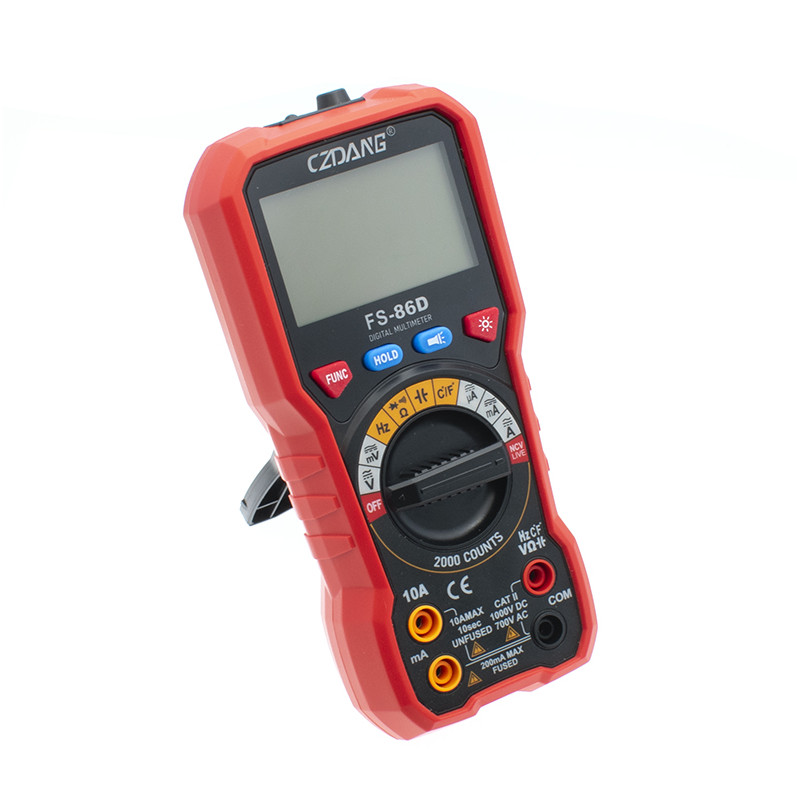
Always check the multimeter’s rating before use. Never exceed the maximum current and voltage limits. Inspect the device for damage or wear. Replace worn test leads immediately. Use proper settings for the measurements. Avoid touching metal parts during testing. Follow manufacturer instructions carefully. Regularly test the fuse in fused multimeters. These steps reduce risks and enhance safety.
Credit: www.drone-fpv-racer.com
Choosing The Right Multimeter
Choosing the right multimeter can make your work easier and safer. A good multimeter fits your needs and budget. It also lasts a long time and gives accurate readings. Understanding the difference between fused and unfused multimeters helps you pick the best one.
Assessing Your Needs
Think about what you will measure most often. Do you test high currents or low voltage circuits? Fused multimeters protect against overloads, which is good for heavy use. Unfused models may be fine for simple, low-risk tasks. Consider how often you will use the tool and the types of projects you do.
Budget Vs Features
Multimeters come in many price ranges. Cheaper ones may lack safety features like fuses. More expensive models offer better protection and more functions. Decide what features matter most. Safety should not be ignored, even on a tight budget. Balance cost with the benefits you need.
Recommended Models
For beginners, a basic fused multimeter offers safety and ease. Hobbyists might prefer models with extra functions like auto-ranging. Professionals often choose high-end fused multimeters with precise readings. Brands like Fluke and Klein Tools are trusted for quality and safety. Check reviews before buying to ensure reliability.
Credit: www.reddit.com
Frequently Asked Questions
What Is A Fused Multimeter?
A fused multimeter includes an internal fuse to protect against overloads. It prevents damage to the device and enhances user safety. This fuse blows when current exceeds safe limits, stopping further current flow and protecting the meter and circuits.
How Does An Unfused Multimeter Differ?
An unfused multimeter lacks internal fuses, making it more vulnerable to damage from high currents. It offers less protection, so users must be cautious to avoid overloading. This type is often cheaper but riskier for electrical measurements.
Why Choose A Fused Multimeter Over Unfused?
Fused multimeters provide extra safety by preventing damage from electrical surges. They protect both the tool and the user. Choosing fused models reduces repair costs and enhances reliability during measurements, especially in high-current scenarios.
Can An Unfused Multimeter Be Dangerous?
Yes, using an unfused multimeter can lead to device damage or electric shock. Without a fuse, excessive current can harm the meter or cause accidents. Proper precautions and careful measurement are crucial with unfused types.
Conclusion
Choosing between fused and unfused multimeters depends on your safety needs. Fused multimeters protect both you and your device better. Unfused ones may work for simple tasks but carry more risk. Always think about the environment where you will use your tool.
Safety and reliability matter most in electrical work. A good choice keeps your work smooth and secure. Decide wisely to avoid accidents and costly repairs. Simple, safe tools help you finish jobs with confidence.

I’m Asif Ur Rahman Adib, an Electrical Engineer and lecturer. My journey began in the lab, watching students struggle with instruments they used every day without fully understanding them. Over time, I’ve combined teaching, research, and hands-on experience to help others grasp electrical concepts clearly, safely, and practically—whether it’s understanding a circuit or mastering a multimeter.