When it comes to choosing the right test and measurement equipment, you want to be sure you’re making the best decision for your needs and budget. You’ve probably heard of Siglent and Agilent—two big names in the industry—but which one truly stands out?
You’ll discover the key differences that could affect your work, your results, and your bottom line. Whether you’re a beginner or a seasoned pro, knowing what each brand offers will help you make a smart choice. Keep reading to find out which option fits you best and why it matters more than you think.
Credit: www.batronix.com
Brand Histories
Understanding the histories of Siglent and Agilent helps to see their strengths and focus. Each brand brings unique experience and values to the test and measurement market. Their stories show how they grew and earned trust worldwide. This background helps users choose the right instruments for their needs.
Siglent’s Background
Siglent was founded in 2002 in China. It started as a small company focused on test equipment. Siglent quickly grew by offering affordable, reliable products. The brand aims to provide modern tools for engineers and technicians. It invests in research to keep improving its technology. Today, Siglent is known for oscilloscopes, spectrum analyzers, and other instruments.
Agilent’s Legacy
Agilent began in 1999 as a spin-off from Hewlett-Packard. It has roots dating back to 1939 through HP’s test division. Agilent became a leader in test and measurement tools. It focuses on high-quality, precise instruments for complex tasks. The company serves industries like electronics, healthcare, and communications. Agilent’s long history brings deep expertise and trusted performance.
Product Range
Both Siglent and Agilent offer a wide range of electronic test tools. Their product lines cover many essential devices for engineers and technicians. This variety helps users find equipment that fits their specific needs and budgets.
Each brand has strengths in different categories, making the choice interesting for buyers. The selection includes basic to advanced models, supporting various testing and measurement tasks.
Oscilloscopes
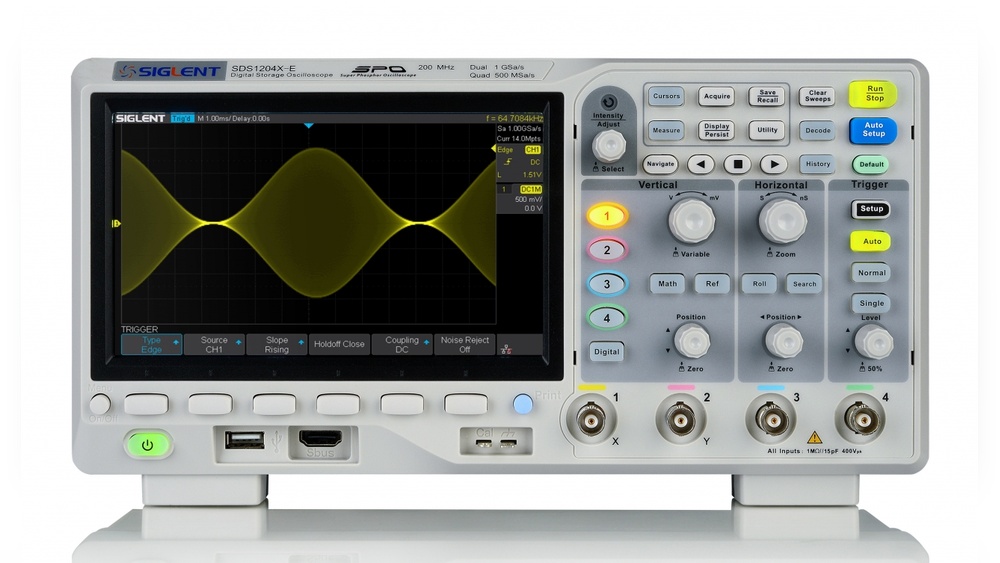
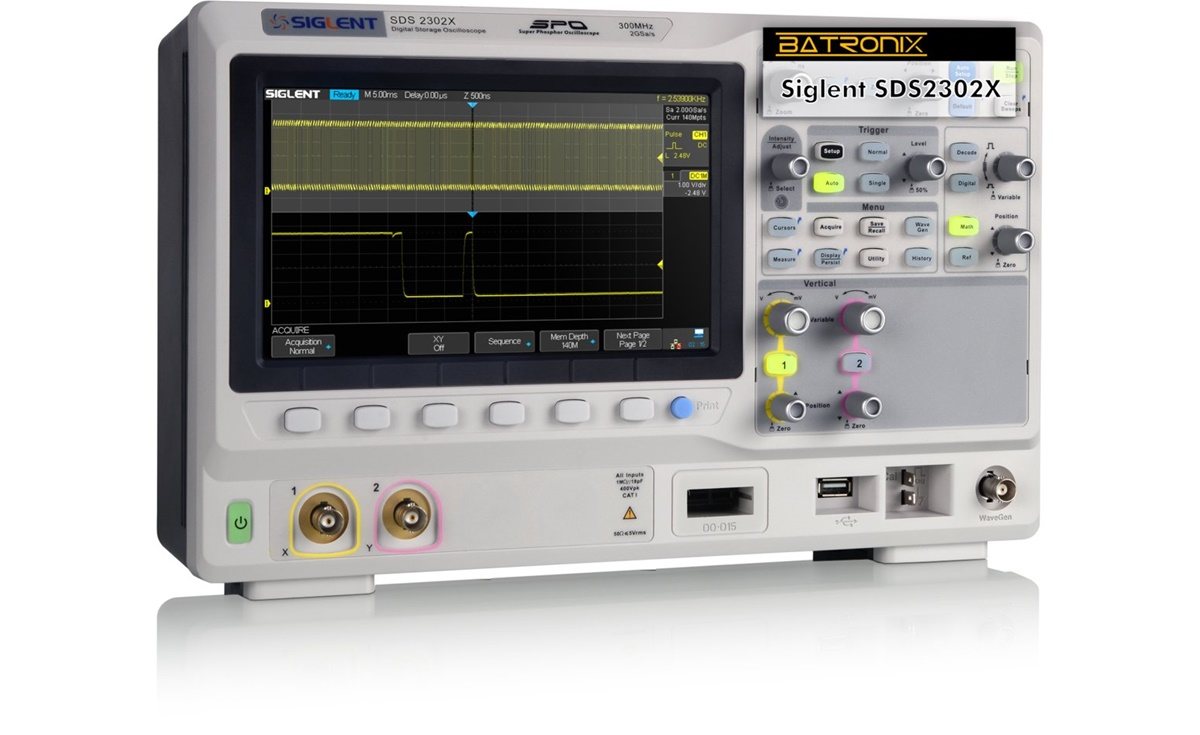
Siglent provides oscilloscopes that are user-friendly and affordable. They focus on high performance for budget-conscious users. Many models offer good bandwidth and sample rates for common applications.
Agilent, now Keysight, delivers oscilloscopes with advanced features and high accuracy. Their devices often target professional labs and industries needing precise measurements. The range includes entry-level to high-end models.
Signal Generators
Siglent’s signal generators cover basic to mid-range frequencies. They are suitable for general testing and education. These devices are known for simplicity and solid performance.
Agilent’s signal generators support wide frequency ranges and complex modulation types. They serve advanced research and development purposes. The models often include extensive calibration and control options.
Multimeters
Siglent offers digital multimeters that combine accuracy and ease of use. Their products fit well in workshops and classrooms. Many models provide essential functions with clear displays.
Agilent multimeters stand out with high precision and durability. They meet strict industry standards and offer extra features like logging and connectivity. These are ideal for professional environments.
Performance And Accuracy
Performance and accuracy are key factors in choosing the right test equipment. Both Siglent and Agilent offer strong features. This section compares their strengths in measurement precision, frequency range, and signal integrity. Understanding these will help decide which device fits your needs best.
Measurement Precision
Agilent devices are known for their high measurement precision. They provide very accurate readings with low error margins. Siglent also offers good precision but may have slightly higher error rates. For tasks needing exact data, Agilent often leads. Siglent suits projects where moderate precision is acceptable.
Frequency Range
Agilent generally supports a wider frequency range. This allows testing of more complex signals across broad bands. Siglent covers essential frequency ranges well. It is perfect for most standard applications. Users needing ultra-high frequency testing might prefer Agilent equipment for its extended range.
Signal Integrity
Signal integrity ensures the signal remains clean during measurement. Agilent excels in maintaining signal quality with minimal noise. Siglent also keeps signal integrity but may show slight degradation in some cases. For critical signal analysis, Agilent tends to deliver more reliable results. Siglent remains a solid choice for everyday testing needs.

Credit: www.youtube.com
User Interface And Software
The user interface and software play a key role in how easily you operate test equipment. Both Siglent and Agilent provide interfaces designed to simplify complex tasks. Their software helps you control devices and analyze data effectively.
Understanding the differences in their user interface and software can help you pick the best tool for your needs.
Ease Of Use
Siglent offers a clean and straightforward screen layout. Menus are simple and easy to navigate. Beginners can quickly learn how to use their devices.
Agilent features a more detailed interface. It has many options but can feel complex to new users. Experienced users may appreciate the deeper control.
Software Features
Siglent software focuses on clear visual data and basic analysis tools. It supports quick setups and simple measurements. The tools cover most common testing needs.
Agilent’s software provides advanced analysis and customization options. It suits users who need detailed reports and specialized testing. The software includes many built-in functions for professionals.
Connectivity Options
Siglent devices support USB and LAN connections for easy data transfer. Wireless options may be limited in some models. Remote control is possible through standard interfaces.
Agilent offers broad connectivity, including USB, LAN, GPIB, and Wi-Fi. This variety helps integrate with different lab setups. It supports remote operation and data sharing smoothly.
Build Quality And Design
Build quality and design play a vital role in choosing test equipment. They affect how long the device lasts and how easy it is to use. Both Siglent and Agilent offer devices with strong builds and smart designs. Each brand has its strengths in durability, portability, and ergonomics.
Durability
Agilent devices are known for their rugged construction. They use high-quality materials that resist wear and tear. This makes them ideal for heavy use in labs and industrial settings. Siglent also builds durable products but focuses more on lightweight materials. Their devices can handle daily use well but may not be as tough in harsh environments.
Portability
Siglent designs are often lighter and more compact. This makes them easy to carry between work sites. Many models fit well in small bags or backpacks. Agilent devices tend to be bulkier but offer more features. They suit fixed setups better than mobile work. Portability depends on your specific needs and work style.
Ergonomics
Both brands prioritize user comfort and ease of use. Agilent offers intuitive controls and clear displays. Their layouts reduce user fatigue during long sessions. Siglent focuses on simple interfaces with quick access to common functions. Buttons and knobs are placed for easy reach. Ergonomic design helps users stay efficient and comfortable.
Pricing And Value
Pricing and value are key factors in choosing test and measurement tools. Buyers want devices that fit their budget without sacrificing quality. Both Siglent and Agilent offer options for different needs and costs. Understanding their pricing and value helps make a smart choice.
Cost Comparison
Siglent devices usually cost less than Agilent models. This makes Siglent attractive for tight budgets. Agilent products have higher prices, reflecting their advanced features. The price gap varies by product type and specs. Siglent offers good performance for a lower cost. Agilent targets professionals needing precision and reliability.
Warranty And Support
Agilent provides longer warranties and strong customer support. This adds peace of mind for buyers. Siglent also offers warranties but they tend to be shorter. Support services from Agilent are well known and widely praised. Siglent’s support is improving but still behind Agilent. Warranty and support can save money on repairs.
Long-term Value
Agilent instruments hold value well over time. Their build quality and performance reduce replacement needs. Siglent products offer good value upfront but may need more maintenance. For frequent use, Agilent’s durability pays off. For occasional use, Siglent meets the needs at a lower cost. Consider how long you plan to use the device.
Customer Feedback
Customer feedback offers valuable insights into the real experiences of users. It shows how well Siglent and Agilent devices perform in daily use. Reviews reveal strengths and weaknesses from the buyer’s perspective. This helps potential buyers decide which brand fits their needs better.
User Reviews
Many users appreciate Siglent for its affordable prices and decent features. They find the interface easy to use and the devices reliable. Agilent users highlight the brand’s strong build quality and high accuracy. Users say Agilent instruments handle complex tasks smoothly. Both brands receive praise for good customer support in various forums.
Common Complaints
Some Siglent customers mention occasional software bugs and limited advanced features. A few find the manuals unclear or incomplete. Agilent users sometimes report high repair costs and expensive parts. Some say Agilent devices can be bulky and less portable. Both brands face occasional delays in shipping or service in certain regions.
Praise Highlights
Siglent is praised for providing excellent value for money. Users like its straightforward design and quick setup. Agilent wins points for precision and long-term durability. Professionals trust Agilent for critical measurements and research work. Both brands score high on ease of use and solid performance.
Applications And Suitability
Choosing between Siglent and Agilent depends on the specific use case. Both brands offer tools suited for different needs. Understanding their applications helps make the right choice. This section breaks down their suitability for various users and industries.
Industrial Use
Agilent devices often lead in industrial settings. They deliver high precision and reliability. Their instruments handle complex tasks in manufacturing and testing. Siglent also supports industrial needs but fits better with smaller operations. It offers solid performance at a lower cost. Both brands maintain quality, but Agilent suits heavy-duty, large-scale environments best.
Educational Use
Siglent excels in educational environments. Its user-friendly interfaces help students learn easily. Schools and universities favor Siglent for its affordable pricing. Agilent is also used in advanced research labs. It provides more features for detailed experiments. Both brands offer great learning tools, but Siglent’s simplicity appeals more to beginners.
Hobbyist Use
Hobbyists appreciate Siglent for its balance of price and performance. Its products are accessible and easy to use at home or small workshops. Agilent’s products are less common among hobbyists due to higher costs. Siglent’s range fits well with DIY electronics and personal projects. This brand meets hobbyists’ needs without overspending.
Final Recommendations
The final recommendations help you choose the right oscilloscope brand. Both Siglent and Agilent offer strong features. Your choice depends on your needs and budget. Below are clear options to guide your decision.
Best For Professionals
Agilent stands out for professionals. It offers precise measurements and advanced tools. The build quality suits heavy daily use. It supports complex testing and detailed analysis. Professionals find Agilent reliable and efficient.
Best For Budget Buyers
Siglent fits budget buyers well. It provides good performance at a lower price. The user interface is simple and user-friendly. Beginners and hobbyists can start without high costs. Siglent balances cost and quality nicely.
Best Overall Choice
Agilent leads as the best overall choice. It combines accuracy, features, and durability. The brand has strong support and updates. Users get a long-lasting tool with solid performance. For most users, Agilent offers great value.

Credit: www.amazon.sg
Frequently Asked Questions
What Are The Main Differences Between Siglent And Agilent?
Siglent offers affordable, user-friendly test equipment, ideal for beginners. Agilent, now Keysight, provides high-end, precise instruments favored in professional labs. Their product range, pricing, and target users differ significantly, catering to varying technical and budget needs.
Which Brand Has Better Oscilloscope Performance?
Agilent oscilloscopes generally deliver higher bandwidth, accuracy, and advanced features. Siglent scopes focus on cost-effectiveness and ease of use. For critical, high-frequency measurements, Agilent is preferred; for routine tasks, Siglent offers excellent value.
How Do Siglent And Agilent Compare In Customer Support?
Agilent (Keysight) provides extensive global support and detailed documentation. Siglent offers responsive, growing customer service with online resources. Both brands are committed to customer satisfaction but differ in service network size.
Are Siglent Products Suitable For Professional Use?
Yes, Siglent products are suitable for many professional applications. They balance performance and affordability, making them ideal for small labs and educational purposes. However, high-precision industries may prefer Agilent’s premium offerings.
Conclusion
Choosing between Siglent and Agilent depends on your needs and budget. Siglent offers good features at a lower price. Agilent provides high accuracy and advanced options. Both brands have reliable products for testing and measurement. Think about what matters most: cost, features, or precision.
This helps you pick the right tool for your work. Trust your judgment and the information here. The best choice fits your tasks and wallet. Simple and clear decisions lead to better results.

I’m Asif Ur Rahman Adib, an Electrical Engineer and lecturer. My journey began in the lab, watching students struggle with instruments they used every day without fully understanding them. Over time, I’ve combined teaching, research, and hands-on experience to help others grasp electrical concepts clearly, safely, and practically—whether it’s understanding a circuit or mastering a multimeter.