Choosing Between Fluke 1587 And 87v: What Matters Most
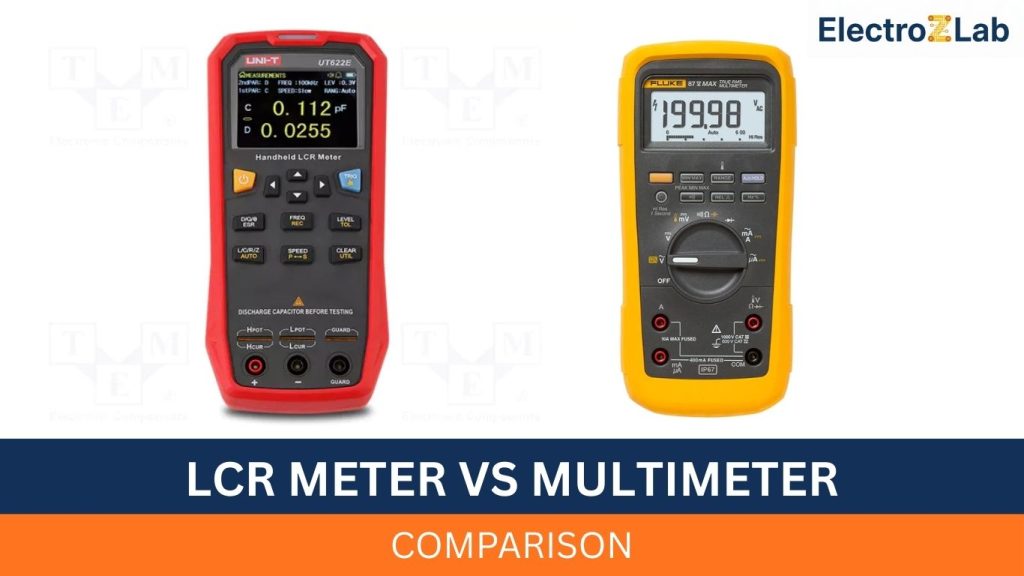
When deciding between these two testers, consider what you need to measure and how often. The Fluke 1587 is specialized for insulation testing, while the 87V handles a broader range of electrical troubleshooting. Think about your work environment and whether advanced features like data logging matter to you. Size and weight also affect how comfortable the device is during long use. It’s important to match the tool to your typical tasks to avoid frustration.
Who Finds These Multimeters Most Useful?
- Electricians needing insulation resistance testing
- Technicians who troubleshoot industrial equipment
- Users requiring detailed data logging for trends
- Professionals valuing rugged design for fieldwork
- Buyers looking for a compact, lightweight tester
- Those who want a device with high safety ratings
Where The Fluke 1587 Insulation Multimeter Shines
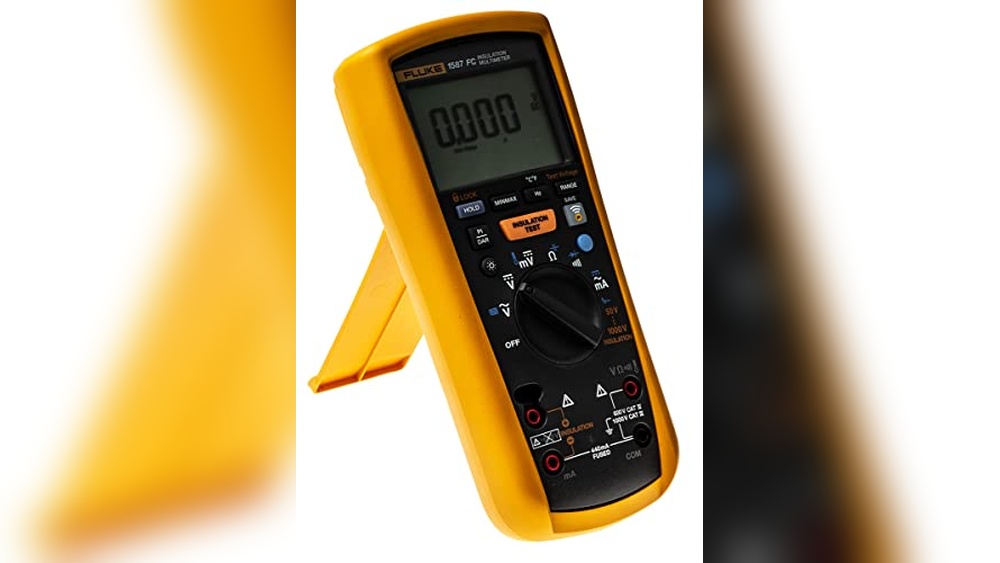
The Fluke 1587 is designed for thorough insulation resistance testing, making it ideal if you regularly check insulation health. I appreciate its app integration, which helps track test results over time without manual notes.
This model is bulkier and heavier, so it’s better suited for bench work or short-term handheld use rather than all-day carry. Its specialized functions justify its size if insulation testing is your priority.

Features That Bring Confidence
- PI/DAR with Trend It graphs for faster problem ID
- Memory storage via mobile app to reduce errors
- Temperature compensation for accurate baselines
- High insulation test voltage up to 1000V
- Robust build suitable for worksite conditions
Points to Consider Before Buying
- Heavier and larger than many testers
- Not designed for general multimeter tasks
When The Fluke 87v Is The Smarter Choice
The Fluke 87V fits well if you want a versatile digital multimeter for a variety of electrical measurements. I find its smaller size and lighter weight easier for extended use and fieldwork.
This tester excels in capturing fast transient events and offers safety ratings suited for industrial environments. It’s a solid all-rounder for troubleshooting beyond just insulation tests.

Advantages That Ease Troubleshooting
- Low-pass filter for accurate frequency on ASDs
- Peak capture to catch brief signal events
- Switchable display resolution for detailed readings
- CAT III 1000V and CAT IV 600V safety ratings
- Compact and lightweight design
Limitations to Keep in Mind
- Does not perform dedicated insulation resistance tests
- Fewer features for long-term data logging
Key Questions To Guide Your Choice
Do you need a device primarily for insulation resistance testing or for a wider range of electrical measurements? The 1587 focuses on insulation, while the 87V is a versatile multimeter.
Consider how much you value portability and weight. The 87V is lighter and easier to carry for extended periods.
Think about data handling. If logging and trend analysis via an app help your workflow, the 1587 offers that advantage.
Safety ratings matter if you work in high-risk environments. The 87V provides strong safety certifications suitable for industrial settings.
Finally, your budget and frequency of use should influence your decision. The 87V is more affordable and covers more general troubleshooting tasks.
A Neutral Look At Fluke 1587 Vs 87v
What type of measurements do you need?
Focus on whether insulation testing or general troubleshooting is your priority.
| Decision factor | Fluke 1587 Insulation Multimeter | Fluke 87V Industrial Multimeter |
|---|---|---|
| Primary function | Insulation resistance testing | General electrical measurements |
| Special feature | PI/DAR with Trend It graphs | Low-pass filter and Peak capture |
| Data logging | Via mobile app | Limited |
| Use case | Focused insulation tasks | Versatile troubleshooting |
This difference matters most to users with specialized vs. general measurement needs.
How important is portability?
Weight and size can affect comfort during extended use.
| Decision factor | Fluke 1587 Insulation Multimeter | Fluke 87V Industrial Multimeter |
|---|---|---|
| Weight | 5.18 pounds | 1.3 pounds |
| Dimensions | 4.2 x 11.3 x 14.1 inches | 3.5 x 6.5 x 9.49 inches |
| Ease of carrying | Less portable | More portable |
Portability is key for those working on the go or in tight spaces.
What safety and certifications do you need?
Check if your work environment demands specific safety ratings.
| Decision factor | Fluke 1587 Insulation Multimeter | Fluke 87V Industrial Multimeter |
|---|---|---|
| Safety rating | Not specified in detail | CAT III 1000V, CAT IV 600V |
| Application environment | General insulation testing | Industrial and high-risk areas |
Higher safety ratings suit industrial and high-voltage environments.
Avoiding Buyer’s Remorse With These Tools
Choosing the Fluke 1587 without needing insulation testing may leave you with unused features and extra bulk. Conversely, picking the 87V when you require detailed insulation data could lead to frustration.
Consider how often you will rely on app-based data storage and temperature compensation. If these features are unnecessary, the 1587 might be more than you need.
Also, think about comfort during extended use. The heavier 1587 might cause fatigue if carried all day.
Making A Confident Pick Between Fluke 1587 And 87v
Ultimately, your choice depends on whether insulation testing or versatile electrical troubleshooting is your main priority. Each tool suits a different core task well.
Weigh features like portability, data logging, and safety ratings against your typical work scenarios. That balance will guide you to a more satisfying purchase.
Rest assured, both are quality instruments from Fluke designed for professionals.
Common Questions About Fluke 1587 Vs 87v
Can the Fluke 87V test insulation resistance like the 1587?
No, the 87V does not have dedicated insulation resistance testing features. It focuses on general electrical measurements.
Is the Fluke 1587 suitable for everyday electrical troubleshooting?
It is specialized for insulation testing and less convenient for broad troubleshooting. The 87V is better for general use.
Does the Fluke 1587 support data logging?
Yes, it connects to a mobile app that stores measurements and helps track trends over time.
Which model is easier to carry for long periods?
The Fluke 87V is lighter and more compact, making it easier to carry all day.
Are both devices safe to use in industrial environments?
The 87V has specific safety ratings (CAT III 1000V, CAT IV 600V) suitable for industrial settings. The 1587’s safety ratings are less detailed.
What is the price difference between these two testers?
The Fluke 1587 is over twice as expensive as the 87V, reflecting its specialized functions.
Can the Fluke 87V capture intermittent faults?
Yes, it has Peak Capture to record short transient events as fast as 250 microseconds.

I’m Asif Ur Rahman Adib, an Electrical Engineer and lecturer. My journey began in the lab, watching students struggle with instruments they used every day without fully understanding them. Over time, I’ve combined teaching, research, and hands-on experience to help others grasp electrical concepts clearly, safely, and practically—whether it’s understanding a circuit or mastering a multimeter.