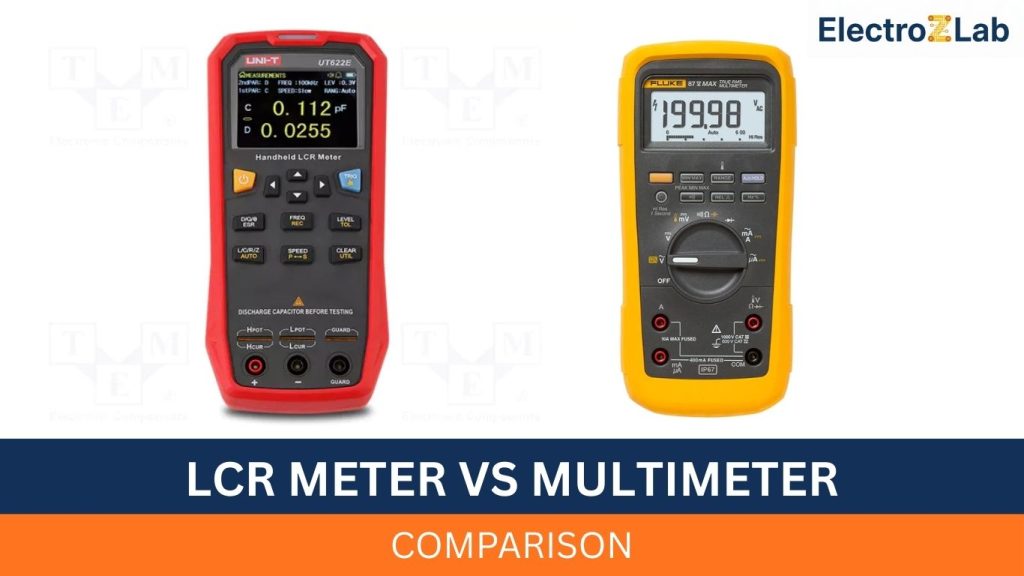
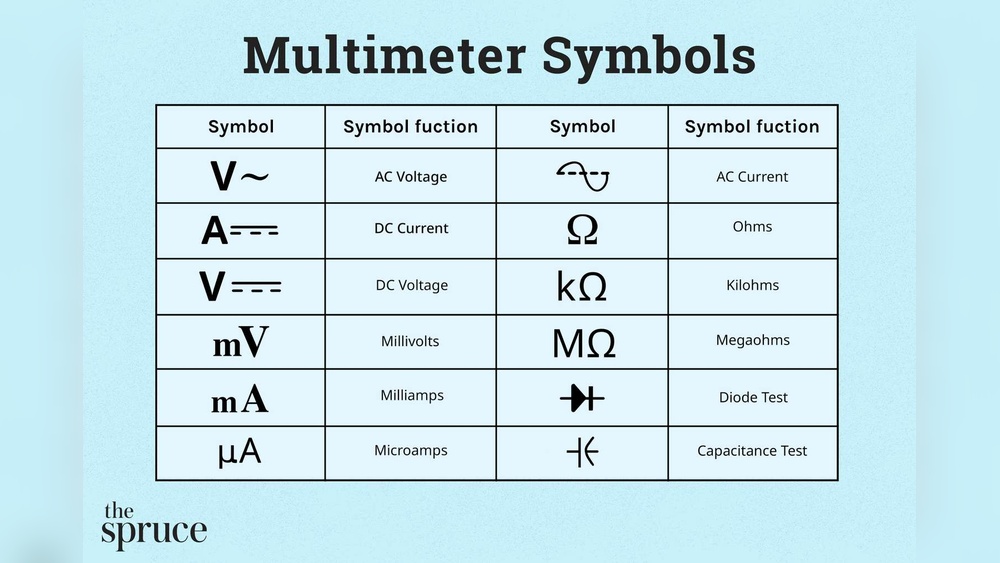
Are you confused about whether to use an AC or DC multimeter for your electrical projects? Understanding the difference between these two types of multimeters can save you time, money, and a lot of frustration.
Whether you’re troubleshooting your home wiring or working on a DIY electronics project, knowing which multimeter suits your needs is crucial. You’ll discover the key differences, how each one works, and which is best for your specific tasks. Keep reading to make smarter choices and get the most out of your multimeter.
Ac And Dc Basics
Understanding AC and DC is key to using a multimeter correctly. These two types of electricity have different behaviors. Knowing their basics helps you measure voltage and current safely and accurately.
This section explains what AC and DC are and how they differ. Clear knowledge here improves your skills with an AC vs DC multimeter.
What Is Ac?
AC stands for alternating current. The electric charge changes direction repeatedly. It moves back and forth many times each second. This type powers homes, offices, and many devices.
AC voltage also changes its value over time. It usually follows a smooth wave pattern called a sine wave. This helps electricity travel over long distances efficiently.
What Is Dc?
DC means direct current. The electric charge flows in one direction only. It keeps a steady voltage and current level. Batteries, solar panels, and many electronic gadgets use DC power.
DC power is simple and constant. It is easier to control in small circuits and devices. Many tools measure DC to check battery health and device performance.
Differences Between Ac And Dc
AC reverses direction many times per second, but DC flows one way. AC voltage changes continuously, while DC voltage stays steady. AC is common in power grids; DC is common in batteries.
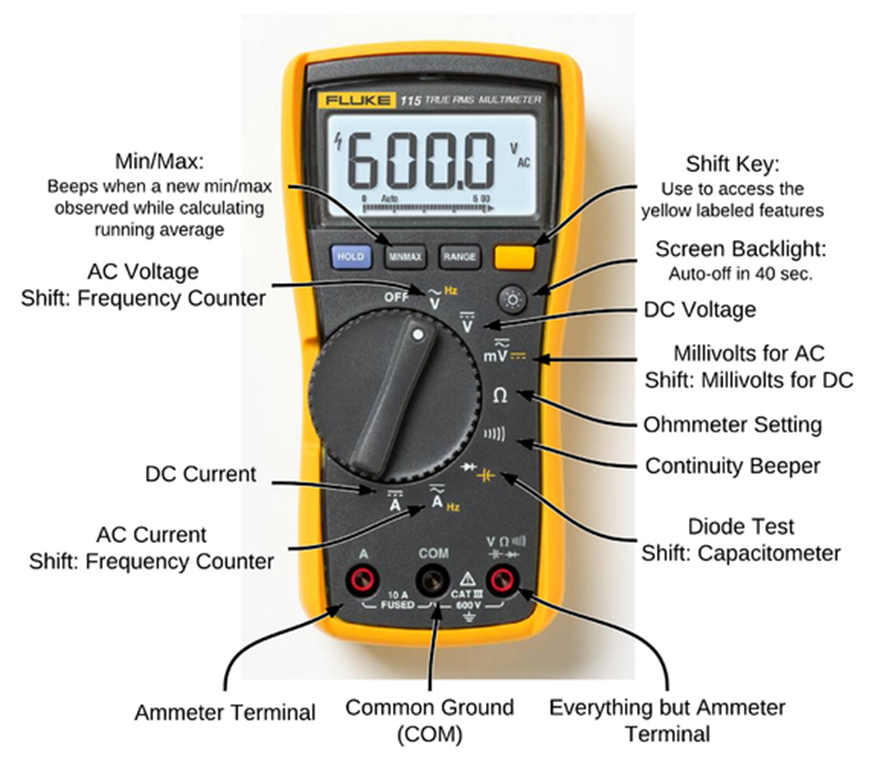
Measuring AC requires tools that handle changing values. DC measurement tools check stable voltage and current. Knowing these differences helps pick the right multimeter setting.
Credit: electricalnotebook.com
Types Of Multimeters
Multimeters come in different types for various electrical tasks. Each type has unique features that suit specific needs. Understanding these types helps in choosing the right tool for AC and DC measurements.
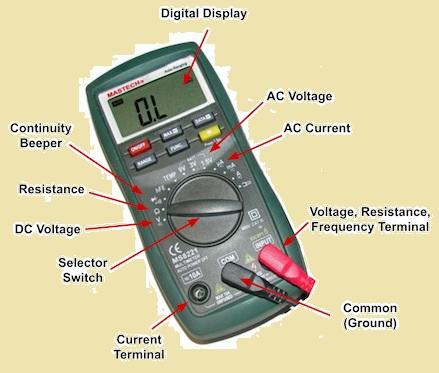
Multimeters measure voltage, current, and resistance. They work with both alternating current (AC) and direct current (DC). Some multimeters focus more on one type of current than the other.
Analog Vs Digital Multimeters
Analog multimeters use a needle to show readings. They are simple and good for basic checks. The needle moves over a scale to indicate values.
Digital multimeters show readings on a screen in numbers. They are easier to read and more accurate. Digital meters often have extra features like auto-ranging and data hold.
Multimeters For Ac Measurement
Multimeters for AC measure voltage and current in circuits that change direction. They are useful for home wiring and appliances. These meters often include frequency measurement to check power quality.
AC measurement requires careful handling because the voltage can be dangerous. Many multimeters have built-in safety features for AC use.
Multimeters For Dc Measurement
Multimeters designed for DC focus on steady voltage and current. They are common in battery testing and electronics repair. DC measurement helps check power supplies and circuits.
These multimeters often include a diode test and continuity check. This helps find faults in electronic parts and wiring.
Key Features To Consider
Choosing the right multimeter requires attention to several key features. These features ensure the device meets your measurement needs. They also affect accuracy and safety during use.
Accuracy And Resolution
Accuracy shows how close the reading is to the true value. Higher accuracy means better and more reliable results. Resolution is the smallest change a multimeter can detect. A good resolution helps measure tiny differences in voltage or current. Both accuracy and resolution matter for precise measurements.
Measurement Range
The measurement range tells you the limits of voltage, current, and resistance the multimeter can handle. A wide range allows testing many types of circuits and components. Check if the multimeter covers the values you need for your tasks. Some models have auto-ranging features to adjust the scale automatically.
Display And Interface
A clear and easy-to-read display helps avoid mistakes. Large digits and backlighting improve visibility in low light. Simple buttons and a user-friendly interface make the multimeter easier to operate. Some multimeters show multiple readings at once, which saves time.
Safety Ratings
Safety ratings protect users from electrical hazards. Look for CAT ratings like CAT II, CAT III, or CAT IV. Higher CAT levels mean better protection in different environments. Also, check for overload protection and insulated probes. These features reduce the risk of injury or damage.
Credit: www.sciencebuddies.org
Choosing The Right Multimeter
Choosing the right multimeter matters a lot. It helps you measure electrical values safely and accurately. Picking the best one depends on your needs and how you plan to use it. This section guides you through the key factors to consider. You will learn how to select a multimeter that fits your tasks and budget.
Purpose And Application
Think about what you want to measure. Do you need to check AC or DC voltage? Maybe both? Some multimeters handle only basic tasks. Others offer advanced features like testing resistance or continuity. For home use, a simple model may work well. For professional use, choose one with more functions. Match the multimeter to your specific projects.
Budget And Brand
Set a budget before buying. Multimeters vary in price from very cheap to quite expensive. Do not buy the cheapest if you need accuracy. Good brands often deliver better quality and reliability. They may last longer and give safer readings. Research trusted brands and read reviews. Invest in a multimeter that offers good value.
Portability And Durability
Consider where you will use the multimeter. Portable models are easy to carry and store. Look for compact size and lightweight design. Durability matters if you work outdoors or in tough conditions. Choose a multimeter with a strong casing and protective features. A rugged multimeter lasts longer and handles rough use.
Using Ac And Dc Multimeters Safely
Using AC and DC multimeters safely is very important. These tools measure electrical values like voltage and current. If not used correctly, they can cause injury or damage equipment. Understanding safe practices helps protect you and your devices. Always handle multimeters with care and attention. Follow simple rules to avoid accidents and ensure accurate readings.
Basic Safety Tips
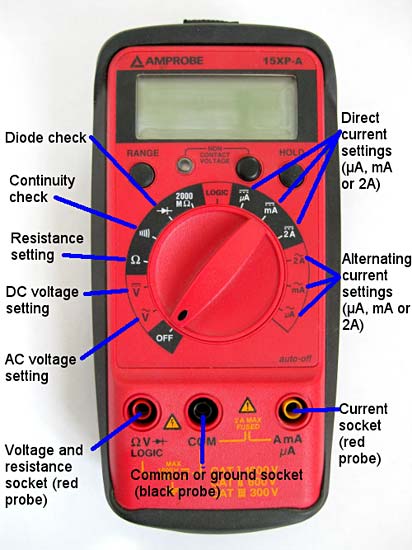
Always check the multimeter before use. Look for cracks or damaged wires. Use the right setting for AC or DC measurements. Never touch the metal tips during testing. Wear insulated gloves if needed. Keep the work area dry and clean. Turn off power before connecting the multimeter. Use one hand to avoid current passing through the body. Store the multimeter in a safe place when not in use.
Common Mistakes To Avoid
Do not use the wrong measurement mode. Mixing AC and DC settings can damage the multimeter. Avoid testing live circuits without proper knowledge. Never exceed the multimeter’s maximum voltage or current limits. Don’t ignore warning signs like sparks or burning smells. Avoid rushing the measurement process. Not reading the user manual leads to errors. Using faulty test leads causes inaccurate results. Replace batteries regularly to keep the device reliable.
Credit: www.nextpcb.com
Top Multimeter Recommendations
Choosing the right multimeter can be tough. Different needs require different tools. Here are top picks for various users.
Each multimeter listed measures both AC and DC voltage accurately. These tools suit beginners, professionals, and budget buyers.
Best For Beginners
The Klein Tools MM300 is simple and reliable. It has clear readings and easy controls. Safety features protect users from errors. Perfect for learning basic electrical tasks.
Best For Professionals
The Fluke 87V offers precise measurements and advanced functions. It handles complex tasks with ease. Durable design suits tough work environments. A trusted choice for experts.
Best Budget Options
INNOVA 3320 provides good accuracy at a low cost. It includes essential features for home use. Compact and lightweight for easy carrying. Great value without sacrificing quality.
Frequently Asked Questions
What Is The Difference Between Ac And Dc Multimeters?
AC multimeters measure alternating current, while DC multimeters measure direct current. Each type suits specific electrical testing needs. Using the correct meter ensures accurate readings and protects your devices from damage during measurement.
Can An Ac Multimeter Measure Dc Voltage?
No, an AC multimeter cannot accurately measure DC voltage. It is designed for alternating current signals only. For DC voltage, you must use a DC multimeter or a multimeter that supports both AC and DC measurements.
How To Choose Between Ac And Dc Multimeters?
Choose based on the type of current you need to measure. For household appliances, use AC multimeters. For batteries and electronics, use DC multimeters. Some multimeters offer both functions for versatile use.
Are Ac/dc Multimeters Safe For Beginners?
Yes, AC/DC multimeters with proper safety ratings are safe for beginners. Always follow instructions and use protective gear. Start with low voltage measurements to build confidence before tackling higher voltages.
Conclusion
Choosing between an AC and DC multimeter depends on your needs. AC meters measure alternating current, common in homes and appliances. DC meters check direct current, often found in batteries and electronics. Both tools help detect electrical issues safely and clearly.
Understanding their differences saves time and prevents mistakes. Always pick the right meter for your project. Simple tools, big help. Keep practicing to get comfortable using them. Your work will become easier and safer.

I’m Asif Ur Rahman Adib, an Electrical Engineer and lecturer. My journey began in the lab, watching students struggle with instruments they used every day without fully understanding them. Over time, I’ve combined teaching, research, and hands-on experience to help others grasp electrical concepts clearly, safely, and practically—whether it’s understanding a circuit or mastering a multimeter.