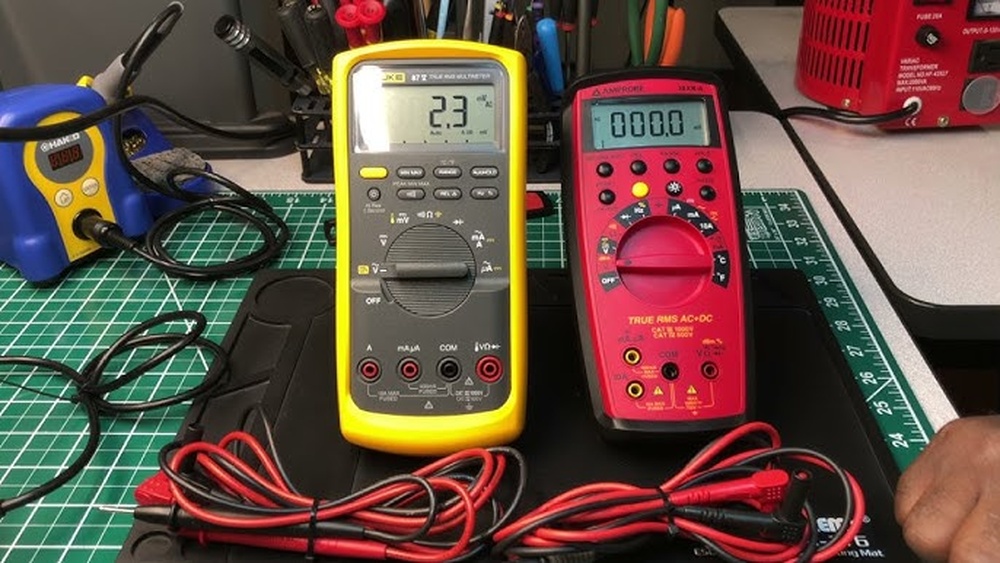
When it comes to choosing the right tool for your electrical work, you want something reliable, accurate, and easy to use. But with brands like Amprobe and Fluke both promising top-notch performance, how do you know which one fits your needs best?
This guide will help you cut through the noise and find the perfect match for your projects. Whether you’re a professional electrician or a DIY enthusiast, understanding the key differences between Amprobe and Fluke could save you time, money, and frustration.
Keep reading to discover which tool will power up your work the right way.

Credit: www.youtube.com
Brand Reputation
Brand reputation plays a big role in choosing tools like Amprobe and Fluke. Both brands have earned respect in the electrical and testing equipment markets. Their reputation affects user confidence and buying decisions. Let’s explore their history, market presence, and what customers say about them.
History And Market Presence
Fluke has a long history starting in 1948. It built a strong name with reliable and accurate tools. Fluke tools appear in many industries worldwide. Amprobe began in 1948 too but focused more on affordable, user-friendly meters. It grew steadily, serving technicians and electricians. Both brands have solid market presence, but Fluke often leads in professional settings.
Customer Trust And Reviews
Customers trust Fluke for its durability and precision. Reviews often praise Fluke for long-lasting performance. Users say Fluke tools handle tough jobs well. Amprobe receives positive feedback for value and ease of use. Many users find Amprobe meters good for basic to mid-level tasks. Both brands get high marks, but Fluke has a slight edge in professional trust.
Product Range
The product range of Amprobe and Fluke covers many types of tools for electrical and electronic work. Both brands offer a wide selection, but their focus varies slightly. Understanding their product range helps you choose the right tool for your needs.
Each brand designs tools to fit different tasks, from basic measurements to complex diagnostics. Their products serve professionals and hobbyists alike. Let’s explore their types of measurement tools and specialized equipment.
Types Of Measurement Tools
Amprobe provides multimeters, clamp meters, and voltage testers. These tools are easy to use and suitable for everyday tasks. Their meters often have clear displays and basic functions.
Fluke offers a broader selection of measurement tools. Their lineup includes digital multimeters, insulation testers, and thermal imagers. Fluke tools tend to have advanced features for precise readings.
Specialized Equipment
Amprobe’s specialized tools focus on HVAC and electrical installation. They offer tools like refrigerant leak detectors and electrical testers. These are designed for specific job requirements.
Fluke also provides specialized equipment with more variety. They have power quality analyzers, network testers, and advanced thermal cameras. These tools support detailed analysis and troubleshooting.
Accuracy And Performance
Accuracy and performance are key factors in choosing the right tool for electrical measurements. Both Amprobe and Fluke offer devices designed to deliver precise readings. Understanding how they compare in these areas helps users make informed decisions. This section explores their measurement precision and reliability in different conditions.
Measurement Precision
Fluke meters provide very accurate readings with minimal error. Their sensors are finely tuned for exact measurements. Amprobe devices also offer good precision but may show slight variations in some tests. Fluke’s advanced technology often results in clearer data. This precision is critical for tasks that demand exact numbers.
Reliability In Various Conditions
Fluke tools perform well in harsh environments like extreme temperatures and high humidity. They maintain consistent results even under tough conditions. Amprobe meters are durable too but sometimes face challenges in very rough settings. Fluke’s design focuses on stability and long-term reliability. This makes them trusted choices for fieldwork and industrial use.

Credit: www.fluke.com
Features And Technology
The features and technology of Amprobe and Fluke tools show clear differences. Both brands focus on accuracy and durability. They also offer unique tools for electricians and technicians. The technology inside these devices helps users get fast and reliable readings. Understanding their features helps you pick the best tool for your needs.
User Interface And Display
Amprobe tools have a simple, clear display. The screen shows measurements in large numbers. It uses backlight for working in dark spaces. The buttons are easy to press and well-spaced. This design helps users avoid errors and work faster.
Fluke meters offer a bright, high-resolution screen. They include color displays for better reading. The interface is intuitive with quick access to functions. Some models feature touchscreens for easier control. This makes using the meter smooth and efficient.
Advanced Functionalities
Amprobe includes basic but useful features. These are auto-ranging, data hold, and continuity tests. Some models add temperature and frequency measurement. The tools focus on essential functions for everyday tasks.
Fluke provides more advanced features. These include wireless data transfer and logging. Certain models have built-in Bluetooth for mobile apps. Many Fluke devices offer True RMS for accurate AC readings. These functions suit professionals who need detailed analysis.
Durability And Build Quality
Durability and build quality are key factors for choosing between Amprobe and Fluke tools. Both brands make devices for tough job sites. The tools must handle daily wear and tear. This section explores how each brand performs in material, design, and resistance to the environment.
Material And Design
Fluke tools often use high-quality plastic and rubber. These materials protect the device from drops and bumps. The design focuses on a comfortable grip and easy handling. Amprobe also uses sturdy plastic but may feel lighter. Their design tends to be simpler and straightforward. Both brands aim to make tools that last long and feel good in hand.
Resistance To Environmental Factors
Fluke tools usually have strong protection against dust and water. Many models meet industry standards for safety and durability. They work well in wet or dusty conditions. Amprobe offers similar protection but at a slightly lower level. Their tools can handle most job sites but may not be as rugged in extreme conditions. Both brands build tools to survive tough work environments.
Ease Of Use
Ease of use is a key factor for anyone choosing between Amprobe and Fluke tools. Both brands offer features that help users work faster and with less effort. This section breaks down how each brand performs in terms of comfort and starting up.
Ergonomics
Amprobe tools often have a lightweight design. This helps reduce hand fatigue during long jobs. Their grips are usually textured for better hold. Fluke tools tend to be slightly heavier but feel solid and durable. They have contoured shapes that fit well in the hand. Both brands aim to offer comfort but use different approaches to achieve it.
Setup And Calibration
Amprobe devices are generally easy to set up. Most models come ready to use right out of the box. Calibration steps are clear and simple. Fluke tools may require more initial setup but offer detailed instructions. Their calibration process is precise, ensuring accuracy over time. Both brands provide user manuals that make setup straightforward.
Price And Value
Price and value are key factors for many buyers choosing between Amprobe and Fluke tools. Both brands offer reliable products, but their costs and benefits differ. Understanding these differences helps you make a smart purchase that fits your budget and needs.
Cost Comparison
Amprobe tools generally cost less than Fluke tools. This makes Amprobe a good choice for those on a tight budget. Fluke products often come with higher prices due to advanced features and precision. You pay more for extra durability and accuracy with Fluke. Amprobe suits casual users and small projects. Fluke fits professionals who need top performance every day.
Warranty And Support
Both brands offer solid warranties, but Fluke’s coverage is usually longer. Fluke provides up to three years on many products. Amprobe often offers one to two years. Customer support is strong for both brands. Fluke has more service centers worldwide. Amprobe has good online resources and phone support. Warranty and support add value beyond the initial price. Consider this when deciding which tool to buy.
Popular Models Compared
Choosing the right tool matters for electricians and technicians. Both Amprobe and Fluke offer reliable options. Comparing their popular models helps to find the best fit. Each brand has strengths in features and pricing. This section looks at some top models from both brands.
Top Amprobe Models
The Amprobe AM-570 is a versatile multimeter. It measures voltage, current, and resistance accurately. It also tests temperature and frequency. This model suits both beginners and pros.
The Amprobe TMD-10 is a good thermal multimeter. It combines a digital multimeter and an infrared thermometer. It helps find hot spots quickly. Ideal for HVAC and electrical work.
The Amprobe ACD-14 is a clamp meter popular for current testing. It offers true RMS measurement. The design is compact and easy to hold. It is perfect for quick electrical checks.
Top Fluke Models
The Fluke 117 is a favorite for electricians. It provides non-contact voltage detection. The large display and backlight improve visibility. It measures voltage, current, and resistance with high accuracy.
The Fluke 87V is a professional-grade multimeter. It handles complex testing and industrial environments well. It features a large display and advanced functions.
The Fluke T5-600 is a simple tester with voltage, continuity, and current measurement. It works on both AC and DC circuits. The design is lightweight and easy to use.
Best Use Cases
Choosing the right tool depends on the task at hand. Amprobe and Fluke each excel in different areas. Understanding their best use cases helps pick the right meter for the job. Below are key areas where each brand shines.
Industrial Applications
Fluke meters are popular in industrial settings. They offer high accuracy and durability. These meters handle heavy use in tough environments well. Fluke tools measure voltage, current, and resistance precisely. They often include advanced features like thermal imaging. This helps detect electrical issues without contact.
Amprobe also performs well in industry. Their meters focus on reliability and ease of use. They suit technicians who need quick, clear readings. Some Amprobe models provide data logging for ongoing monitoring. This supports preventive maintenance in factories and plants.
Residential And Diy
Amprobe tools are great for home and DIY users. They provide simple functions with clear displays. These meters fit well for basic electrical checks. Homeowners can test outlets, circuits, and batteries easily. Amprobe offers affordable options without sacrificing quality.
Fluke also works for serious DIYers. Their meters add extra safety features. They help detect wiring faults and potential hazards. Fluke’s user-friendly design supports accurate troubleshooting. This makes home repairs safer and more confident.

Credit: testermans.co.uk
Frequently Asked Questions
What Are The Main Differences Between Amprobe And Fluke?
Amprobe and Fluke differ in price, features, and durability. Fluke offers premium accuracy and rugged design. Amprobe provides budget-friendly tools with essential functions. Both brands serve electricians well but target different user needs and budgets.
Which Brand Is More Accurate: Amprobe Or Fluke?
Fluke is generally more accurate due to advanced sensor technology. Amprobe accuracy suits basic electrical tasks. For precision-critical work, Fluke is preferred. Amprobe fits well for standard troubleshooting and home use.
Are Amprobe Tools Better For Beginners Than Fluke?
Yes, Amprobe tools are often more user-friendly and affordable. They offer simpler interfaces ideal for beginners. Fluke tools cater to professionals needing advanced features. Beginners benefit from Amprobe’s straightforward functionality and lower cost.
How Does The Price Of Amprobe Compare To Fluke?
Amprobe tools are usually more affordable than Fluke. Fluke’s higher price reflects advanced technology and durability. Amprobe is a cost-effective choice for basic electrical testing. Budget-conscious users often choose Amprobe without compromising essential features.
Conclusion
Both Amprobe and Fluke offer reliable tools for electricians and technicians. Amprobe provides solid features at a lower price. Fluke stands out with advanced technology and durability. Choosing depends on your budget and needs. Consider what features matter most to you.
Either brand can help you get the job done right. Quality tools make work safer and easier. Take time to compare before deciding. Your choice will support your work for years. Simple, effective tools make a big difference.

I’m Asif Ur Rahman Adib, an Electrical Engineer and lecturer. My journey began in the lab, watching students struggle with instruments they used every day without fully understanding them. Over time, I’ve combined teaching, research, and hands-on experience to help others grasp electrical concepts clearly, safely, and practically—whether it’s understanding a circuit or mastering a multimeter.