Choosing Between Fluke I400 And I400s For Current Measurement
Deciding between the Fluke I400 and I400S depends on your specific measurement needs. Both measure AC current up to 400 amps but serve slightly different user profiles. Consider how you connect your clamp meter and what kind of equipment you already own. Safety ratings and ease of use also weigh in. Understanding these factors can prevent buyer’s remorse. It’s about matching the tool to your workflow. This choice can impact your long-term satisfaction.
Who Typically Chooses Each Model
- Electricians needing a simple clamp for quick current checks.
- Technicians who use digital multimeters regularly.
- Users requiring easy readability without circuit interruption.
- Professionals looking for a clamp with advanced connector options.
- Those valuing compact dimensions and lightweight design.
- Buyers focused on safety certifications for industrial use.
When The Fluke I400 Current Clamp Fits Best
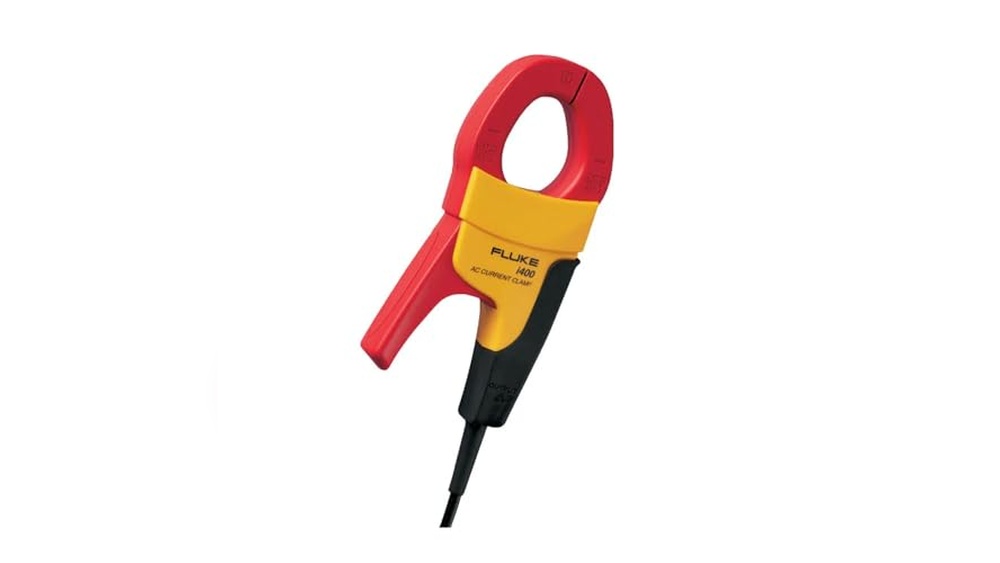
If you want a straightforward clamp to complement your digital multimeter, the Fluke I400 is a solid choice. I find it practical for taking accurate readings without disconnecting circuits, which saves time and reduces hassle.

Features That Ease Use and Reliability
- Compatible with digital multimeters to measure up to 200A AC.
- Output of 1mA per amp for clear meter reading.
- Allows current readings without circuit interruption.
- Supports conductors up to 20mm diameter.
- CAT III 600V safety rating for industrial environments.
Considerations That Could Influence Your Choice
- Its larger width may be less convenient in tight spaces.
- Lacks advanced connector options like BNC.
Why You Might Prefer The Fluke I400s Clamp Meter
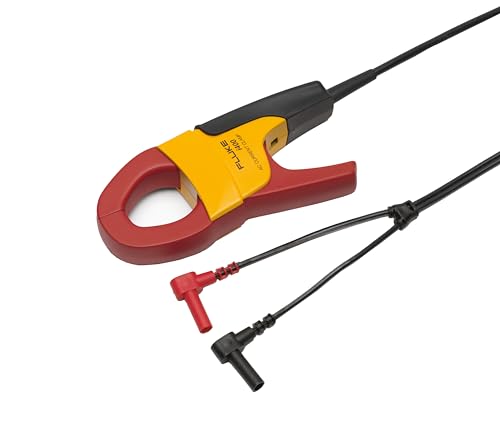
I appreciate the Fluke I400S for its advanced connectivity and modern design. If you require a clamp meter with BNC connector compatibility and a more compact build, this model fits well.
Benefits That Make This Clamp Stand Out
- Equipped with a BNC connector for versatile signal output.
- Compact size and lighter width for easier handling.
- State-of-the-art technology tailored for professionals.
- Designed for continuous modernization and reliability.
- High build quality from a reputable manufacturer.
Potential Limitations to Be Aware Of
- Higher overall sales rank may reflect less frequent use or popularity.
- Heavier weight compared to simpler models.
- Price and availability details may vary.
Key Questions That Help You Decide Clearly
Do you already own a digital multimeter that pairs well with a simple clamp? If yes, the basic model might be enough. How important is a BNC connector for your measurements? This could shift your preference to the advanced clamp. Consider the physical size and weight if you work in tight or mobile environments. Safety ratings and conductor size compatibility also impact your choice. Finally, think about how often you will use the clamp and in what conditions.
Comparing Fluke I400 And I400s At A Glance
Compatibility and Connectivity
Which clamp works better with your existing tools and output needs?
| Decision factor | Fluke I400 Current Clamp | Fluke I400S Current Clamp with BNC |
|---|---|---|
| Connector Type | Standard output for multimeters | BNC connector for advanced signal output |
| Use Case | General AC current measurement | Professional and specialized applications |
| Compatibility | Companion for digital multimeters | Designed with state-of-the-art technology |
| Who it matters for | Simple multimeter users | Users needing modern connectivity |
Physical Size and Weight
Does the tool’s size affect your working comfort and portability?
| Decision factor | Fluke I400 Current Clamp | Fluke I400S Current Clamp with BNC |
|---|---|---|
| Width | 17.8 inches | 6.97 inches |
| Weight | 0.9 pounds | 1.06 pounds |
| Compactness | Less compact | More compact and easier to handle |
| Who it matters for | Users prioritizing simplicity | Users needing mobility and ease |
Safety and Measurement Range
How important are safety ratings and conductor size limits in your work?
| Decision factor | Fluke I400 Current Clamp | Fluke I400S Current Clamp with BNC |
|---|---|---|
| Safety Rating | CAT III 600V | Not explicitly stated |
| Max Conductor Diameter | 20mm | Not specified |
| Who it matters for | Industrial or high-safety environments | General use with modern tech features |
What Could Lead To Buyer’s Regret
Choosing the simpler clamp without advanced connectors might limit your future testing options. On the other hand, opting for the advanced clamp without needing its features could mean unnecessary expense or complexity. Ignoring size and weight differences may cause discomfort during extended use. Confirming compatibility with your multimeter avoids frustration. Balancing features with your actual needs is key to satisfaction.
Finding Peace In Your Fluke Clamp Purchase
Both the Fluke I400 and I400S are reliable current clamps with solid reputations. Your decision should reflect how you intend to use the tool and what connections you require. Taking time to weigh these aspects helps you avoid common pitfalls.
Rest assured, either choice offers Fluke’s quality and durability. You can feel confident knowing your clamp fits your practical needs.
Common Questions About Fluke I400 Vs I400s
Can the Fluke I400S be used with any digital multimeter?
The I400S is designed with a BNC connector, which may require an adapter for some multimeters. It’s best to check compatibility with your specific device before purchase.
Is the conductor size limitation different between these two clamps?
The Fluke I400 specifies a maximum conductor diameter of 20mm. The I400S does not clearly state this, so if conductor size is critical, the I400 might be safer.
Which clamp is easier to carry and handle?
The I400S is more compact in width and slightly heavier, but its smaller size can make it easier to handle in tight spaces. The I400 is wider but lighter.
Are both clamps equally safe for industrial use?
The I400 has a CAT III 600V safety rating, suitable for many industrial settings. The I400S does not explicitly list this rating, so consider your safety requirements carefully.
Do both models measure the same current range?
Yes, both clamps measure up to 400 amps AC current, suitable for similar applications.
Will I need extra accessories to use the I400S?
Depending on your multimeter and testing setup, you may need adapters for the BNC connector on the I400S. This is less likely with the I400.
Is there a significant price difference to consider?
Pricing can fluctuate, but generally, the I400S may be priced higher due to its advanced features. Checking the latest price before deciding is recommended.

I’m Asif Ur Rahman Adib, an Electrical Engineer and lecturer. My journey began in the lab, watching students struggle with instruments they used every day without fully understanding them. Over time, I’ve combined teaching, research, and hands-on experience to help others grasp electrical concepts clearly, safely, and practically—whether it’s understanding a circuit or mastering a multimeter.