Choosing Between Fluke I400 And I410: What You Need To Know
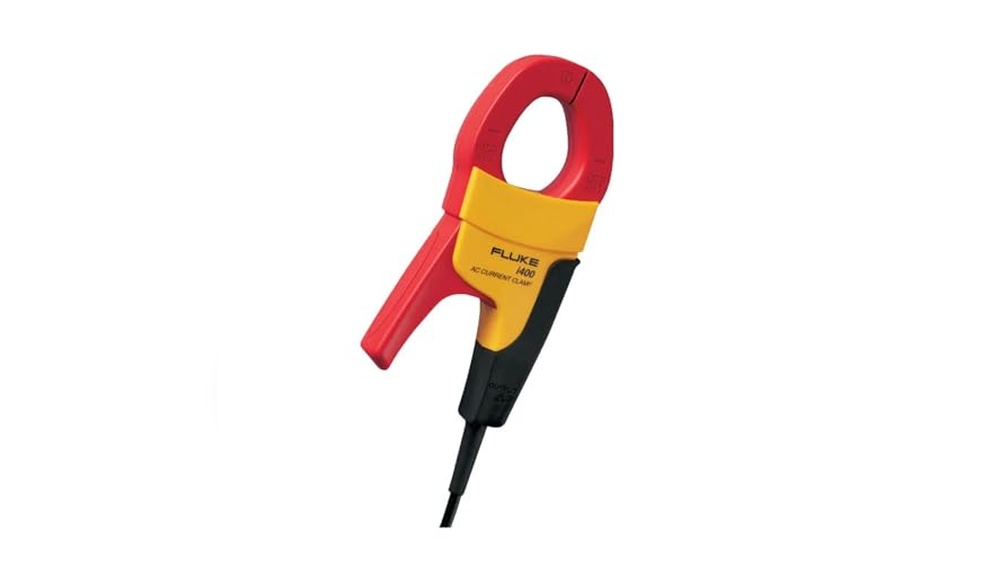
When looking for a current clamp, the Fluke I400 and I410 often come up as options. Both serve similar purposes but have subtle differences. This can make the choice confusing. Buyers want to pick the best fit for their needs without getting overwhelmed. This article aims to clear up the confusion and guide you to a confident decision.
Why Comparing Fluke I400 And I410 Can Be Tricky
First, marketing materials often sound very similar for both models. This makes it hard to tell what truly sets them apart. The language focuses on safety and accuracy but doesn’t highlight everyday use differences.
Second, the specifications can be confusing. Both clamps measure up to 200A AC and share a CAT III 600V safety rating. But details like size, weight, and whether they handle DC current can be overlooked or misunderstood.
Third, buyers sometimes focus on the wrong priorities. Some want the smallest tool, others want compatibility with multiple meters. Without clear guidance, it’s easy to choose based on incomplete information.
Who Benefits Most From Each Fluke Current Clamp
If you are a professional electrician who frequently measures AC current and values a compact tool, the Fluke I400 fits well. It’s lighter and smaller, making it easy to carry all day.
For technicians who need to measure both AC and DC current, the Fluke I410 is more suitable. It covers more applications thanks to its AC/DC capability.
Casual users who only occasionally check current might prefer the simpler I400. It offers straightforward use without extra features they won’t use.
Those who prioritize having the latest model with slightly larger dimensions for comfort might lean toward the I410. It has a bigger clamp opening and slightly different ergonomics.
Buyers focused on safety and durability will find both models meet high standards, but the I410’s design may offer a sturdier feel. Overall, the I400 suits lightweight needs, while the I410 suits versatile measuring.
Where The Fluke I400 Fits Naturally
I use the Fluke I400 for daily AC current checks. It feels light and easy to handle during long jobs. Its compact size fits well in my toolbox without taking much space.
Over time, the I400 remains reliable and consistent in readings. It’s a tool I trust to work without fuss. However, it doesn’t measure DC current, which limits some tasks.
The clamp size is enough for most standard wires but may not suit thicker cables. This is a tradeoff for its smaller form.

What works well over time
- Lightweight and easy to carry
- Accurate AC current readings
- Compact size fits small toolkits
- Good safety rating (CAT III 600V)
- Simple to use with digital multimeters
Things that may bother some users
- Cannot measure DC current
- Clamp opening limited to 20mm conductor diameter
- May feel small for users with large hands
Where The Fluke I410 Makes More Sense
I rely on the Fluke I410 when I need to measure both AC and DC currents. Its ability to handle DC current expands the range of tasks I can do with one tool. Though larger, it still fits comfortably in my toolkit.
The larger clamp and size offer a better grip for longer use. It suits technicians who work with diverse electrical systems. The added weight is noticeable but not burdensome.
One limitation is its slightly bigger size which may not fit in very tight spaces. This is the tradeoff for its expanded functionality.

What works well over time
- Measures both AC and DC currents
- Comfortable larger grip
- High safety rating (CAT III 600V)
- Accurate readings without circuit break
- Fits well for diverse applications
Things that may bother some users
- Heavier than I400
- Larger size may not fit very tight spaces
- More expensive option
Early Signals That Influence Your Choice
One early signal is the need to measure DC current. If that is important, your choice leans to the Fluke I410. The I400 does not offer this feature.
Size and weight are other immediate factors. The I400 is smaller and lighter, appealing if portability is key. The I410 is bigger but still manageable.
Another signal is the complexity of tasks you expect. For simple AC measurements, the I400 suffices. For mixed AC/DC or more technical jobs, the I410 suits better.
Finally, budget considerations may influence early decisions. The I400 is generally more affordable. If price sensitivity is high, it may be the preferred pick.
Safety ratings are similar, so they rarely push the choice one way or another.
Comparing Key Decision Signals
This table summarizes how each current clamp aligns with early buyer concerns.
| Decision signal (before buying) | Fluke I400 | Fluke I410 |
|---|---|---|
| Ability to measure DC current | No | Yes |
| Size and weight | Smaller and lighter (0.9 lbs) | Larger and lighter (0.66 lbs but bigger volume) |
| Clamp opening diameter | 20mm max conductor | 20mm max conductor |
| Suitability for compact toolkits | Better fit | Less compact |
| Price sensitivity | Generally lower price | Generally higher price |
| Safety rating | CAT III 600V | CAT III 600V |
What Living With Fluke I400 And I410 Is Like
Maintaining either clamp is straightforward. Neither requires frequent calibration beyond basic meter care. The rugged build means they hold up well to daily use.
The I400 tends to become a lightweight favorite for routine AC jobs. Its consistency reduces mental load over time. You don’t have to worry about extra features you won’t use.
The I410 offers flexibility, but that can mean a slight adjustment period. The weight and size may be noticeable during extended use. However, the ability to measure DC current creates trust for varied tasks.
Minor annoyances include the I400’s limited clamp size and the I410’s bulk. Both models maintain accuracy and reliability even after months of use.
Users report feeling confident with both tools, appreciating Fluke’s quality standards. Trust builds as you repeatedly get precise readings.
Long-term Ownership Comparison
Here is how the two compare after weeks or months in real use.
| Ownership reality (after weeks/months) | Fluke I400 | Fluke I410 |
|---|---|---|
| Reliability | Consistent AC readings | Consistent AC/DC readings |
| Fit with daily habits | Light, easy to carry | Comfortable grip, slightly heavier |
| Mental load | Simple, straightforward | More versatile, requires attention to mode |
| Satisfaction | Good for AC-only tasks | Better for mixed current tasks |
| Maintenance needs | Minimal | Minimal |
| Durability | Robust for everyday use | Robust with slightly larger size |
Common Mistakes Buyers Make When Choosing
One mistake is assuming both clamps measure DC current. Only the I410 does. Avoid this by checking specs carefully before buying.
Another error is focusing solely on price. The cheaper option may not fit your needs if you require DC measurement.
Some buyers overlook size and comfort, choosing a tool that feels bulky for their hands. Testing grip or checking dimensions helps avoid this.
Ignoring clamp diameter limits can cause issues. Both clamps fit up to 20mm conductors. Larger cables need a different tool.
Lastly, buyers sometimes forget to consider long-term use. A tool that fits daily habits is better than one chosen only for specs.
Making The Right Choice For Your Situation
If your work focuses on AC current and you value a lightweight, compact tool, the Fluke I400 is a sensible choice. It fits well in tight spaces and everyday toolkits.
If you need to measure both AC and DC currents and prefer a tool that handles diverse tasks, the Fluke I410 makes more sense. Its size and grip support longer use in varied environments.
Remember, the best tool is the one that matches your actual needs and habits. Specifications matter, but comfort and practical use matter more in the long run.
Faqs About Fluke I400 Vs I410
Can the Fluke I400 measure DC current?
No, the Fluke I400 is designed for AC current measurement only. For DC current, the Fluke I410 is needed.
Are both clamps safe to use on high voltage systems?
Yes, both have a CAT III 600V safety rating, making them suitable for many electrical environments.
Which clamp is lighter and more portable?
The Fluke I400 is lighter and smaller, making it easier to carry for extended periods.
Does the Fluke I410 have a larger clamp opening?
Both clamps support a maximum conductor diameter of 20mm, so the opening size is similar.
Is there a significant price difference between the two?
The Fluke I410 tends to be more expensive due to its AC/DC capability. Prices vary by retailer.
Which clamp is better for professional technicians?
It depends on the tasks. For AC-only work, the I400 is sufficient. For AC and DC work, the I410 is preferred.
Can these clamps be used with any digital multimeter?
They are companions to digital multimeters that accept 1mA per amp input signals. Compatibility should be checked with your meter.
Do these clamps require special maintenance?
No special maintenance is needed beyond normal care and calibration checks for your multimeter.

I’m Asif Ur Rahman Adib, an Electrical Engineer and lecturer. My journey began in the lab, watching students struggle with instruments they used every day without fully understanding them. Over time, I’ve combined teaching, research, and hands-on experience to help others grasp electrical concepts clearly, safely, and practically—whether it’s understanding a circuit or mastering a multimeter.