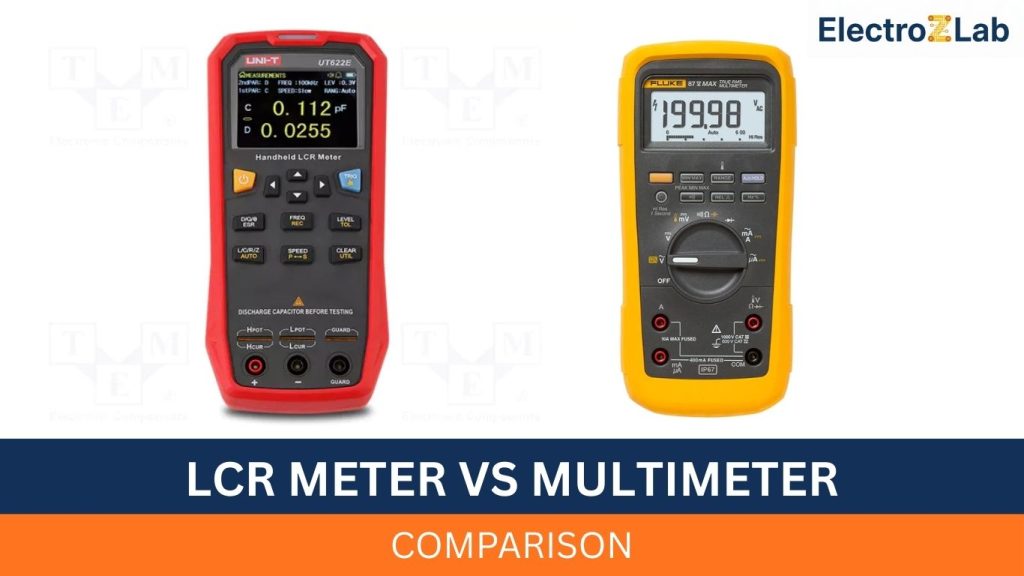
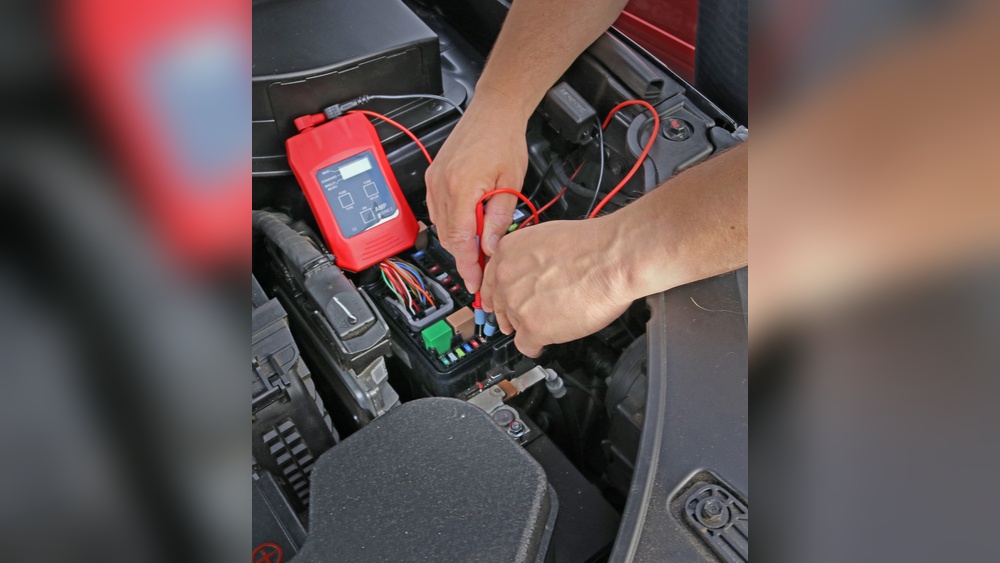
Are you trying to figure out whether an Amp Hound or a multimeter is the right tool for your electrical work? Choosing the right device can save you time, prevent mistakes, and keep you safe.
But with so many options out there, it’s easy to feel overwhelmed. This article will help you understand the key differences between an Amp Hound and a multimeter, so you can make the best choice for your needs. Keep reading, because what you learn here could change the way you handle your electrical projects forever.

Credit: www.smartmedia.hu
Amp Hound Basics
The Amp Hound is a tool for measuring electrical current safely and quickly. It helps electricians and technicians check how much current flows through a wire without cutting or disconnecting it. This device is useful in many settings, from homes to industrial sites.
Understanding the Amp Hound basics helps in choosing the right tool. It offers a different approach compared to traditional multimeters. Let’s explore its key features, how it works, and common uses.
Key Features
The Amp Hound uses clamp technology to measure current. It can detect both AC and DC currents. Its design is compact and easy to carry. The display is clear and shows readings instantly. It has a high safety rating for electrical work. Battery life is long, supporting extended use. The device requires no direct contact with wires.
How It Works
The Amp Hound clamps around a single conductor. It senses the magnetic field created by current flow. Then, it converts this magnetic field into a current reading. This process avoids breaking the circuit. It shows results on a digital screen quickly. The tool can measure current without disconnecting wires.
Common Applications
Electricians use the Amp Hound to troubleshoot electrical circuits. It helps check current in motors and machines. It works well for monitoring power in homes and buildings. Technicians use it for preventive maintenance. It also measures current in automotive electrical systems. The tool is ideal for fast, safe current checks.
Multimeter Essentials
A multimeter is a tool used to measure electrical values. It helps check voltage, current, and resistance in circuits. This device is important for electricians, hobbyists, and engineers.
Understanding how a multimeter works and what it measures is key. It allows you to diagnose problems and ensure safety. Let’s explore its core functions, measurement methods, and typical uses.
Core Functions
Multimeters measure voltage, current, and resistance. Voltage shows the electric force in a circuit. Current tells how much electricity flows. Resistance measures how hard it is for electricity to pass.
Some multimeters also test continuity, diodes, and capacitance. These functions help check if parts work correctly. Basic multimeters cover the essential measurements needed for most tasks.
Measurement Methods
There are two main types of multimeters: analog and digital. Analog meters use a needle to show values. Digital meters show numbers on a screen. Digital multimeters are easier to read and more accurate.
Measurements are taken by placing probes on circuit points. The multimeter then displays the value. Proper use requires setting the device to the correct mode and range.
Typical Uses
Multimeters are used in many fields. Electricians check wiring and outlets for safety. Mechanics test car batteries and electrical systems. Hobbyists use them for DIY electronics projects.
They also help find broken circuits or faulty components. Multimeters save time and prevent damage by spotting issues early.
Accuracy In Current Testing
Accuracy in current testing is vital for reliable electrical measurements. It ensures safety and proper functioning of devices. Both Amp Hound and multimeters serve this purpose but differ in precision. Understanding what affects their accuracy helps choose the right tool.
Factors Affecting Precision
Several factors affect how precise current measurements are. The quality of the sensor plays a key role. External interference like magnetic fields can cause errors. The type of current, AC or DC, also matters. User handling impacts the reading’s steadiness and correctness.
Calibration Importance
Calibration keeps devices measuring correctly over time. Without it, readings drift and lose trustworthiness. Regular calibration adjusts tools to known standards. Both Amp Hound and multimeters need this process. Calibration frequency depends on usage and environment conditions.
Measurement Techniques
Measurement methods influence accuracy greatly. Amp Hound uses clamp-on sensors, which avoid breaking the circuit. Multimeters often require direct contact with wires. Proper placement of probes or clamps ensures better results. Taking multiple readings helps confirm accuracy.
Amp Hound Advantages
The Amp Hound offers several clear advantages over a traditional multimeter. It simplifies current measurement and improves accuracy. This device helps users work faster and with fewer errors.
Its design focuses on ease and precision, making it ideal for both beginners and experts. Below are some key benefits of the Amp Hound that stand out.
Ease Of Use
The Amp Hound is simple to operate. It clips easily around wires without disconnecting them. This saves time and effort during testing. The clear display shows readings instantly. No complex setup or skills are needed.
Enhanced Sensitivity
This tool detects very small electrical currents. It can measure currents that many multimeters miss. Such sensitivity helps find hidden faults quickly. Precise readings improve troubleshooting and maintenance tasks.
Data Logging Features
The Amp Hound can record current readings over time. This lets users track changes and spot trends. Stored data can be reviewed on a computer for deeper analysis. It supports better decision-making and detailed reports.
Multimeter Strengths
Multimeters are essential tools for anyone working with electrical systems. They offer several strengths that make them a popular choice among professionals and hobbyists alike. Understanding these strengths helps in choosing the right tool for your needs.
Versatility
Multimeters measure voltage, current, and resistance all in one device. They can test batteries, circuits, and electrical outlets. Many models also measure temperature and continuity. This wide range of functions makes multimeters useful for many tasks. You do not need separate tools for different measurements.
Portability
Most multimeters are compact and lightweight. They easily fit into toolboxes or pockets. This makes them easy to carry on job sites or at home. The small size allows for quick tests without much setup. Portability adds convenience for daily use and travel.
Cost-effectiveness
Multimeters are generally affordable for most users. Buying one tool instead of many saves money. Basic models offer good accuracy for common tasks. Even advanced multimeters come at reasonable prices. This makes them accessible for beginners and professionals alike.

Credit: snow-home.com
Comparing Performance
Comparing the performance of an Amp Hound and a multimeter reveals key differences. Both tools measure electrical current but serve different purposes. Understanding these differences helps choose the right tool for your needs.
Range And Resolution
The Amp Hound specializes in measuring high current with a wide range. It can handle large amps without breaking or losing accuracy. Multimeters offer good range too but usually handle lower currents better. Resolution in Amp Hounds is designed for current, while multimeters focus on voltage and resistance. This means Amp Hounds show more precise current readings at higher levels.
Response Time
Amp Hounds respond quickly to changes in current. This makes them ideal for monitoring fluctuating electrical loads. Multimeters often have slower response times, especially in manual mode. They are better suited for steady or slow-changing signals. Quick response helps detect spikes or drops in current instantly, which is vital in many electrical tests.
Safety Considerations
Amp Hounds usually feature better insulation and protection for high-current use. They reduce the risk of electric shocks during measurement. Multimeters also have safety features but may not handle very high currents safely. Using the correct tool for the current level is important for personal safety. Always check the safety ratings before use to prevent accidents.
Choosing The Right Tool
Choosing the right tool between an Amp Hound and a multimeter can make a big difference in your work. Both tools measure electrical currents but serve different purposes. Picking the right one depends on what you need and how you will use it. This section helps you decide by looking at your needs, budget, and experience level.
Application-specific Needs
Amp Hounds are great for measuring high currents quickly. They work well for testing large wires and circuits. Multimeters offer more functions like voltage, resistance, and continuity tests. They suit smaller electrical tasks and detailed troubleshooting. Choose based on the type of job you do most often.
Budget Constraints
Amp Hounds usually cost more than basic multimeters. They are a good investment for frequent use on big projects. Multimeters come in many price ranges, from budget to advanced models. Pick a tool that fits your budget but still meets your needs. Spending wisely saves money and avoids buying extra gear.
User Experience Level
Beginners find multimeters easier to use and understand. They have clear displays and simple settings. Amp Hounds may need more training to handle safely and accurately. Experienced users value their speed and precision. Match the tool with your skill level for better results and safety.
Best Practices For Current Testing
Testing electrical current safely and accurately requires the right approach. Whether you use an Amp Hound or a multimeter, following best practices helps avoid mistakes. Careful preparation and proper handling protect both the user and the equipment. This guide covers key steps to ensure reliable current measurements.
Proper Setup
Start by choosing the correct tool for the current range. Set the meter to the right measurement mode. Connect the test leads firmly to avoid loose contacts. Always check that the device is rated for the voltage you will test. Use clamps or probes as instructed by the manufacturer. Make sure the circuit is powered off before connecting the meter. Confirm your connections before turning the power back on.
Avoiding Common Errors
Do not exceed the meter’s current limits. Avoid touching bare wires during testing. Never test in wet or damp conditions. Watch for incorrect polarity connections. Avoid measuring current on live circuits without proper insulation. Be cautious of sudden current spikes that can damage the meter. Double-check settings if readings seem off or unstable.
Maintenance Tips
Clean the meter and accessories after each use. Store the tool in a dry, safe place. Replace test leads if they show cracks or wear. Check the battery regularly and replace when low. Calibrate the meter according to the manufacturer’s schedule. Inspect clamps and connectors for corrosion or damage. Proper care extends the life and accuracy of your meter.

Credit: snow-home.com
Frequently Asked Questions
What Is The Main Difference Between Amp Hound And Multimeter?
Amp Hound measures current without disconnecting wires. Multimeter measures voltage, current, and resistance with direct connections. Amp Hound is faster and safer for current checks. Multimeter offers more versatile electrical measurements but requires circuit breaks.
Can Amp Hound Replace A Multimeter For All Tasks?
No, Amp Hound only measures current safely and quickly. Multimeter performs a wider range of tests like voltage and resistance. For comprehensive electrical diagnostics, a multimeter is necessary alongside an Amp Hound.
How Accurate Is Amp Hound Compared To A Multimeter?
Amp Hound provides highly accurate current measurements without circuit interruption. Multimeters offer precise readings for multiple parameters but need direct contact. Both tools are reliable, but Amp Hound specializes in current measurement accuracy.
When Should I Use An Amp Hound Over A Multimeter?
Use Amp Hound when you need quick, non-intrusive current readings. It’s ideal for live circuits without disconnecting wires. Use a multimeter for detailed electrical testing or when measuring voltage and resistance.
Conclusion
Choosing between an Amp Hound and a multimeter depends on your needs. Amp Hounds measure current quickly without disconnecting wires. Multimeters offer more functions like voltage and resistance checks. Both tools have their strengths in electrical work. Think about what tasks you do most often.
Then pick the tool that fits best. Each tool helps you understand electrical systems better. Use the right device to save time and effort. This way, you work smarter and safer on your projects.

I’m Asif Ur Rahman Adib, an Electrical Engineer and lecturer. My journey began in the lab, watching students struggle with instruments they used every day without fully understanding them. Over time, I’ve combined teaching, research, and hands-on experience to help others grasp electrical concepts clearly, safely, and practically—whether it’s understanding a circuit or mastering a multimeter.