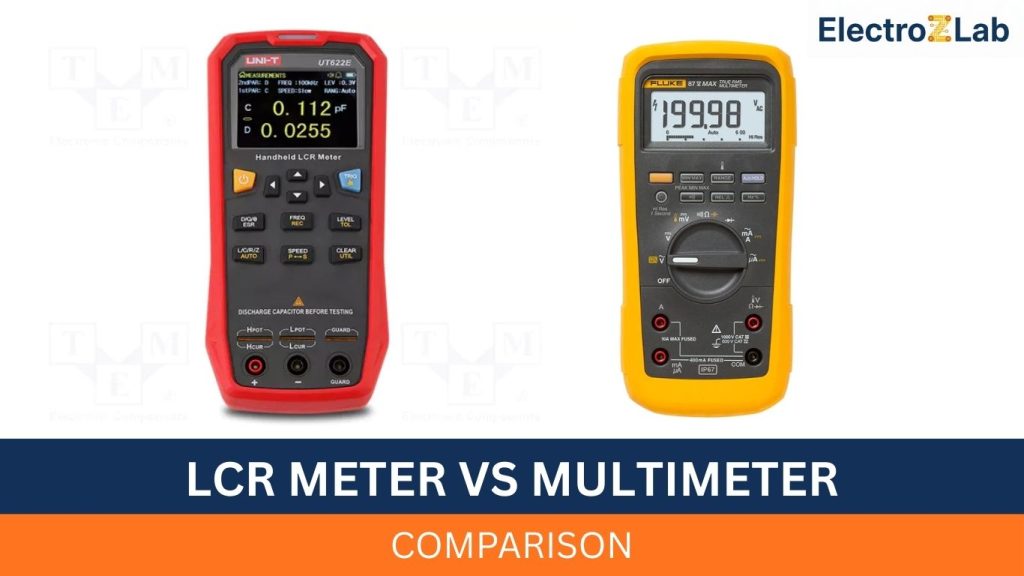
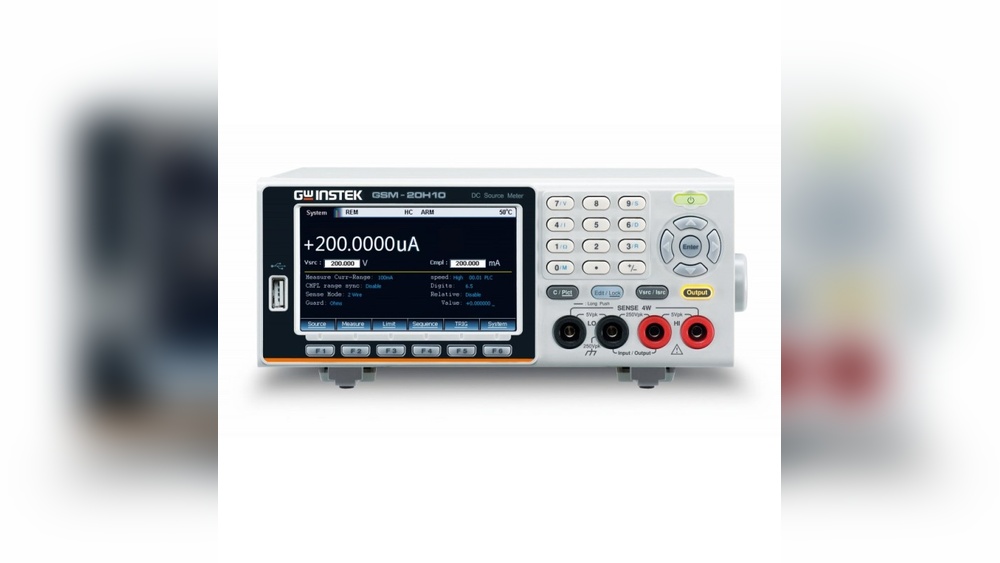
Are you confused about whether to use a source meter or a multimeter for your electrical measurements? Choosing the right tool can make a big difference in how accurate and efficient your work is.
You’ll discover the key differences between a source meter and a multimeter, helping you pick the perfect device for your needs. Stick with me, and by the end, you’ll feel confident about which tool suits your projects best. Let’s dive in!
.png)
Credit: www.datatec.eu
Key Functions Compared
Understanding the key functions of a source meter and a multimeter helps choose the right tool. Both devices measure electrical properties but serve different purposes. Comparing their functions clarifies which device fits specific tasks.
Measuring Voltage And Current
Both source meters and multimeters measure voltage and current. A multimeter reads voltage, current, and resistance quickly and easily. It shows results on a simple display. A source meter also measures voltage and current but adds more control. It can supply a set voltage or current to a device. This helps test how devices respond under different conditions.
Source Meter Capabilities
Source meters combine measurement and power supply functions. They can apply precise voltage or current to a component. Then, they measure how much current or voltage the component uses. This dual role is useful in research and development. It allows detailed device testing and analysis. Source meters often have high accuracy and can handle sensitive devices.
Multimeter Versatility
Multimeters are versatile tools for everyday electrical tasks. They measure voltage, current, and resistance easily. Many models also check continuity and test diodes. Multimeters are portable, simple, and affordable. They fit well for electricians, hobbyists, and basic troubleshooting. Their wide range of functions covers many common needs.
Applications And Use Cases
Source meters and multimeters serve different roles in measuring electrical properties. Each tool fits certain tasks better. Understanding their applications helps users choose the right one.
Both devices measure voltage, current, and resistance. Source meters can also supply current or voltage to a device. Multimeters mainly measure existing electrical values without supplying power. This difference shapes their use cases in various fields.
Laboratory And Research Settings
Source meters excel in labs for testing electronic components. They provide precise voltage or current while measuring response. This helps analyze device behavior under different conditions.
Multimeters are common for quick checks of circuit elements. They confirm voltage levels or continuity during experiments. Their ease of use makes them ideal for routine lab tasks.
Field And Maintenance Tasks
Technicians use multimeters for troubleshooting electrical systems on-site. Multimeters help find faults by measuring voltage, current, and resistance quickly. Their portability suits field work.
Source meters are less common in the field due to size and complexity. They appear in specialized maintenance where controlled power supply and measurement are needed.
Educational And Hobbyist Uses
Multimeters are perfect for students and hobbyists learning basic electronics. They teach measurement concepts with simple operation and clear displays. Affordable and durable models support hands-on learning.
Source meters are rare in beginner settings because they require more knowledge. Advanced students or hobbyists use them for detailed experiments and device testing.
Accuracy And Precision
Accuracy and precision are key factors in measuring electrical values. These qualities ensure the readings are correct and consistent. Source meters and multimeters differ in these aspects. Understanding their strengths helps choose the right tool for your tasks.
Measurement Stability
Source meters provide stable measurements over time. They keep output constant during tests. Multimeters may show small changes in values. This can affect long-term experiments. Stability in source meters improves reliability in results.
Resolution Differences
Source meters offer higher resolution than multimeters. They detect smaller changes in voltage or current. Multimeters usually have coarser resolution. This limits their use in sensitive testing. Higher resolution means more detailed data.
Impact On Results
Precision affects how close repeated readings are. Source meters deliver precise and repeatable results. Multimeters can vary slightly with each measurement. Accuracy impacts the trustworthiness of data. Choosing a precise tool reduces errors in work.
Ease Of Use And Interface
Ease of use and interface play a big role in choosing between a source meter and a multimeter. Both tools serve important functions in electronics testing. Yet, their usability can differ a lot. Understanding these differences helps users pick the right device for their needs.
User Experience
Source meters often target professionals who need precise control. Their interface can be more complex. Multimeters focus on quick, simple measurements. They offer straightforward operation suitable for beginners and general use. The learning curve for multimeters is usually shorter. Source meters may require more training to use effectively.
Display And Controls
Source meters feature detailed displays that show multiple readings at once. They provide data like voltage, current, and resistance simultaneously. Controls include buttons and knobs to adjust settings precisely. Multimeters have simpler displays, often with a single reading visible. Their controls are minimal, mostly switches and basic buttons. This simplicity helps users get results fast.
Setup And Calibration
Source meters need careful setup to ensure accuracy. Users must calibrate them regularly. This process can be technical and time-consuming. Multimeters usually require less setup and calibration. Many models are ready to use out of the box. Regular calibration is still important but easier to manage with multimeters.
Cost And Budget Considerations
Cost plays a big role in choosing between a source meter and a multimeter. Both tools serve different purposes, and their prices reflect that. Understanding the costs helps you pick the right device for your needs and budget. This section breaks down the main cost factors.
Initial Investment
Multimeters usually cost less than source meters. A basic multimeter fits small budgets and simple tasks. Source meters are pricier because they combine multiple functions. They offer precise control and measurement. The higher price suits advanced testing and research work. Think about what you need before buying.
Maintenance Expenses
Multimeters require little maintenance. Most only need battery changes and occasional calibration. Source meters need more care and regular calibration. Calibration keeps measurements accurate over time. Repairs and parts for source meters cost more. Factor these costs in for long-term use.
Value For Money
Multimeters provide good value for everyday use and basic projects. Source meters offer more features and accuracy. They are worth the extra cost if you need detailed testing. Consider how often you will use the device. Match the tool to your work demands and budget.
Choosing Based On Project Needs
Choosing the right tool depends on the needs of your project. Each tool offers unique features. Picking the one that fits best saves time and effort. Understanding your project needs helps in making a smart choice.
Type Of Measurements Required
Identify the measurements your project demands. A multimeter measures voltage, current, and resistance. It works well for general electrical tasks. A source meter adds precise sourcing and measuring functions. It suits projects needing exact current or voltage control. Choose based on whether you need simple checks or precise data.
Frequency Of Use
Consider how often you will use the tool. A multimeter is handy for occasional use. It is simple and portable. A source meter is better for frequent, detailed testing. It handles complex jobs with ease. Frequent users benefit from tools that offer durability and advanced features.
Environmental Factors
Think about the environment where you will work. Multimeters perform well in most conditions. Some models are rugged and water-resistant. Source meters may need stable environments for accuracy. Dust, moisture, and temperature can affect results. Choose a tool that matches your work setting to ensure reliability.
Popular Models And Brands
Choosing the right tool matters for precise electrical measurements. Source meters and multimeters serve different needs. Both have popular models and trusted brands. Knowing these options helps pick the best fit for your tasks.
Top Source Meter Options
Keithley leads the source meter market with reliable devices. Their 2400 Series offers excellent accuracy and easy controls. Another strong option is the Keysight B2900A, known for its versatility. These models provide precise current and voltage sourcing along with measurement. They suit lab and industrial testing well.
Recommended Multimeters
Fluke multimeters are widely used by professionals and hobbyists. The Fluke 87V is popular for its durability and accuracy. Klein Tools also offers reliable models like the MM6000, good for fieldwork. These meters measure voltage, current, resistance, and more. They are simple and versatile tools for many jobs.
Features To Look For
Check measurement ranges and accuracy first. A clear, backlit display helps in low light. Look for data hold and auto-ranging functions. Consider safety ratings like CAT III or CAT IV. For source meters, pay attention to output stability and resolution. Choose a model with easy calibration options. These features improve usability and reliability.

Credit: brucerivers.livejournal.com

Credit: electronics.stackexchange.com
Frequently Asked Questions
What Is The Main Difference Between Source Meter And Multimeter?
A source meter can source and measure voltage or current simultaneously. A multimeter only measures voltage, current, or resistance but cannot source signals. Source meters are used for precise testing, while multimeters are general-purpose measurement tools.
When Should I Use A Source Meter Instead Of A Multimeter?
Use a source meter when you need to both supply and measure electrical signals accurately. It is ideal for device characterization, semiconductor testing, and research. Multimeters are better suited for basic electrical troubleshooting and simple measurements.
Can A Multimeter Replace A Source Meter In Testing?
No, a multimeter cannot replace a source meter for advanced testing. Multimeters lack the capability to source current or voltage. Source meters provide higher accuracy and control for specialized applications.
How Do Source Meters Improve Testing Accuracy Over Multimeters?
Source meters offer precise sourcing and measurement with built-in feedback controls. This ensures stable and accurate test conditions. Multimeters only measure and cannot control the test signal, which limits accuracy in complex tests.
Conclusion
Source meters and multimeters each serve unique roles in testing. Source meters supply current and measure voltage precisely. Multimeters measure voltage, current, and resistance quickly. Choose a source meter for detailed analysis and control. Use a multimeter for simple, fast electrical checks.
Understanding their differences helps pick the right tool. Both devices improve accuracy in electrical measurements. Consider your project needs before deciding which to use. Simple tools, clear results. Essential knowledge for anyone working with electronics.

I’m Asif Ur Rahman Adib, an Electrical Engineer and lecturer. My journey began in the lab, watching students struggle with instruments they used every day without fully understanding them. Over time, I’ve combined teaching, research, and hands-on experience to help others grasp electrical concepts clearly, safely, and practically—whether it’s understanding a circuit or mastering a multimeter.