Deciding Between The Astroai 4000 And 6000 Count Multimeters
Choosing between the AstroAI 4000 and 6000 models means understanding what you need most from a multimeter. Both tools cover basic measurements, but their design and features suit different tasks. Consider how often and where you’ll use the meter. Think about the size and weight if portability matters. Also, safety ratings and additional features can affect your confidence. Understanding these points helps avoid buyer’s remorse.
Who Might Choose Each Astroai Model
- Homeowners needing basic electrical measurements for occasional repairs.
- Electricians requiring reliable tools for varied current and voltage tasks.
- DIY enthusiasts wanting a user-friendly meter with clear readings.
- Technicians who value safety features and precision in measurements.
- Those who prefer compact tools for easier storage and transport.
- Buyers focusing on long-term durability and consistent performance.
Where The Astroai 4000 Clamp Meter Fits Best
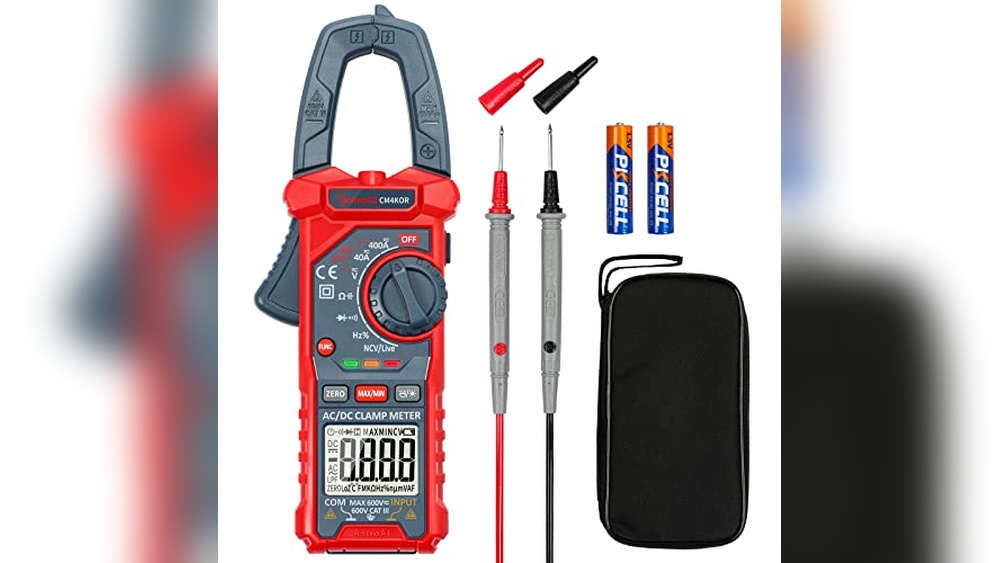
The AstroAI 4000 clamp meter is ideal if you often measure current without disconnecting wires. I appreciate its large jaw opening, which makes it easier to clamp around conductors safely. Its non-contact voltage detection adds a layer of caution for quick checks.
This tool works well in both household and light industrial settings where space can be tight, and multiple measurements are needed quickly.
.ap-btn{ transition:transform .15s ease, filter .15s ease; } .ap-btn:hover{ transform:translateY(-1px); filter:brightness(.95); }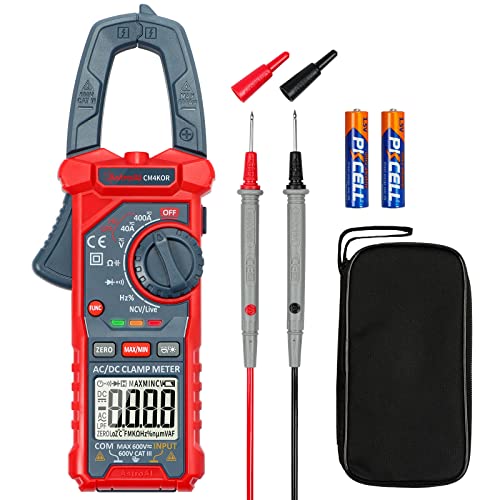
Features That Help You Feel Confident
- Large jaw opening for easy current measurement without wire disconnection.
- Non-contact voltage testing with audible and visual alerts.
- Backlit LCD and built-in flashlight for use in dark spaces.
- Auto power off and data hold functions to save battery and ease reading.
- Compact size to fit into tight areas comfortably.
Aspects That May Cause Hesitation
- Clamp function only measures current, not voltage.
- Less suited for detailed voltage and temperature testing.
When The Astroai 6000 Digital Multimeter Suits You Better
The AstroAI 6000 multimeter is a solid choice if you want a versatile tool with true RMS capability. I find its large backlit screen and kickstand useful for prolonged use on tables or benches. It handles a broad range of measurements, including temperature, which the 4000 lacks.
This model is especially fitting for automotive or household troubleshooting where you need more detailed readings and safety assurance.

Advantages That Make Usage Easier
- True RMS for accurate AC current and voltage readings.
- Large backlit LCD and kickstand for convenient viewing and hands-free use.
- Measures temperature and capacitance alongside voltage and current.
- Auto-ranging and data hold features simplify operation.
- Safety fuses and high safety category ratings for peace of mind.
Potential Drawbacks to Consider
- Less compact and heavier than the 4000 clamp meter.
- Lacks a clamp jaw for current measurement without wire contact.
Key Questions That Guide Your Choice
Do you often measure current directly on wires without disconnecting them? If yes, the clamp meter design of the 4000 is practical. Consider if you need temperature or capacitance measurements, which the 6000 covers but the 4000 does not.
Think about your comfort with handling a slightly larger and heavier meter versus a slimmer, clamp-style device. Safety ratings and fuse protections might influence your trust in the multimeter during demanding tasks.
Also, consider if you prefer a backlit screen and kickstand for easier reading during long sessions. Finally, evaluate the price and availability to match your budget and timing.
Comparing Key Factors Of Astroai 4000 And 6000 Models
How Important Is Non-contact Current Measurement?
The 4000’s clamp allows current measurement without disconnecting wires, while the 6000 needs direct lead contact.
| Decision factor | AstroAI 4000 Clamp Meter | AstroAI 6000 Digital Multimeter |
|---|---|---|
| Current Measurement | Clamp jaw, no wire disconnection needed | Standard test leads, direct contact |
| Voltage Range | Measures AC/DC voltage | Measures higher DC voltage (up to 1000V) |
| Additional Measurements | Frequency, capacitance, continuity | Includes temperature, capacitance, and duty cycle |
| Display | Backlit LCD with flashlight | Large backlit LCD with kickstand |
| Portability | Compact and slim | Bulkier and heavier |
This difference matters for users needing hands-free current checks or more detailed diagnostics.
Which Safety Features Are Essential?
The 6000 offers ceramic fuses and higher safety ratings suitable for professional use. The 4000 meets basic safety standards for household and light industrial tasks.
| Decision factor | AstroAI 4000 Clamp Meter | AstroAI 6000 Digital Multimeter |
|---|---|---|
| Safety Rating | CAT III 600V | CAT III 600V & CAT II 1000V for DC |
| Fuse Protection | Standard | Double ceramic fuse with explosion-proof tubes |
| Overload Protection | Yes | Enhanced with ceramic fuses |
| Durability | Good for regular use | Designed for higher load and safety demands |
This is crucial for users working in demanding or professional environments.
What Could Lead To Regret In Choosing Between These Meters?
Choosing the 4000 might cause frustration if you need temperature readings or more versatile measurements. Its clamp function is handy but limits some testing scenarios. On the other hand, the 6000 might feel cumbersome if you prefer a compact clamp meter for quick current checks.
Regret can also come from overlooking safety features, especially if you work with high voltages or complex circuits. Both meters serve well but excel in different areas, so matching your main use cases is key.
Thinking ahead about your typical tasks and environment will reduce buyer’s remorse and ensure the tool fits your needs.
Making A Thoughtful Choice Between Astroai Models
Both the AstroAI 4000 clamp meter and the 6000 digital multimeter have clear strengths depending on your priorities. If non-contact current measurement and portability are top priorities, the 4000 is appropriate. For detailed measurements with enhanced safety and additional features, the 6000 makes more sense.
Neither option is wrong; it’s about the right fit for your routine and comfort. Take your time to review what features will truly get used.
Whichever you choose, you can feel confident you picked a quality tool from AstroAI.
Common Questions About Astroai 4000 Vs 6000 Multimeters
Can the AstroAI 4000 measure temperature?
No, the 4000 clamp meter does not measure temperature. For temperature readings, the 6000 multimeter is required.
Does the 6000 model have a clamp for current measurement?
No, the 6000 uses test leads for current measurement and does not have a clamp jaw like the 4000.
Which meter is more portable for fieldwork?
The AstroAI 4000 is slimmer and lighter, making it easier to carry in tight spaces or pockets compared to the bulkier 6000.
Are both meters safe to use on household circuits?
Yes, both have safety ratings suitable for household electrical work, but the 6000 includes higher safety standards and fuses for extra protection.
Do both models have backlit displays?
Yes, both feature backlit LCD screens to aid visibility in low-light conditions, but the 6000 has a larger screen with a kickstand.
Is auto-ranging available on both devices?
Yes, both models offer auto-ranging, simplifying the measurement process by automatically selecting the correct range.
Which meter is better for automotive troubleshooting?
The AstroAI 6000 is generally better for automotive use due to its wider measurement range and temperature sensing capabilities.

I’m Asif Ur Rahman Adib, an Electrical Engineer and lecturer. My journey began in the lab, watching students struggle with instruments they used every day without fully understanding them. Over time, I’ve combined teaching, research, and hands-on experience to help others grasp electrical concepts clearly, safely, and practically—whether it’s understanding a circuit or mastering a multimeter.