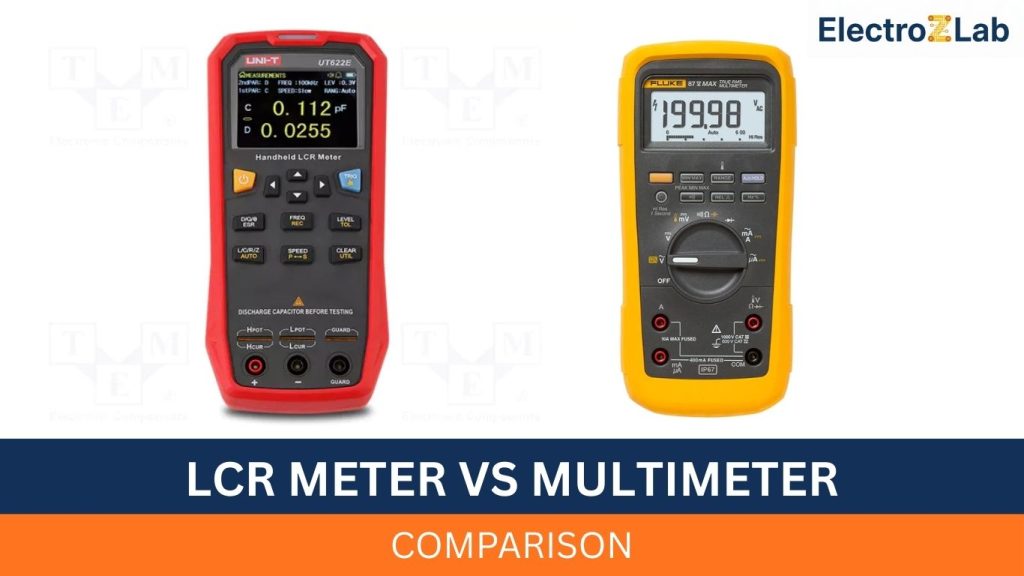
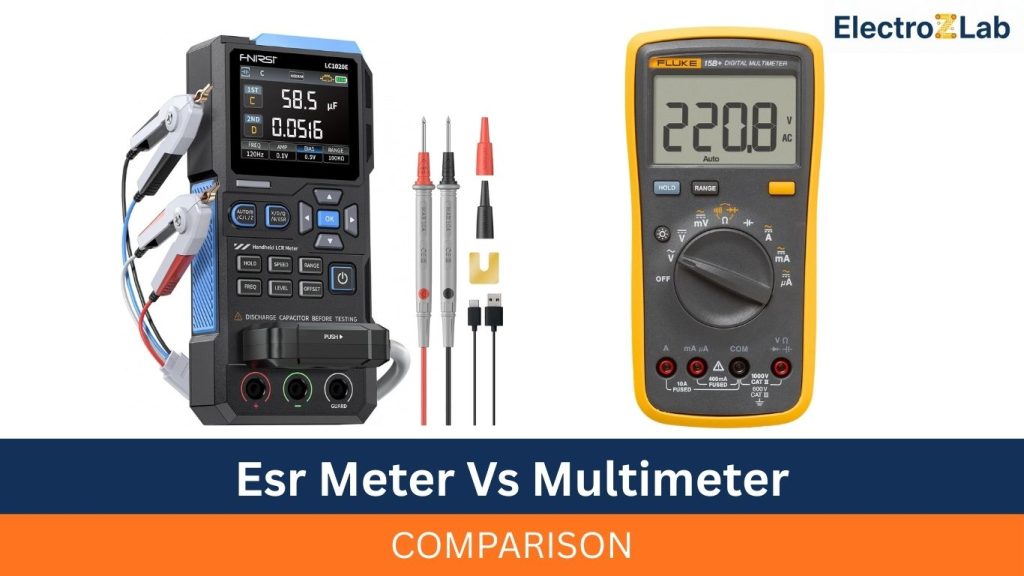
Are you confused about whether to use an ESR meter or a multimeter for your electrical projects? You’re not alone.
Choosing the right tool can save you time, money, and frustration. This article will clear up the differences between these two essential devices. By the end, you’ll know exactly which one fits your needs and how to get the most out of it.
Keep reading to make smarter, faster decisions with your electronics work.

Credit: www.youtube.com
Basics Of Esr Meter
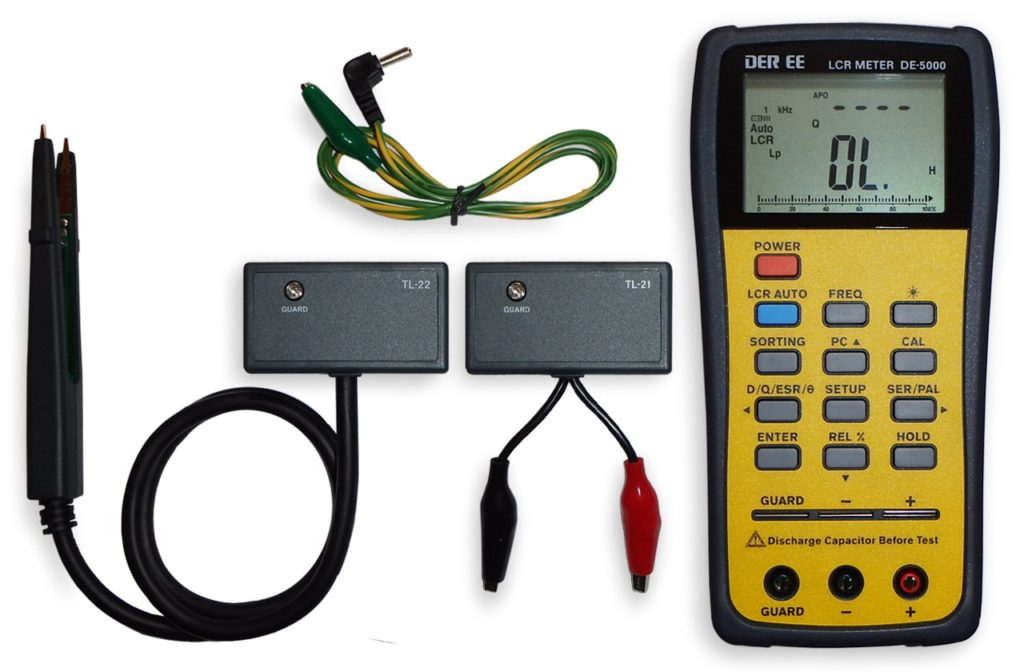
An ESR meter is a special tool designed to measure the equivalent series resistance (ESR) of capacitors. This resistance affects how well a capacitor works in electronic circuits. Understanding ESR helps find weak or failing components before they cause bigger problems.
ESR meters are different from regular multimeters. They focus on measuring resistance inside capacitors, not general voltage or current. This makes them useful in fixing electronics and checking circuit quality.
Purpose And Function
An ESR meter checks the internal resistance of capacitors. It sends a small signal through the capacitor and measures how much resistance it has. High ESR means the capacitor is bad or worn out.
Using an ESR meter helps technicians find faulty capacitors without removing them from the circuit. It saves time and effort during repairs.
Common Applications
ESR meters are used in electronic repair shops and manufacturing plants. They test power supplies, radios, and TVs to ensure capacitors work properly.
They also help in preventive maintenance. Checking ESR values can prevent device failures and extend equipment life.
Basics Of Multimeter
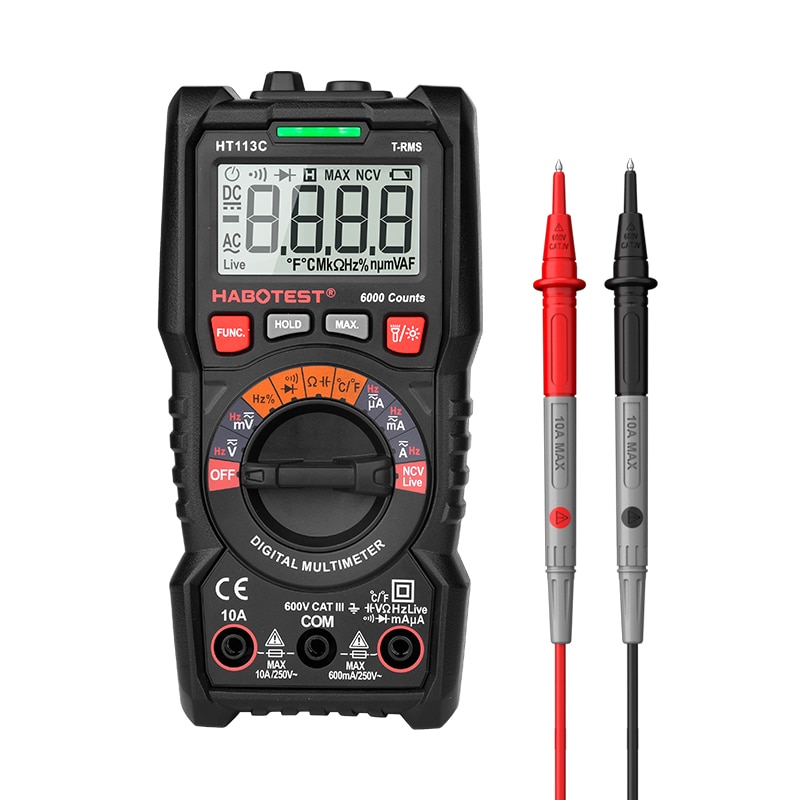
A multimeter is a common tool used in electronics and electrical work. It measures different electrical properties. Many people keep one for testing and fixing circuits. Understanding its basics helps you use it correctly and safely.
This device combines several meters into one. It can measure voltage, current, and resistance. This makes it a versatile tool for many tasks. Learning its main functions gives a clear idea of what it can do.
Core Functions
A multimeter measures voltage, both AC and DC. It also measures current, which is the flow of electricity. Resistance measurement shows how much a device resists electric flow. Some models also test continuity, indicating if a circuit is complete. These functions help diagnose common electrical problems quickly.
Typical Uses
People use multimeters to check batteries and power supplies. It helps find broken wires or faulty components. Electricians use it to ensure circuits work safely. Hobbyists test their DIY electronics with it. A multimeter is useful for many simple and complex tasks.
Measurement Capabilities
Understanding the measurement capabilities of ESR meters and multimeters helps in choosing the right tool. Each device measures different electrical properties. Knowing what each tool measures guides you to accurate testing and troubleshooting.
This section explains the key measurements of both tools. It clarifies their roles in electronics and electrical work.
What Esr Meter Measures
An ESR meter measures the equivalent series resistance of capacitors. This value shows how much resistance is inside a capacitor. High ESR can cause capacitor failure or poor circuit performance.
ESR meters test capacitors without removing them from the circuit. They help detect bad capacitors quickly. This saves time and effort during repairs.
They focus mainly on capacitors and their health. ESR meters do not measure voltage, current, or general resistance.
What Multimeter Measures
A multimeter measures voltage, current, and resistance in electrical circuits. It shows how much voltage is present or how much current flows. It also tests if components have the correct resistance.
Multimeters can test batteries, wires, switches, and many other parts. Some models also measure capacitance, frequency, and temperature.
They are versatile tools for general electrical testing. Multimeters cannot measure ESR or the internal resistance of capacitors accurately.
Credit: www.yamanelectronics.com
Design And Features
The design and features of ESR meters and multimeters differ significantly. Each tool serves a unique purpose in electrical testing. Understanding their design helps you choose the right tool for your task. Features also affect ease of use and accuracy.
Display And Interface
ESR meters usually have simple digital displays. They show clear readings of equivalent series resistance. The interface is minimal, focusing on quick measurements. Multimeters come with larger displays. They often show multiple readings like voltage, current, and resistance. Many multimeters have backlit screens for use in low light. Their interfaces include several buttons and dials. This allows switching between different measurement modes.
Portability And Build
ESR meters are small and lightweight. Their compact design makes them easy to carry and use in tight spaces. They often have rugged cases to protect against drops. Multimeters vary in size but tend to be bulkier. They need to fit more components and display features. Many multimeters also have protective rubber covers. This helps prevent damage during fieldwork. Both tools are built to last but serve different working conditions.
Accuracy And Sensitivity
Accuracy and sensitivity are key factors in choosing between an ESR meter and a multimeter. These qualities determine how well a device measures electrical values and detects small changes. Both tools serve different purposes, so understanding their precision helps in picking the right one.
Precision In Esr Meters
ESR meters focus on measuring equivalent series resistance in capacitors. They provide very accurate readings of low resistance values. This precision is crucial for finding faulty capacitors in circuits. ESR meters detect small changes in resistance that other meters might miss. Their sensitivity ensures reliable testing in electronic repairs and maintenance.
Precision In Multimeters
Multimeters measure voltage, current, and resistance broadly. They offer decent accuracy for general electrical tasks. However, their sensitivity to very low resistance values is limited. Multimeters may not detect subtle changes in component health. They suit basic troubleshooting but lack the fine precision of ESR meters for detailed analysis.
When To Use Each Tool
Choosing between an ESR meter and a multimeter depends on the task. Each tool serves different purposes in electronics testing. Knowing when to use each tool saves time and improves accuracy. Below are clear situations for using an ESR meter and a multimeter.
Situations For Esr Meter
Use an ESR meter to test capacitors inside circuits. It measures the equivalent series resistance, which affects capacitor performance. Ideal for checking electrolytic capacitors in power supplies and audio equipment. Helps find bad capacitors without removing them from the circuit. Useful for maintenance and troubleshooting in electronic devices. Detects aging or damaged capacitors that cause circuit failure. ESR meters are best for detailed capacitor health checks.
Situations For Multimeter
Use a multimeter for general electrical measurements. It measures voltage, current, and resistance in various components. Perfect for testing batteries, switches, and wiring continuity. Helps verify power supply outputs and fuse conditions. Suitable for basic troubleshooting and repairs in household electronics. Measures resistance of resistors and checks diodes or transistors. Multimeters are versatile tools for everyday electrical tasks.
Cost And Availability
Cost and availability play a big role when choosing between an ESR meter and a multimeter. Both tools serve different purposes, and their prices and availability vary. Understanding these factors helps you pick the right device for your needs without wasting money.
Price Range Comparison
ESR meters usually cost more than standard multimeters. Basic multimeters start at low prices, often under $20. High-end multimeters with many features can go up to $200 or more. ESR meters typically start around $50 and can reach several hundred dollars depending on accuracy and brand.
For occasional use, a multimeter is budget-friendly. Professionals who test capacitors often prefer an ESR meter despite the higher price. The choice depends on how often and what kind of testing you need.
Market Accessibility
Multimeters are widely available in many stores and online shops. Almost every hardware or electronics store stocks various models. ESR meters are less common and mostly found in specialty electronics stores or specific online retailers.
Finding a multimeter is easy and fast. ESR meters may require more searching or ordering from specialized sellers. Availability can also vary by region, making multimeters more accessible for most users.
Pros And Cons
Choosing between an ESR meter and a multimeter depends on your needs. Each tool has unique strengths and weaknesses. Understanding their pros and cons helps in making the right choice for your projects.
Advantages Of Esr Meter
ESR meters measure the equivalent series resistance of capacitors. This helps find bad capacitors quickly. They work well on circuit boards without removing parts. ESR meters detect small faults that other tools miss. These meters are simple to use for specific capacitor tests. They provide fast and accurate readings for capacitor health.
Advantages Of Multimeter
Multimeters are versatile tools for many electrical tasks. They measure voltage, current, and resistance easily. Multimeters test wires, batteries, and other components. They are common and affordable for beginners and pros. Multimeters can check continuity to find broken circuits. Their wide function range suits various troubleshooting needs.
Limitations Of Both
ESR meters only test capacitors and cannot measure voltage or current. They are less useful for general electrical troubleshooting. Multimeters cannot measure ESR and often miss capacitor faults. Both tools require some knowledge to use correctly. Neither can fully replace the other for all tests. Choosing the right tool depends on the specific task.
Choosing The Right Tool
Choosing the right tool between an ESR meter and a multimeter can improve your work quality. Each tool serves a unique purpose in electrical testing and diagnosis. Picking the right one depends on the task you want to perform and the type of measurements needed.
Factors To Consider
First, think about what you need to measure. ESR meters check the resistance inside capacitors. Multimeters measure voltage, current, and resistance in many devices. Consider the accuracy required for your tasks. ESR meters provide precise readings for capacitor health. Multimeters offer broader measurement functions but less focus on ESR.
Also, consider your experience level. Multimeters are easy to use for beginners. ESR meters might require more technical knowledge. Battery life and size matter if you work in the field. Check if the tool has a clear display and simple controls. These features help you work faster and safer.
Tips For Buyers
Buy tools from trusted brands for better reliability. Read customer reviews to learn about real-world use. Compare prices, but avoid the cheapest options that may lack quality. Look for tools with good warranty and support. Test the device if possible before purchasing. Choose a tool that fits your budget and meets your needs.
Credit: www.yamanelectronics.com
Frequently Asked Questions
What Is The Main Difference Between Esr Meter And Multimeter?
An ESR meter measures equivalent series resistance in capacitors. A multimeter measures voltage, current, and resistance broadly. ESR meters specialize in capacitor health testing, while multimeters provide versatile electrical measurements.
Can A Multimeter Measure Esr In Capacitors?
No, a standard multimeter cannot accurately measure ESR. ESR measurement requires specialized meters designed to detect low resistance in capacitors. Using a multimeter for ESR testing can produce unreliable results.
Why Use An Esr Meter Instead Of A Multimeter?
ESR meters detect capacitor faults without removal from circuits. They find high resistance that affects performance. Multimeters cannot detect these subtle faults, making ESR meters essential for capacitor testing.
Are Esr Meters More Expensive Than Multimeters?
Typically, ESR meters are less expensive or similarly priced compared to advanced multimeters. However, specialized ESR meters focus on a niche function, while multimeters offer broader features, sometimes at higher prices.
Conclusion
Choosing between an ESR meter and a multimeter depends on your needs. ESR meters test capacitor health quickly and clearly. Multimeters measure many electrical values like voltage and resistance. Both tools serve different purposes in electronics work. Use an ESR meter for checking capacitor quality.
Use a multimeter for general electrical measurements. Knowing their differences helps you pick the right tool. This saves time and improves your work quality. Simple tools, smart choices.

I’m Asif Ur Rahman Adib, an Electrical Engineer and lecturer. My journey began in the lab, watching students struggle with instruments they used every day without fully understanding them. Over time, I’ve combined teaching, research, and hands-on experience to help others grasp electrical concepts clearly, safely, and practically—whether it’s understanding a circuit or mastering a multimeter.