Are you ever unsure whether to use a voltage detector or a multimeter for your electrical tasks? Choosing the right tool can save you time, keep you safe, and make your work much easier.
But what exactly sets these two devices apart? By understanding their key differences, you can pick the right one for your needs and avoid costly mistakes. Keep reading, and you’ll discover which tool fits your projects best—and why it matters more than you might think.
Voltage Detector Basics
Voltage detectors are simple tools used to check if electrical wires or devices have voltage. They help tell if electricity is flowing without touching the wires directly. This makes them safe and handy for quick checks.
These tools are common in homes and workplaces. They help prevent accidents by showing live wires clearly. Understanding how they work and their types helps you use them properly.
Types Of Voltage Detectors
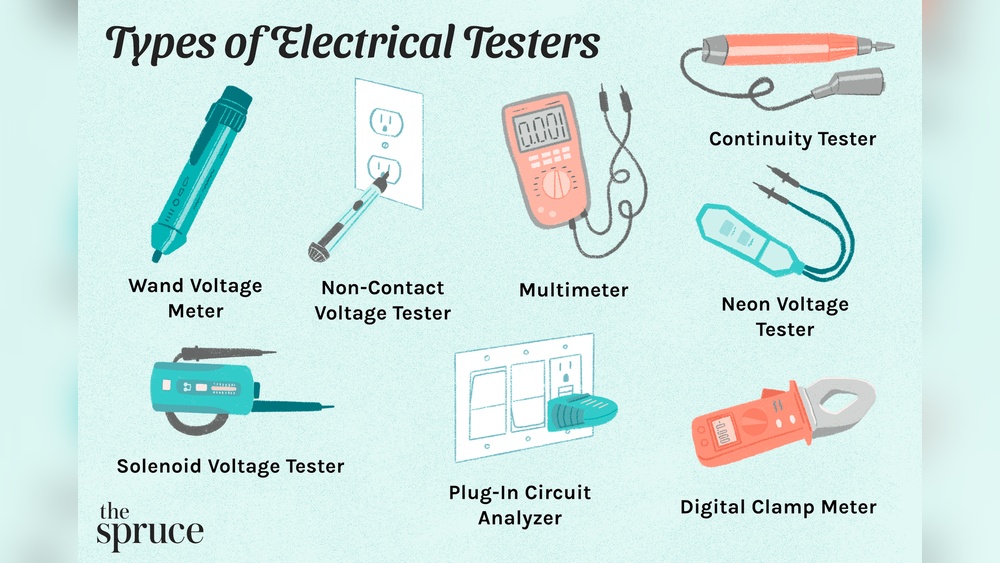
There are several types of voltage detectors. The most common is the non-contact voltage detector. It senses voltage from outside the wire. Another type is the contact voltage detector. It requires touching the wire or terminal to check voltage. Some detectors show voltage with lights or sounds, while others have digital displays.
How Voltage Detectors Work
Voltage detectors sense electric fields around wires. Non-contact detectors detect this field without touching the wire. They use sensors to pick up the voltage from a short distance. Contact detectors complete a circuit by touching the wire, then measure the voltage directly. Both types alert users with lights, sounds, or vibrations when voltage is present.
Common Uses For Voltage Detectors
Voltage detectors check if circuits are live before repair or work. Electricians use them to find live wires in walls. Homeowners use them to test outlets or switches. They also help locate breaks in wiring or faulty devices. Their quick and safe detection helps avoid electric shocks and damage.

Credit: www.youtube.com
Multimeter Essentials
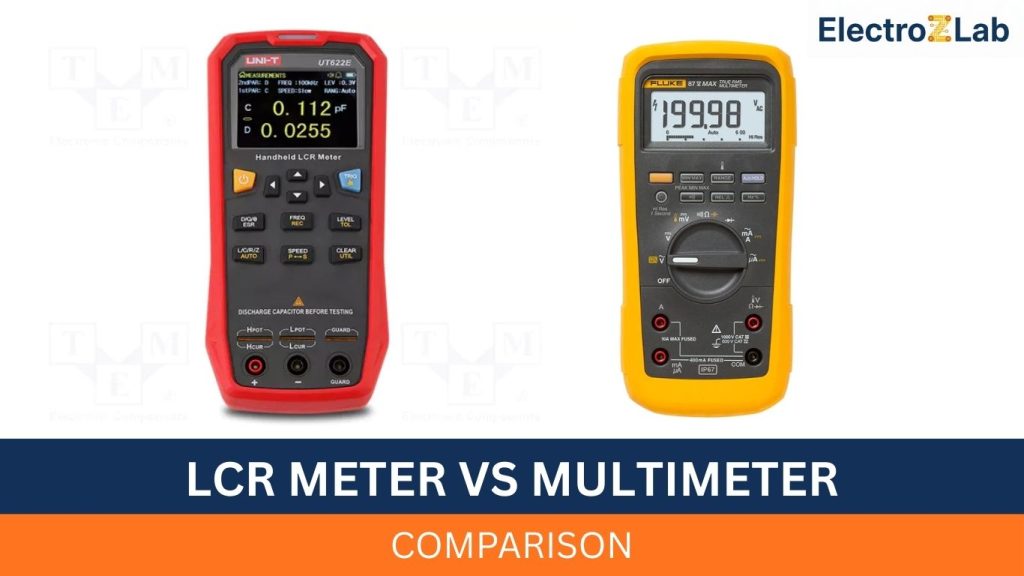
A multimeter is a key tool for anyone working with electricity. It measures different electrical values quickly and easily. This tool helps check circuits, find faults, and test batteries. Knowing the basics of multimeters is useful for both beginners and experts.
Understanding types, functions, and uses of multimeters can make your work safer and more accurate. Let’s explore these essentials in detail.
Types Of Multimeters
There are two main types of multimeters: analog and digital. Analog multimeters use a needle to show readings on a dial. Digital multimeters have a screen that shows numbers directly. Digital ones are more common today because they are easier to read and more precise.
Some multimeters are handheld and portable, while others are bench models for lab use. Handheld multimeters are perfect for fieldwork and quick checks.
Functions Of A Multimeter
Multimeters can measure voltage, current, and resistance. Voltage testing shows if a circuit has power. Current measurement tells how much electricity flows. Resistance checks if a component works well or is broken.
Many multimeters also test continuity to find open or short circuits. Some models can measure frequency, temperature, and capacitance. These extra functions help with complex electrical tasks.
Applications Of Multimeters
Electricians use multimeters to troubleshoot wiring and devices. Hobbyists test batteries and electronic projects. Engineers check circuits during design and repair.
Homeowners can use a multimeter to check outlets and appliances. It helps find problems before they become dangerous. Multimeters are useful in many fields for safe and accurate electrical work.
Comparing Accuracy
Accuracy plays a key role when choosing between a voltage detector and a multimeter. Both tools measure electrical properties but differ in precision. Understanding these differences helps users pick the right tool for their needs.
Voltage Detection Precision
Voltage detectors mainly check if voltage is present or not. They give a quick yes-or-no answer. This makes them less precise in exact voltage measurement. They work well for simple safety checks or finding live wires. But they don’t show exact voltage values.
Multimeters measure voltage with more detail. They display exact numbers, often with decimals. This helps users know the true voltage level. Multimeters use advanced circuits to improve accuracy. They are better for troubleshooting and detailed electrical work.
Measurement Range Differences
Voltage detectors usually cover a limited range. They detect standard household voltages but may miss very low or very high voltages. Their focus is on safety and quick detection, not broad range measurement.
Multimeters offer a wide measurement range. They can measure low voltages like millivolts and high voltages up to hundreds of volts. This makes multimeters versatile for many tasks. Users can switch settings based on the needed voltage range. This flexibility adds to their accuracy and usefulness.
Safety Features
Safety features in electrical testing tools are critical. They protect users from electric shocks and other hazards. Voltage detectors and multimeters have different safety designs. Understanding these helps you choose the right tool for safe use.
Protective Measures In Voltage Detectors
Voltage detectors are built to sense live wires without contact. Many models have insulated tips to prevent electric shock. Some include audible or visual alerts for detected voltage. This reduces the risk of accidental contact with live circuits. Many voltage detectors also have auto-off functions to save battery and avoid false readings.
Safety Aspects Of Multimeters
Multimeters have more complex safety features due to their multiple functions. They often include fused input ports to protect against overload. Many models meet strict safety standards like CAT ratings. These ratings show the level of protection against voltage spikes. Multimeters also use insulated probes and shields to keep users safe. Clear display warnings help prevent incorrect measurements and potential hazards.
Ease Of Use
Ease of use is a key factor when choosing between a voltage detector and a multimeter. Both tools serve important roles in electrical work. Yet, they differ in how simple they are to handle. Understanding these differences helps pick the right tool for the job.
User Experience With Voltage Detectors
Voltage detectors are very straightforward. They usually have one button or no buttons at all. Just bring the tip close to a wire or outlet. The device will beep or light up if voltage is present. No settings to change. No complicated menus to navigate. This makes voltage detectors ideal for quick checks and beginners.
They are lightweight and easy to hold. Users can operate them with one hand. Safety is better because you do not need to touch wires directly. This reduces risk and builds confidence for casual users.
User Experience With Multimeters
Multimeters offer more functions but can be tricky. You must select the correct mode, such as voltage, current, or resistance. Choosing the wrong setting can give false readings or damage the meter.
Reading the display requires some knowledge. Numbers and symbols might confuse new users. Multimeters also need two hands: one to hold the meter and one for probes. This can slow down quick tests.
For those learning electrical work, multimeters are a good tool. They teach measurement basics but take time to master. Safety is important because probes touch live wires directly.

Credit: www.fluke.com
Cost And Value
Cost and value are key factors when choosing between a voltage detector and a multimeter. Each tool offers different features that affect its price. Understanding these differences helps you pick the best tool for your needs.
Price Range Of Voltage Detectors
Voltage detectors are usually simple and affordable. Basic models cost between $10 and $30. More advanced detectors with extra features may cost up to $50. These devices focus mainly on detecting live wires quickly.
Price Range Of Multimeters
Multimeters offer more functions, so they tend to be pricier. Basic multimeters start around $20. Mid-range models with better accuracy and features cost $50 to $100. Professional multimeters with many functions can go over $150.
Value For Different Needs
For simple tasks, voltage detectors provide quick and easy checks. They are good for beginners or home use. Multimeters deliver more value for complex jobs. Electricians and hobbyists benefit from their detailed measurements.
Choosing The Right Tool
Choosing the right tool for electrical work is important. Each device has strengths. Knowing which one fits your task saves time and avoids mistakes. Voltage detectors and multimeters serve different purposes. Understanding their uses helps you pick the best option.
Best Tool For Quick Checks
Voltage detectors are great for fast checks. They detect live wires without touching them. This tool helps find if a wire has power. You get results instantly. It is simple and safe to use. No need to connect wires or set modes. Perfect for quick safety tests.
Best Tool For Detailed Measurements
Multimeters give detailed electrical measurements. They measure voltage, current, and resistance. This tool helps diagnose complex problems. Multimeters require connecting probes to the circuit. You get accurate numbers for analysis. Ideal for repair work and in-depth testing. Multimeters need more time but provide full information.
Considerations Based On Skill Level
Beginners find voltage detectors easier to use. No special knowledge is needed. Just hold it near the wire to check. Multimeters need basic understanding of settings and safety. Mistakes can cause wrong readings or harm. Learning to use a multimeter takes practice. Choose the tool that matches your comfort and skill.
Maintenance And Calibration
Proper maintenance and calibration keep your tools accurate and safe. Both voltage detectors and multimeters need regular checks to work well. Neglecting this can lead to wrong readings and safety risks.
Maintaining Voltage Detectors
Clean the sensor tip gently with a dry cloth. Avoid using water or chemicals that can damage the device. Store the detector in a dry place to prevent moisture damage. Test the detector on a known live wire before use. Replace batteries regularly to avoid power loss. Follow the manufacturer’s schedule for professional calibration. Calibration ensures the detector reads voltage correctly every time.
Maintaining Multimeters
Keep the multimeter clean and dry. Use a soft cloth to wipe the screen and buttons. Check the test leads for cracks or breaks before each use. Replace damaged leads immediately to avoid wrong results. Remove the batteries if the multimeter will not be used for a long time. Calibrate the multimeter yearly or as suggested by the maker. Calibration keeps measurements precise and reliable.

Credit: www.differencebetween.net
Frequently Asked Questions
What Is The Main Difference Between Voltage Detector And Multimeter?
A voltage detector checks the presence of voltage without contact. A multimeter measures voltage, current, and resistance with probes. Voltage detectors are simpler and safer for quick checks, while multimeters provide detailed electrical readings.
When Should I Use A Voltage Detector Instead Of A Multimeter?
Use a voltage detector for quick, non-contact voltage presence checks. It’s ideal for safety before starting electrical work. Multimeters are better for detailed measurements and troubleshooting electrical circuits.
Can A Multimeter Replace A Voltage Detector For Safety Checks?
No, a multimeter requires contact and can be riskier for quick voltage checks. Voltage detectors offer safer, non-contact detection of live wires, making them better for initial safety assessments.
Which Tool Is More Accurate For Measuring Voltage?
A multimeter is more accurate and versatile for precise voltage readings. Voltage detectors only indicate voltage presence, not exact measurements. For detailed diagnostics, a multimeter is preferred.
Conclusion
Choosing between a voltage detector and a multimeter depends on your needs. Voltage detectors are quick and simple for checking live wires. Multimeters offer more detailed information, like current and resistance. Both tools help keep electrical work safe and accurate.
Understanding their uses helps you pick the right device. Use each tool wisely to avoid accidents. Safety and precision matter most in any electrical task. Choose what fits your skill and job type best.

I’m Asif Ur Rahman Adib, an Electrical Engineer and lecturer. My journey began in the lab, watching students struggle with instruments they used every day without fully understanding them. Over time, I’ve combined teaching, research, and hands-on experience to help others grasp electrical concepts clearly, safely, and practically—whether it’s understanding a circuit or mastering a multimeter.