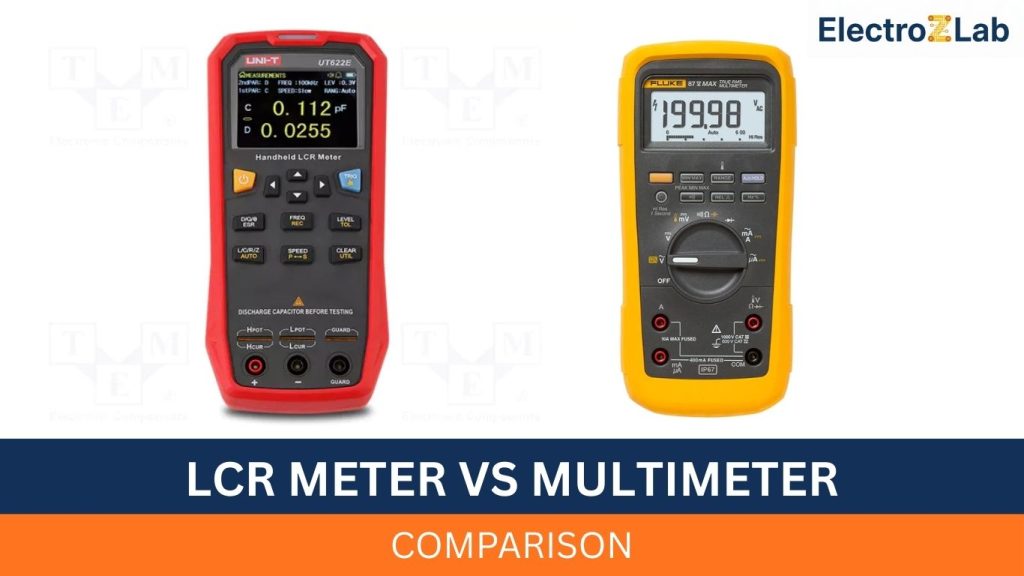
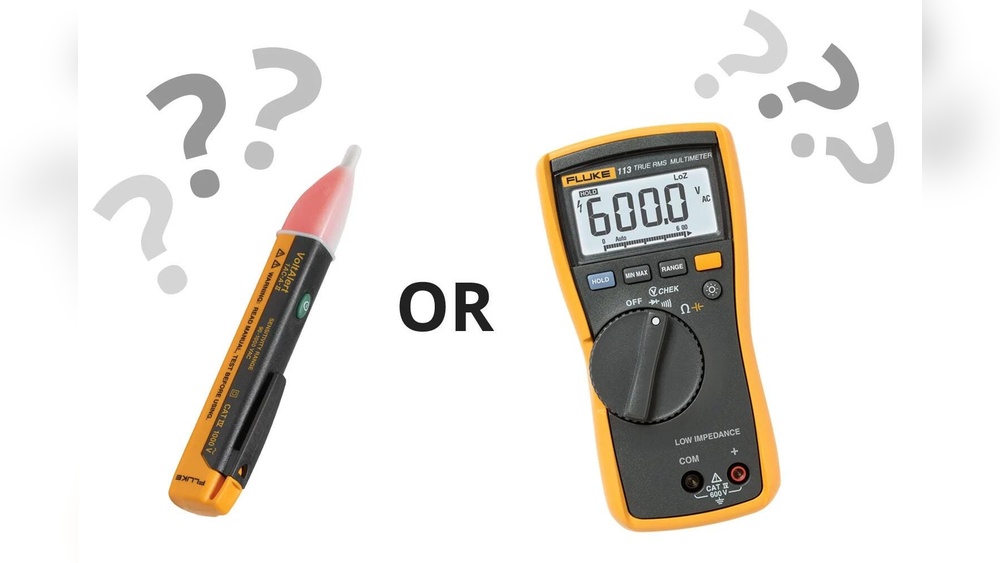
When you need to check electrical circuits, choosing the right tool can make all the difference. You might wonder, should you pick a voltage tester pen or a multimeter?
Both tools help you measure electricity, but they work very differently and serve different purposes. Understanding these differences will save you time, keep you safe, and make your job easier. Keep reading to discover which tool fits your needs best and how to use it like a pro.
Credit: www.alibaba.com
Voltage Tester Pen Basics
A voltage tester pen is a small tool used to check electrical current. It helps to see if a wire or device has live electricity. This tool is simple and safe for quick electrical tests. Many people use it for basic home and work tasks.
The voltage tester pen is different from a multimeter. It focuses only on detecting voltage presence. Understanding how it works and its features helps to use it well.
How It Works
The voltage tester pen senses electrical voltage without touching wires directly. It uses a sensor at the tip to detect current flow. When near live electricity, it lights up or beeps. This signal shows the presence of voltage quickly.
It works with AC voltage mainly. No need to open circuits or disconnect wires. This makes it fast and easy for safety checks.
Key Features
Voltage tester pens are small and lightweight. They often have a clear tip or LED light. Many models include a beep sound for easy notice. Some pens work with batteries for power.
They are designed to be safe for users. Most have insulated bodies to prevent shocks. Simple one-button operation is common for ease of use.
Common Uses
People use voltage tester pens for quick safety checks. Electricians check if wires are live before work. Homeowners test outlets and switches for power. It helps find breaks in wires or faulty devices.
This tool is perfect for simple tasks that do not need complex measurements. It saves time and reduces risk during electrical work.
Multimeter Essentials
A multimeter is a versatile tool used in electronics and electrical work. It measures several electrical properties in one device. Understanding its basics helps in choosing the right tool for your needs.
Multimeters come in different types and offer core functions that suit various tasks. Knowing their typical uses can guide you in using them safely and effectively.
Types Of Multimeters
There are two main types of multimeters: analog and digital. Analog multimeters use a needle to show readings on a dial. Digital multimeters display values on a screen, making them easier to read.
Digital multimeters are common due to their accuracy and ease of use. Some multimeters also have special features for specific tasks.
Core Functions
Multimeters measure voltage, current, and resistance. Voltage testing checks electrical potential in circuits. Current measurement shows how much electricity flows. Resistance testing helps find breaks or faults in wires.
Some multimeters also test continuity, capacitance, and temperature. These extra functions add value for detailed troubleshooting.
Typical Applications
Electricians use multimeters to check wiring and devices. Hobbyists rely on them for DIY electronics projects. Technicians test batteries, motors, and circuits with multimeters.
Multimeters help detect problems early, saving time and money. They are essential for safe and accurate electrical work.
Comparing Accuracy And Precision
Accuracy and precision are key when testing electrical circuits. Both voltage tester pens and multimeters measure electrical values, but their accuracy and precision vary. Understanding these differences helps choose the right tool for the job.
Accuracy Of Voltage Tester Pens
Voltage tester pens detect the presence of voltage quickly. They show a simple yes or no answer. These pens are less accurate for exact voltage levels. They work best for checking if a wire is live or not.
Accuracy Of Multimeters
Multimeters provide detailed readings of voltage, current, and resistance. They measure values with high accuracy. This tool helps identify exact electrical problems. Professionals prefer multimeters for tasks needing precise data.
Precision In Voltage Tester Pens
Voltage tester pens offer limited precision. They cannot measure small changes in voltage well. The readings are basic and meant for simple checks. Precision is enough for quick safety tests.
Precision In Multimeters
Multimeters deliver precise measurements with decimal points. They detect small variations in electrical signals. Precision allows detailed troubleshooting and fine adjustments. This makes multimeters useful for complex electrical work.
Safety Considerations
Safety is the top priority when handling electrical tools. Both voltage tester pens and multimeters measure electrical current. Using these tools carelessly can cause shocks or damage. Understanding their safety features helps prevent accidents. Always use the right tool for the job and follow safety rules.
Voltage Tester Pen Safety Features
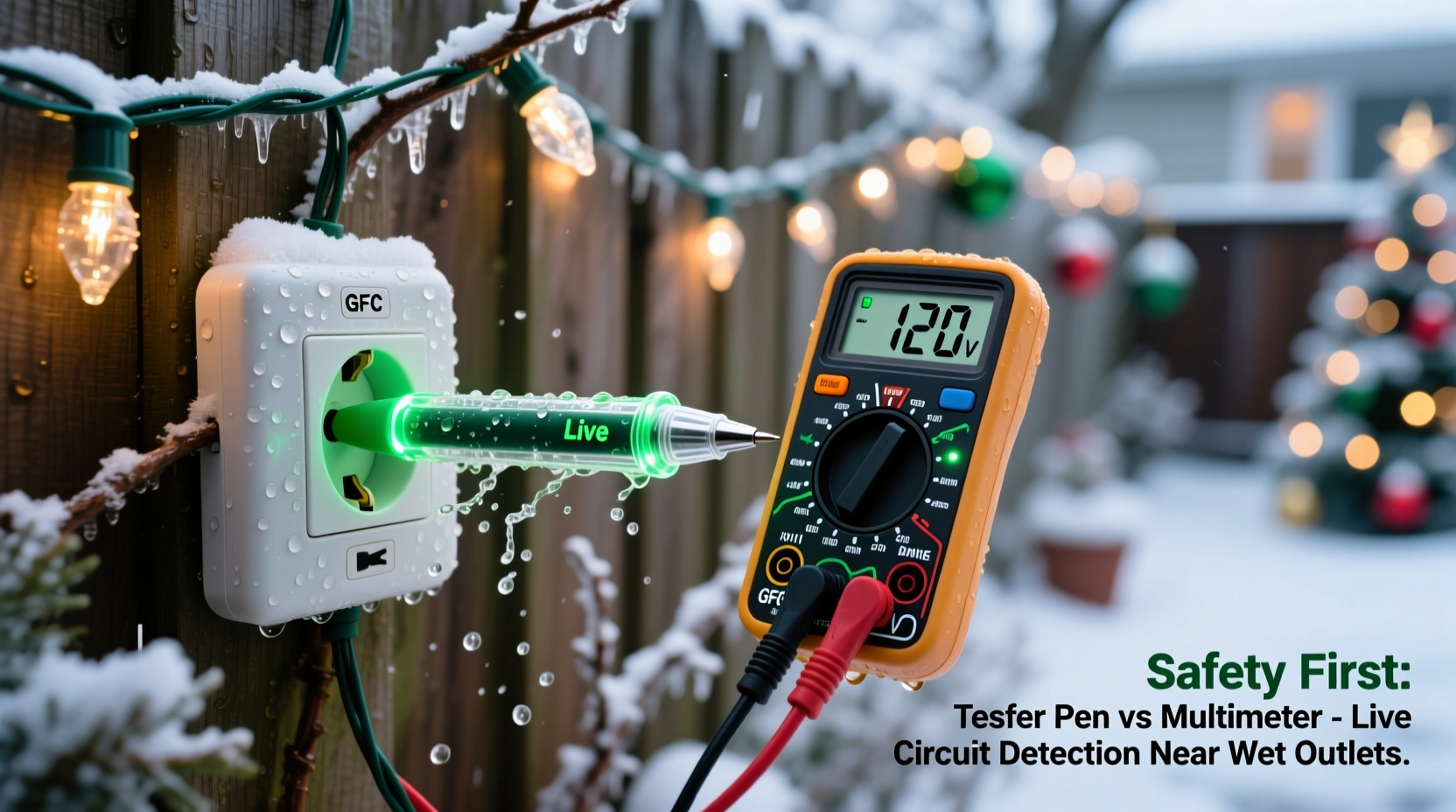
Voltage tester pens are simple and easy to use. They detect live wires without touching metal parts. This reduces the risk of electric shock. Most pens have insulated tips and bright indicators. These features alert users to live voltage quickly. Still, avoid contact with exposed wires.
Multimeter Safety Precautions
Multimeters measure voltage, current, and resistance. They require correct settings to avoid errors and hazards. Always check the dial before testing. Use proper probes with insulated handles. Never touch the metal tips during measurement. Multimeters can handle higher voltages but need careful handling.
Using Tools With Proper Personal Protection
Wear insulated gloves when working with electricity. Safety glasses protect eyes from sparks. Avoid loose clothing or jewelry near electrical parts. Stand on dry, non-conductive surfaces. These steps help reduce injury risks while testing electrical circuits.
Regular Inspection And Maintenance
Check tools for cracks or damage before each use. Damaged insulation can expose users to live wires. Replace batteries in voltage testers and multimeters regularly. Clean tools to ensure accurate readings. Well-maintained tools keep users safer and work easier.
Ease Of Use And Portability
Ease of use and portability are key factors when choosing between a voltage tester pen and a multimeter. Both tools measure electrical values, but their design and function affect how simple they are to carry and operate. Understanding these differences helps pick the right device for daily tasks or professional work.
Ease Of Use
A voltage tester pen is simple. It usually has one button or no buttons at all. Just touch the wire or outlet, and it shows if electricity is present. This makes it perfect for beginners or quick checks.
Multimeters have more functions and buttons. They require selecting the right mode before testing. This can confuse new users. Learning to use a multimeter takes some time and practice.
Portability
Voltage tester pens are small and light. They fit easily in a pocket or tool belt. This makes them handy for on-the-go use or tight spaces.
Multimeters are bigger and heavier. They often come with probes and cables. Carrying them requires more space and care. Still, many models are designed to be portable enough for fieldwork.
Cost And Value
Cost and value play a major role when choosing between a voltage tester pen and a multimeter. Both tools serve different purposes and come at different price points. Understanding their cost helps you decide which tool fits your budget and needs. Value is about more than price; it means getting the right features for your tasks.
Cost Of A Voltage Tester Pen
Voltage tester pens are usually very affordable. Basic models often cost less than $20. They offer a simple way to check if wires or outlets have power. Their low price makes them a good choice for home use or quick checks. They do not measure voltage levels or other electrical properties.
Cost Of A Multimeter
Multimeters are more expensive than voltage tester pens. Entry-level models start around $30 and can go above $100 for advanced features. They measure voltage, current, and resistance. This makes them useful for detailed electrical work. The higher cost reflects their versatility and precision.
Value Comparison
Voltage tester pens provide good value for basic safety checks. They are easy to use and carry. Multimeters offer more value for electricians and hobbyists who need detailed readings. They save money by combining many tools in one. Choose based on how much detail you need for your projects.
Choosing Based On Your Needs
Choosing the right tool depends on the tasks you plan to do. Both voltage tester pens and multimeters serve different purposes. Knowing your needs helps pick the best option. Each tool fits certain users better than others.
For Home Use
Voltage tester pens suit quick checks around the house. They detect live wires easily and safely. Simple tasks like checking outlets or switches are a good fit. The pen is light and easy to carry. It requires no special skills to operate.
For Professional Work
Multimeters offer more detailed measurements for complex jobs. Electricians rely on them for accurate voltage, current, and resistance readings. These tools support troubleshooting and repairs on various devices. Professionals need tools with higher accuracy and more functions. Multimeters meet these demands well.
For Hobbyists
Hobbyists enjoy both tools depending on their projects. Beginners may start with a voltage tester pen for safety checks. More advanced hobbyists prefer multimeters for deeper analysis. Multimeters help measure electronic components and circuits. Choosing depends on the complexity and type of hobby work.

Credit: www.amazon.com
Maintenance And Calibration
Maintenance and calibration keep your tools accurate and safe. Both voltage tester pens and multimeters need regular care. Proper upkeep extends their life and ensures correct readings. Ignoring this can lead to faulty results or device damage.
Maintenance Of Voltage Tester Pens
Voltage tester pens require simple maintenance. Clean the tip with a dry cloth. Avoid moisture and dust inside the device. Replace batteries often to keep it working well. Store the pen in a dry place to prevent corrosion.
Maintenance Of Multimeters
Multimeters need careful handling and cleaning. Wipe the screen and probes with a soft cloth. Check the test leads for cracks or damage. Replace worn-out parts immediately. Keep the device in a protective case to avoid shocks.
Calibration Of Voltage Tester Pens
Voltage tester pens usually need less frequent calibration. Some models self-calibrate when turned on. Others require professional calibration after a certain period. Calibration ensures the pen detects voltage accurately. Follow the manufacturer’s instructions for best results.
Calibration Of Multimeters
Multimeters need regular calibration for precise readings. Calibration involves comparing the meter against a known standard. It corrects any measurement errors over time. Professionals or service centers usually perform this task. A well-calibrated multimeter provides reliable and safe measurements.
Tips For Effective Testing
Testing electrical circuits safely and accurately requires the right approach. Both voltage tester pens and multimeters are useful tools. Knowing how to use them correctly improves your results and keeps you safe.
Follow clear steps and safety rules. Understand each tool’s function before testing. This will help you avoid mistakes and damage.
Use The Right Tool For The Job
Voltage tester pens check for live wires quickly. Multimeters measure voltage, current, and resistance. Choose the tool that matches your testing need. This saves time and ensures accuracy.
Check Tool Condition Before Testing
Inspect your tester for damage or wear. Replace old batteries to avoid false readings. Clean the probe tips for better contact. A well-maintained tool gives reliable results.
Follow Proper Testing Procedures
Turn off power before connecting the multimeter. Test voltage with the correct settings. Hold the voltage tester pen near the wire without touching it. This reduces risk and improves safety.
Double-check Readings
Take multiple readings for accuracy. Compare results using both tools if possible. Confirming results helps detect errors and faulty circuits.
Wear Safety Gear
Use insulated gloves and safety glasses when testing. Stand on a dry surface to avoid electric shock. Safety gear protects you during the process.
Credit: www.alibaba.com
Frequently Asked Questions
What Is The Main Difference Between Voltage Tester Pen And Multimeter?
A voltage tester pen detects the presence of voltage quickly. A multimeter measures voltage, current, and resistance for detailed analysis. The pen is simple, while the multimeter is versatile and precise.
Which Tool Is Safer For Quick Electrical Checks?
Voltage tester pens are safer for quick checks since they are non-contact. Multimeters require direct connection, increasing risk if not handled properly. Pens provide a fast, low-risk voltage detection method.
Can A Voltage Tester Pen Measure Current Or Resistance?
No, voltage tester pens cannot measure current or resistance. They only detect voltage presence. For measuring current and resistance, a multimeter is necessary, offering broader diagnostic capabilities.
When Should I Use A Multimeter Instead Of A Voltage Tester Pen?
Use a multimeter for detailed electrical measurements and troubleshooting. It provides accurate voltage, current, and resistance data. Use a voltage tester pen only for quick voltage presence checks.
Conclusion
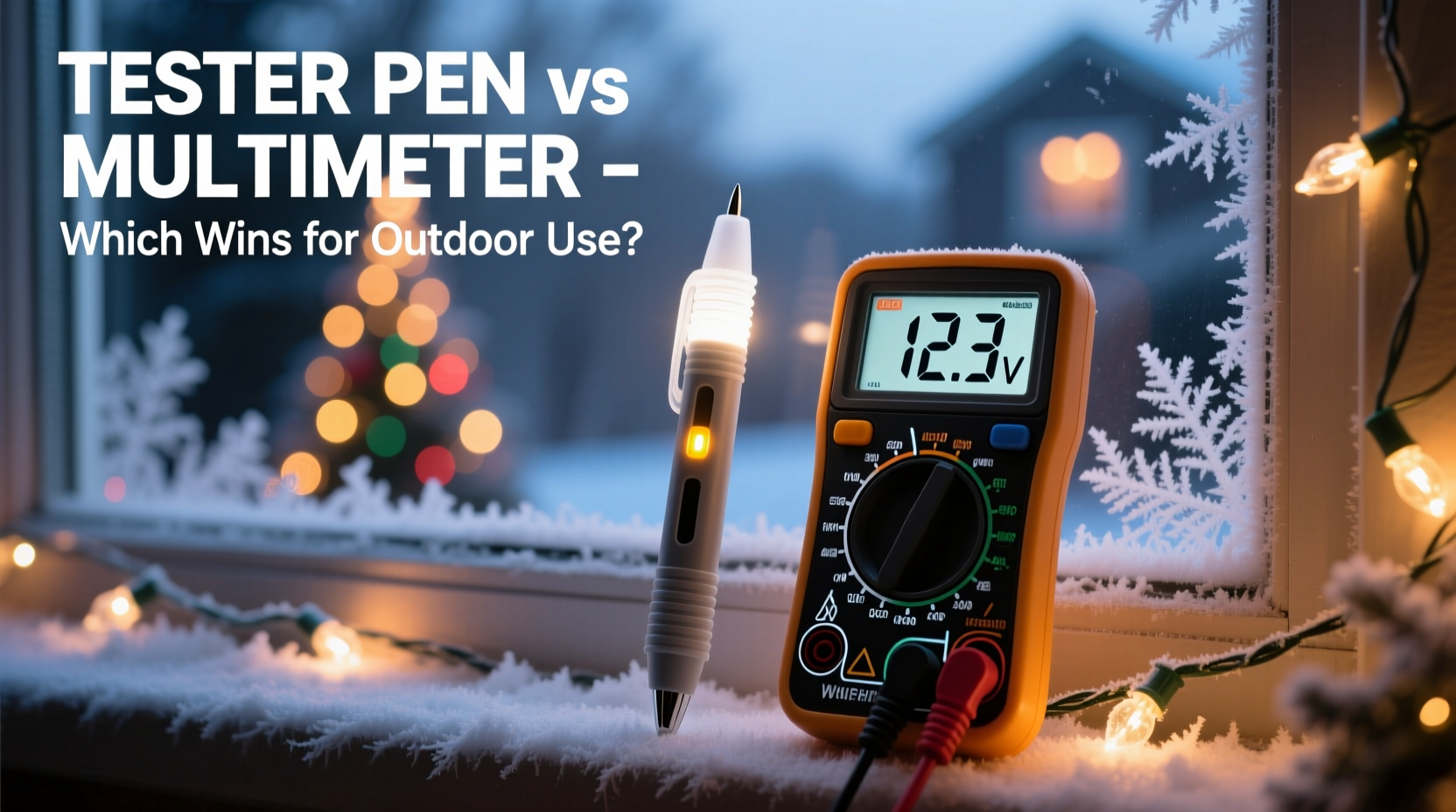
Choosing between a voltage tester pen and a multimeter depends on your needs. Voltage tester pens are quick and easy for simple checks. Multimeters offer more details and can measure different things like current and resistance. For basic safety checks, the pen works well.
For detailed electrical work, the multimeter is better. Both tools have clear uses and help keep you safe. Think about what tasks you do most before buying. Use the right tool to work smarter and safer every time.

I’m Asif Ur Rahman Adib, an Electrical Engineer and lecturer. My journey began in the lab, watching students struggle with instruments they used every day without fully understanding them. Over time, I’ve combined teaching, research, and hands-on experience to help others grasp electrical concepts clearly, safely, and practically—whether it’s understanding a circuit or mastering a multimeter.