When you pick up a multimeter, one of the first choices you face is whether to use auto ranging or manual ranging. This decision can make a big difference in how quickly and accurately you get your readings.
Are you tired of fumbling with settings or worried about damaging your device by choosing the wrong range? Understanding the key differences between auto ranging and manual ranging multimeters will save you time, reduce frustration, and help you work smarter.
Keep reading, and you’ll discover which type fits your needs best and how to get the most out of your tool every time.

Credit: dronebotworkshop.com
Auto Ranging Multimeter Basics
An auto ranging multimeter makes measuring electrical values simple. It adjusts itself to the correct range automatically. This feature helps users avoid manual range selection errors. It suits beginners and experts who want fast, reliable readings.
How Auto Ranging Works
The multimeter detects the signal size first. Then it picks the right measurement range. This happens within seconds, without user input. The device measures voltage, current, or resistance automatically. It stops guessing and saves time by choosing the best scale.
Key Features
Auto ranging multimeters have clear digital displays. They show precise readings without extra steps. Most models include overload protection to avoid damage. Some have data hold buttons to freeze the reading. Compact designs make them easy to carry and use.
Common Uses
Electricians use auto ranging multimeters for quick checks. DIY enthusiasts find them handy for home repairs. Engineers rely on them for testing circuits and components. They suit any task where fast, accurate measurement is needed. Auto ranging multimeters reduce mistakes and speed up work.

Credit: www.youtube.com
Manual Ranging Multimeter Basics
Manual ranging multimeters are essential tools for many electricians and hobbyists. They require the user to select the measurement range before testing. This process may seem old-fashioned but offers precise control over measurements.
Understanding the basics of manual ranging multimeters helps users get accurate readings. It also improves safety by avoiding overloads and damage to the device. Below are key points that explain how these tools work and why they remain popular.
How Manual Ranging Works
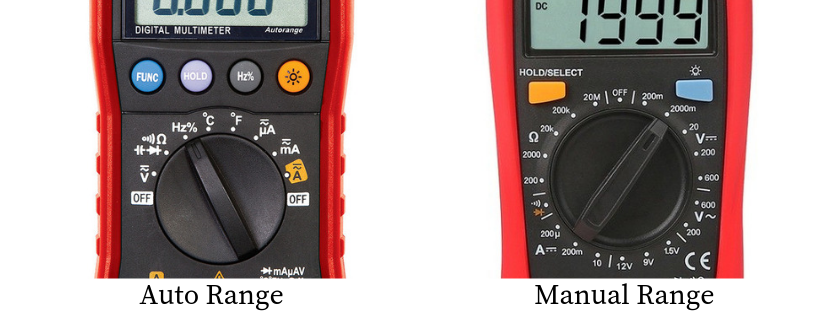
Manual ranging multimeters have a dial or switch. Users turn this dial to select the measurement type and range. For example, setting the meter to 20 volts or 200 volts.
The meter then measures only within the chosen range. If the value is higher, the meter shows an overload or error. This forces the user to select a higher range.
This method gives control and can provide more precise readings than auto ranging meters in some cases.
Key Features
Manual ranging multimeters have several important features. They include a clear dial with multiple range options. This allows users to choose exact measurement limits.
They often have a simple display that shows numbers clearly. Some models include a hold button to freeze readings for review.
Manual meters are usually more affordable and durable than auto ranging types. They also use less battery power.
Common Uses
Manual ranging multimeters are popular in education and training. They teach users how to read and understand electrical values.
Electricians use them for troubleshooting simple circuits. The control over ranges helps diagnose specific problems.
Hobbyists and DIYers prefer manual meters for projects needing careful measurement. Their straightforward operation suits beginners and experts alike.
Accuracy And Precision
Accuracy and precision are key in electrical measurements. They determine how close a reading is to the true value and how consistent repeated readings are. Using the right multimeter setting affects both accuracy and precision significantly. Understanding this helps in choosing between auto ranging and manual ranging multimeters.
Impact Of Ranging On Measurements
Manual ranging lets you select the exact measurement range. This control can improve accuracy by avoiding range overload or underload. Auto ranging multimeters automatically pick the range. This convenience might sometimes reduce precision in complex measurements. Incorrect range choice in manual mode can cause wrong readings. Auto ranging reduces user error but might take longer to stabilize. The right range ensures clear, sharp readings with less noise.
Situations Requiring High Precision
High precision is crucial in sensitive electronics repair. Small voltage or current changes must be detected accurately. Manual ranging suits these tasks well, giving more control. Auto ranging is helpful for quick checks or general use. Lab testing and detailed troubleshooting often demand manual settings. Precision instruments require stable and exact ranges. Choosing manual range helps avoid measurement fluctuations and errors.
Credit: www.yamanelectronics.com
Ease Of Use
Ease of use is a key factor when choosing a multimeter. It affects how quickly and accurately you can get readings. Both auto ranging and manual ranging multimeters have different user experiences. Understanding these differences helps you pick the right tool.
User Experience With Auto Ranging
Auto ranging multimeters select the correct range automatically. This means less effort and fewer mistakes. Users only need to connect the probes and read the display. It is ideal for beginners or quick tests. The device adjusts itself for voltage, current, or resistance. It saves time and reduces frustration. You do not have to guess the range. This convenience makes the tool friendly for everyday use.
User Experience With Manual Ranging
Manual ranging multimeters require the user to set the range. This means more control over the measurement process. Users must know the approximate value before testing. It can be challenging for beginners. Setting the wrong range leads to inaccurate readings or no reading. Experienced users may prefer manual ranging for precision. It also helps when measuring unusual or very low values. The process is slower but can be more rewarding with practice.
Speed And Efficiency
Speed and efficiency are key factors when choosing between auto ranging and manual ranging multimeters. The right tool helps you finish your work faster and with less effort. Understanding how each type affects your workflow can save time and reduce mistakes.
Time Saved With Auto Ranging
Auto ranging multimeters select the correct range automatically. This removes the need to guess the measurement scale. It saves time by avoiding multiple attempts to find the right setting. For beginners, it reduces confusion and speeds up testing. In busy work environments, every second counts. Auto ranging helps complete tasks more quickly and smoothly.
When Manual Ranging Might Be Faster
Manual ranging multimeters give full control over the range selection. Experienced users can pick the exact range faster than waiting for the auto function. Manual mode avoids delays from the meter searching for the right scale. It can improve measurement speed for simple, repetitive checks. Skilled technicians often prefer manual ranging for quick, precise readings.
Cost Comparison
Comparing the cost of auto ranging and manual ranging multimeters helps buyers choose the right tool. Price plays a big role in deciding which multimeter fits your budget and needs. Understanding the price differences and value helps make a smart purchase.
Price Differences
Manual ranging multimeters usually cost less than auto ranging models. They have fewer parts and simpler technology. Auto ranging multimeters come with more features. These features add to the cost. The price gap can be quite large, especially for high-end models.
Basic manual ranging multimeters can start under $20. Auto ranging models often start around $40 or more. Prices rise with brand and accuracy. Professionals often choose auto ranging despite higher cost. Beginners may find manual ranging enough for basic tasks.
Value For Money
Manual ranging multimeters offer good value for simple jobs. They are reliable and easy to repair. They save money on the initial purchase. Auto ranging multimeters save time and reduce errors. This saves money in the long run.
Auto ranging multimeters are better for complex measurements. They reduce guesswork and speed up work. This can mean less wasted time and fewer mistakes. For heavy use, auto ranging gives better value despite higher cost. For occasional use, manual ranging might be the smarter buy.
Battery Life Considerations
Battery life is a key factor when choosing between auto ranging and manual ranging multimeters. Longer battery life means fewer interruptions during work. It also lowers the cost of frequent battery replacements. Understanding how each multimeter type uses power helps pick the right tool for your needs.
Power Consumption In Auto Ranging
Auto ranging multimeters use more power. They constantly scan and adjust the range automatically. This scanning uses battery energy even when the meter is not actively measuring. The built-in microprocessor needs power to perform these tasks. As a result, auto ranging models drain batteries faster than manual ones.
Some auto ranging meters include power-saving features. These features turn off the display or meter after inactivity. Still, their overall power consumption remains higher. Users should expect to replace batteries more often with auto ranging devices.
Power Consumption In Manual Ranging
Manual ranging multimeters use less battery power. They do not scan for the correct range automatically. Instead, users set the range before taking a measurement. This reduces the load on the device’s electronics. The microprocessor inside is simpler and uses less energy.
Manual meters often last longer on the same battery type. This makes them ideal for fieldwork or long sessions without battery replacements. Battery life can be significantly extended with manual ranging multimeters.
Choosing The Right Multimeter
Choosing the right multimeter is important for accurate and safe measurements. A multimeter helps you test electrical circuits by measuring voltage, current, and resistance. There are two main types: auto ranging and manual ranging. Each type suits different needs and skill levels. Understanding their features helps you pick the best one for your tasks.
Factors To Consider
Think about your experience with electronics. Auto ranging multimeters select the correct measurement range automatically. This makes them easier to use for beginners or quick checks. Manual ranging multimeters require you to set the range yourself. This gives more control but needs more knowledge.
Consider the types of projects you do. If you work on various electrical devices, an auto ranging multimeter saves time. For precise work or specialized testing, manual ranging units offer better accuracy. Also, check the meter’s durability, screen size, and battery life.
Best Applications For Each Type
Auto ranging multimeters work well for home repairs, simple electrical tasks, and hobbyists. They reduce errors by choosing the right range automatically. This helps avoid damage to the meter or incorrect readings.
Manual ranging multimeters suit professionals and experienced users. They are ideal for detailed troubleshooting and testing in labs or workshops. Users can pick exact ranges for delicate measurements. This makes manual meters perfect for complex or advanced tasks.
Troubleshooting Tips
Troubleshooting a multimeter is key to getting accurate readings. Both auto ranging and manual ranging multimeters have unique issues. Knowing these helps fix problems fast. This section covers common troubleshooting tips for each type. It guides you to identify and solve typical problems effectively.
Common Issues With Auto Ranging
Auto ranging multimeters can sometimes be slow to select the correct range. This delay may cause frustration during quick tests. They might also pick the wrong range if the signal is unstable. Another issue is battery drain. Auto ranging uses more power, so batteries run out quicker. Sometimes, the auto function can fail to detect low voltage signals. In these cases, readings may appear incorrect or fluctuate.
To fix these, try resetting the multimeter or turning it off and on. Replace batteries if power seems low. Avoid testing signals with high noise or interference. Keep the probes clean and connected firmly. If problems continue, consult the user manual or consider a manual ranging meter for more control.
Common Issues With Manual Ranging
Manual ranging multimeters require you to select the range before testing. Picking the wrong range causes errors or no reading at all. For example, setting the range too low can overload the meter. Setting it too high can give inaccurate low readings. Another common issue is forgetting to switch ranges during a test. This mistake leads to confusion and wasted time.
To avoid these problems, always start with the highest range. Slowly decrease the range to get a precise reading. Check the dial position before measuring. Keep the meter and probes clean to avoid false signals. Regularly inspect the meter for damage or wear. Proper handling improves accuracy and extends meter life.
Frequently Asked Questions
What Is The Difference Between Auto And Manual Ranging Multimeters?
Auto ranging multimeters select the measurement range automatically. Manual ranging requires users to set the range before measuring. Auto ranging is faster and easier for beginners. Manual ranging offers more control and precision for experienced users.
Which Multimeter Type Is Better For Beginners?
Auto ranging multimeters are ideal for beginners. They simplify measurements by automatically selecting the correct range. This reduces errors and speeds up testing. Manual ranging multimeters require more knowledge to avoid incorrect range settings.
Can Manual Ranging Multimeters Provide More Accurate Readings?
Yes, manual ranging multimeters can offer higher accuracy. Users select the exact range, minimizing measurement errors. Auto ranging may sometimes choose a less precise range. However, both types are generally accurate when used properly.
Are Auto Ranging Multimeters More Expensive Than Manual Ones?
Typically, auto ranging multimeters cost more due to advanced features. Manual ranging models are simpler and less costly. Price differences vary by brand and functionality. Budget and intended use influence the best choice.
Conclusion
Choosing between auto ranging and manual ranging multimeters depends on your needs. Auto ranging saves time by selecting the range automatically. Manual ranging offers more control for precise measurements. Both types have strengths and weaknesses. Think about your comfort level and project type.
A simple task might suit auto ranging better. Complex work could need manual control. Use the multimeter that feels right for you. This helps you measure accurately and work efficiently. Either way, understanding these differences improves your tool use.

I’m Asif Ur Rahman Adib, an Electrical Engineer and lecturer. My journey began in the lab, watching students struggle with instruments they used every day without fully understanding them. Over time, I’ve combined teaching, research, and hands-on experience to help others grasp electrical concepts clearly, safely, and practically—whether it’s understanding a circuit or mastering a multimeter.