Are you confused about whether you need a voltage tester or a multimeter for your electrical tasks? Choosing the right tool can save you time, keep you safe, and make your work much easier.
You’ll discover the key differences between these two devices, how each one works, and which is best for your specific needs. By the end, you’ll feel confident picking the perfect tool for your next project. Keep reading to get clear answers and avoid costly mistakes!

Credit: www.differencebetween.net
Basics Of Voltage Testers
Voltage testers are simple tools used to check if electrical power is present. They help you see if wires or devices have voltage. This is important for safety and quick checks during electrical work. Understanding voltage testers helps you choose the right tool for basic electrical tasks.
Voltage testers are different from multimeters but serve a clear purpose. They are easy to use and give quick answers. Let’s explore the types, how they work, and their common uses.
Types Of Voltage Testers
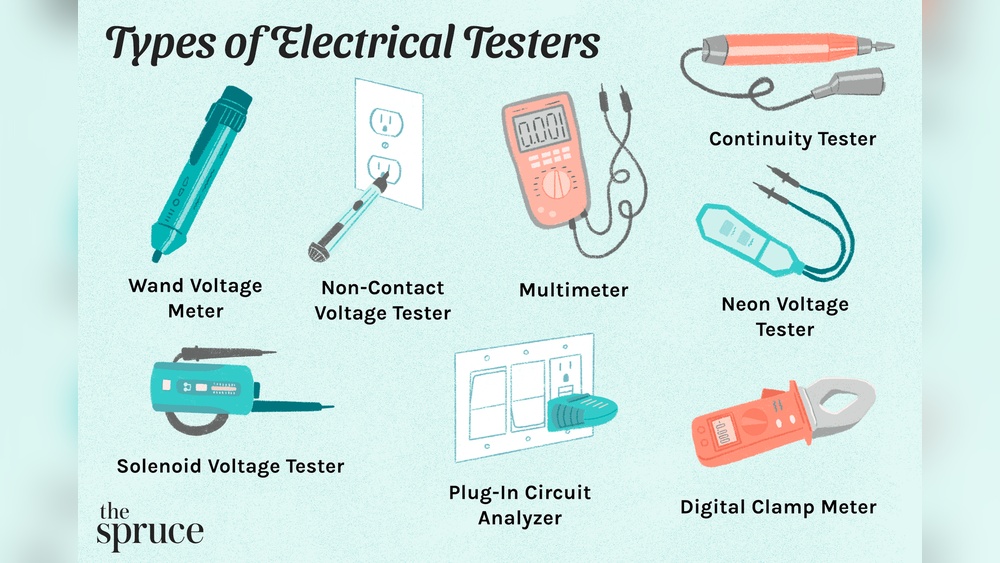
There are several types of voltage testers. The most common is the non-contact voltage tester. It detects voltage without touching the wire. Another type is the two-point voltage tester. It requires contact with the circuit to test voltage. Some testers have lights or sound to show voltage presence.
How Voltage Testers Work
Voltage testers detect electric fields or current flow. Non-contact testers sense the electric field from a distance. Contact testers measure voltage by touching two points in a circuit. The tester then shows a light or sound if voltage is detected. This helps you know if power is live safely and quickly.
Common Uses
Voltage testers check if outlets or wires have power. Electricians use them before starting repairs. Homeowners use testers to find power issues. They also check if switches or devices work correctly. Voltage testers prevent electric shocks by confirming power is off.
Basics Of Multimeters
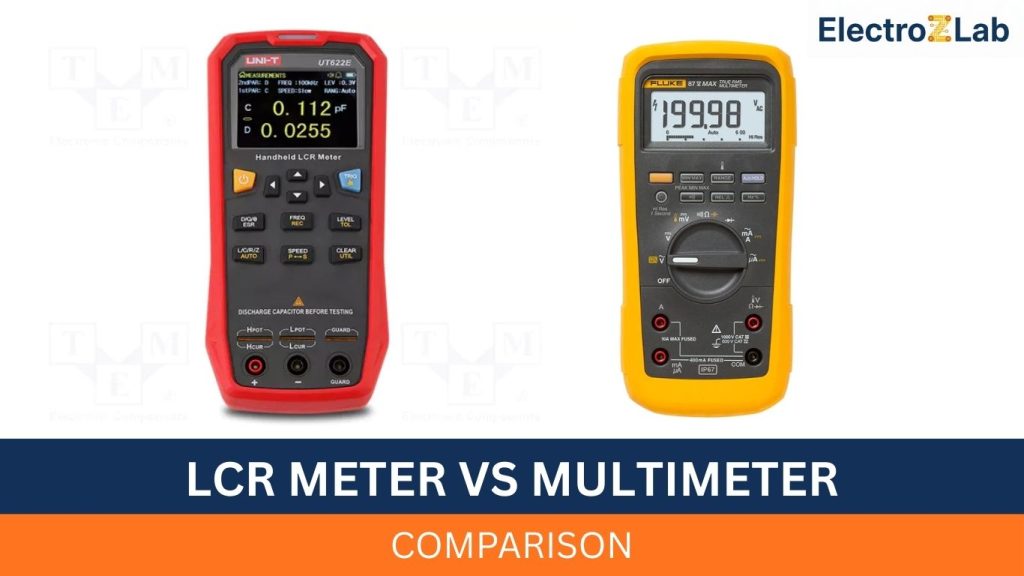
A multimeter is a tool used to measure electrical values. It helps to check voltage, current, and resistance in circuits. Understanding the basics of multimeters is important for anyone working with electronics or electrical systems.
This tool combines several functions into one device. It offers more information than a simple voltage tester. Multimeters are common in homes, schools, and industries.
Types Of Multimeters
There are two main types of multimeters: analog and digital. Analog multimeters use a needle to show readings on a scale. Digital multimeters display numbers on a screen. Digital ones are easier to read and more popular today.
Functions And Features
Multimeters measure voltage, current, and resistance. Some models also test continuity, capacitance, and temperature. They often have a dial or buttons to select the function. Many have safety features like overload protection.
Applications In Testing
Multimeters are used to find electrical problems. They test batteries, fuses, and wires. Electricians use them to check circuits and appliances. Hobbyists use them for DIY electronics projects. They help to ensure devices work safely and correctly.
Accuracy In Voltage Testing
Accuracy in voltage testing matters a lot for safety and correct results. It helps avoid mistakes and potential damage. Both voltage testers and multimeters offer ways to measure voltage. Yet, their accuracy can differ based on tools and conditions.
Factors Affecting Accuracy
Several factors can affect the accuracy of voltage measurements. The quality of the tool plays a big role. Old or damaged equipment gives wrong readings. The environment, such as temperature and humidity, also impacts results. User skills matter too. Poor handling can cause errors. Proper calibration of the device is essential for precise readings.
Voltage Tester Accuracy
Voltage testers are simple tools. They mainly show if voltage is present or not. Some models offer approximate voltage levels. Their accuracy is lower than multimeters. They are good for quick checks but not for precise measurements. Accuracy depends on the tester’s design and battery condition. They work best for basic tasks and safety checks.
Multimeter Accuracy
Multimeters provide detailed voltage readings. They measure voltage in volts with decimals. Digital multimeters are usually more accurate than analog ones. They offer higher precision and multiple functions. The accuracy depends on the multimeter’s quality and settings. Regular calibration improves their reliability. Professionals prefer multimeters for precise voltage testing.

Credit: www.youtube.com
Ease Of Use
Ease of use is a key factor when choosing between a voltage tester and a multimeter. Both tools serve important roles, but their design affects how simple they are to use. Understanding these differences helps pick the right tool for your needs.
User Interface Comparison
Voltage testers have simple interfaces. Usually, they have one or two buttons and a light or sound indicator. This makes them quick to understand and use. Multimeters have more buttons, dials, and a screen. This complexity allows more functions but can confuse beginners.
Setup And Calibration
Voltage testers require almost no setup. Just turn them on and test the voltage. Multimeters need more steps. You must select the correct setting and sometimes calibrate the device. This takes extra time and care to avoid mistakes.
Portability And Convenience
Voltage testers are small and lightweight. They fit easily in your pocket or toolbox. Multimeters are bigger and heavier. They may need a case to carry. For quick checks, voltage testers offer more convenience.
Safety Considerations
Safety is the top priority when working with electrical tools. Voltage testers and multimeters help check electrical circuits safely. Each tool has features to protect users from electric shock and damage. Understanding these safety features helps prevent accidents and injuries. Following safe testing practices also ensures reliable results.
Safety Features In Voltage Testers
Voltage testers usually have insulated tips to avoid shocks. Many models include a warning light to show live wires. Some testers have a non-contact feature to detect voltage without touching wires. This reduces the risk of electric shock. Voltage testers often have a simple design that lowers user error. They work well for quick voltage checks on outlets and wires.
Safety Features In Multimeters
Multimeters have fuses inside to protect against overload. They come with insulated probes to prevent accidental contact. Many multimeters have a warning beep for dangerous voltage levels. They include settings for different types of measurements with safety limits. Good multimeters have clear markings and sturdy build to avoid mistakes. These features help users test voltage, current, and resistance safely.
Best Practices For Safe Testing
Always check that tools are in good condition before use. Wear rubber gloves and use insulated tools for extra protection. Keep your hands dry to avoid electric shock. Test on low voltage circuits first, then move to higher ones. Never touch metal parts of probes during testing. Follow the tool’s instructions carefully for each test. Store tools safely after use to keep them working well.
Cost And Value
Cost and value play a big role when choosing between a voltage tester and a multimeter. Both tools serve important purposes but differ in price and what they offer. Understanding these differences helps pick the best tool for your needs and budget.
Price Range Comparison
Voltage testers usually cost less. Basic models start around $10 to $30. They check if electricity flows in wires. Multimeters have a wider price range. Simple ones can start at $15, but advanced models reach $100 or more. They measure voltage, current, resistance, and more.
Long-term Value
Voltage testers last long and are easy to use. They work well for quick checks. Multimeters provide more functions and details. They help with many electrical tasks. This makes multimeters valuable for repairs and projects. Spending more on a multimeter can save money later.
Choosing Based On Budget
For tight budgets, a voltage tester is a smart choice. It covers basic safety needs without extra cost. If your work needs detailed readings, invest in a multimeter. Consider how often and what you test. Balancing price and features ensures good value.
Choosing The Right Tool
Choosing the right tool is important for electrical work. Using the right device helps you work safely and get accurate results. Voltage testers and multimeters both check electrical circuits. But each tool fits different needs. Understanding your requirements makes the choice clear.
Testing Needs Assessment
First, think about what you need to test. A voltage tester only checks if voltage is present. It is simple and fast for this task. A multimeter measures voltage, current, and resistance. It shows exact values, not just presence. Choose a tool based on the type of measurement you want.
Professional Vs Diy Use
Professionals often need more detailed readings. They prefer multimeters for their precision and multiple functions. DIY users might only need to check if power is on. Voltage testers are easier and safer for beginners. Consider your skill level before picking a tool.
Recommendations For Different Scenarios
For quick checks of live wires, use a voltage tester. It is handy and avoids complexity. For troubleshooting circuits or repairing devices, a multimeter is best. It helps find exact problems. For home use, a voltage tester covers most needs. For complex or frequent tasks, invest in a multimeter.

Credit: www.dynamicgroup.net.au
Frequently Asked Questions
What Is The Main Difference Between Voltage Tester And Multimeter?
A voltage tester detects presence or absence of voltage only. A multimeter measures voltage, current, and resistance with precision and multiple functions.
Can A Multimeter Replace A Voltage Tester?
Yes, a multimeter can replace a voltage tester. It offers more detailed and versatile electrical measurements beyond just voltage presence.
When Should I Use A Voltage Tester Instead Of A Multimeter?
Use a voltage tester for quick voltage presence checks. It’s simple, fast, and safer for non-technical users compared to a multimeter.
Are Voltage Testers More User-friendly Than Multimeters?
Yes, voltage testers are generally easier for beginners. They provide straightforward voltage detection without complex settings or readings.
Conclusion
Choosing between a voltage tester and a multimeter depends on your needs. Voltage testers check if power is present quickly and easily. Multimeters measure voltage, current, and resistance for detailed info. For simple tasks, a voltage tester works well. For more complex jobs, a multimeter gives better results.
Both tools keep you safe when working with electricity. Knowing their functions helps you pick the right one. This way, you handle electrical tasks with confidence and care.

I’m Asif Ur Rahman Adib, an Electrical Engineer and lecturer. My journey began in the lab, watching students struggle with instruments they used every day without fully understanding them. Over time, I’ve combined teaching, research, and hands-on experience to help others grasp electrical concepts clearly, safely, and practically—whether it’s understanding a circuit or mastering a multimeter.