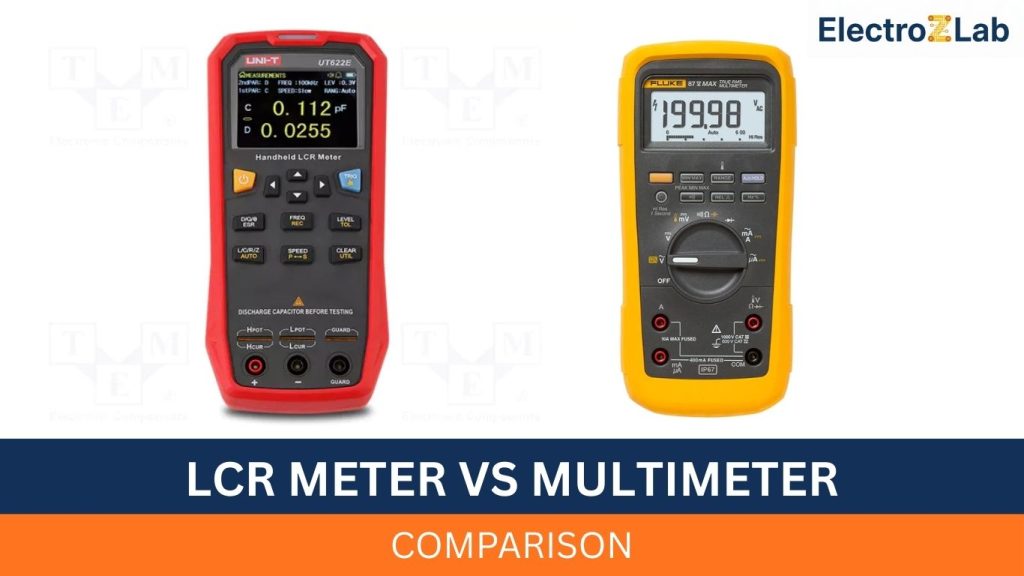
Are you confused about whether to use a bonding meter or a multimeter for your electrical projects? You’re not alone.
Choosing the right tool can save you time, money, and frustration. This article will help you understand the key differences between these two devices so you can make the best choice for your needs. Keep reading to discover how each tool works and which one fits your tasks perfectly.
Your next project will thank you!

Credit: www.fluke.com
Purpose And Function
The purpose and function of bonding meters and multimeters differ based on their specific roles in electrical work. Understanding these differences helps choose the right tool for each task. Both devices measure electrical properties but focus on different aspects.
Role Of A Bonding Meter
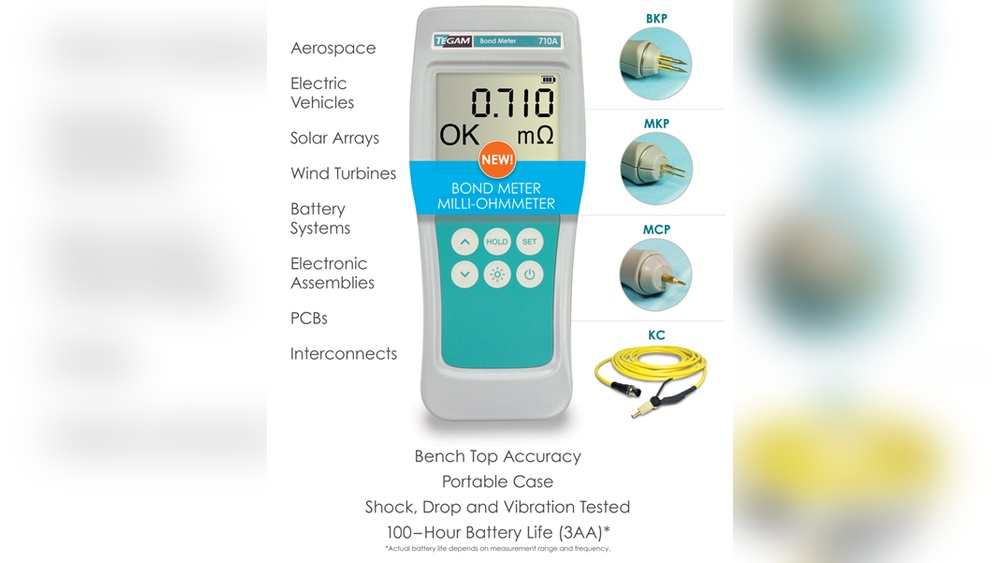
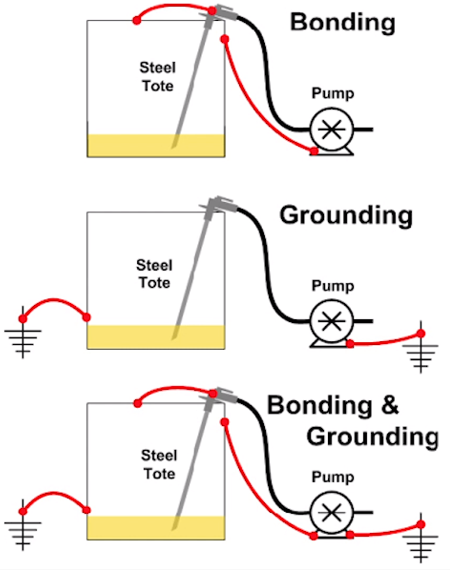
A bonding meter checks the connection between metal parts and the ground. It ensures safety by measuring how well the bond conducts electricity. This prevents electrical shock and equipment damage. Bonding meters test grounding systems in buildings and machinery. They verify that all metal parts are properly connected to reduce risk.
Role Of A Multimeter
A multimeter measures voltage, current, and resistance in electrical circuits. It helps diagnose electrical problems by showing if components work correctly. Electricians use multimeters to test batteries, outlets, and wires. This tool is versatile and essential for many electrical tasks. It provides detailed information about a circuit’s condition.

Credit: instruments.uni-trend.com
Measurement Capabilities
Measurement capabilities define the core use of any electrical testing tool. Bonding meters and multimeters both measure electrical properties but serve different purposes. Knowing what each device measures helps you choose the right tool for your tasks.
Parameters Measured By Bonding Meters
Bonding meters primarily measure the resistance between two points in a grounding system. This is critical to ensure proper electrical bonding and safety. They check for low resistance to confirm good connections. These meters often measure resistance in milliohms, which is much lower than typical multimeter readings. They focus on ensuring that electrical parts are bonded correctly to avoid electrical shock or equipment damage.
Parameters Measured By Multimeters
Multimeters measure voltage, current, and resistance in electrical circuits. They test both AC and DC voltage and current. Multimeters also measure resistance but usually in higher ranges than bonding meters. Some models can test continuity and diode function. These devices help troubleshoot electrical problems in appliances, wiring, and electronics. Multimeters provide more general electrical measurements compared to bonding meters.
Design And Components
The design and components of bonding meters and multimeters differ based on their functions. Each device has parts tailored to specific electrical measurements. Understanding these designs helps in choosing the right tool for the task.
Typical Bonding Meter Design
Bonding meters have a simple and sturdy design. They often feature a large, clear display to show resistance values. The device includes two or more heavy-duty leads with clamps. These clamps attach securely to metal surfaces for proper bonding checks. Inside, bonding meters use a low voltage source to measure resistance. Their components focus on accuracy for low-resistance measurements. The casing is usually rugged for use in industrial environments.
Typical Multimeter Design
Multimeters have a more complex design to handle various tests. The device includes a digital or analog display. It has multiple function buttons or a rotary switch to select modes. Leads are thinner and more flexible than bonding meter leads. Inside, multimeters contain circuits for voltage, current, and resistance measurements. Some models add features like continuity testing and diode checks. The body is compact and designed for handheld use in many settings.
Credit: www.tecotec.com.vn
Applications And Usage
Understanding the applications and usage of bonding meters and multimeters helps choose the right tool. Both devices measure electrical properties but serve different purposes. Knowing their common uses guides practical decisions in electrical work.
Common Uses Of Bonding Meters
Bonding meters check the quality of electrical connections. They test grounding and bonding in buildings and equipment. These meters ensure safety by verifying proper earthing. Inspectors use bonding meters during safety audits. They also help maintain lightning protection systems. Bonding meters detect weak or broken connections. They prevent electrical shocks and fire hazards. This tool is key in industrial and residential inspections.
Common Uses Of Multimeters
Multimeters measure voltage, current, and resistance. Electricians use them for troubleshooting electrical circuits. They check batteries, wiring, and electronic devices. Multimeters help find faults in appliances and machines. They measure both AC and DC electrical values. Hobbyists use multimeters for DIY electronics projects. Multimeters also test continuity in circuits. They are versatile tools in many electrical tasks.
Accuracy And Precision
Accuracy and precision are key factors in measuring electrical properties. Both bonding meters and multimeters offer these features, but they differ in how well they perform. Understanding these differences helps in choosing the right tool for your tasks.
Accuracy Of Bonding Meters
Bonding meters measure the resistance between grounding points. They focus on low resistance values, often below 1 ohm. These meters provide accurate readings for connections that must be safe and secure. Their design limits error in measuring small resistance values.
Accuracy Of Multimeters
Multimeters measure a wide range of electrical values, including voltage, current, and resistance. Their accuracy varies depending on the function and range selected. For low resistance, multimeters may not be as precise as bonding meters. This can affect safety testing and troubleshooting.
Precision Of Bonding Meters
Bonding meters deliver consistent results in repeated tests. They use specific techniques to reduce noise and interference. This precision ensures reliable safety checks. Users can trust the readings for bonding and grounding inspections.
Precision Of Multimeters
Multimeters offer moderate precision across multiple measurements. Their broad use sometimes limits exactness in specialized tests. Precision may vary with the quality and brand of the multimeter. For critical low-resistance tests, they may not be the best choice.
Safety Considerations
Safety is the top priority when using electrical testing tools. Both bonding meters and multimeters involve working with electricity. Understanding safety steps keeps you safe and prevents damage. Each tool has unique risks. Knowing these risks helps you use the tools correctly and safely.
Bonding Meter Safety
Bonding meters check the quality of electrical connections. They measure low resistance to ensure good grounding. Always wear insulated gloves to avoid shocks. Use the meter only on de-energized circuits if possible. Avoid touching metal parts during measurement. Follow manufacturer instructions carefully. Check the meter’s condition before use to prevent faults.
Multimeter Safety
Multimeters measure voltage, current, and resistance. They work on live circuits, increasing shock risk. Select the correct setting before testing. Use the right test leads rated for the measurement. Never exceed the meter’s voltage or current limits. Keep your fingers behind the probe guards. Avoid working alone when testing high voltages.
General Safety Tips
Always read the user manual thoroughly. Inspect tools and leads for damage before use. Use protective gear like gloves and safety glasses. Work in a dry environment to prevent slips and shocks. Turn off power whenever possible before testing. Store tools properly to avoid damage and accidents. Respect electrical hazards at all times.
Cost And Availability
Cost and availability play important roles in choosing the right tool. Both bonding meters and multimeters serve electrical testing needs. Their prices and how easy they are to find vary. Understanding these differences helps you decide which fits your budget and needs best.
Cost Of Bonding Meters
Bonding meters usually cost more than basic multimeters. They have special features to test grounding and bonding connections. These extra functions add to their price. Professional-grade bonding meters can be expensive but provide accurate results.
Entry-level bonding meters might be affordable. Still, they have fewer features. For tasks that need precise bonding checks, a higher-priced model is worth the cost.
Cost Of Multimeters
Multimeters come in many price ranges. Basic models are very affordable. They measure voltage, current, and resistance well.
Advanced multimeters with more features cost more. These models suit electricians or hobbyists needing detailed readings. Overall, multimeters offer options for tight budgets and complex jobs.
Availability Of Bonding Meters
Bonding meters are less common than multimeters. You mostly find them in specialized stores or online shops. This limited availability can slow down buying or replacing parts.
Some brands have better distribution, making bonding meters easier to get. Checking multiple suppliers helps find the right model quickly.
Availability Of Multimeters
Multimeters are widely available in many stores. Electronics shops, hardware stores, and online retailers stock them. This wide availability makes multimeters easy to buy anytime.
More brands and models mean more choices. You can compare features and prices before buying. This ease benefits beginners and professionals alike.
Choosing The Right Tool
Choosing the right tool for electrical testing is important. Each tool has a specific job and purpose. Using the correct one saves time and prevents mistakes. It also helps keep you safe. Understanding when to use a bonding meter or a multimeter makes your work easier and more accurate.
When To Use A Bonding Meter
Use a bonding meter to test the quality of electrical bonds. It checks if metal parts are properly connected for safety. This tool measures the resistance between bonded parts. Low resistance means a good bond, which is important for preventing shocks.
Bonding meters are best for checking grounding systems and metal structures. Electricians use them to ensure safety in buildings and industrial sites. They help confirm that all metal parts share the same electrical potential.
When To Use A Multimeter
A multimeter measures voltage, current, and resistance in circuits. It can test batteries, wires, and electrical components. This tool is very versatile and used in many situations.
Choose a multimeter when you need to find electrical faults or measure power. It helps diagnose problems in appliances and wiring. Multimeters are essential for everyday electrical work and repairs.
Frequently Asked Questions
What Is The Main Difference Between Bonding Meter And Multimeter?
A bonding meter measures electrical continuity for safety grounding. A multimeter measures voltage, current, and resistance for general electrical testing. Both tools serve different purposes in electrical work.
Can A Bonding Meter Replace A Multimeter?
No, a bonding meter cannot replace a multimeter. Bonding meters focus on grounding checks, while multimeters perform multiple electrical measurements.
When Should I Use A Bonding Meter Over A Multimeter?
Use a bonding meter to test grounding connections. Use a multimeter for broader electrical diagnostics like voltage and current checks.
Are Bonding Meters More Accurate For Grounding Tests?
Yes, bonding meters provide specialized, reliable readings for grounding continuity. Multimeters may not offer the same precision in bonding tests.
Conclusion
Both bonding meters and multimeters serve important roles in electrical work. Bonding meters check the connection quality between metal parts. Multimeters measure voltage, current, and resistance in circuits. Choosing the right tool depends on your specific task. Understanding their differences helps you work safely and effectively.
Each tool provides unique information to keep systems running well. Use them wisely for accurate electrical testing results. Simple tools, clear purposes. This knowledge makes your electrical projects easier and safer.

I’m Asif Ur Rahman Adib, an Electrical Engineer and lecturer. My journey began in the lab, watching students struggle with instruments they used every day without fully understanding them. Over time, I’ve combined teaching, research, and hands-on experience to help others grasp electrical concepts clearly, safely, and practically—whether it’s understanding a circuit or mastering a multimeter.