Choosing the right multimeter can make a big difference in how easily and accurately you complete your electrical tasks. If you’re stuck between a 4000 count and a 6000 count multimeter, you’re not alone.
Understanding which one fits your needs can save you time, money, and frustration. You’ll discover the key differences that affect precision, usability, and value. By the end, you’ll know exactly which multimeter will work best for your projects—whether you’re a beginner or a pro.
Keep reading to make a confident choice that matches your skill level and goals.

Credit: montgomerycountygop.com
Multimeter Counts Explained
Understanding multimeter counts is important for choosing the right tool. Counts show how many digits the multimeter can display. This affects the detail and accuracy of your readings. Knowing the difference between 4000 and 6000 counts helps you pick the best multimeter for your needs.
What Does 4000 Count Mean
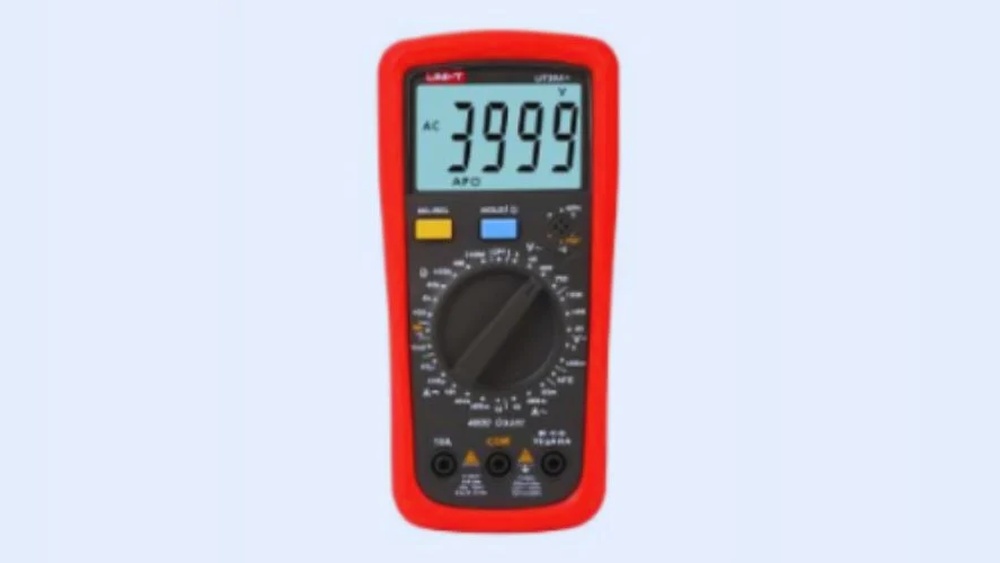
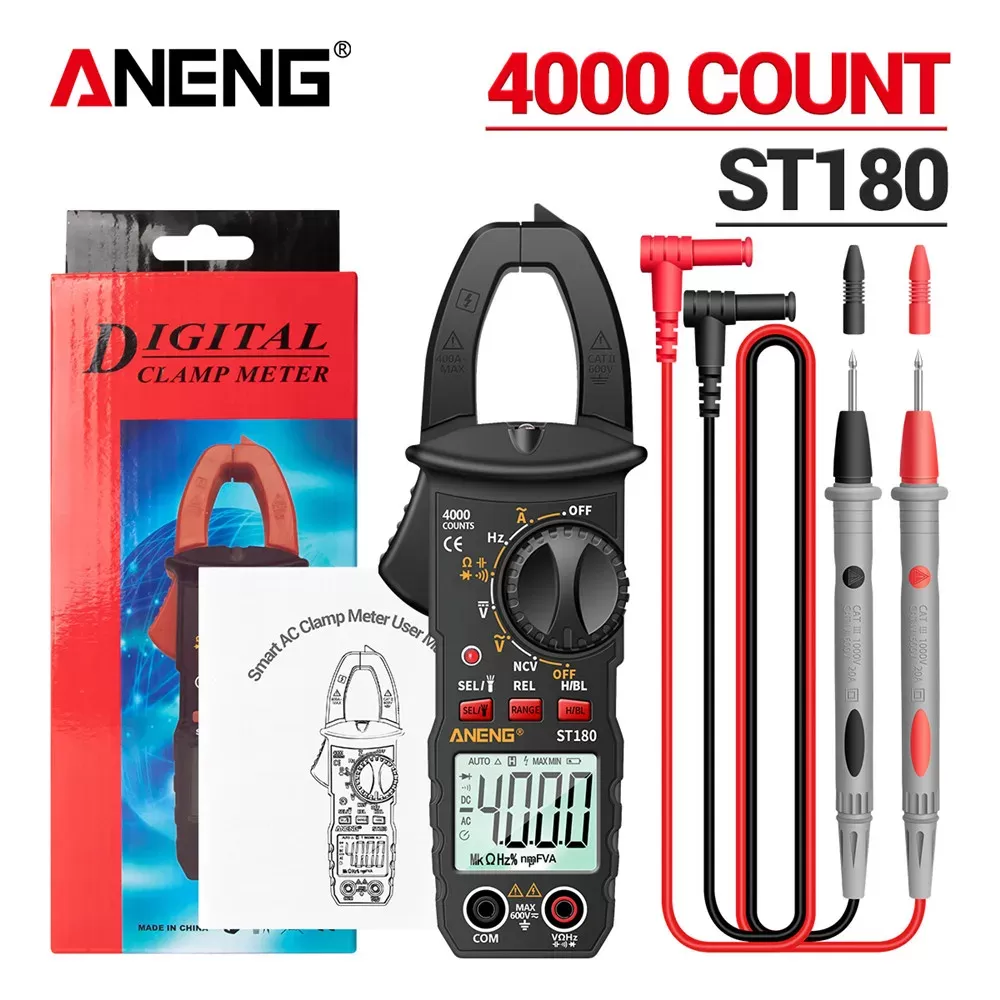
A 4000 count multimeter can show numbers up to 3999. It means the display has four digits, with the last digit being the smallest. This type can measure most common electrical values well. It works fine for home and basic electronics tasks.
What Does 6000 Count Mean
A 6000 count multimeter shows numbers up to 5999. It has a higher resolution than 4000 counts. This allows for more precise readings and better detail. It suits advanced work or when you need to see small changes in measurements.
Impact On Measurement Resolution
Higher counts mean better resolution in your readings. A 6000 count multimeter shows smaller steps between values. This helps detect slight differences in voltage, current, or resistance. Lower count meters may miss these small changes. Choosing the right count depends on how precise you need your measurements.
Accuracy Factors In Multimeters
Accuracy is one of the key features to check when choosing between a 4000 count and a 6000 count multimeter. It affects how close the reading is to the real value. Understanding what influences accuracy helps you pick the right tool for your work.
Many factors impact the accuracy of a multimeter. Counts play a big role, but other elements also matter. Regular calibration keeps the multimeter reliable over time.
Role Of Counts In Accuracy
Counts refer to the maximum number a multimeter can show on its display. A 4000 count meter shows up to 3999, while a 6000 count meter goes up to 5999. Higher counts provide finer detail and better resolution.
More counts mean you can measure smaller changes in voltage or current. This leads to more precise readings. For example, a 6000 count meter can detect a 0.1 volt change better than a 4000 count meter.
Other Accuracy Influencers
Besides counts, the quality of the internal components affects accuracy. Good parts reduce errors caused by heat or electrical noise. The multimeter’s range setting also matters. Using the correct range improves reading stability.
Battery condition impacts accuracy too. Low battery power can cause wrong readings. The display type, like LCD or OLED, affects how clearly you see numbers.
Calibration Importance
Calibration means adjusting the multimeter to match a known standard. It ensures the device gives correct readings. Regular calibration keeps the multimeter accurate and trustworthy.
Over time, parts can wear out or drift. This causes the readings to become less accurate. Calibrating the device fixes these errors and extends its life. Many professionals schedule calibration yearly or after heavy use.
Comparing 4000 And 6000 Count Multimeters
Comparing 4000 and 6000 count multimeters helps buyers choose the right tool. Both types show measurements with digital displays. The number “count” refers to the maximum reading the meter can show. Higher counts mean more detailed readings. This section explains key differences between these two multimeter types.
Resolution Differences
4000 count multimeters show up to 3999 on the display. 6000 count meters display up to 5999. More counts mean finer resolution. This helps measure small changes in voltage or current. A 6000 count meter can show more precise values. This is useful for detailed electrical work.
Practical Accuracy Variations
Accuracy depends on meter quality and design. A 6000 count meter often offers better accuracy. It can detect smaller changes with less error. 4000 count meters work well for general tasks. But they may miss tiny fluctuations in readings. Accuracy affects how reliable your measurements are.
Use Case Scenarios
4000 count multimeters fit basic home or hobby use. They measure common household voltages and currents. 6000 count meters suit professional or technical jobs. They help in troubleshooting precise electronic circuits. Choosing depends on your needs and budget. For simple tasks, 4000 count is enough. For detailed work, 6000 count adds value.
Choosing The Right Multimeter
Choosing the right multimeter is important for accurate and safe measurements. Different multimeters offer various features and levels of precision. The choice depends on your needs, budget, and the tasks you want to perform. Understanding the differences between 4000 count and 6000 count multimeters helps in making a smart decision.
Budget Considerations
Price plays a big role in choosing a multimeter. A 4000 count multimeter usually costs less than a 6000 count model. If you have a tight budget, a 4000 count multimeter can still meet basic needs. Spending more on a 6000 count meter might be better if you want more accuracy and features.
Application Needs
Think about what you will measure. A 4000 count multimeter works well for home and simple electronic projects. It provides good accuracy for common tasks. A 6000 count multimeter suits professionals or advanced users. It offers higher resolution for detailed electrical work. Match the multimeter to your specific job requirements.
Brand And Feature Comparison
Brands differ in quality, reliability, and customer support. Choose a trusted brand with positive reviews. Compare features like auto-ranging, display size, and data hold. Some 6000 count multimeters have extra functions like temperature measurement. Check if these features add value to your work before buying.
Tips For Enhancing Measurement Accuracy
Getting accurate readings from your 4000 or 6000 count multimeter is key. Small mistakes can cause wrong results. Following simple tips helps improve measurement accuracy. These tips also protect your device and ensure long-lasting use.
Understanding how to use your multimeter properly, keeping it clean, and considering the environment can make a big difference. Each step reduces errors and gives you confidence in your measurements.
Proper Usage Techniques
Always read the manual before use. Set the correct range for your measurement. Use the right probes and connect them firmly. Avoid touching metal parts during testing. Keep your hands steady to prevent shifting. Take multiple readings to confirm results. Turn off the multimeter after use to save battery.
Regular Maintenance
Check the battery regularly and replace it when low. Clean the probes and device with a dry cloth. Store the multimeter in a dry, cool place. Inspect cables and probes for damage before use. Calibrate your multimeter as recommended in the manual. Proper care keeps your readings precise and device reliable.
Environmental Factors
Avoid measuring in high humidity or extreme temperatures. Keep your work area free from dust and dirt. Stay away from strong magnetic fields during testing. Use the multimeter on a stable surface to reduce noise. These conditions help your multimeter work at its best. Clean surroundings lead to better accuracy.
Credit: www.anengmultimeterstore.com

Credit: www.railstudio.gr
Frequently Asked Questions
What Is The Difference Between 4000 And 6000 Count Multimeters?
A 4000 count multimeter displays up to 3999, while a 6000 count shows up to 5999. The 6000 count offers higher resolution for more precise measurements.
Which Is More Accurate, 4000 Or 6000 Count Multimeter?
A 6000 count multimeter is generally more accurate because it provides finer measurement increments than a 4000 count model.
When Should I Choose A 6000 Count Multimeter?
Choose a 6000 count multimeter for tasks requiring high precision and detailed readings, such as advanced electronics testing.
Are 4000 Count Multimeters Suitable For Beginners?
Yes, 4000 count multimeters are suitable for beginners and basic electrical work due to their simplicity and adequate accuracy.
Conclusion
Choosing between a 4000 and 6000 count multimeter depends on your needs. A 6000 count offers more detail and accuracy. A 4000 count works well for basic tasks and general use. Both types measure voltage, current, and resistance reliably. Think about how precise your readings must be.
Also, consider how often you will use the tool. A clear choice helps you save money and get the right features. Take your time to decide what fits your projects best. Simple tools can do the job well.

I’m Asif Ur Rahman Adib, an Electrical Engineer and lecturer. My journey began in the lab, watching students struggle with instruments they used every day without fully understanding them. Over time, I’ve combined teaching, research, and hands-on experience to help others grasp electrical concepts clearly, safely, and practically—whether it’s understanding a circuit or mastering a multimeter.