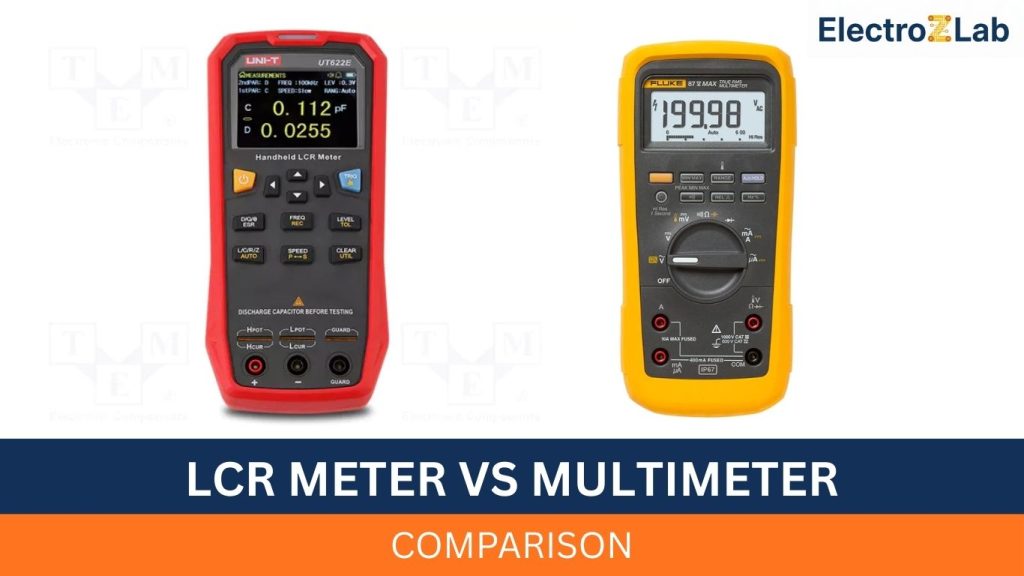
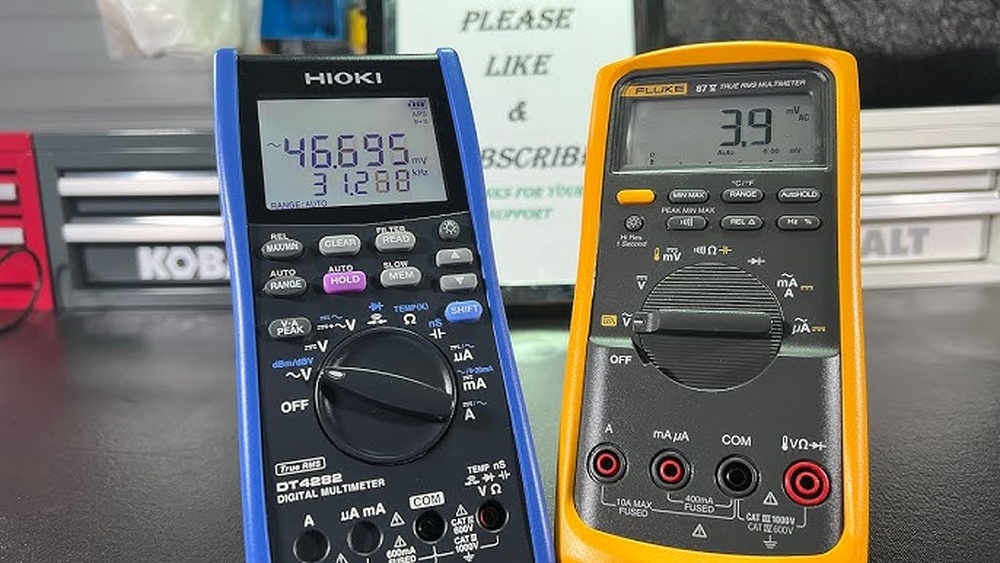
When it comes to choosing the right test and measurement tools, you want to make sure you pick the best fit for your needs. Hioki and Fluke are two big names you’ve probably heard of, but which one is truly the better choice for your work?
This article will help you cut through the noise and understand the key differences between Hioki and Fluke. By the end, you’ll feel confident about which brand matches your requirements and helps you get the job done right. Keep reading to make a smart decision that saves you time and money.

Credit: mme-ae.com
Brand Histories
Understanding the histories of Hioki and Fluke helps to appreciate their products better. Both brands have long traditions in test and measurement tools. Each brand has unique origins that shape their quality and innovation.
Hioki Background
Hioki was founded in 1935 in Japan. It started as a small company focused on electrical measuring devices. Over the years, Hioki grew into a global leader. The brand is known for precision and reliability. Hioki products serve many industries, including electronics and energy. The company invests heavily in research and development. Hioki aims to provide accurate and durable tools for professionals worldwide.
Fluke Background
Fluke began in 1948 in the United States. It started by making electronic test equipment for engineers. Fluke quickly earned a reputation for rugged and easy-to-use tools. Today, it is a top name in electrical testing and measurement. The brand focuses on safety and innovation. Fluke tools are common in industrial, commercial, and residential settings. Their products help technicians work efficiently and safely every day.
Product Range
The product range of Hioki and Fluke covers various electrical test tools. Each brand offers unique instruments for different needs. Understanding their product lines helps choose the right tool.
Hioki Instruments
Hioki focuses on precision and innovation. Their products include digital multimeters, clamp meters, and insulation testers. They also offer power quality analyzers and data loggers. Hioki tools suit industrial and laboratory use. Their devices often emphasize accuracy and compact design.
Fluke Instruments
Fluke provides a wide range of tools for electricians and engineers. Their lineup features multimeters, thermal imagers, and electrical testers. Fluke also offers network testers and process calibrators. These tools are known for durability and ease of use. Many professionals trust Fluke for field and industrial work.
Measurement Accuracy
Measurement accuracy is a key factor in choosing a digital multimeter. Accurate readings ensure safety and reliable work results. Both Hioki and Fluke offer tools with high precision. Understanding their accuracy levels helps in making the right choice.
Hioki Precision Levels
Hioki meters provide strong accuracy for many tasks. Their devices often have a basic accuracy of ±0.05% to ±0.1%. This level suits detailed electrical work and industrial use. Hioki uses advanced sensors and circuits to maintain this precision. Many models also include functions to reduce errors from temperature changes. This makes Hioki meters reliable in varied environments.
Fluke Precision Levels
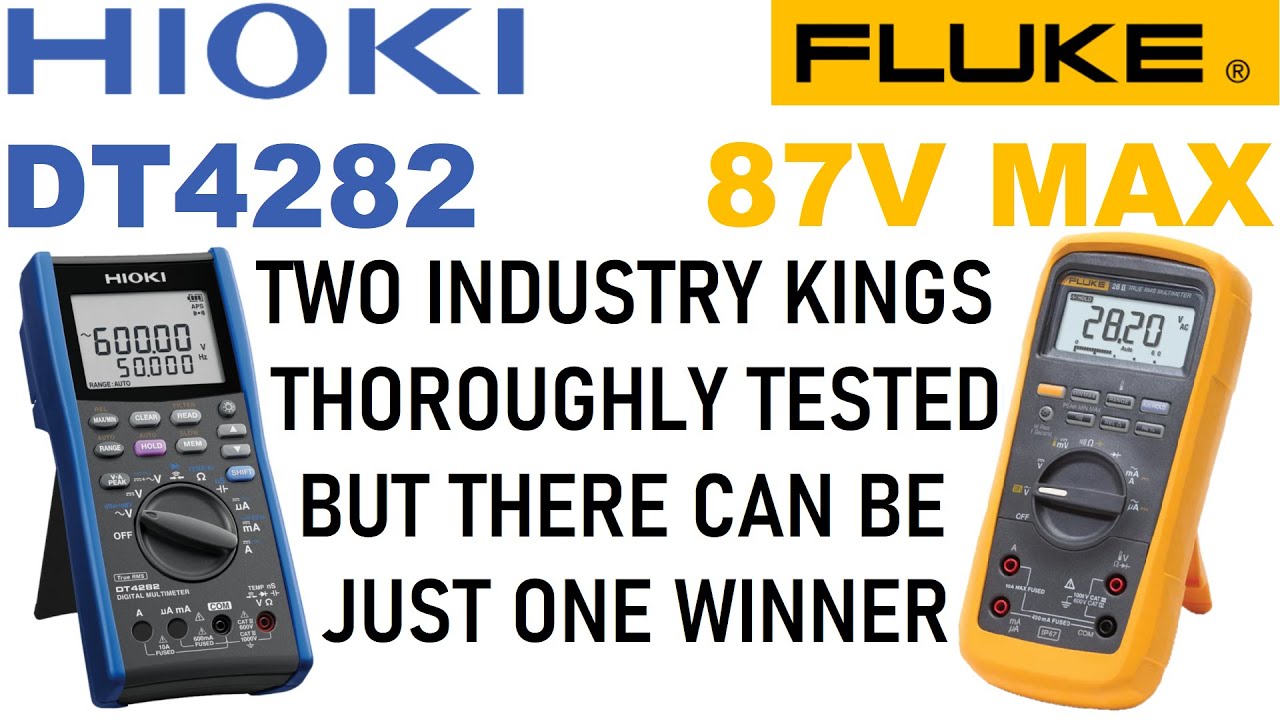
Fluke multimeters focus on steady and consistent accuracy. Their typical accuracy ranges from ±0.05% to ±0.2%. Fluke instruments often include calibration features. These help keep accuracy stable over time. Fluke’s design reduces noise and interference in readings. This makes them trustworthy for fieldwork and lab testing. Their meters perform well in tough conditions too.
Credit: www.youtube.com
Build Quality And Durability
Build quality and durability are key factors in choosing a reliable testing tool. Both Hioki and Fluke offer strong construction to endure tough work environments. These tools must handle drops, dust, and water without failing. A durable device saves money and time by lasting longer and needing fewer repairs.
Each brand uses different design features to boost strength and protect internal parts. Understanding these features helps users pick the right tool for their needs. Below, we explore the build quality of Hioki and Fluke products.
Hioki Design Features
Hioki devices often use reinforced plastic cases for added toughness. Their designs focus on shock absorption to survive accidental drops. Many models include rubber bumpers around edges to protect corners. The buttons are large and sturdy, made to resist wear from heavy use.
Sealing is tight to prevent dust and water entry. Hioki meters usually meet IP40 or higher standards. The internal components sit on shock-absorbing mounts to reduce damage risks. Overall, Hioki tools balance lightweight design with strong durability.
Fluke Design Features
Fluke builds meters with rugged, impact-resistant housings. They use thick rubber overmolds that cover most of the device. These overmolds guard against falls and rough handling. Fluke tools often meet IP54 or higher, offering solid protection against dust and splashes.
Fluke also designs for easy grip with textured surfaces. Their buttons are firm and well spaced to prevent accidental presses. Inside, parts are securely fixed to resist shock and vibration. Fluke’s focus lies on making tools tough for demanding industrial conditions.
User Interface And Ease
The user interface and ease of use are key for choosing the right measuring tool. A clear, simple design helps users work faster and with fewer mistakes. Both Hioki and Fluke focus on making their devices easy to handle. Let’s explore how each brand approaches usability.
Hioki Usability
Hioki tools feature a clean, organized display. The buttons are large and well spaced. This makes navigation easy, even with gloves on. The screen shows clear icons and numbers. Users can quickly read results without confusion. Hioki devices often include helpful guides on the screen. These guides assist beginners with setup and measurements. The menus are simple and straightforward. Users find it fast to switch between functions and modes. Overall, Hioki emphasizes user comfort and clarity.
Fluke Usability
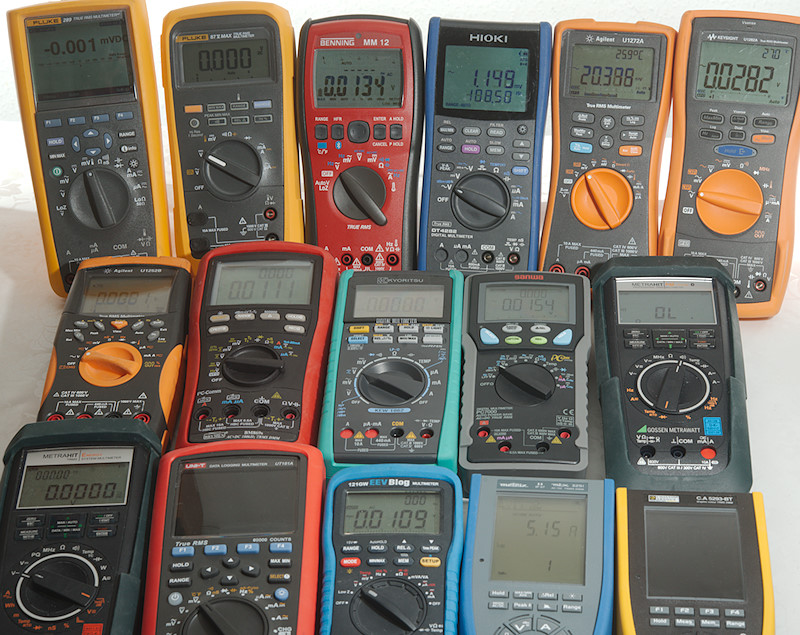
Fluke meters have a bold, bright screen. The interface uses color to highlight key information. Buttons are responsive and easy to press. The layout groups related functions together logically. This helps users find settings quickly. Fluke includes shortcut keys for common tasks. These keys reduce the time spent navigating menus. The display often shows trend graphs and data logs. This visual feedback aids in analysis. Fluke’s design supports both beginners and experienced users.
Credit: www.eevblog.com
Advanced Features
Advanced features in test and measurement tools improve accuracy and ease of use. Both Hioki and Fluke offer unique technologies that help professionals get reliable results faster. Understanding these features can guide your choice.
Each brand focuses on different strengths, making their devices suited for varied tasks. Let’s explore what Hioki and Fluke bring to the table.
Hioki Technology
Hioki devices often include high-speed sampling to capture quick changes in signals. This feature helps detect intermittent faults in circuits. The company also uses advanced data logging, allowing long-term monitoring without missing details. Hioki meters support wireless communication, simplifying data transfer to computers or smartphones. Their unique sensor technology offers precise measurements with less noise. Many models feature a user-friendly interface with clear menus and large displays. These tools work well for detailed electrical analysis and research.
Fluke Technology
Fluke focuses on ruggedness and reliability in tough environments. Their tools often include true RMS measurement, ensuring accuracy with complex waveforms. Fluke meters offer built-in safety features to protect users from electric shocks. The brand uses intelligent auto-ranging to simplify measurements and reduce errors. Many models have backlit displays for working in low light conditions. Fluke devices support wireless connectivity for easy data sharing and remote monitoring. They also provide fast response times, helping users troubleshoot quickly.
Price And Value
Price and value are key factors in choosing between Hioki and Fluke. Both brands offer reliable tools, but their costs and what you get differ. Understanding these differences helps you pick the right tool for your budget and needs.
Hioki Cost Analysis
Hioki products generally have a moderate price range. They offer good quality for the price. Their tools include advanced features and precise measurements. Hioki focuses on durability and user-friendly design. You get solid performance without overspending. Some models may be pricier due to extra functions. Overall, Hioki balances cost and value well.
Fluke Cost Analysis
Fluke tools tend to be on the higher price side. They are known for excellent build quality and accuracy. Fluke offers a wide range of professional-grade instruments. These tools often come with extra safety features. The brand is trusted by many experts worldwide. The higher cost reflects the brand’s reputation and advanced tech. Fluke is a good choice for those who want long-term reliability.
Customer Support
Customer support plays a key role in choosing the right test and measurement tools. Good support helps users solve problems fast. It also ensures the equipment works well over time. Both Hioki and Fluke offer customer service, but their approaches differ. Understanding these differences can help users feel confident and supported.
Hioki Service
Hioki provides support through a network of service centers worldwide. Their team offers repairs, calibration, and maintenance. Users can contact support by phone, email, or website. Hioki also supplies detailed manuals and FAQs. This helps users fix common problems without delay. Response times are usually quick, especially for warranty repairs. The company focuses on technical support to keep tools accurate.
Fluke Service
Fluke offers extensive customer service with many service locations globally. They provide fast repairs and calibration services. Fluke support includes phone help, online chat, and email. The website has useful guides and troubleshooting tips. Fluke often updates firmware and software for their devices. Their service aims to reduce downtime and extend product life. Users praise Fluke for friendly and knowledgeable support staff.
Use Case Comparisons
Choosing between Hioki and Fluke depends on the specific use case. Each brand has strengths suited to different environments. Understanding these helps pick the right tool for the job.
Industrial Applications
Fluke is popular in heavy industry for its rugged build and ease of use. It handles high voltage and tough conditions well. Hioki also performs reliably but is preferred for detailed electrical analysis. Both brands support safety in busy industrial settings.
Laboratory Settings
Hioki excels in labs with precise measurements and detailed data logging. It offers advanced features for research and development. Fluke is useful for quick checks and general testing. Hioki’s accuracy is often favored in controlled environments.
Field Work
Fluke shines in fieldwork with its portable, durable design. It resists dust and water, ideal for outdoor use. Hioki provides good portability but focuses more on data quality. Field technicians often choose Fluke for fast troubleshooting on site.
Final Thoughts
Choosing between Hioki and Fluke depends on your needs and budget. Both brands offer reliable tools. Each has strengths that suit different tasks and users.
Performance And Accuracy
Hioki meters often provide precise readings for detailed work. Fluke devices are known for steady accuracy in tough conditions. Both brands deliver reliable results for most applications.
Fluke tools are built tough for heavy use and rough environments. Hioki products focus on lightweight design and ease of use. Durability varies by model, but both brands last long with care.
Ease Of Use
Hioki meters usually have simple controls and clear displays. Fluke offers user-friendly interfaces with extra features. Both brands aim to make measurements easy for beginners and pros.
Hioki tends to be more affordable for basic models. Fluke often costs more but includes advanced functions. The best choice depends on what features you need and your budget.
Support And Warranty
Fluke provides wide customer support and strong warranties. Hioki also offers good support but may be limited in some regions. Check local service availability before buying.
Frequently Asked Questions
What Are The Main Differences Between Hioki And Fluke?
Hioki focuses on precision and advanced features for professional use. Fluke offers rugged, user-friendly tools ideal for general electrical testing. Both brands provide reliable multimeters and testers but cater to different user needs and budgets.
Which Brand Offers Better Accuracy, Hioki Or Fluke?
Hioki generally provides higher accuracy and advanced measurement capabilities. Fluke delivers consistent accuracy suitable for most industrial and field applications. Choose Hioki for laboratory-grade precision; Fluke for dependable everyday use.
Are Hioki Or Fluke Tools More Durable?
Fluke tools are known for their ruggedness and durability in harsh environments. Hioki products are durable but prioritize precision over extreme toughness. Fluke is preferred where tool resilience is critical.
Which Is More User-friendly, Hioki Or Fluke Devices?
Fluke devices feature intuitive interfaces and straightforward operation, ideal for beginners. Hioki devices offer advanced functions which may require more technical knowledge. For ease of use, Fluke is often favored.
Conclusion
Both Hioki and Fluke offer reliable tools for measuring electrical values. Hioki suits users wanting accuracy and advanced features. Fluke is known for durability and ease of use. Your choice depends on budget and needs. Think about what features matter most to you.
Either brand can help you get the job done well. Choose wisely and work safely with the right tool.

I’m Asif Ur Rahman Adib, an Electrical Engineer and lecturer. My journey began in the lab, watching students struggle with instruments they used every day without fully understanding them. Over time, I’ve combined teaching, research, and hands-on experience to help others grasp electrical concepts clearly, safely, and practically—whether it’s understanding a circuit or mastering a multimeter.