Are you trying to figure out whether a logic probe or a multimeter is the right tool for your next electronics project? Choosing the right device can save you time, frustration, and even costly mistakes.
You might already know both tools help test circuits, but do you really understand how they differ and when to use each one? This article will clear up the confusion and give you practical advice so you can make smarter decisions.
Keep reading, and you’ll soon master which tool fits your needs perfectly.
Logic Probe Basics
A logic probe is a simple tool used to test digital circuits. It helps check if a circuit is working by showing the signal’s state. This tool is popular in electronics repair and learning because it is easy to use and provides quick results.
Key Features
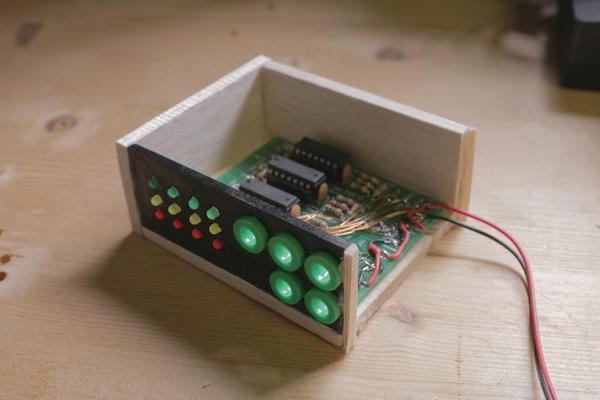
A logic probe usually has a pointed tip to touch circuit points. It has lights or sounds to show if the signal is high, low, or pulsing. Some models include a buzzer for sound alerts. It runs on small batteries and is lightweight for easy handling.
How It Works
The probe detects voltage levels in digital circuits. It senses if the signal is at a high or low logic state. The lights or sounds then indicate the signal type. This helps users understand if the circuit is sending the right signals.
Common Uses
Technicians use logic probes to find problems in digital electronics. Students use them to learn how circuits work. They check signals in microcontrollers, logic gates, and other digital devices. This tool saves time by quickly showing signal status.
Multimeter Essentials
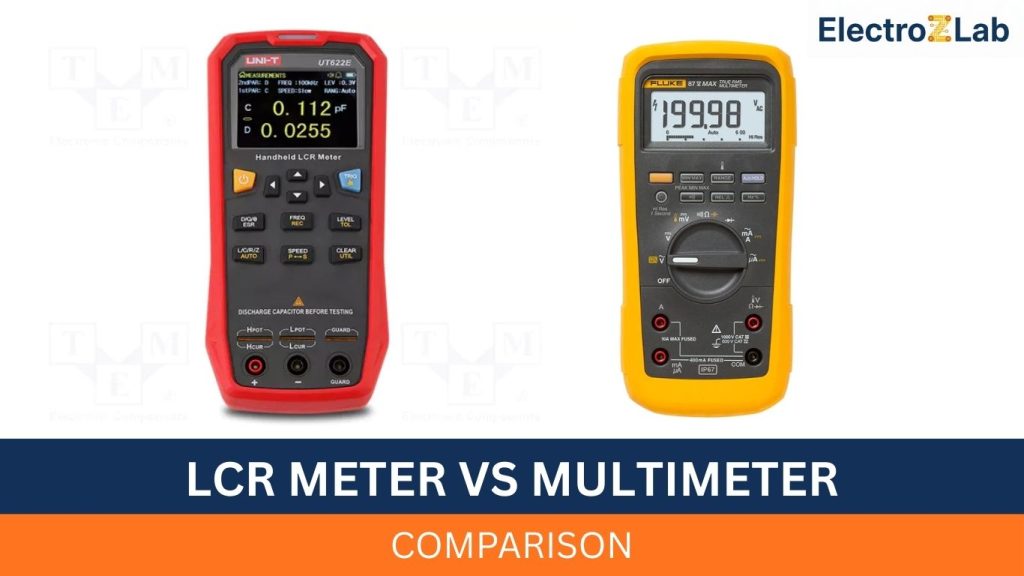
A multimeter is a key tool for anyone working with electronics or electrical systems. It measures different electrical values with ease. This device helps find faults and check circuits quickly. Understanding multimeters can save time and avoid mistakes. Let’s explore the basics of multimeters and how they work.
Types Of Multimeters
There are two main types of multimeters: analog and digital. Analog multimeters use a needle to show readings on a scale. Digital multimeters show numbers on a screen. Digital models are more common today. They are easier to read and more accurate. Some advanced digital multimeters offer extra features like auto-ranging and data hold.
Core Functions
Multimeters measure voltage, current, and resistance. Voltage shows the electric pressure in a circuit. Current measures the flow of electricity. Resistance tells how much a material stops electric flow. Many multimeters also test continuity. Continuity testing checks if a wire or circuit is complete. Some models can test diodes and capacitors too.
Typical Applications
Multimeters are used in homes, workshops, and labs. Electricians use them to check wiring and outlets. Hobbyists test batteries and circuit boards. Mechanics check car electrical systems. Engineers troubleshoot devices during design and repair. Multimeters help ensure safety by verifying power is off before work. This tool fits many tasks involving electrical measurement.
Comparing Accuracy
Comparing accuracy between a logic probe and a multimeter helps choose the right tool. Both devices test electrical signals but serve different purposes. Accuracy affects how well they detect and measure signals. Understanding these differences is key for anyone working with electronics.
Signal Detection
A logic probe quickly shows if a digital signal is high, low, or pulsing. It detects voltage levels in simple terms, making it great for logic circuits. A multimeter finds voltage, current, and resistance with more detail. It can detect both digital and analog signals but takes longer to read.
Measurement Precision
A multimeter offers precise numeric values for voltage and current. It shows exact numbers with decimal points, helping find small changes. Logic probes only indicate signal states without exact numbers. They are less precise but faster for checking if signals exist.
Limitations
Logic probes cannot measure current or resistance. They only detect digital signals and do not give exact values. Multimeters cannot easily show fast-changing digital signals or pulses. They need steady signals for accurate readings. Each tool has limits depending on the task.
Ease Of Use
Ease of use matters a lot when choosing between a logic probe and a multimeter. Both tools serve different purposes but must be simple to handle. Clear controls and straightforward operation help users get accurate results fast. Let’s explore their ease of use through three key aspects.
User Interface
The logic probe has a simple interface. It usually has a few buttons and LED lights. These lights show the signal status clearly. Users can easily see if a wire is live or not. The multimeter has a dial and a digital screen. The dial selects different measurement types. The screen shows numbers and symbols. This setup can confuse beginners at first.
Portability
The logic probe is small and lightweight. It fits in a pocket or toolbox easily. This makes it handy for quick checks. Multimeters are bigger and heavier. They often have extra leads and parts. Carrying them around can be less convenient. Portability favors the logic probe for fieldwork.
Learning Curve
The logic probe is easy to learn. Basic signals are shown by lights. No need to interpret complex data. Multimeters require learning symbols and settings. Users must understand voltage, current, and resistance. It takes time to use a multimeter well. Beginners find the logic probe quicker to start with.
Testing Scenarios
Testing electronic circuits requires the right tools for accurate results. Logic probes and multimeters serve different purposes but often overlap. Understanding their use in various testing scenarios helps pick the best tool for the job.
Digital Circuit Testing
Logic probes are ideal for digital circuits. They quickly check the presence of voltage levels in logic gates. They show whether a signal is high, low, or pulsing. This tool simplifies testing microcontrollers, flip-flops, and digital ICs. It helps spot faults in logic signals fast and clearly.
Analog Circuit Testing
Multimeters excel in analog circuit testing. They measure voltage, current, and resistance with precision. This tool finds issues in sensors, amplifiers, and power supplies. Multimeters detect small voltage changes and continuity problems. They provide detailed data needed for analog troubleshooting.
Troubleshooting Examples
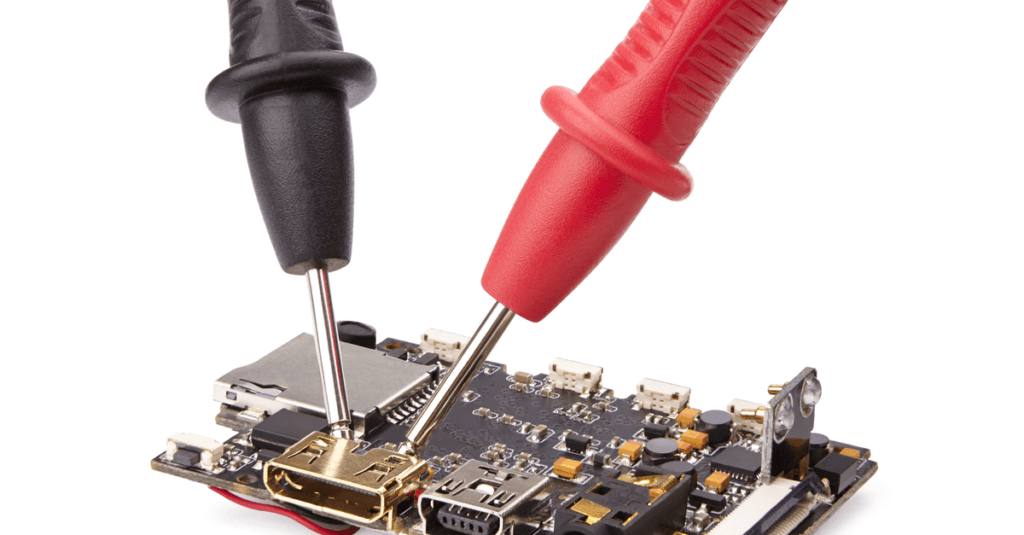
Use a logic probe to trace digital signals in a faulty circuit board. It reveals broken connections or stuck bits. For a power supply problem, a multimeter measures voltage output and current flow. It helps identify blown fuses or short circuits. Both tools complement each other during repairs.
Credit: www.techtownforum.com
Cost And Value
Cost and value play a big role when choosing between a logic probe and a multimeter. Both tools serve different purposes, and their price and upkeep reflect that. Understanding these factors helps you pick the right tool for your needs and budget.
Price Range
Logic probes usually cost less than multimeters. Basic models can be found for under $20. Multimeters start at around $15 but can go up to several hundred dollars for advanced versions. The price depends on features, brand, and quality.
Long-term Investment
Multimeters offer more functions, making them useful for various tasks. This versatility makes them a better long-term investment for many users. Logic probes focus mainly on testing digital signals, which limits their use over time.
Maintenance
Both tools require low maintenance. Logic probes often use simple batteries that last long. Multimeters might need battery changes more often, especially if they have a backlight or extra features. Keeping probes clean and storing tools properly extends their life.
Choosing The Right Tool
Choosing the right tool is important for electronic testing. Both logic probes and multimeters have unique uses. Picking the best one depends on several factors. Understanding these will help you work better and faster.
Each tool fits certain tasks and skill levels. Cost also plays a role in the decision. Let’s break down the key points to consider.
Project Requirements
Think about what your project needs. A logic probe checks digital signals quickly. It shows if a signal is high, low, or pulsing. This tool is good for testing circuits with digital chips.
Multimeters measure voltage, current, and resistance. They work on both digital and analog circuits. Use a multimeter for general electrical testing and troubleshooting.
Skill Level
Consider your experience with electronics. Logic probes are simple and easy to use. They give clear, direct results.
Multimeters require some knowledge to read and interpret values. They offer more detailed information but need careful handling.
Budget Considerations
Logic probes usually cost less than multimeters. They are affordable for basic digital testing.
Multimeters vary in price. Basic models are cheap, but advanced ones cost more. Choose based on how much you want to spend and the features you need.
Credit: maker.pro

Credit: www.odbproject.org
Frequently Asked Questions
What Is The Main Difference Between A Logic Probe And Multimeter?
A logic probe tests digital signals for high, low, or pulsing states. A multimeter measures voltage, current, and resistance in circuits. Logic probes focus on digital logic levels, while multimeters handle broader electrical measurements.
When Should I Use A Logic Probe Over A Multimeter?
Use a logic probe to quickly check digital circuit signals and logic states. A multimeter is better for measuring analog values and troubleshooting power supply issues. Logic probes are ideal for digital circuit debugging.
Can A Multimeter Replace A Logic Probe In Electronics?
No, a multimeter cannot replace a logic probe for digital signal testing. Multimeters lack the ability to detect logic levels and pulse signals effectively. Both tools serve different purposes in electronics diagnostics.
Which Tool Is Better For Troubleshooting Digital Circuits?
A logic probe is better for troubleshooting digital circuits due to its specialized testing for logic states. Multimeters are more suited for general electrical measurements and analog components. Use a logic probe for precise digital signal analysis.
Conclusion
Choosing between a logic probe and a multimeter depends on your needs. A logic probe quickly tests digital signals and circuits. A multimeter measures voltage, current, and resistance in many devices. Both tools help find electrical problems but serve different roles.
Use a logic probe for digital troubleshooting. Use a multimeter for broader electrical testing. Knowing their uses saves time and effort. Pick the right tool to work smarter and faster. Simple tools, clear results. That’s the key to effective electronics work.

I’m Asif Ur Rahman Adib, an Electrical Engineer and lecturer. My journey began in the lab, watching students struggle with instruments they used every day without fully understanding them. Over time, I’ve combined teaching, research, and hands-on experience to help others grasp electrical concepts clearly, safely, and practically—whether it’s understanding a circuit or mastering a multimeter.