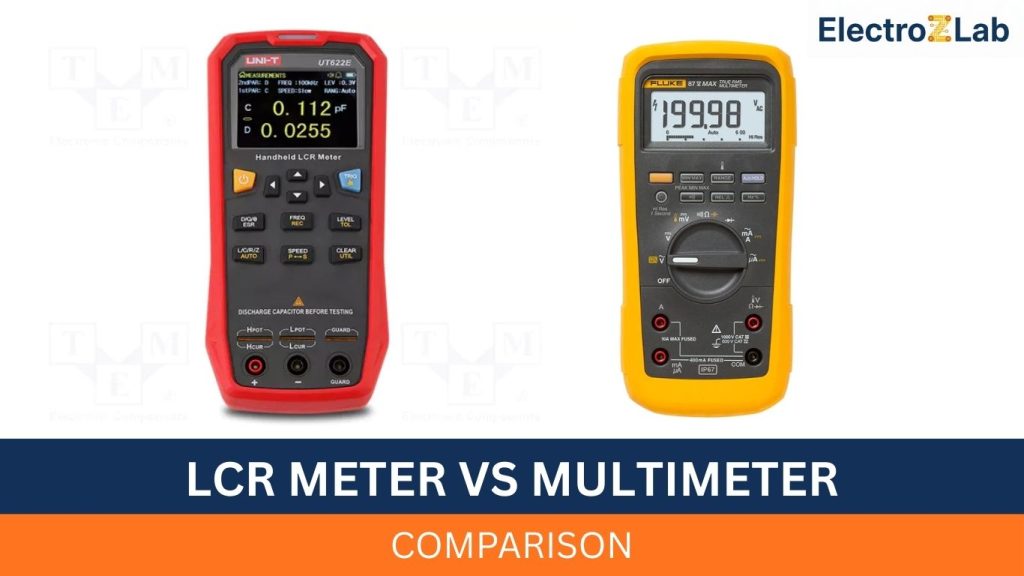
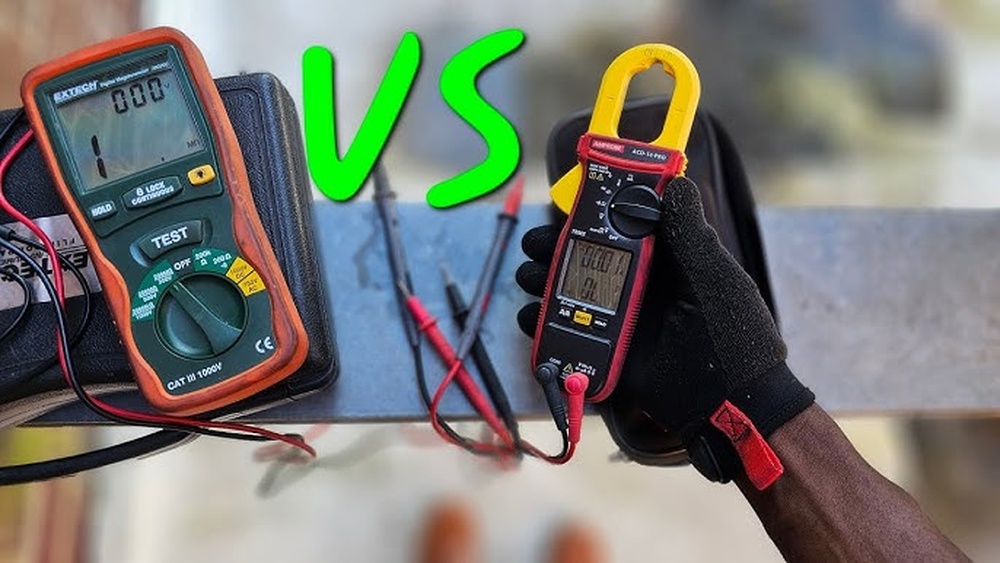
When you’re working with electrical equipment, choosing the right tool can make all the difference. You might already know about multimeters, but have you heard of megohmmeters?
Both are essential for measuring electrical properties, yet they serve very different purposes. If you want to keep your devices safe and running smoothly, understanding the key differences between a megohmmeter and a multimeter is crucial. Stick with me, and by the end of this article, you’ll be confident in picking the right tool for your needs every time.

Credit: www.youtube.com
Purpose And Uses
The purpose of a megohmmeter and a multimeter differs greatly. Both tools measure electrical properties but serve unique roles. Understanding their uses helps choose the right tool for each job.
A megohmmeter tests insulation resistance. It ensures electrical safety by checking if wires and devices are properly insulated. A multimeter measures voltage, current, and resistance in circuits. It helps diagnose electrical problems and verify connections.
Megohmmeter Applications
Megohmmeters test insulation in cables and motors. They detect leaks in electrical equipment. They measure resistance in transformers and generators. This tool prevents short circuits and electrical shocks. It is vital in maintenance and safety checks.
Multimeter Applications
Multimeters measure voltage in batteries and outlets. They check current flow in circuits. They test resistance in wires and components. This tool helps find broken connections and faulty parts. It is useful for repairs and troubleshooting.
Measurement Parameters
Measurement parameters define what electrical properties a tool can test. These parameters show the tool’s strength and best use cases. Comparing Megohmmeter and Multimeter reveals big differences in their measurement abilities.
Resistance Measurement Range
Megohmmeters measure very high resistance values. They test insulation resistance in megaohms (millions of ohms). This helps find tiny leaks in wires and cables. Multimeters measure much lower resistance. They check resistance in ohms to kiloohms. This suits testing small electrical parts and circuits.
Voltage And Current Capabilities
Multimeters measure voltage and current across a wide range. They test both AC and DC voltage. Current measurement also covers low to moderate levels. Megohmmeters focus less on voltage and current. Their main job is insulation testing, not general voltage or current checks.
Operating Principles
Understanding the operating principles of a Megohmmeter and a Multimeter helps in using them correctly. Both tools measure electrical properties, but they work differently. This section explains how each device functions in simple terms.
How A Megohmmeter Works
A Megohmmeter tests electrical insulation resistance. It applies a high voltage to the wire or device. This voltage is much higher than normal working voltage.
The device measures how much current leaks through the insulation. Low current means good insulation. High current means poor insulation or damage.
This test helps find faults in cables, motors, and other electrical parts. The Megohmmeter shows resistance in megaohms, which are very high values.
How A Multimeter Works
A Multimeter measures voltage, current, and resistance in circuits. It uses different internal circuits depending on what you want to measure.
When measuring voltage, it connects in parallel with the circuit. It senses the electrical pressure across two points.
For current, it connects in series and measures the flow of electrons. For resistance, it sends a small current through the component and measures voltage drop.
The Multimeter shows results in volts, amps, or ohms. It is a versatile tool for basic electrical testing and troubleshooting.

Credit: www.gvda-instrument.com
Device Design And Features
Device design and features set apart a Megohmmeter from a Multimeter. Each tool suits different tasks and users. Understanding their design helps pick the right device.
Megohmmeters focus on insulation resistance testing. Multimeters handle voltage, current, and resistance measurements. Their design reflects these core uses.
Display And Controls
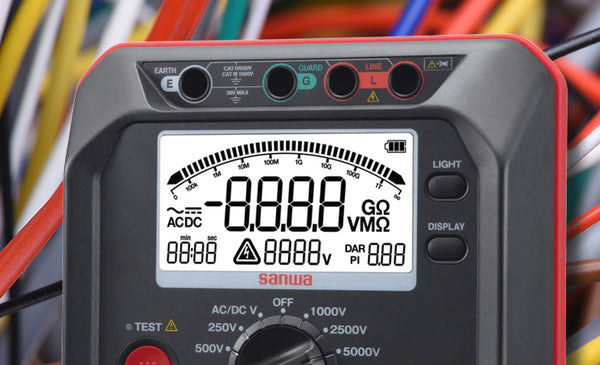
Megohmmeters often have large, clear displays. These show insulation resistance with easy-to-read digits. Some models include backlighting for dark areas.
Multimeters feature multi-function displays. They show voltage, current, and resistance readings. Many have analog or digital screens with several measurement modes.
Controls on a Megohmmeter are simple. Usually, one or two knobs select test voltage and start the test. Buttons are few to reduce confusion.
Multimeters have more controls. A rotary switch selects measurement type. Extra buttons adjust settings like hold or range. This suits varied testing needs.
Portability And Power Source
Megohmmeters tend to be bulkier. They need extra insulation and higher test voltages. This adds size and weight compared to multimeters.
Many Megohmmeters use rechargeable batteries. Some plug into mains power during long tests. This supports longer operation without losing power.
Multimeters are generally compact and lightweight. They fit easily in a pocket or tool belt. Battery-powered options use standard AA or 9V cells.
Portable multimeters often run on batteries alone. This makes them handy for quick checks anywhere. Battery life varies by usage and model.
Safety Considerations
Safety is crucial when using a Megohmmeter or Multimeter. Both tools test electrical circuits but handle different voltage levels. Understanding safety helps prevent accidents and damage. Always prepare and follow steps carefully.
Handling High Voltage Tests
Megohmmeters test high voltage insulation. The voltage can reach 500 to 1000 volts or more. This level is dangerous and can cause shocks or burns. Use insulated gloves and tools with proper ratings. Keep your hands dry and away from metal parts. Never touch the circuit while testing. Always discharge capacitors before handling the device.
User Precautions
Read the user manual before starting any test. Check the meter for damage or wear. Use the correct settings for each test. Avoid using meters with broken leads or exposed wires. Work in a dry area with good lighting. Keep one hand in your pocket to reduce shock risk. Stay focused and avoid distractions during testing. Store meters safely after use to keep them functional.
Credit: www.sanwa-america.com
Choosing The Right Tool
Choosing the right tool is important for electrical testing. Each device measures different things. Using the wrong tool can lead to wrong results. It can also cause safety risks. Understanding when to use a megohmmeter or a multimeter helps ensure accurate tests.
When To Use A Megohmmeter
A megohmmeter tests insulation resistance in wires and devices. It uses high voltage to check for leaks. This tool is best for testing motors, cables, and transformers. It finds faults that a multimeter cannot see. Use it to ensure electrical insulation is safe and strong. It helps prevent shocks and equipment damage.
When To Use A Multimeter
A multimeter measures voltage, current, and resistance in circuits. It works at low voltage and is good for basic checks. Use it to test batteries, switches, and fuses. It can also check continuity and simple faults. This tool is handy for everyday electrical work. It is easy to carry and quick to use.
Cost And Maintenance
Cost and maintenance are key factors when choosing between a megohmmeter and a multimeter. Both tools serve different functions and have unique upkeep needs. Knowing these differences helps save money and avoid unexpected expenses.
Price Comparison
A multimeter is usually less expensive than a megohmmeter. Multimeters offer basic electrical measurements like voltage and current. They suit everyday tasks and simple repairs. Megohmmeters measure insulation resistance, a specialized function. Their price reflects this advanced capability. Expect higher costs for quality megohmmeters. Budget matters when picking the right tool for your needs.
Calibration And Care
Multimeters need regular calibration to stay accurate. Calibration can be done yearly or as needed. They require simple care, such as cleaning and battery changes. Megohmmeters demand more frequent calibration. This ensures precise insulation resistance readings. Proper storage protects both tools from damage. Avoid moisture and extreme temperatures to extend their life. Regular checks and maintenance keep tools reliable and safe.
Frequently Asked Questions
What Is The Main Difference Between Megohmmeter And Multimeter?
A megohmmeter measures insulation resistance, while a multimeter measures voltage, current, and resistance. Megohmmeters are used for insulation testing. Multimeters handle general electrical measurements. Each device serves distinct functions in electrical diagnostics and maintenance.
Can A Multimeter Measure Insulation Resistance Like A Megohmmeter?
No, a multimeter cannot accurately measure high insulation resistance. Megohmmeters apply higher voltage for insulation testing. Multimeters are designed for low voltage and current measurements. Using a multimeter for insulation can give incorrect or unreliable results.
When Should I Use A Megohmmeter Instead Of A Multimeter?
Use a megohmmeter when testing insulation quality in cables and equipment. It ensures safety by detecting insulation faults. Multimeters are suitable for routine electrical checks. Megohmmeters are essential for preventive maintenance in electrical systems.
Are Megohmmeters More Expensive Than Multimeters?
Yes, megohmmeters generally cost more due to specialized insulation testing features. Multimeters are versatile and affordable for everyday electrical measurements. The price difference reflects their distinct applications and technical capabilities.
Conclusion
Choosing between a megohmmeter and a multimeter depends on your task. Megohmmeters test insulation resistance, keeping electrical systems safe. Multimeters measure voltage, current, and resistance in circuits. Each tool has a clear role in electrical work. Use the right device to get accurate results.
Understanding their differences helps avoid mistakes. Both tools keep your work efficient and safe. Simple tools, big impact.

I’m Asif Ur Rahman Adib, an Electrical Engineer and lecturer. My journey began in the lab, watching students struggle with instruments they used every day without fully understanding them. Over time, I’ve combined teaching, research, and hands-on experience to help others grasp electrical concepts clearly, safely, and practically—whether it’s understanding a circuit or mastering a multimeter.