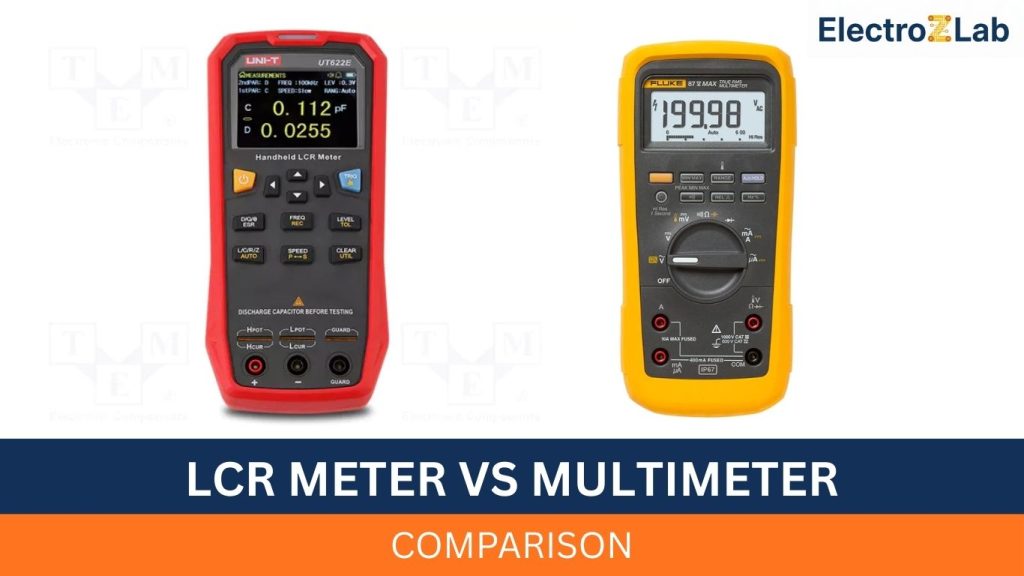
Are you confused about which multimeter to choose for your electrical tasks? Understanding the difference between a True RMS multimeter and a normal multimeter can save you time, money, and frustration.
Your measurements need to be accurate, especially when dealing with complex signals. If you want to avoid mistakes and get reliable results every time, keep reading. This guide will help you make the right choice and use your multimeter like a pro.
Basic Multimeter Functions
Basic multimeter functions help you test electrical circuits safely and easily. These tools measure different electrical values. Understanding these core functions allows you to use any multimeter properly. True RMS and normal multimeters share these basic tasks, but their accuracy may vary.
Here are the main functions every multimeter offers for simple electrical testing.
Measuring Voltage And Current
Multimeters measure voltage to check power levels in circuits. They also test current flow to see if devices work correctly. Voltage measurement shows how much energy moves through a wire. Current measurement reveals how much electricity flows. True RMS meters give more accurate readings for complex signals. Normal meters work well with simple, steady signals.
Resistance Testing
Resistance testing checks how much a material resists electrical flow. It helps find broken wires or faulty parts. Multimeters send a small current to measure resistance in ohms. Low resistance means good connections. High resistance points to problems like corrosion or damage. Both True RMS and normal meters measure resistance effectively.
Continuity Checks
Continuity tests show if a circuit is complete. The multimeter beeps or lights up when the path is good. This function helps find breaks in wires or connections. Continuity checks are quick and easy. They save time in troubleshooting electrical issues. Both True RMS and normal multimeters perform continuity tests reliably.
Credit: www.promaxelectronics.com
What Is A Normal Multimeter?
A normal multimeter is a common tool for measuring electrical values. It checks voltage, current, and resistance in circuits. Most homes and workshops have one. These meters are simple and affordable. They work well with many basic electrical tasks.
Normal multimeters use a simple method to measure AC signals. They assume the signal is smooth and regular. This works fine for many everyday uses. But the method has limits with complex signals.
How It Measures Ac Signals
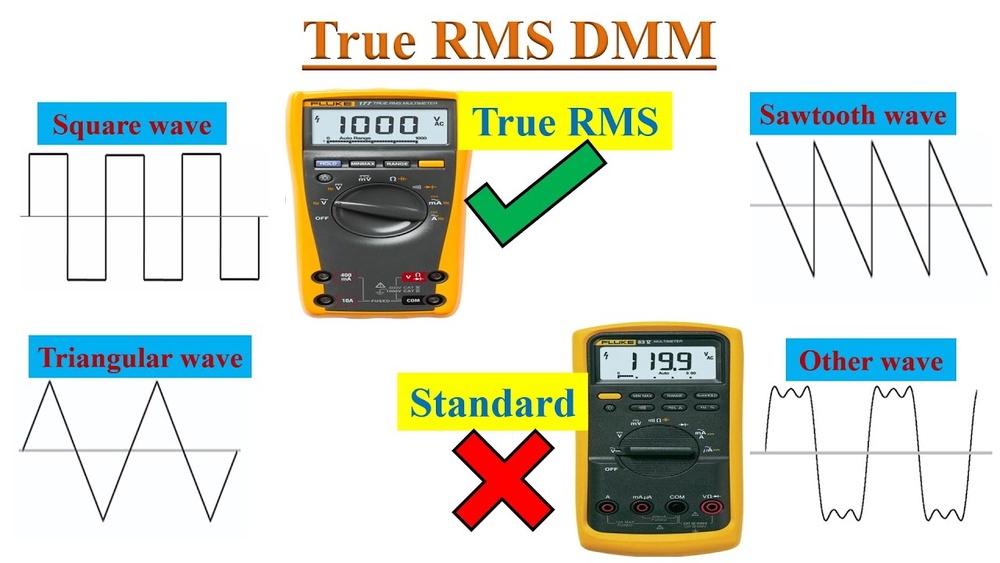
Normal multimeters measure AC voltage using average detection. They calculate the average value of the AC waveform. Then, they multiply this number to estimate the real voltage. This method works best with sine waves. Sine waves are smooth and regular AC signals. Most household electricity uses sine waves.
The meter shows the RMS value based on this calculation. RMS means Root Mean Square. It represents the effective voltage or current. For pure sine waves, this method gives a good reading. The meter is easy to use and understand.
Limitations With Non-sinusoidal Waves
Normal multimeters struggle with non-sinusoidal waves. These waves are irregular and have sharp changes. They include signals from motors, dimmers, and modern electronics. The average detection method does not work well here. It gives incorrect readings for these signals.
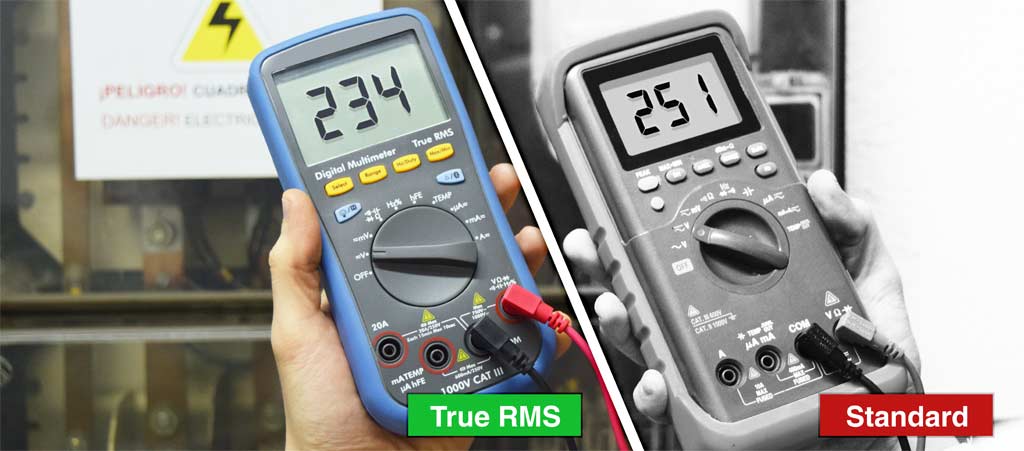
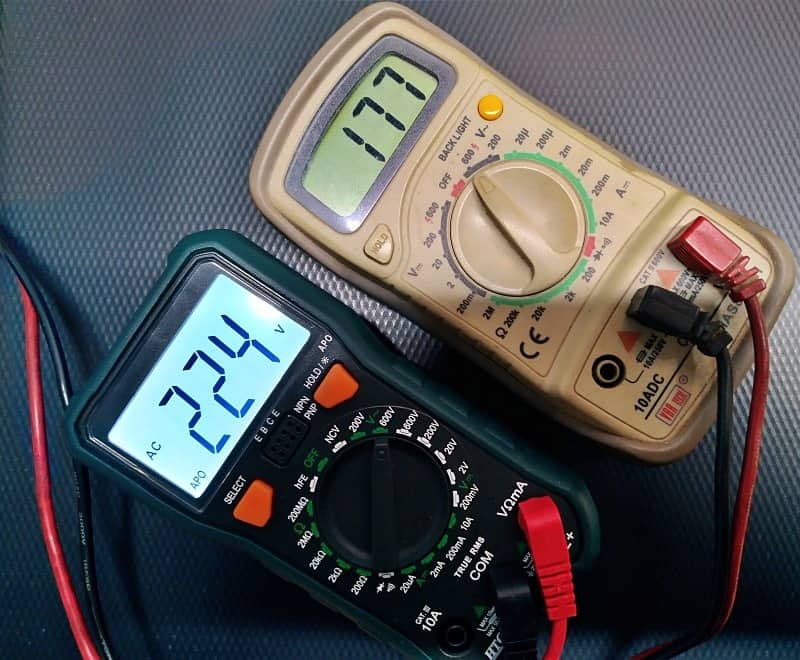
When measuring these waves, normal meters can show values too high or too low. This can cause errors in troubleshooting and testing. Users may not get the true picture of the circuit’s performance. Normal multimeters are not reliable for complex AC signals.
True Rms Multimeter Features
True RMS multimeters offer features that make them essential for accurate electrical measurements. Unlike standard multimeters, True RMS models provide precise readings for various types of electrical signals. These features help users handle both simple and complex waveforms with confidence.
Accurate Measurement Of Complex Waveforms
True RMS multimeters measure the exact value of complex waveforms. They calculate the root mean square value, not just the average. This means they show true voltage or current, even if the waveform changes shape. Accurate readings are vital for many electrical tasks. This feature ensures reliable results in environments with mixed signals.
Handling Distorted Signals
Electrical signals often become distorted in real life. Normal multimeters can give wrong readings with these signals. True RMS multimeters detect and measure distorted or non-sinusoidal waveforms accurately. They work well with motors, variable frequency drives, and other devices that create complex signals. This makes troubleshooting and maintenance easier and more precise.
Accuracy Comparison
Accuracy is key in measuring electrical signals. True RMS and normal multimeters differ in how they measure voltage and current. This affects their accuracy in various situations. Understanding these differences helps choose the right tool for the job.
Sinusoidal Vs Non-sinusoidal Signals
Normal multimeters measure average values and assume signals are sinusoidal. This works well for pure sine waves. But many modern devices produce non-sinusoidal signals. These signals have irregular shapes and spikes.
True RMS multimeters measure the actual heating effect of any waveform. They calculate the root mean square value. This gives an accurate reading, even for distorted signals. Normal meters often show wrong values with complex waveforms. True RMS meters handle both sine and non-sine waves accurately.
Impact On Industrial And Residential Use
Industrial settings often have complex electrical systems. Machines create non-sinusoidal currents and voltages. True RMS meters provide precise measurements here. This helps maintain equipment and prevent failures.
Residential areas mostly use sinusoidal signals from the power grid. Normal multimeters usually offer enough accuracy for home repairs. But smart appliances and solar panels introduce non-sinusoidal signals. True RMS meters give better readings for these devices.
When To Choose True Rms
Choosing the right multimeter depends on the task you have. True RMS meters give more accurate readings for complex signals. Normal multimeters work well with simple, steady signals. Understanding when to use True RMS helps avoid mistakes and saves time.
Applications Requiring Precision
True RMS meters are essential for measuring non-sinusoidal waveforms. These include signals from variable speed drives and electronic ballasts. They provide correct voltage and current readings in such cases. Normal meters may show wrong values here, causing errors. Use True RMS in industrial settings and advanced electronics work. It ensures safety and correct troubleshooting.
Cost Vs Benefit Analysis
True RMS meters cost more than normal ones. The higher price reflects their advanced technology and accuracy. For simple home repairs, a normal multimeter is often enough. For professional or complex work, True RMS offers value. It prevents costly mistakes and equipment damage. Consider how often you face complex signals before buying.
Credit: www.codrey.com
Practical Tips For Using Multimeters
Using a multimeter correctly is key for accurate readings and safety. Practical tips help avoid mistakes and keep your device working well. This section shares simple advice for better use of True RMS and normal multimeters.
Avoiding Common Measurement Errors
Always check the multimeter’s settings before measuring. Wrong settings cause false results and can damage the meter. Use the right measurement mode—voltage, current, or resistance. Connect the probes properly to avoid wrong readings. Keep hands steady and avoid touching metal parts. Watch out for damaged wires or probes. Test on a known source to verify accuracy before starting work.
Maintenance And Calibration
Clean the multimeter regularly with a soft cloth. Remove dust and dirt from buttons and screen. Store the multimeter in a dry, cool place to protect it. Check the battery level often and replace it when low. Calibrate the meter yearly or as recommended by the manufacturer. Calibration ensures the meter measures correctly. Seek professional help for calibration if unsure how to do it.

Credit: www.youtube.com
Frequently Asked Questions
What Is The Main Difference Between True Rms And Normal Multimeters?
True RMS multimeters measure accurate voltage and current in non-sinusoidal waveforms. Normal multimeters assume sinusoidal signals, causing errors with distorted waves. True RMS is essential for accurate readings in complex AC signals.
Why Choose True Rms Over A Normal Multimeter?
True RMS provides precise measurements for AC signals with harmonics or noise. Normal multimeters work well with pure sine waves but give incorrect results with distorted signals. True RMS is ideal for industrial and modern electronic applications.
Can A Normal Multimeter Measure Non-sinusoidal Signals Accurately?
No, normal multimeters cannot accurately measure non-sinusoidal or distorted waveforms. They assume pure sine waves, leading to incorrect readings. True RMS meters are designed for accurate measurement of all waveform types.
Is True Rms Measurement Necessary For Home Use Multimeters?
For most home applications with standard sine wave power, normal multimeters suffice. However, True RMS meters are better for devices with variable frequency drives or non-linear loads. They ensure reliable readings in complex electrical environments.
Conclusion
True RMS and normal multimeters serve different needs. True RMS meters give accurate readings on all waveforms. Normal multimeters work well with simple, steady signals. Choosing the right tool depends on your measurement type. For complex or AC signals, True RMS is best.
For basic tasks, a normal multimeter often suffices. Understanding these differences helps you measure correctly every time. Keep this in mind for safer, more precise work.

I’m Asif Ur Rahman Adib, an Electrical Engineer and lecturer. My journey began in the lab, watching students struggle with instruments they used every day without fully understanding them. Over time, I’ve combined teaching, research, and hands-on experience to help others grasp electrical concepts clearly, safely, and practically—whether it’s understanding a circuit or mastering a multimeter.