Are you trying to understand the difference between a signal generator and an oscilloscope? If you work with electronics or want to dive into testing circuits, knowing how these tools work is key.
You might wonder which one you really need or how they complement each other. This guide will clear up the confusion and help you make smarter choices for your projects. Keep reading to discover what sets these devices apart and how they can boost your skills.
Signal Generator Basics
A signal generator is an important tool in electronics. It creates electrical signals for testing and development. These signals help check how devices respond to different inputs. Understanding the basics of signal generators helps in using them effectively.
Signal generators vary in type and function. They are widely used in many fields. Knowing their main features and uses gives clear insight into their role.
Types Of Signal Generators
There are several types of signal generators. The most common is the function generator. It produces simple waveforms like sine, square, and triangle waves.
Another type is the RF signal generator. It creates radio frequency signals for wireless device testing. Arbitrary waveform generators can make complex signals with custom shapes. Each type fits different testing needs.
Primary Functions
Signal generators produce electrical signals at set frequencies and amplitudes. They allow users to adjust signal shape, frequency, and strength. This helps test how circuits react under various conditions.
They provide a stable and repeatable source of signals. This consistency is important for accurate testing and troubleshooting. Signal generators simulate real-world signals for device evaluation.
Common Applications
Signal generators are used in education, research, and product development. Engineers test circuit designs and find faults using these devices. They check radios, audio equipment, and digital circuits.
Manufacturers use signal generators to ensure product quality. They also help calibrate other test instruments. Their role is vital in electronics testing and repair.

Credit: www.youtube.com
Oscilloscope Basics
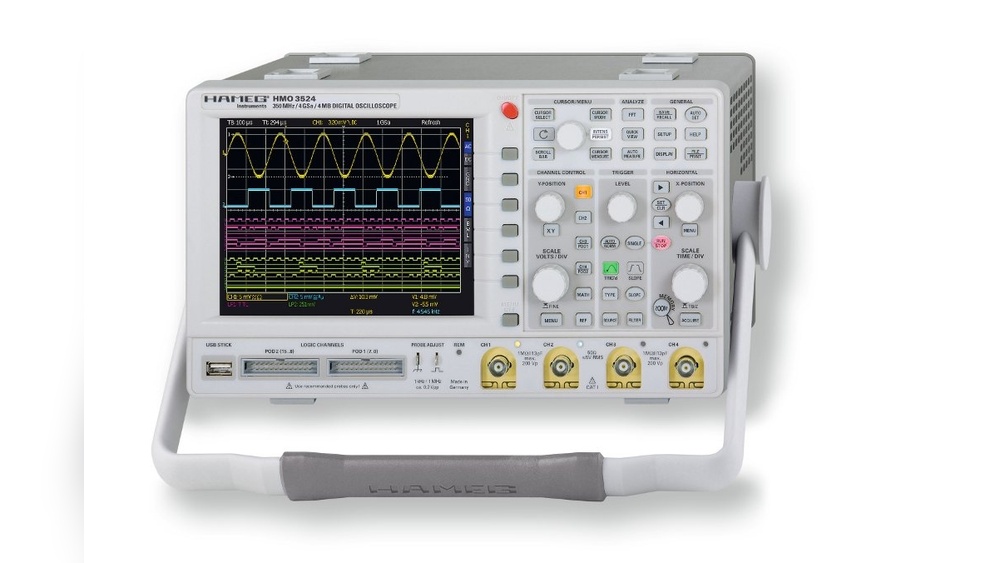
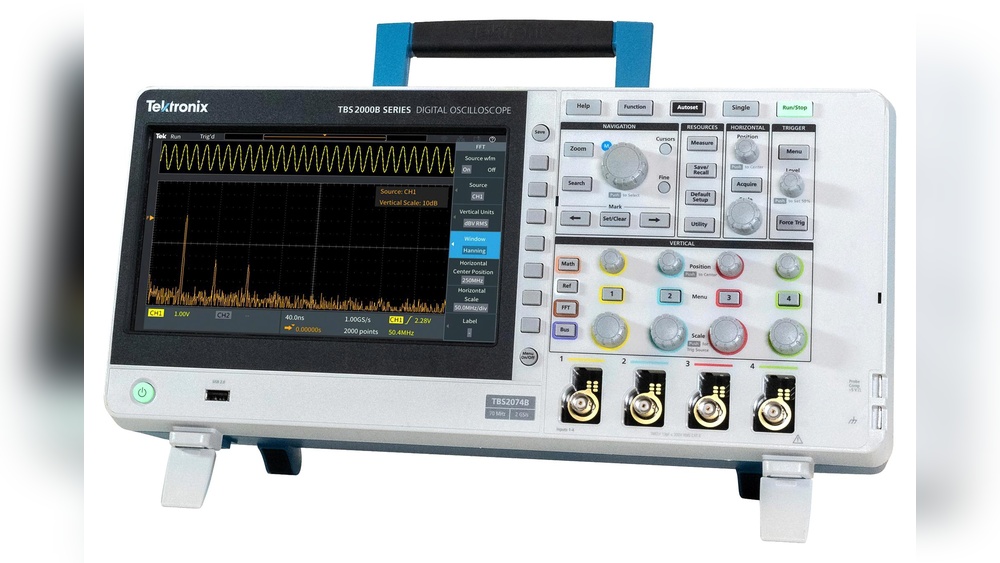
An oscilloscope is a key tool in electronics. It shows how electrical signals change over time. This helps users see wave shapes, voltage levels, and signal timing. Oscilloscopes make it easier to understand and fix electronic circuits.
They come in many forms and serve various needs. Knowing the basics of oscilloscopes helps you pick the right one. It also guides you in using it well for your projects.
Types Of Oscilloscopes
There are two main types: analog and digital. Analog oscilloscopes display signals as continuous waves on a screen. Digital oscilloscopes convert signals into numbers and show them on a screen. Digital models often have more features like storage and analysis tools.
Handheld oscilloscopes exist for portable use. Mixed-signal oscilloscopes combine analog and digital channels. Choosing the type depends on what signals you need to study.
Primary Functions
Oscilloscopes measure voltage over time. They display waveforms to show signal behavior. Users can check frequency, amplitude, and noise in signals. Timing between signals can also be measured. Some models offer advanced math functions and signal storage.
They help find problems like signal distortion or interference. Adjusting the time and voltage scales lets users see details clearly.
Common Applications
Oscilloscopes work in many fields like electronics, engineering, and education. They test circuits during design and repair. Engineers use them to check signal quality in devices. Students learn about waveforms and circuits using oscilloscopes.
They are vital in automotive, telecommunications, and medical device testing. Oscilloscopes also help monitor power supplies and audio signals.
Core Functional Differences
The core functional differences between a signal generator and an oscilloscope lie in their main purposes. Both are essential tools in electronics but serve opposite roles. Understanding these differences helps in choosing the right device for specific tasks.
Signal Generation Vs Signal Measurement
A signal generator creates electrical signals with defined shapes and frequencies. It sends these signals into circuits for testing and development. The device focuses on producing controlled waveforms.
An oscilloscope measures and displays electrical signals from a circuit. It captures real-time data and shows how signals change over time. The oscilloscope’s main job is to analyze and visualize signals.
Waveform Creation Vs Waveform Visualization
Signal generators produce waveforms like sine, square, or triangle waves. Users set the parameters such as amplitude and frequency. The goal is to generate a precise and stable signal for experiments.
Oscilloscopes do not create signals but visualize them. They show waveforms on a screen, revealing details like amplitude changes and noise. This helps in diagnosing circuit behavior and troubleshooting.
Technical Specifications Comparison
Comparing technical specifications helps understand key differences between a signal generator and an oscilloscope. Each device serves a unique purpose in electronics testing and measurement. Knowing their specs can guide you to choose the right tool for your needs.
Frequency Range And Accuracy
Signal generators produce signals over a wide frequency range. They can generate frequencies from a few hertz to several gigahertz. Accuracy is crucial to ensure the output signal matches the desired frequency.
Oscilloscopes measure signals within a specific frequency range, often up to a few hundred megahertz or more. Their accuracy depends on sampling rate and bandwidth. This allows precise signal capture and analysis.
Amplitude And Signal Types
Signal generators can output various signal types such as sine, square, triangle, and pulse. Amplitude control lets users adjust signal strength precisely. This flexibility helps test different circuit responses.
Oscilloscopes display the amplitude of incoming signals but do not generate them. They can capture complex waveforms and show real-time changes. This aids in visualizing signal behavior and troubleshooting.
Display And Interface Features
Signal generators usually have simple displays showing frequency, amplitude, and waveform type. User interfaces focus on quick adjustments and signal setup.
Oscilloscopes feature larger, high-resolution screens with graphical waveforms. They offer advanced controls for zoom, measurement, and analysis. Touchscreens and multiple input channels improve usability.
Use Case Scenarios
Signal generators and oscilloscopes serve different roles in electronics. Each tool fits specific tasks based on its features. Understanding their use cases helps choose the right device. This section highlights key scenarios for each device.
Testing And Calibration
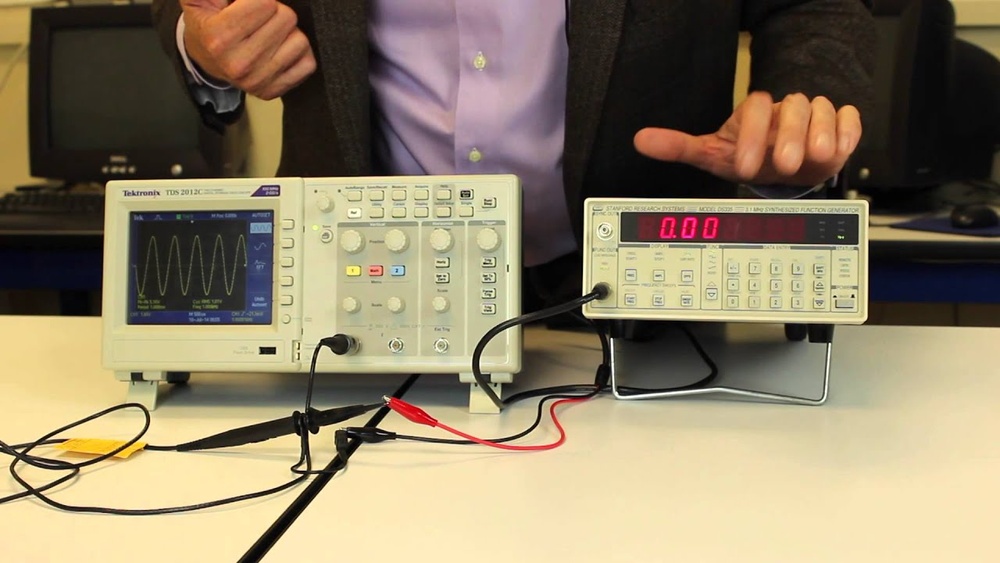
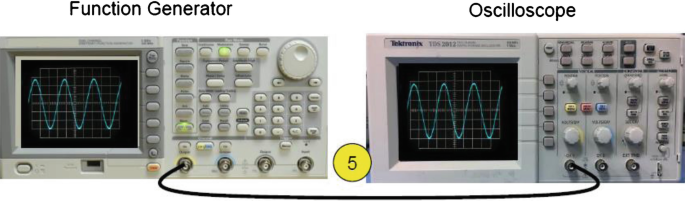
Signal generators create precise waveforms for device testing. They help check if circuits respond correctly. Oscilloscopes display those waveforms to verify signals. Engineers use both to calibrate instruments and ensure accuracy. The signal generator sets the test signal. The oscilloscope measures the output for comparison.
Troubleshooting Circuits
Oscilloscopes detect issues in electronic circuits. They show real-time signal behavior, revealing faults or noise. Signal generators inject known signals into circuits. This helps identify where faults occur. Troubleshooting often needs both tools for clear results. The oscilloscope confirms if the problem is fixed.
Research And Development
R&D teams explore new designs using these tools. Signal generators simulate different signal conditions. Oscilloscopes capture and analyze circuit reactions. Together, they allow testing under varied scenarios. This speeds up design improvements and validations. Both devices support innovation in electronics development.
Credit: link.springer.com
Choosing The Right Tool
Selecting between a signal generator and an oscilloscope depends on your specific needs. Both tools serve different purposes in electronics testing and measurement. Understanding these purposes helps you pick the right device for your project.
Each tool offers unique features and advantages. Knowing when to use each can save time and improve results.
Factors To Consider
Think about the type of signals you need to work with. Signal generators create test signals, while oscilloscopes display and analyze signals. Your tasks may require generating or measuring signals, or both.
Consider the signal frequency, waveform types, and accuracy needed. Some projects need simple sine waves, others complex patterns. The tool should match these requirements.
Budget And Performance
Price often influences your choice. Signal generators and oscilloscopes vary widely in cost. Basic models are affordable but limited in features.
Higher-end models offer better accuracy and more functions. Decide what performance you need and what fits your budget. Balance between cost and capability.
Complementary Usage
Signal generators and oscilloscopes often work together. Use the generator to produce signals and the oscilloscope to check them. This pairing improves testing accuracy and troubleshooting.
Many engineers keep both tools in their kits. Each tool adds value and supports different parts of the testing process. Consider owning both for complete testing solutions.
Credit: www.researchgate.net
Frequently Asked Questions
What Is The Main Difference Between Signal Generator And Oscilloscope?
A signal generator creates electrical signals with set frequency and amplitude. An oscilloscope displays and analyzes these signals visually. The generator produces test signals, while the oscilloscope captures and shows waveforms for measurement and diagnosis.
How Do Signal Generators And Oscilloscopes Work Together?
Signal generators produce test signals sent into circuits. Oscilloscopes then capture these signals to display waveforms. This combination helps engineers test circuit responses and troubleshoot issues efficiently by analyzing the generated signal behavior.
Which Device Is Essential For Electronic Testing: Signal Generator Or Oscilloscope?
Both are essential. Signal generators create test signals, while oscilloscopes visualize and measure them. Together, they provide a complete testing and diagnostic solution for electronic circuits and systems.
Can Oscilloscopes Measure Signal Frequency And Amplitude Accurately?
Yes, oscilloscopes measure signal frequency and amplitude precisely. They provide real-time waveform visuals and numerical data, aiding in detailed signal analysis and troubleshooting.
Conclusion
Signal generators create electrical signals for testing devices. Oscilloscopes show these signals visually on a screen. Both tools serve different but important roles in electronics. Choosing the right tool depends on your specific needs. For generating signals, use a signal generator.
To analyze signals, use an oscilloscope. Knowing their functions helps improve your work. Each device supports learning and troubleshooting effectively. Understanding their differences saves time and effort. Use these tools wisely for better results.

I’m Asif Ur Rahman Adib, an Electrical Engineer and lecturer. My journey began in the lab, watching students struggle with instruments they used every day without fully understanding them. Over time, I’ve combined teaching, research, and hands-on experience to help others grasp electrical concepts clearly, safely, and practically—whether it’s understanding a circuit or mastering a multimeter.