Are you trying to choose between a digitizer and an oscilloscope but feel overwhelmed by the technical jargon? You’re not alone.
Both tools are essential for measuring and analyzing signals, but each serves a unique purpose that can impact your work. Understanding the key differences will save you time, money, and frustration. Keep reading, and you’ll discover which device fits your needs perfectly—no confusion, just clear answers tailored for you.

Credit: www.youtube.com
Basic Concepts
Understanding the basic concepts of digitizers and oscilloscopes helps in choosing the right tool. Both devices measure electrical signals but work differently. They capture and display waveforms to show how signals change over time.
Knowing their core functions makes it easier to compare features and uses. This section explains what a digitizer and an oscilloscope are in simple terms.
What Is A Digitizer
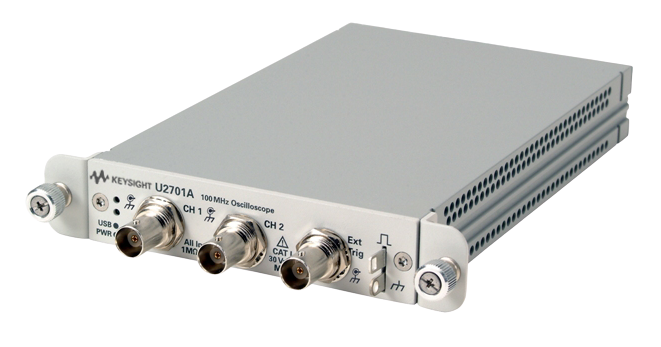
A digitizer converts analog signals into digital data. It samples the signal at set intervals and records each value. This process creates a digital snapshot of the waveform.
Digitizers are often used in computers for detailed signal analysis. They store data for later review or processing. The quality depends on sampling rate and resolution.
What Is An Oscilloscope
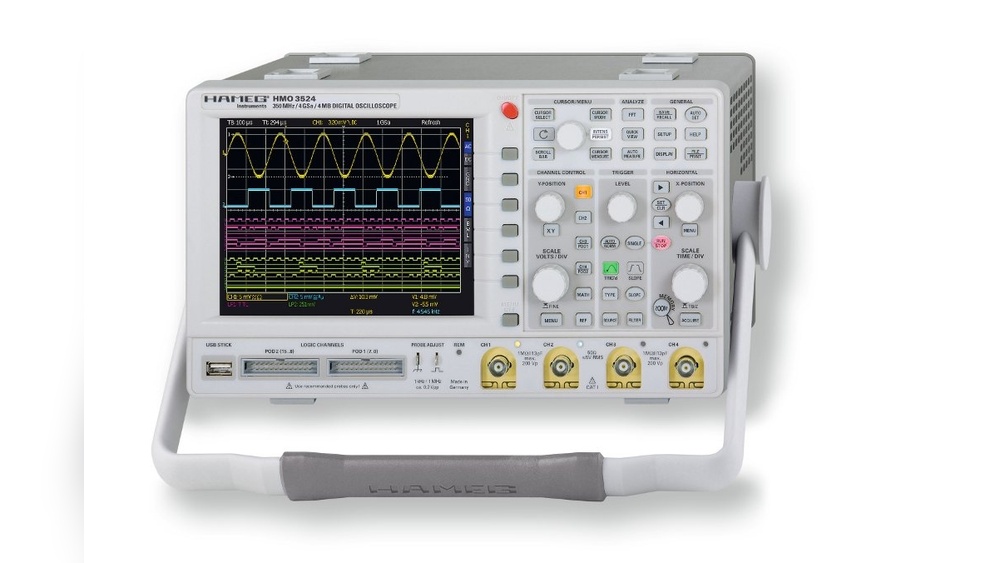
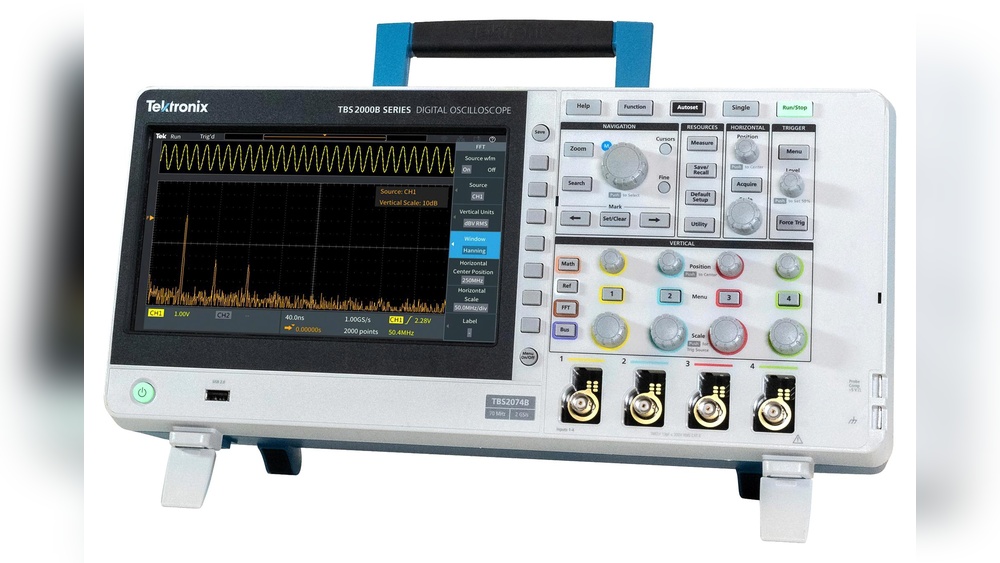
An oscilloscope shows electrical signals as waveforms on a screen. It displays real-time changes in voltage over time. Users can see how signals behave instantly.
Oscilloscopes often include controls to adjust the display and measurement settings. They help diagnose problems in circuits or test new designs. Many modern oscilloscopes also save data digitally.

Credit: www.keysight.com
Working Principles
The working principles of digitizers and oscilloscopes differ but share the goal of capturing electrical signals. Both devices convert analog signals into digital form for analysis. Understanding their methods helps choose the right tool for your needs.
Each device processes signals uniquely. Digitizers focus on accurate data capture for detailed analysis. Oscilloscopes emphasize real-time signal display and quick measurement.
How Digitizers Capture Signals
Digitizers sample signals at very high speeds. They use analog-to-digital converters (ADCs) to transform signals into digital data. The data is stored in memory for later processing. This method ensures high accuracy and resolution. Digitizers excel in capturing complex signals for detailed study.
Oscilloscope Signal Processing
Oscilloscopes display signals in real time on a screen. They also use ADCs but focus on quick conversion. The device processes signals to show waveforms immediately. Users can adjust settings to analyze signal shape and timing. Oscilloscopes are useful for quick diagnostics and troubleshooting.
Performance Parameters
Performance parameters define how well a digitizer or oscilloscope captures and displays signals. These parameters affect the clarity and accuracy of the measurements. Understanding these differences helps choose the right tool for your needs.
Sampling Rate Comparison
The sampling rate shows how many times per second the device measures a signal. Oscilloscopes usually have high sampling rates for real-time viewing. Digitizers also offer high rates but focus more on data storage. Higher sampling rates capture fast changes better.
Bandwidth Differences
Bandwidth is the range of frequencies the device can measure. Oscilloscopes often have wider bandwidth to see detailed signal shapes. Digitizers tend to have narrower bandwidth but higher precision within that range. Wide bandwidth helps detect quick signal peaks.
Resolution And Accuracy
Resolution means how finely the device measures signal levels. Digitizers typically have higher resolution for detailed analysis. Oscilloscopes balance resolution and speed for live signal display. Accuracy depends on the device’s design and calibration.
Applications
Digitizers and oscilloscopes serve different roles in signal measurement. Each has unique strengths that suit specific tasks. Understanding their applications helps choose the right tool for your work.
Both devices capture electrical signals but differ in speed, accuracy, and data handling. These differences guide their use in labs, industries, and education.
When To Use A Digitizer
Digitizers excel at capturing fast, complex signals with high precision. They convert analog signals into digital data quickly.
Use digitizers for detailed waveform analysis and long-term signal recording. They are ideal for research and advanced testing.
Digitizers handle large data sets well, making them perfect for scientific experiments. They allow deep analysis after data capture.
Ideal Uses For Oscilloscopes
Oscilloscopes work best for real-time signal viewing and quick troubleshooting. They show live waveforms clearly on their screens.
They are common in electronics repair and design. Fast visual feedback helps spot issues immediately.
Oscilloscopes suit educational settings too. Students learn signal behavior by watching waveforms change in real time.
Advantages And Limitations
Understanding the advantages and limitations of digitizers and oscilloscopes helps in choosing the right tool. Both devices serve to capture and analyze electrical signals. Each has its own strengths and common drawbacks. Knowing these can guide users to the best fit for their needs.
Strengths Of Digitizers
Digitizers offer high resolution and precise data capture. They convert analog signals to digital form quickly and accurately. This makes them ideal for detailed analysis. Digitizers often support complex data processing and storage. They excel in applications needing long-term data logging. Their compact design allows easy integration into systems. They handle high-speed signals better than many oscilloscopes.
Oscilloscope Benefits
Oscilloscopes provide real-time waveform visualization. They show signal changes instantly on the screen. This helps in quick troubleshooting and testing. Oscilloscopes are user-friendly with intuitive controls. Many models include built-in measurement tools. They support multiple channels for simultaneous signal viewing. Oscilloscopes are versatile for various electrical and electronic tests. They often have options for advanced triggering and analysis.
Common Drawbacks
Digitizers can be costly and complex to operate. They may require specialized software for data analysis. Some digitizers have limited input bandwidth. Oscilloscopes often have lower resolution compared to digitizers. Their data storage capacity might be limited. Oscilloscopes may not capture very fast or rare events well. Both devices can be bulky depending on the model. Users must balance features with budget and application needs.
Credit: www.keysight.com
Cost And Portability
Cost and portability play key roles in choosing between a digitizer and an oscilloscope. Both tools serve similar purposes but differ in price and ease of transport. Understanding these differences helps buyers pick the right device for their needs.
Price Range Comparison
Oscilloscopes generally cost more than digitizers. Basic oscilloscopes start around a few hundred dollars. High-end models can reach thousands of dollars. Digitizers tend to be cheaper, especially simple USB models. They offer good value for budget-conscious users. The price depends on features, bandwidth, and accuracy. For casual or light use, digitizers are often enough. Professionals needing advanced features lean toward oscilloscopes despite higher costs.
Portability And Size
Digitizers are usually compact and lightweight. Many connect directly to laptops via USB. This makes them easy to carry and use outside labs. Oscilloscopes vary in size. Portable handheld models exist but are bulkier than digitizers. Bench-top oscilloscopes can be heavy and large. Portability depends on the specific model and use case. Users needing fieldwork often prefer digitizers for their convenience. Those working in fixed locations might choose oscilloscopes for better performance.
Data Analysis And Storage
Data analysis and storage play key roles in measuring electronic signals. Both digitizers and oscilloscopes capture and manage data differently. Understanding these differences helps pick the right tool.
Digitizer Data Handling
Digitizers convert analog signals into digital data with high precision. They store raw data in large files for detailed analysis. Users can access this data later for deep study or processing. Digitizers often support fast data transfer to computers. This helps in handling large volumes of data efficiently. The stored data is easy to export to various software for advanced analysis.
Oscilloscope Data Features
Oscilloscopes show waveforms in real-time on their screens. They save snapshots or waveforms for quick review. Many oscilloscopes include built-in tools for basic data analysis. Users can measure signal frequency, amplitude, and timing directly on the device. Storage capacity is usually smaller compared to digitizers. Data can be exported but often in simpler formats. Oscilloscopes focus on fast, visual data interpretation rather than long-term storage.
Choosing The Right Tool
Choosing the right tool between a digitizer and an oscilloscope depends on the task. Each device has strengths that suit different needs. Understanding these differences helps pick the best option.
The decision affects accuracy, ease of use, and cost. Knowing the key factors saves time and improves results.
Factors To Consider
First, check the signal type you want to measure. Oscilloscopes handle fast-changing signals well. Digitizers excel at capturing signals for detailed analysis.
Next, consider the sample rate. Oscilloscopes often offer real-time viewing. Digitizers provide high sample rates for precise data.
Also, think about the required resolution. Digitizers usually have higher resolution for fine details. Oscilloscopes focus on speed and waveform shape.
Cost matters too. Oscilloscopes range from affordable to expensive. Digitizers tend to be pricier but offer more data depth.
Matching Tools To Needs
Use an oscilloscope for quick, real-time signal checks. It helps spot waveform shapes and signal problems fast.
Choose a digitizer if you need detailed analysis or long data recording. It suits research or complex testing tasks.
For simple troubleshooting, an oscilloscope is enough. For deep signal study, a digitizer works better.
Think about portability. Oscilloscopes often come in compact forms. Digitizers may require more setup space.
Frequently Asked Questions
What Is The Main Difference Between Digitizer And Oscilloscope?
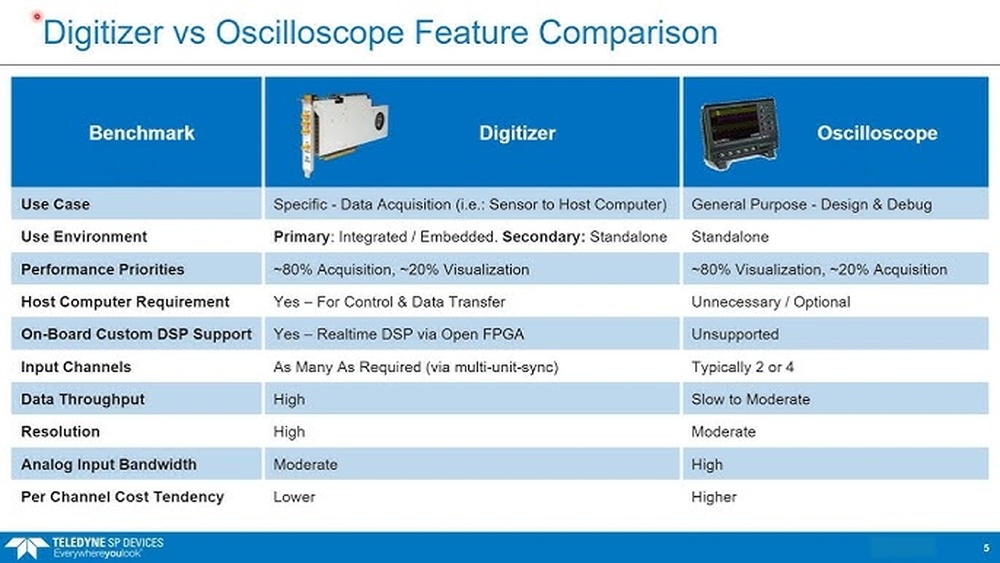
A digitizer converts analog signals into digital data for analysis. An oscilloscope visually displays real-time waveforms. Digitizers focus on data capture accuracy, while oscilloscopes emphasize waveform observation and measurement.
Which Device Is Better For Precise Signal Analysis?
Digitizers offer higher resolution and accuracy in signal sampling. Oscilloscopes provide quick visualization but may have lower precision. Choose digitizers for detailed data, and oscilloscopes for real-time monitoring.
Can Oscilloscopes Record Data Like Digitizers?
Oscilloscopes can record data but with limited storage and resolution. Digitizers specialize in high-speed, high-resolution data capture for in-depth analysis. For extensive data logging, digitizers are more suitable.
When Should I Use A Digitizer Over An Oscilloscope?
Use digitizers for detailed, long-term signal recording and analysis. Oscilloscopes are ideal for quick troubleshooting and real-time waveform viewing. Your choice depends on the required precision and application.
Conclusion
Both digitizers and oscilloscopes help measure electrical signals. Digitizers capture data for later analysis. Oscilloscopes show signals in real time. Choose based on your needs and budget. Digitizers suit detailed post-study work. Oscilloscopes work well for quick checks. Understanding their differences saves time and money.
Each tool has strengths for different tasks. Use the right one to get clear results. Simple tools can make complex work easier.

I’m Asif Ur Rahman Adib, an Electrical Engineer and lecturer. My journey began in the lab, watching students struggle with instruments they used every day without fully understanding them. Over time, I’ve combined teaching, research, and hands-on experience to help others grasp electrical concepts clearly, safely, and practically—whether it’s understanding a circuit or mastering a multimeter.