Are you trying to decide between the SMD DD1 and a traditional oscilloscope for your next project? Choosing the right tool can make a huge difference in how quickly and accurately you get the job done.
You might be wondering which device fits your needs better—whether it’s precision, ease of use, or budget. You’ll discover the key differences, advantages, and limitations of both the SMD DD1 and oscilloscopes. By the end, you’ll feel confident making the best choice for your work.
Keep reading to unlock insights that could save you time and frustration.
Credit: www.youtube.com
Basics Of Smd Dd1
The SMD DD1 is a small electronic component used in various circuits. It belongs to the category of surface-mount devices (SMD). These devices are compact and fit directly onto the surface of printed circuit boards.
SMD DD1 is known for its specific functions in signal processing. It plays a role in shaping and controlling electrical signals. Understanding its basics helps in comparing it with more complex tools like oscilloscopes.
Design And Features
The SMD DD1 is designed to be compact and lightweight. It has a flat body with metal contacts on the sides. These contacts allow easy soldering to circuit boards.
The device operates at low power and can handle high-frequency signals. Its design focuses on efficiency and reliability in signal manipulation. It often includes built-in protection against electrical noise.
Typical Applications
SMD DD1 is widely used in communication devices. It helps in filtering and amplifying signals. Many consumer electronics, like radios and smartphones, include this component.
Engineers use it in signal modulation and demodulation circuits. It also appears in test equipment and measurement tools. Its small size makes it ideal for compact and portable devices.
Advantages And Limitations
The main advantage of SMD DD1 is its small size. It saves space and reduces the weight of electronic devices. It also offers good performance at low power consumption.
One limitation is its fixed functionality. Unlike oscilloscopes, it cannot display or measure signals. It only processes signals but does not provide visual feedback. This restricts its use to specific circuit roles.
Basics Of Oscilloscope
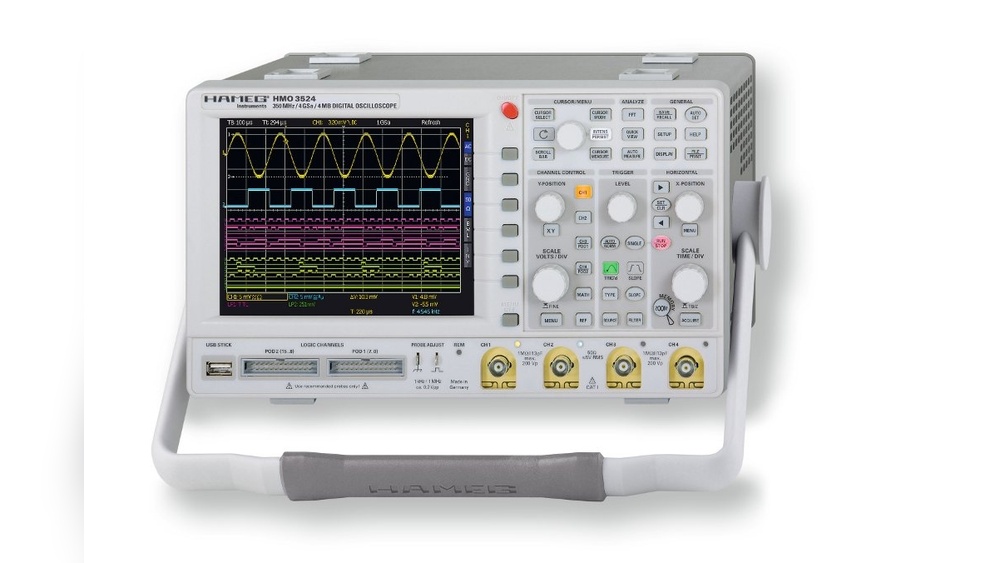
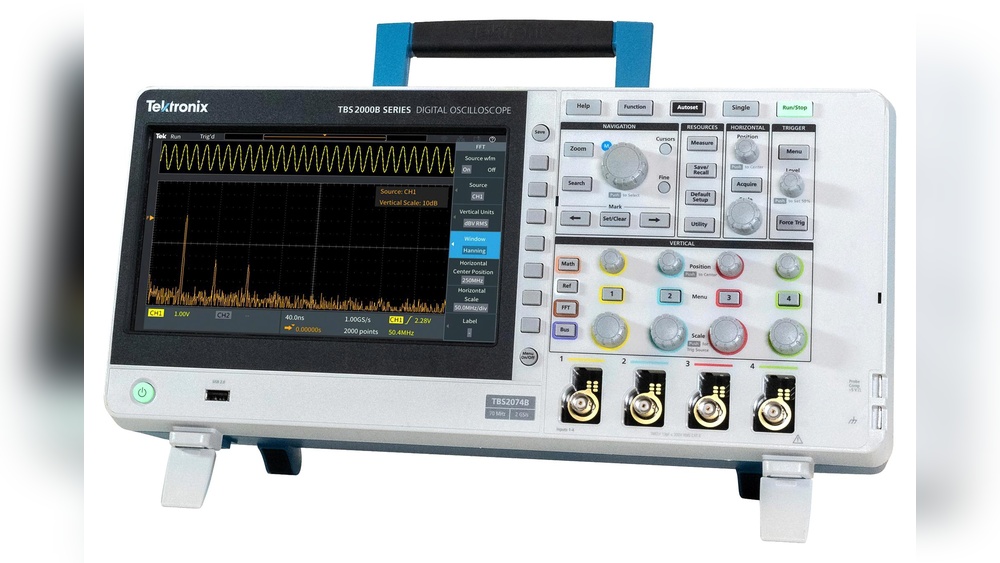
An oscilloscope is a tool used to see electrical signals visually. It shows how voltage changes over time. This helps in understanding the behavior of electronic circuits. Knowing the basics of oscilloscopes is important for anyone working with electronics. It can reveal problems and measure signal quality quickly.
Core Components
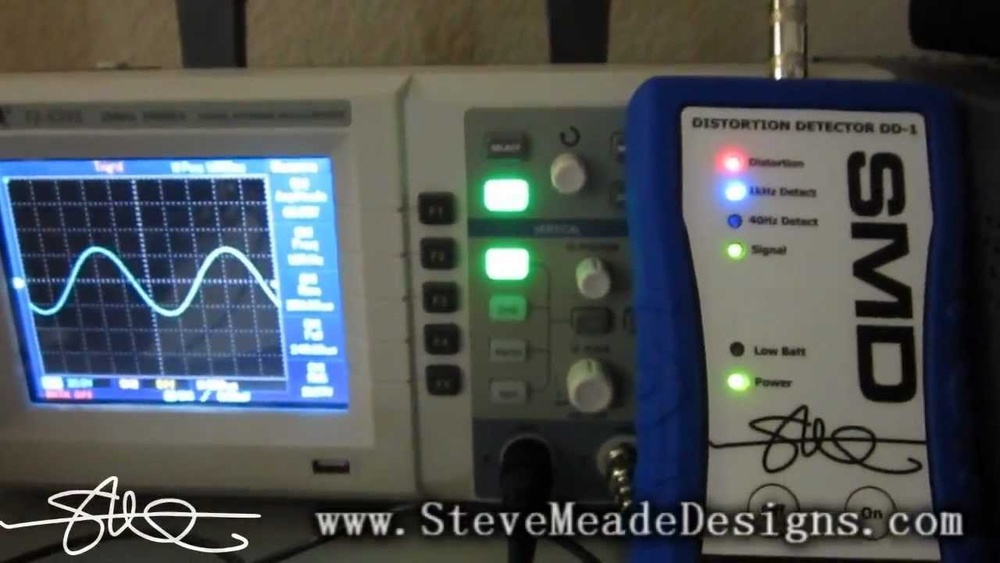
An oscilloscope has several key parts. The screen displays the signal waveform. The vertical axis shows voltage, and the horizontal axis shows time. Probes connect the oscilloscope to the circuit. Controls adjust the scale and position of the waveform. The trigger stabilizes the signal for clear viewing. Together, these parts make the device work smoothly.
Common Uses
Oscilloscopes are used in many fields. Engineers test circuit designs. Technicians find faults in devices. Hobbyists explore electronics projects. They check signal shapes, frequencies, and timing. Oscilloscopes also measure noise and distortion. They help ensure devices work properly before release.
Strengths And Weaknesses
Oscilloscopes show real-time signal changes. They provide detailed, accurate visual data. The device works for both simple and complex signals. However, oscilloscopes can be expensive. Learning to use them takes time. They require careful probe handling to avoid damage. Limited portability makes field use harder. Despite this, oscilloscopes remain essential tools for electronics.
Performance Comparison
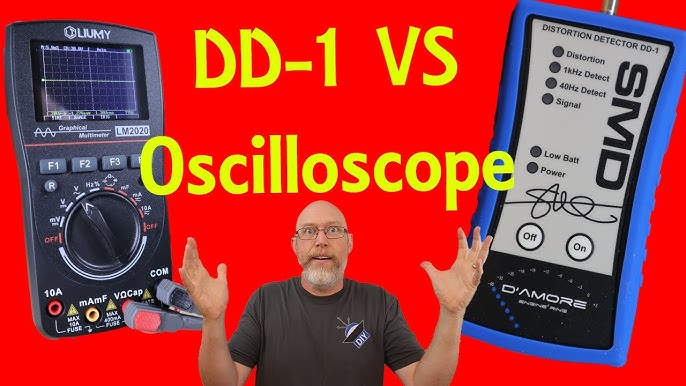
Comparing the performance of the SMD DD1 and an oscilloscope helps understand their practical uses. Both tools serve to measure and analyze signals but differ in key areas. Evaluating accuracy, response time, and signal visualization highlights their strengths and limits.
This comparison guides users in choosing the right tool for their needs.
Accuracy And Precision
The oscilloscope offers high accuracy and precision for signal measurement. It shows detailed waveforms with minimal error. The SMD DD1 provides decent accuracy but is less precise than an oscilloscope. It suits basic tests but may miss fine details in complex signals.
Response Time
Oscilloscopes respond quickly to signal changes. They capture fast transient events effectively. The SMD DD1 has a slower response time. It works well for steady signals but struggles with rapid fluctuations. Fast signal tracking is where oscilloscopes excel.
Signal Visualization
Oscilloscopes display signals graphically on a screen. This visualization helps users see waveform shapes clearly. The SMD DD1 relies on simple indicators or limited displays. It cannot show detailed waveforms. For detailed signal analysis, oscilloscopes provide better visual feedback.
Usability And Interface
Usability and interface play a big role in choosing between the SMD DD1 and an oscilloscope. They affect how easily you can work and get accurate results. A simple, clear interface helps avoid mistakes and saves time. Understanding the usability differences helps you pick the right tool for your needs.
Ease Of Operation
The SMD DD1 offers a straightforward setup with fewer buttons. Beginners can learn its functions quickly. The oscilloscope has more complex controls but offers deeper analysis options. It may take time to learn all the features. For simple tasks, the SMD DD1 is faster to operate.
Display And Controls
The SMD DD1 uses a small screen with clear icons and limited data. It shows essential information without clutter. The oscilloscope provides a larger display with detailed waveforms and measurements. Its buttons and knobs allow precise adjustments. Users can see more data at once, but the controls are more complex.
Portability
The SMD DD1 is compact and lightweight. You can carry it easily to different work sites. The oscilloscope tends to be bulkier and heavier. It needs more space and a power source. For fieldwork, the SMD DD1 is more convenient. The oscilloscope suits a lab or fixed workspace better.
Cost And Maintenance
Cost and maintenance play a big role in choosing between an SMD DD1 and an oscilloscope. Understanding the expenses helps you pick the right tool for your needs and budget. Both devices serve different purposes and have different cost structures. Let’s explore their initial investment, upkeep, and long-term value.
Initial Investment
The SMD DD1 typically costs less than a high-quality oscilloscope. It suits basic testing and small projects well. Oscilloscopes usually have a higher price due to advanced features and precision. Buying an oscilloscope means paying for better accuracy and more functions. Budget limits often decide which device fits best.
Upkeep And Repairs
Maintenance for the SMD DD1 is simple and inexpensive. It rarely requires repairs because of its basic design. Oscilloscopes need regular calibration to keep accuracy intact. Repairs can be costly if parts break or software needs updates. Proper care extends the life of both devices, reducing future expenses.
Long-term Value
The SMD DD1 offers good value for simple tasks and low budgets. It is easy to replace if damaged. Oscilloscopes provide more versatility and detailed analysis over time. They are worth the extra cost for professionals and complex work. Choosing depends on your current needs and future plans.

Credit: audiopartsdirect.com
Best Use Cases
Understanding the best use cases helps you pick the right tool for your needs. Both SMD DD1 and oscilloscopes serve specific purposes. Choosing the right one boosts your work efficiency and accuracy.
When To Choose Smd Dd1
SMD DD1 suits simple signal detection tasks. It works well for quick voltage level checks. Use it in compact electronics projects. Its small size fits tight spaces easily. It is ideal for basic circuit troubleshooting. SMD DD1 requires less power and setup. Choose it for projects with limited space and budget.
When To Choose Oscilloscope
Oscilloscopes handle complex signal analysis. They show waveforms and signal changes over time. Use oscilloscopes for detailed electronic testing. They help find timing issues and signal distortion. Perfect for advanced circuit design and repair. Oscilloscopes offer high accuracy and multiple functions. Choose them for professional labs and precise measurements.
Future Trends
The future of SMD DD1 and oscilloscopes holds many changes. Technology keeps moving fast. These tools will get better and more useful. New features and improvements will help users test electronics more easily and accurately. Let’s explore what to expect next.
Technological Advancements
Both SMD DD1 and oscilloscopes will gain faster processors. This means quicker data analysis and display. New materials could make devices lighter and stronger. Wireless connectivity will allow remote control and data sharing. Smaller sizes will improve portability. These changes will make testing tools more practical and user-friendly.
Emerging Features
Future models will include touchscreens for easier navigation. Smart alerts will notify users of errors instantly. Built-in memory will store more data for later review. Integration with smartphones and computers will become common. Advanced signal processing will help detect even tiny issues. These features will support faster problem solving and better results.
Impact On Testing Accuracy
Improved sensors will capture more precise signals. Noise reduction technology will clear unwanted interference. Calibration processes will become simpler and more exact. Enhanced software will analyze data with higher accuracy. Users will trust results more, leading to better product quality. Overall, testing will become more reliable and consistent.

Credit: espacioeslava.com
Frequently Asked Questions
What Is The Main Difference Between Smd Dd1 And Oscilloscope?
SMD DD1 is a surface-mount diode, mainly for rectification. An oscilloscope is a device that visualizes electrical signals for analysis and troubleshooting.
Can Smd Dd1 Replace An Oscilloscope In Testing?
No, SMD DD1 cannot replace an oscilloscope. SMD DD1 is a component, while an oscilloscope is a testing instrument for signal observation.
How Does An Oscilloscope Benefit Electronic Diagnostics?
An oscilloscope provides real-time visualization of waveforms, helping identify faults and analyze circuit behavior accurately and quickly.
Is Smd Dd1 Useful In Signal Measurement?
SMD DD1 is not designed for signal measurement; it mainly controls current flow, unlike oscilloscopes that measure and display signals.
Conclusion
Choosing between SMD DD1 and an oscilloscope depends on your needs. SMD DD1 suits simple, small tasks well. Oscilloscopes work better for detailed signal analysis. Each tool has clear strengths and limits. Understanding these helps you pick the right one.
Use this knowledge to improve your electronics work. Both tools have their place in the lab. Keep experimenting and learning with each device. Your skills will grow as you use them wisely.

I’m Asif Ur Rahman Adib, an Electrical Engineer and lecturer. My journey began in the lab, watching students struggle with instruments they used every day without fully understanding them. Over time, I’ve combined teaching, research, and hands-on experience to help others grasp electrical concepts clearly, safely, and practically—whether it’s understanding a circuit or mastering a multimeter.