Are you struggling to choose between a Picoscope and a traditional oscilloscope for your work or hobby? Making the right choice can save you time, money, and frustration.
Both tools look similar but work quite differently, and understanding these differences is key to getting accurate results. You’ll discover which option fits your needs best, how each one works, and what hidden advantages you might be missing. Keep reading to find out how you can boost your measurement skills and make smarter decisions with your electronics projects.
Picoscope Basics
The Picoscope is a type of digital oscilloscope that connects to a computer. It uses the computer’s screen and software to display waveforms. This makes it a compact and flexible tool for many users. Unlike traditional oscilloscopes, the Picoscope is portable and easy to carry around.
Understanding the basics of a Picoscope helps in choosing the right tool for your work. It offers clear views of electrical signals and lets you capture fast changes. The device’s design suits various tasks in electronics and engineering.
Key Features
The Picoscope offers high sample rates and deep memory. It supports multiple channels to measure different signals at once. The software includes tools for detailed analysis and measurement. Its USB connection makes setup fast and simple. Users can save data easily and share reports directly.
Typical Applications
Engineers use Picoscopes in circuit testing and troubleshooting. It helps in automotive diagnostics and checking sensors. Hobbyists find it useful for DIY electronics projects. It also supports education by showing live signal changes. Many use it for research and product development tasks.
Advantages Over Traditional Tools
Picoscopes are lighter and take up less space. They cost less than many standalone oscilloscopes. The software updates bring new features without extra hardware. Users can view waveforms on a large computer screen. It is easier to store and organize measurement data digitally.

Credit: www.picotech.com
Oscilloscope Essentials
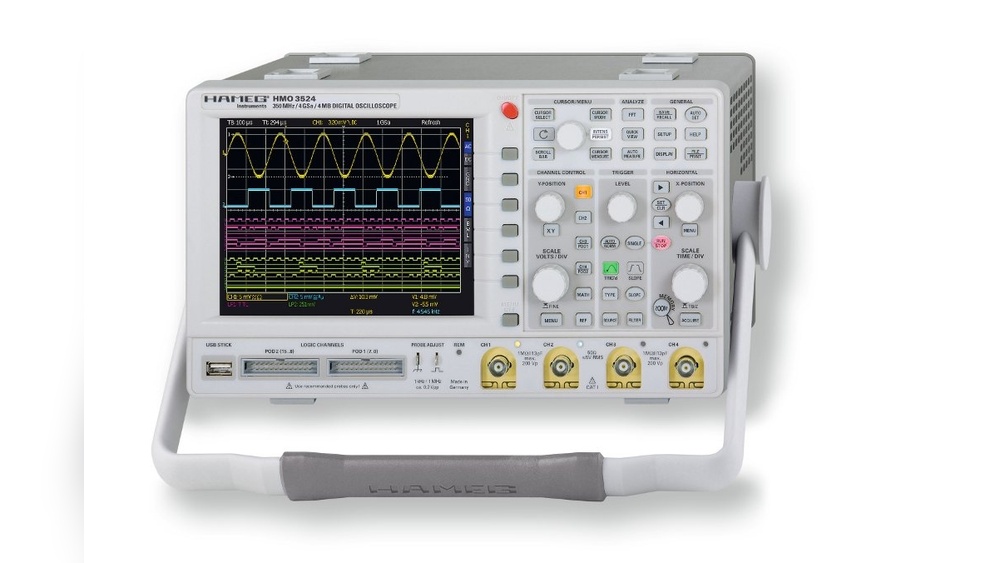
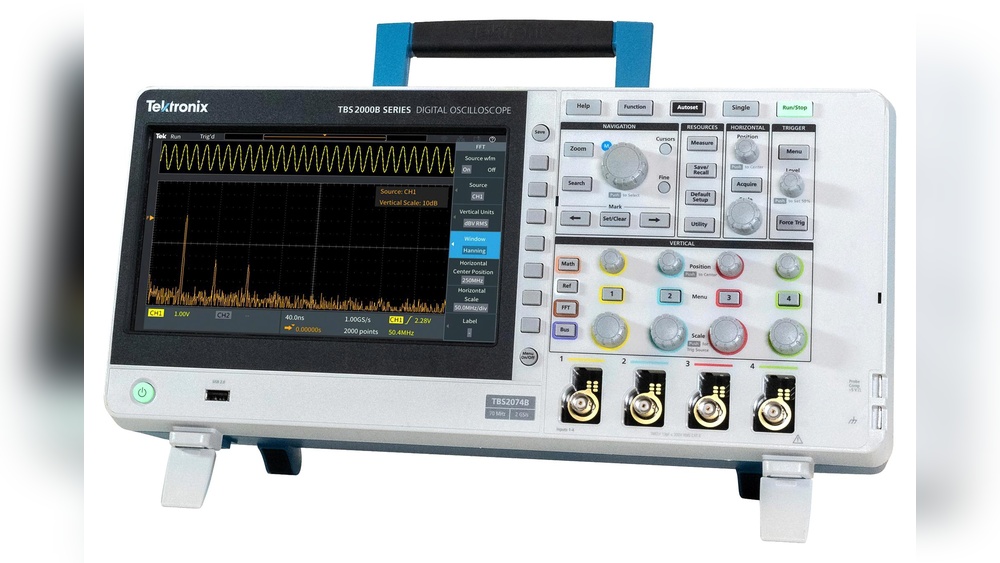
Oscilloscopes are key tools for anyone working with electronics. They show how electrical signals change over time. This helps users see the shape and timing of signals. Understanding these basics is important before comparing different types like Picoscopes and traditional oscilloscopes.
Oscilloscopes come in many forms but share common features. Knowing their core functions, typical uses, and strengths helps choose the right tool for the job.
Core Functions
An oscilloscope captures and displays electrical signals. It plots voltage on the vertical axis and time on the horizontal axis. Users can measure frequency, amplitude, and signal shape. Triggering controls help capture specific signal events. Many oscilloscopes also store data for later analysis.
Common Usage Scenarios
Oscilloscopes are used in labs, repair shops, and manufacturing. They help find faults in circuits and test new designs. Engineers use them to check signal integrity and timing. Hobbyists rely on oscilloscopes for learning and building projects. They work with audio, radio, and digital signals.
Strengths In Testing
Oscilloscopes provide clear, real-time views of signals. They show detailed waveforms and fast changes. This makes it easier to spot noise, glitches, or distortions. High bandwidth models capture very fast signals accurately. Portable versions offer flexibility for field work. Overall, oscilloscopes are reliable for thorough electronic testing.
Performance Comparison
Comparing the performance of a Picoscope and a traditional oscilloscope helps to find the right tool. Both devices measure electronic signals but differ in key aspects. This section looks at sampling rate, signal accuracy, and data handling.
Sampling Rate And Bandwidth
The sampling rate shows how often the device records data points per second. Picoscopes often have high sampling rates, sometimes reaching several gigasamples per second. Traditional oscilloscopes offer a wide range of sampling rates, depending on the model and price.
Bandwidth indicates the range of signal frequencies the device can measure accurately. Oscilloscopes usually have higher bandwidth, which suits complex signals. Picoscopes provide good bandwidth but may be limited compared to high-end oscilloscopes.
Signal Accuracy
Signal accuracy is crucial for clear and precise measurements. Picoscopes use advanced digital processing to reduce noise and improve clarity. Oscilloscopes often have analog front ends that can capture very clean signals.
Both tools offer high accuracy, but oscilloscopes may handle fast transient signals better. Picoscopes excel in steady-state signal analysis with digital filtering.
Data Storage And Analysis
Picoscopes store data digitally on a connected computer. This allows easy saving, sharing, and detailed analysis with software. Oscilloscopes often have built-in memory but less storage capacity.
Oscilloscope data analysis is mostly done on the device itself. Picoscopes give more flexibility for post-measurement review. Users can apply custom filters and math functions on stored data.
Portability And Setup
Portability and setup are key factors when choosing between a PicoScope and a traditional oscilloscope. These tools help measure electrical signals, but their design and ease of use can differ a lot. Understanding how easy they are to carry and set up can save time and effort in daily work.
Many users need a device that fits their workspace and travel needs. Both PicoScope and oscilloscopes serve this purpose but vary in size, weight, and connection methods. These differences impact how quickly you can start testing circuits or troubleshooting problems.
Physical Size And Weight
PicoScopes are usually small and light. They often fit in a pocket or small bag. This makes them easy to carry anywhere. Traditional oscilloscopes tend to be larger and heavier. They need a dedicated space on a desk or workbench. Carrying them around can be difficult and tiring. For mobile work, PicoScopes offer a clear advantage.
Ease Of Use
PicoScopes connect to a laptop or PC. This setup uses software to display signals. It requires installing and running the program. Many find this straightforward once set up. Traditional oscilloscopes have built-in screens and controls. They allow direct adjustments without extra devices. This can be simpler for quick checks. Both types need some learning but differ in how users interact with them.
Connectivity Options
PicoScopes use USB or sometimes Wi-Fi to connect. This means fewer cables and easy link to modern devices. They depend on the computer’s power and screen. Traditional oscilloscopes usually need their own power supply. They might have multiple ports for probes and external triggers. These options give more flexibility but add complexity. The choice depends on the user’s environment and tools already available.
Cost And Value
Cost and value play a big role in choosing between a PicoScope and a traditional oscilloscope. Understanding the price differences, long-term investment, and maintenance needs helps you make a smart choice. Both devices serve the same basic function but differ in cost and ongoing expenses.
Price Differences
PicoScopes usually cost less upfront than traditional oscilloscopes. They use your computer for display and controls, which lowers their price. Traditional oscilloscopes have built-in screens and buttons, making them more expensive. The price gap depends on the model and features needed. For basic tasks, a PicoScope offers good value for less money.
Long-term Investment
Traditional oscilloscopes often last longer due to rugged design. PicoScopes rely on your computer, which may need updates or replacement. Over time, the cost of keeping a computer compatible adds up. Traditional scopes may keep value better if well maintained. Consider how long you plan to use the device before buying.
Maintenance And Upgrades
PicoScopes get software updates for free or low cost. This keeps them current without extra hardware expenses. Traditional oscilloscopes may need costly repairs or calibration. Upgrading a traditional scope usually means buying a new model. PicoScopes offer easy software improvements, saving money on maintenance. Choose what fits your budget and tech comfort level.

Credit: www.picoauto.com
Use Case Scenarios
Choosing between a PicoScope and a traditional oscilloscope depends on the task. Each tool suits different work settings and needs. Understanding where each excels helps pick the right one.
Here are common use case scenarios for both devices in lab testing, field diagnostics, and education.
Lab Testing
PicoScopes are compact and connect to laptops easily. They work well in labs with limited space. Scientists use them for detailed waveform analysis and storage.
Traditional oscilloscopes offer larger screens and more controls. They are ideal for complex lab tests that need quick adjustments. Engineers prefer them for real-time troubleshooting.
Field Diagnostics
PicoScopes are portable and battery-powered. Technicians use them onsite to check circuits and signals. Their small size fits well in tight spaces.
Oscilloscopes can be bulky and need power outlets. They are less common in the field but useful in mobile labs. Their robustness suits rough environments.
Education And Training
Students find PicoScopes easy to use and affordable. They help learn signal concepts with software visualization. Teachers use them to show waveforms on classroom computers.
Traditional oscilloscopes teach hands-on skills with physical controls. They help students understand manual settings and measurements. Labs use them for practical electronics training.
Choosing The Right Tool
Choosing the right tool for measuring and analyzing signals is important. Both Picoscopes and traditional oscilloscopes serve this purpose well. Picking the best one depends on your specific needs, budget, and work environment. Understanding the differences helps you make a smart choice.
Factors To Consider
Start by thinking about your budget. Picoscopes often cost less than traditional oscilloscopes. Consider the size and portability of the device. Picoscopes are compact and easy to carry. Traditional oscilloscopes usually offer more power and screen size. Also, check the bandwidth and sample rate. Higher values mean better signal detail. Look at software features and ease of use. Some tools require more learning time. Power source and connectivity options matter too.
Matching Tools To Needs
Use a Picoscope for fieldwork or small projects. It connects easily to a laptop or PC. This makes it handy for quick tests. Traditional oscilloscopes fit better in labs or workshops. They provide a built-in screen and controls. Choose one that fits your technical skill level. Beginners might prefer simpler devices. Experts may want advanced features and settings. Think about the types of signals you measure. Analog or digital, low frequency or high frequency. Matching tools to tasks improves work quality.
Future-proofing Your Equipment
Buy tools that can grow with your needs. Check if the device supports software updates. This keeps it current and useful longer. Look for modular designs that allow upgrades. Consider compatibility with other equipment you use. Choose devices with good customer support. This helps with repairs and advice. Investing in future-proof tools saves money over time. Avoid buying cheap devices that become outdated fast. Reliable equipment makes your work easier and faster.

Credit: www.picotech.com
Frequently Asked Questions
What Is The Main Difference Between Picoscope And Oscilloscope?
Picoscope is a PC-based oscilloscope using software for display. Traditional oscilloscopes are standalone devices with built-in screens. Picoscopes offer portability and advanced analysis, while traditional oscilloscopes provide direct hardware control and durability.
Are Picoscopes Accurate Compared To Traditional Oscilloscopes?
Yes, Picoscopes provide high accuracy and resolution. They rely on your computer’s processing power. Traditional oscilloscopes may offer faster real-time response but Picoscopes excel in detailed signal analysis and storage.
Which Device Is Better For Beginners, Picoscope Or Oscilloscope?
Beginners often find Picoscopes user-friendly due to intuitive software and PC integration. Traditional oscilloscopes require more manual setup but are great for hands-on learning and durability in lab environments.
Can Picoscopes Handle High-frequency Signals Effectively?
Picoscopes handle high-frequency signals well but depend on model specifications. High-end Picoscopes support several hundred MHz bandwidth, suitable for most applications. Traditional oscilloscopes may offer higher bandwidth for very high-frequency needs.
Conclusion
Choosing between a Picoscope and an oscilloscope depends on your needs. Picoscopes offer portability and digital features. Traditional oscilloscopes provide ease of use and durability. Both tools help you see electrical signals clearly. Think about your budget and work style.
Each device fits different tasks and skill levels. Take time to compare features carefully. The right choice makes your work smoother and faster. Simple tools lead to better results. Keep your goals clear and pick wisely.

I’m Asif Ur Rahman Adib, an Electrical Engineer and lecturer. My journey began in the lab, watching students struggle with instruments they used every day without fully understanding them. Over time, I’ve combined teaching, research, and hands-on experience to help others grasp electrical concepts clearly, safely, and practically—whether it’s understanding a circuit or mastering a multimeter.