Are you trying to choose the right oscilloscope for your work but feel stuck between DPO and DSO options? Understanding the key differences between these two types can save you time, money, and frustration.
Whether you’re troubleshooting circuits or analyzing signals, picking the right oscilloscope will make your tasks easier and more accurate. You’ll discover exactly what sets DPO and DSO oscilloscopes apart, so you can make the best choice for your needs. Keep reading to unlock the insights that will boost your confidence and skills.

Credit: www.researchgate.net
Basics Of Dpo And Dso
Understanding the basics of DPO and DSO is important for anyone working with oscilloscopes. Both devices help capture and analyze electrical signals. They show how signals change over time. This helps in troubleshooting and testing electronic circuits. Knowing their differences helps choose the right tool for the job.
Core Functions
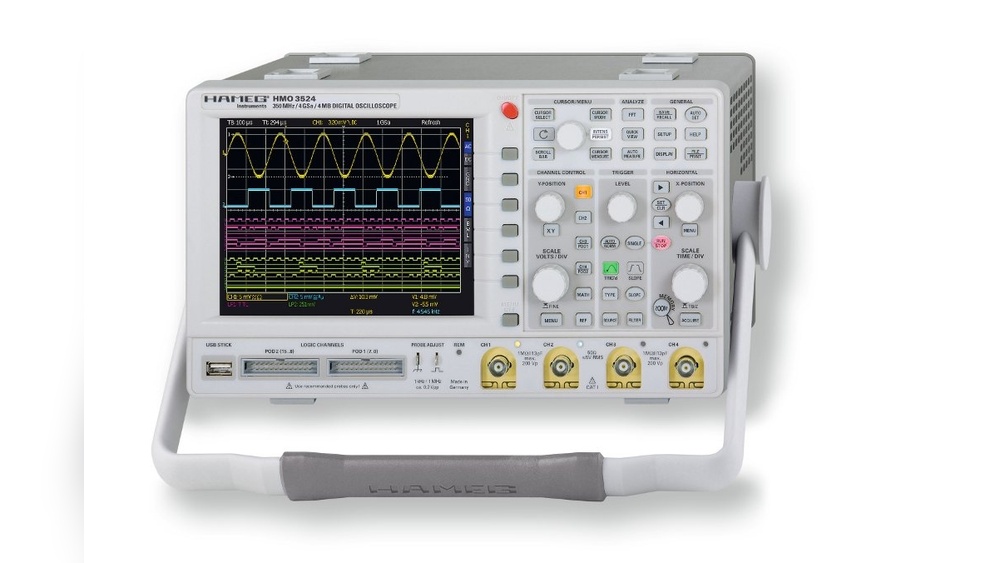
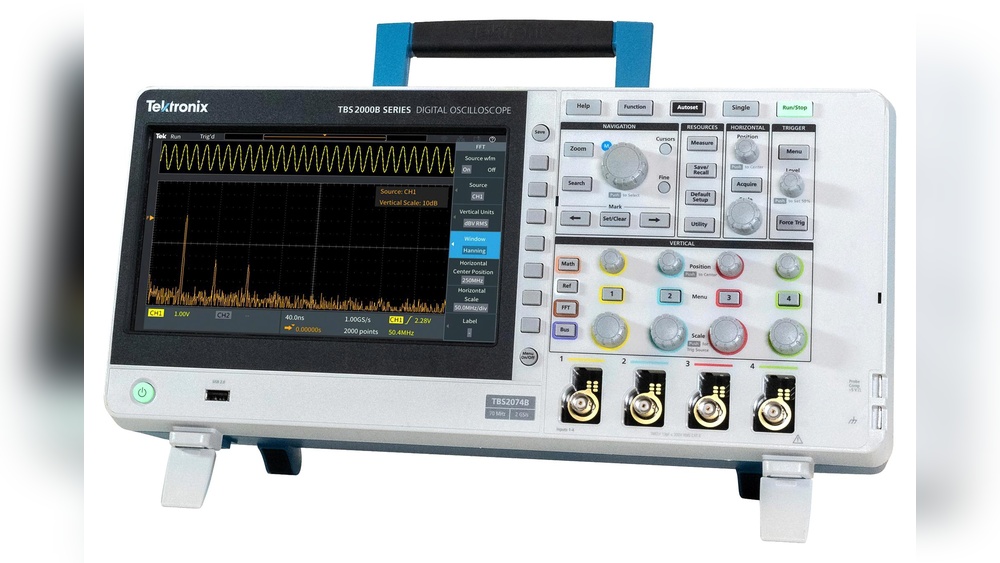
A Digital Phosphor Oscilloscope (DPO) captures many signal waveforms quickly. It shows how often certain signals occur. This helps spot rare or unusual events. A Digital Storage Oscilloscope (DSO) stores a single waveform at a time. It allows users to analyze the captured signal in detail. Both display signals on a screen but serve different needs.
Technology Behind Each
DPO uses a fast memory system to capture thousands of waveforms per second. It uses color intensity to show signal density. This helps users see patterns and anomalies. DSO captures signals and saves them in digital memory. It displays one waveform clearly for detailed analysis. DSO relies on sample and hold circuits for signal capture.
Display And Signal Capture
Display and signal capture are key features that separate DPO and DSO oscilloscopes. Both tools show electrical signals, but their methods and clarity differ. Understanding these differences helps choose the right scope for your needs.
Waveform Visualization
DPO oscilloscopes offer detailed waveform visualization with deep memory. They capture complex signals clearly, showing every detail. This helps in analyzing glitches or noise in signals.
DSO oscilloscopes display waveforms quickly but with less detail. They are good for simple signals and fast checks. The screen updates fast, but some subtle signal parts might be missed.
Data Acquisition Methods
DPO uses parallel processing to capture multiple samples at once. This method records more data points accurately. It reduces signal distortion and improves measurement precision.
DSO captures data sequentially, one sample at a time. This can cause missed information if the signal changes rapidly. It is simpler but less precise for complex signals.
Performance And Speed
Performance and speed are key factors when choosing between a DPO and a DSO oscilloscope. These features affect how well the scope captures and displays signals. Fast and accurate signal capture helps in detailed analysis. Understanding these aspects helps you pick the right tool for your needs.
Sampling Rates
Sampling rate measures how many data points the oscilloscope collects per second. A higher rate means more detail in the signal. DPOs typically offer higher sampling rates than DSOs. This helps in capturing fast, complex signals clearly. Lower sampling rates might miss small signal changes. For precise work, a good sampling rate is essential.
Real-time Vs Equivalent-time
Real-time sampling records the signal as it happens. It captures every detail in one go. DPOs use real-time sampling to catch fast pulses and glitches. Equivalent-time sampling builds the signal over many cycles. It works well for repetitive signals but not for one-time events. DSOs often use equivalent-time sampling, which can limit speed. Real-time sampling gives a clearer, faster view of signals.
Credit: docs.keysight.com
Memory And Storage
Memory and storage are key factors in comparing DPO and DSO oscilloscopes. They affect how much signal data the device can capture and hold for analysis. A larger memory lets you record longer signals with more detail. Storage impacts how easily you can save and review your measurements later.
Buffer Size
Buffer size defines how many samples the oscilloscope can store at once. DPOs often have larger buffer sizes than DSOs. This means DPOs can capture longer waveforms without missing details. A bigger buffer helps when observing complex signals that change quickly. Smaller buffers may lose important parts of the signal.
Data Retention
Data retention is how long the oscilloscope keeps the captured data. DSOs may have limited retention time before the data is overwritten. DPOs usually offer better retention, allowing you to analyze past events more easily. Strong data retention is useful for troubleshooting and comparing signals over time.
Applications And Use Cases
Understanding the applications and use cases of DPO and DSO oscilloscopes helps choose the right tool. Both devices capture electrical signals but serve different needs. Knowing their strengths guides better decisions for specific tasks.
Industry Preferences
Industries like telecommunications often prefer DPO oscilloscopes. They need detailed signal analysis and deep memory. Automotive sectors lean toward DSO oscilloscopes for quick troubleshooting and simple waveform checks. Consumer electronics use both types, depending on test complexity. Education sectors favor DSO oscilloscopes for ease of use and cost.
Best Fit Scenarios
DPO oscilloscopes fit complex signal analysis and long capture times. They excel in research labs and advanced product testing. DSO oscilloscopes work well for routine maintenance and quick diagnostics. They are ideal for field engineers and simple circuit checks. Choosing depends on test depth and budget constraints.
Price And Accessibility
Price and accessibility play a big role when choosing between a DPO and a DSO oscilloscope. These tools serve similar purposes but differ in cost and availability. Understanding these differences helps buyers pick the right device for their needs and budget.
Cost Comparison
DPO oscilloscopes are usually more expensive than DSO models. They offer advanced features and better performance, which raises the price. DSO oscilloscopes have simpler designs and fewer functions, making them more affordable. For hobbyists and students, DSOs are a budget-friendly choice. Professionals often invest in DPOs for higher accuracy and speed.
Market Availability
DSO oscilloscopes are widely available from many brands and stores. They can be found in electronics shops and online marketplaces easily. DPO oscilloscopes are less common and often sold by specialized suppliers. Some models require ordering directly from manufacturers. Accessibility depends on the buyer’s location and intended use. Overall, DSOs are easier to find for most users.
User Experience
User experience plays a big role in choosing between a DPO and a DSO oscilloscope. These devices help you see electrical signals clearly. How easy they are to use affects your work speed and accuracy. Let’s explore their interface and controls, plus how simple they are to operate.
Interface And Controls
DSOs usually have simple screens with clear menus. Buttons and knobs are easy to find and use. This helps beginners start quickly. DPOs offer more detailed displays and many control options. These controls let experts adjust settings finely. The screen shows more data at once. It may take time to learn all controls. Both types have touchscreen options, but DPOs tend to have larger, sharper displays.
Ease Of Use
DSOs are designed for straightforward tasks. They work well for quick measurements and basic troubleshooting. The learning curve is low, so users feel confident fast. DPOs need more skill due to advanced features. They suit users who need deep signal analysis. Programming and setting triggers can be complex. Yet, once mastered, DPOs offer more precise results. For beginners, DSOs provide a smoother start.

Credit: www.youtube.com
Frequently Asked Questions
What Is The Main Difference Between Dpo And Dso Oscilloscopes?
DPO (Digital Phosphor Oscilloscope) captures and displays signal intensity in real-time, showing signal history. DSO (Digital Storage Oscilloscope) stores digital signals for later analysis. DPOs offer better visualization of complex signals, while DSOs focus on accurate waveform storage and measurement.
Which Oscilloscope Is Better For Signal Analysis, Dpo Or Dso?
DPO oscilloscopes are better for analyzing complex, fast-changing signals due to real-time intensity grading. DSOs are suitable for general waveform capturing and storage. Choose DPO for detailed signal history and DSO for basic waveform recording and measurement tasks.
How Do Dpo Oscilloscopes Display Signal Intensity?
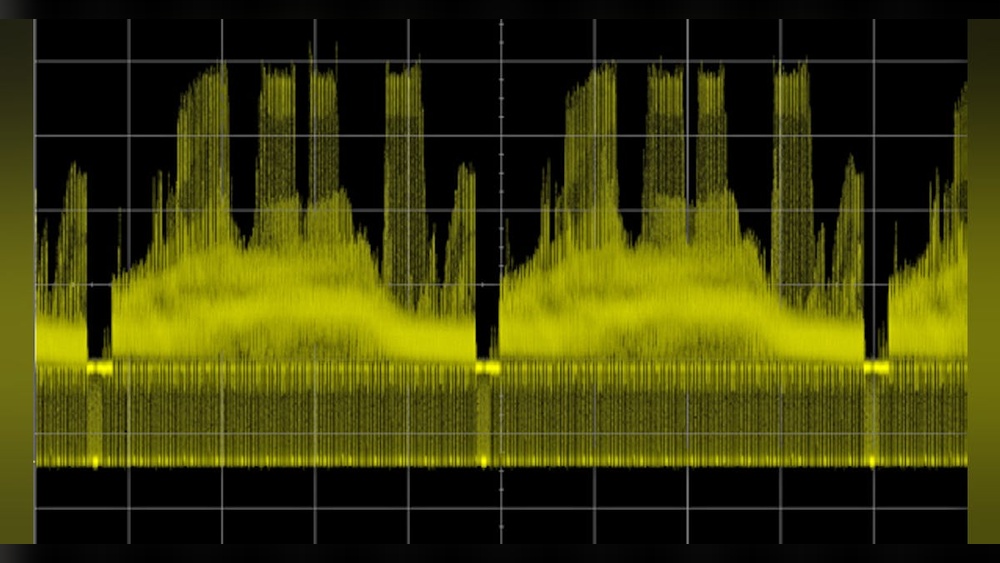
DPO oscilloscopes use intensity grading to show signal repetition and strength. Brighter traces indicate frequently occurring signals, while dimmer ones show rare events. This visualization helps detect glitches and anomalies in complex waveforms more effectively than traditional DSOs.
Are Dsos Suitable For Basic Waveform Measurements?
Yes, DSOs are ideal for basic waveform capturing and storage. They provide accurate measurements and easy signal analysis. DSOs are cost-effective and sufficient for many standard electronic testing applications that don’t require detailed intensity visualization.
Conclusion
Choosing between a DPO and a DSO depends on your needs. DPOs offer deep analysis and high speed. DSOs are simpler and easier to use. Both help capture and show electrical signals. Think about your budget and skill level. The right oscilloscope makes testing faster and clearer.
Understanding their differences saves time and effort. This way, you get accurate results every time.

I’m Asif Ur Rahman Adib, an Electrical Engineer and lecturer. My journey began in the lab, watching students struggle with instruments they used every day without fully understanding them. Over time, I’ve combined teaching, research, and hands-on experience to help others grasp electrical concepts clearly, safely, and practically—whether it’s understanding a circuit or mastering a multimeter.