When you’re working with electronic signals, choosing the right tool can make all the difference. Are you wondering whether a Network Analyzer or an Oscilloscope is the better fit for your needs?
Both devices serve important roles, but they do very different jobs. Understanding how each one works and what problems they solve will save you time, frustration, and maybe even money. Keep reading, and you’ll discover which tool matches your goals perfectly—and how to get the most out of it.

Credit: electronics.stackexchange.com
Purpose And Function
The purpose and function of network analyzers and oscilloscopes differ greatly. Each tool serves specific roles in electronics and signal testing. Understanding these differences helps in choosing the right device for your task.
Network analyzers focus on measuring network parameters, especially in high-frequency circuits. Oscilloscopes capture and display electrical signals in real time. Their functions match unique testing needs in labs and industries.
Primary Uses Of Network Analyzers
Network analyzers measure signal strength, phase, and loss in electronic networks. They test devices like antennas, filters, and cables. These tools check how signals travel through components and networks.
They help engineers optimize radio frequency (RF) systems. Network analyzers identify faults and verify design specifications. They work mainly with high-frequency signals above 1 MHz.
Key Functions Of Oscilloscopes
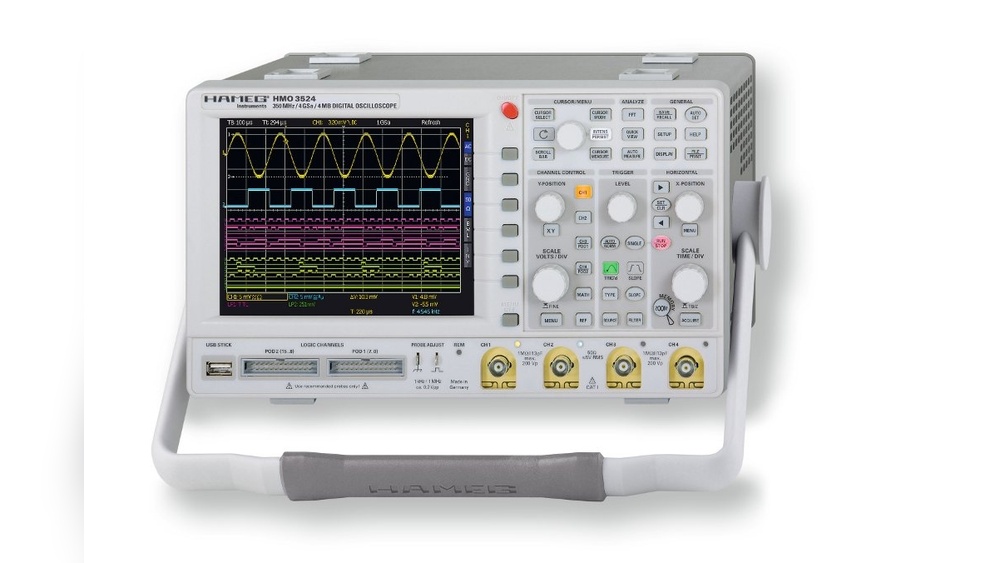
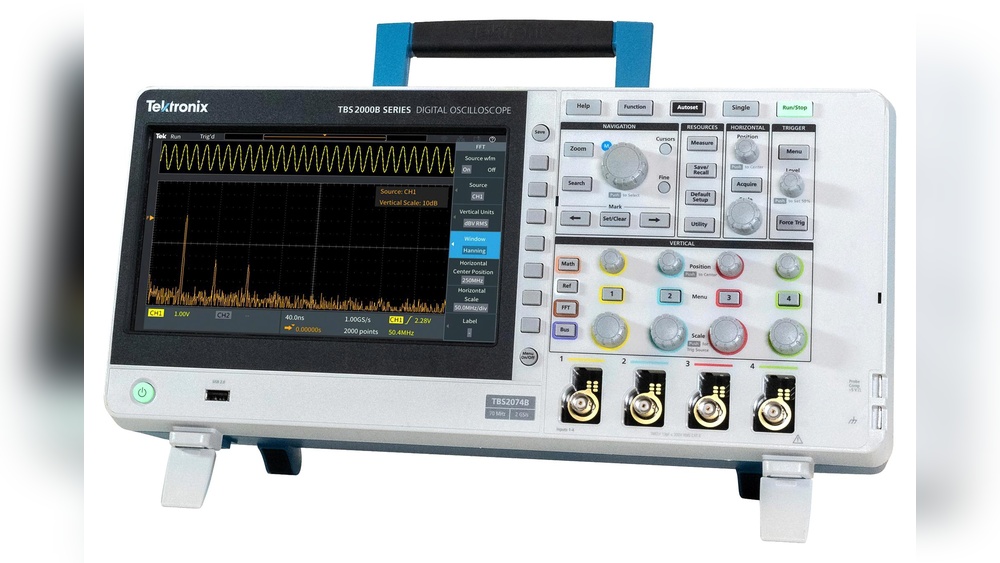
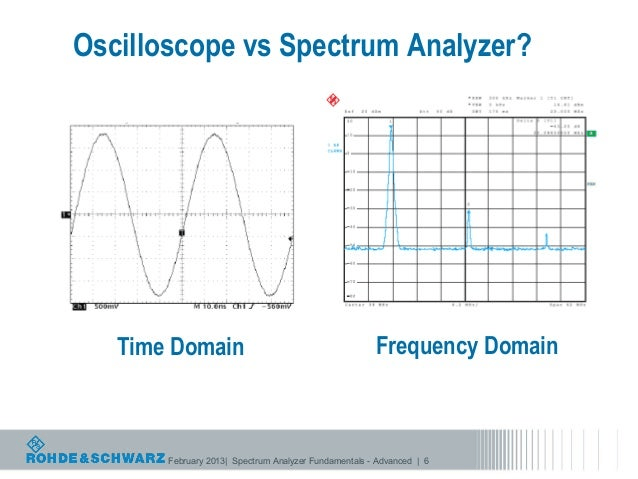
Oscilloscopes display voltage signals as waveforms over time. They show signal shape, amplitude, and timing details. This lets users observe changes in electronic signals instantly.
They detect signal noise, glitches, and timing errors. Oscilloscopes test circuits, sensors, and communication lines. Their versatility makes them essential in electronics troubleshooting and research.
Measurement Capabilities
Measurement capabilities define what tools like network analyzers and oscilloscopes can do. These devices help engineers and technicians test and understand electronic signals. Each tool has unique strengths that suit different tasks. Understanding their measurement abilities helps pick the right device for the job.
Frequency And Signal Analysis
Network analyzers excel at measuring frequency response. They test how devices react to different frequencies. This helps check filters, amplifiers, and antennas. Network analyzers measure signal strength and phase across a wide frequency range. This makes them ideal for radio frequency (RF) testing.
Oscilloscopes measure frequency too but focus on time-domain signals. They capture changes in signal voltage over time. This lets users see signal timing and shape. Oscilloscopes are good at spotting noise and glitches in signals. They help analyze digital and analog signals in circuits.
Waveform Visualization
Oscilloscopes provide clear, real-time waveform views. Users see signal patterns as waveforms on a screen. This visual feedback helps identify signal problems quickly. Oscilloscopes show details like rise time, pulse width, and distortion. This makes it easier to understand complex signals.
Network analyzers do not show waveforms like oscilloscopes. They display data as graphs of frequency versus response. These graphs reveal how signals behave across frequencies. This is useful for tuning and optimizing components in communication systems.
Technical Specifications
Technical specifications define how network analyzers and oscilloscopes perform. They determine the tools’ ability to measure and analyze signals accurately. Understanding these specs helps choose the right device for your needs.
Bandwidth And Range
Bandwidth shows the frequency range a device can measure. Network analyzers usually cover a wide frequency range, from a few hertz to several gigahertz. This makes them ideal for high-frequency signal testing.
Oscilloscopes have a limited bandwidth compared to network analyzers. Their range often spans from DC up to a few hundred megahertz or a few gigahertz. This range suits time-domain signal analysis well.
Range affects how well each tool captures different types of signals. Network analyzers excel in frequency domain, while oscilloscopes focus on time domain.
Accuracy And Resolution
Accuracy means how close the measurement is to the real value. Network analyzers provide high accuracy for frequency and amplitude measurements. This helps in precise impedance and network parameter testing.
Oscilloscopes offer good accuracy in voltage and time measurements. They capture waveform details but may have lower accuracy for frequency compared to network analyzers.
Resolution defines the smallest change the device can detect. Network analyzers have fine resolution in frequency steps. Oscilloscopes provide high resolution in time and voltage levels.
Applications In Industry
Network analyzers and oscilloscopes play key roles in many industries. They help engineers check and improve devices. Each tool suits different tasks. Understanding their applications helps choose the right one for work.
Both tools measure electrical signals. But their focus and methods differ. Network analyzers test how signals travel through networks. Oscilloscopes show signal shapes and changes over time. These differences guide their industrial uses.
Telecommunications And Rf Testing
Network analyzers are vital in telecom and RF fields. They measure signal strength, loss, and reflection in cables and antennas. This ensures networks work well and devices connect properly.
Oscilloscopes check signal waveforms in communication devices. They find noise, distortion, or timing issues in circuits. This helps improve signal quality and device performance.
Electronics And Circuit Debugging
Oscilloscopes are common in electronics labs. They help find faults in circuits by showing real-time signals. Engineers spot problems like voltage drops or glitches quickly.
Network analyzers test components like filters and amplifiers. They measure frequency response and impedance. This ensures parts work as designed in circuits.
User Interface And Operation
The user interface and operation of network analyzers and oscilloscopes vary significantly. Each tool is designed for different tasks, which reflects in their controls and display. Understanding these differences helps users pick the right device for their needs.
Ease Of Use
Network analyzers have menus that guide users through many testing options. Their screens show graphs and charts with clear labels. Some models have touchscreens, making navigation simpler. Oscilloscopes offer quick access to controls like knobs and buttons. Users can adjust settings instantly to see waveforms change on screen. Beginners may find oscilloscopes easier to start with due to straightforward controls.
Data Interpretation
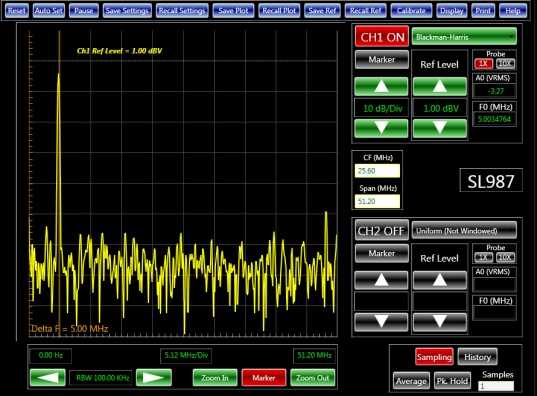
Network analyzers display frequency response and signal quality in detailed graphs. Users can spot issues like signal loss or interference by reading these visuals. Oscilloscopes show voltage signals over time, revealing wave shape and timing. This helps detect signal distortions or timing errors quickly. Both devices require some practice to interpret data correctly. But oscilloscopes often present information in a more visual, direct way.
Credit: www.oscopes.info
Cost And Portability
Cost and portability are key factors when choosing between a network analyzer and an oscilloscope. Both tools serve different purposes but vary greatly in price and size. Understanding these differences helps in selecting the right device for your needs.
Price Comparison
Network analyzers usually cost more than oscilloscopes. They have advanced features for measuring complex signals. Prices can range from a few thousand to tens of thousands of dollars. Oscilloscopes are more affordable and come in many models. Entry-level oscilloscopes start at a few hundred dollars. Higher-end models with more features cost more but remain generally cheaper than network analyzers.
Size And Mobility
Oscilloscopes are often smaller and easier to carry. Many models are lightweight and battery-powered. This makes them ideal for fieldwork or quick tests. Network analyzers tend to be larger and heavier. They usually need a stable power source and a controlled environment. Portable network analyzers exist but still weigh more than typical oscilloscopes. Size and mobility impact where and how you use these tools.
Choosing The Right Tool
Choosing the right tool for measuring and analyzing signals is key in electronics work. Both network analyzers and oscilloscopes serve important roles, but each fits different tasks. Understanding their strengths helps in making the best choice.
Factors To Consider
Think about the type of signals you need to test. Network analyzers excel at measuring frequency response and signal reflection. Oscilloscopes show signal shape and timing clearly.
Consider the frequency range required. Network analyzers handle high frequencies better. Oscilloscopes work well for lower frequencies and time-domain signals.
Look at the level of detail needed. Network analyzers provide precise measurements of signal parameters. Oscilloscopes give visual insight into signal behavior.
Budget and ease of use also matter. Oscilloscopes tend to be more affordable and simpler. Network analyzers usually cost more and need some training.
Typical Use Cases
Network analyzers are common in radio frequency design and antenna testing. They check how components respond to different frequencies.
Oscilloscopes find use in general electronics troubleshooting and digital signal analysis. They help see glitches and timing issues on circuits.
Use a network analyzer to measure impedance and S-parameters. Use an oscilloscope to observe waveforms and timing delays.
Choosing the right tool depends on your specific testing needs and environment.
Credit: threevista.mystrikingly.com
Frequently Asked Questions
What Is The Main Use Of A Network Analyzer?
A network analyzer measures electrical network parameters like impedance and reflection. It helps test signal integrity and component behavior in RF circuits.
How Does An Oscilloscope Differ From A Network Analyzer?
An oscilloscope visualizes voltage signals over time, while a network analyzer assesses frequency response and network characteristics.
When Should I Use A Network Analyzer Over An Oscilloscope?
Use a network analyzer for frequency-domain analysis and impedance measurements. Choose an oscilloscope for time-domain signal visualization and waveform analysis.
Can Oscilloscopes Measure S-parameters Like Network Analyzers?
No, oscilloscopes cannot accurately measure S-parameters. Network analyzers are designed specifically for this type of frequency-domain analysis.
Conclusion
Choosing between a network analyzer and an oscilloscope depends on your needs. Each tool serves a different purpose in electronics testing. Network analyzers check signal quality and network behavior. Oscilloscopes show real-time waveforms and signal changes. Knowing what you want to measure helps pick the right device.
Both tools are important in different situations. Use the one that fits your project best. This way, you get clear, accurate results every time. Simple tools. Clear answers. Better work.

I’m Asif Ur Rahman Adib, an Electrical Engineer and lecturer. My journey began in the lab, watching students struggle with instruments they used every day without fully understanding them. Over time, I’ve combined teaching, research, and hands-on experience to help others grasp electrical concepts clearly, safely, and practically—whether it’s understanding a circuit or mastering a multimeter.