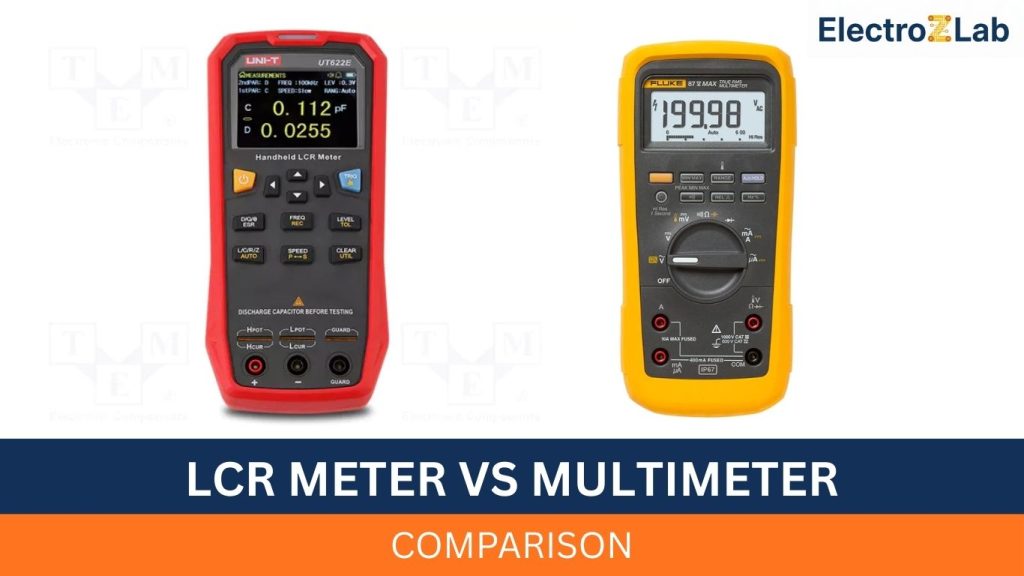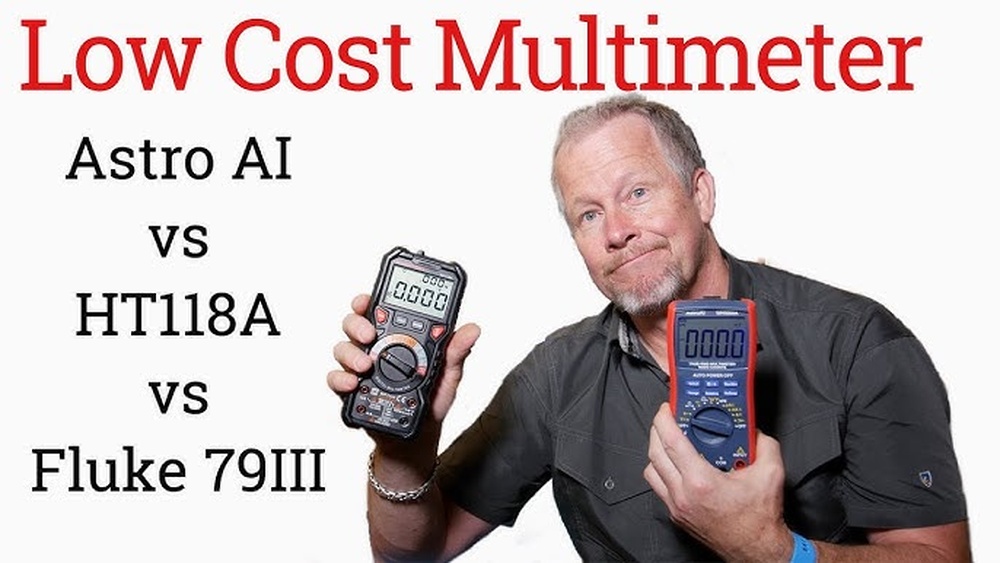
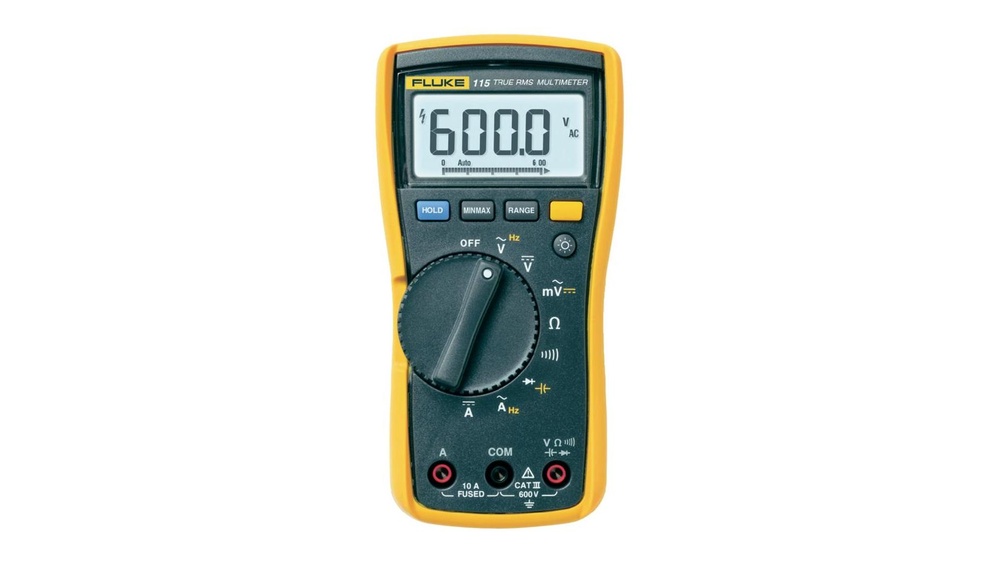
When it comes to choosing a reliable multimeter or thermal imaging tool, you might find yourself torn between Extech and Fluke. You want a device that won’t let you down, whether you’re on the job site or tackling important electrical work.
But which brand truly fits your needs? Fluke is known for its rock-solid durability and precision—perfect for professionals who demand the best. On the other hand, Extech offers smart features and affordability, making it a tempting option if you want value without sacrificing functionality.
You’ll discover the key differences between Extech and Fluke, helping you decide which brand matches your budget, work style, and reliability expectations. Read on to find out which tool deserves a spot in your toolbox.
Brand Backgrounds
Understanding the backgrounds of Fluke and Extech helps clarify their differences. Both brands serve electricians, technicians, and engineers worldwide. Each has distinct origins and market roles that influence their product design and appeal.
Fluke History And Reputation
Fluke was founded in 1948. It quickly gained a strong reputation for quality and precision. The brand focuses on producing durable, reliable tools for industrial use. Fluke products are often considered the industry standard. Professionals trust Fluke for its accuracy and safety features. The company emphasizes high safety ratings and rugged builds. This makes Fluke tools suitable for challenging environments. Their instruments are widely used in electrical, industrial, and HVAC fields.
Extech Ownership And Market Position
Extech is a subsidiary of FLIR Systems, a leader in thermal imaging technology. Based in Nashua, New Hampshire, Extech offers more affordable test instruments. The brand often includes advanced features like Bluetooth and bright backlighting. Extech targets budget-conscious users and smaller businesses. Their products provide good value with modern functionalities. Extech helps distribute FLIR’s thermal imagers across the US. This connection enhances Extech’s product range and market reach. While less rugged than Fluke, Extech tools meet many everyday testing needs.

Credit: www.youtube.com
Build Quality And Durability
Build quality and durability are key factors when choosing between Extech and Fluke instruments. Both brands aim to deliver reliable tools, but their approaches differ. Fluke focuses on ruggedness and long-term durability for tough environments. Extech offers sturdy devices with good construction, often at a lower price point. Understanding each brand’s build helps users pick the right tool for their needs.
Fluke’s Rugged Design
Fluke devices feature a tough outer shell. The casing often uses high-impact plastic that resists drops and shocks. Many models include protective rubber overmolds to absorb impact. Fluke tools often meet military standards for durability. They provide protection against dust and water with high IP ratings. These features make Fluke meters suitable for harsh industrial settings. The design also emphasizes user safety with insulated grips and robust buttons.
Extech’s Construction And Longevity
Extech instruments use solid plastic housings that handle everyday wear well. Their designs focus on functionality and ease of use. Many models include built-in stands and protective holsters. While Extech may not match Fluke’s ruggedness, their tools last long with proper care. Some models offer water and dust resistance but often at lower IP levels. Extech balances durability with affordability, making them good for fieldwork and general maintenance tasks.
Accuracy And Safety
Accuracy and safety are vital when choosing electrical testing tools. Professionals demand precise readings and strong protection against electrical hazards. Both Extech and Fluke offer tools designed to meet these needs. Their performance in these areas affects trust and work quality. Comparing their accuracy and safety helps pick the right device.
Fluke’s Precision And Safety Ratings
Fluke tools deliver high accuracy for complex measurements. Their instruments often meet strict calibration standards. This precision reduces errors and improves troubleshooting. Fluke devices have high safety ratings, such as CAT III and CAT IV. These ratings mean they protect users in demanding electrical environments. The rugged design resists drops and harsh conditions. This focus on safety and accuracy makes Fluke a preferred choice for professionals.
Extech’s Measurement Reliability
Extech provides reliable measurements with solid accuracy for many tasks. Their tools suit general electrical and HVAC work. Extech meters include features like bright backlights and easy controls. Safety ratings are good but sometimes lower than Fluke’s top models. These meters handle everyday use but may not fit extreme industrial settings. Extech balances cost and functionality, offering dependable tools for budget-conscious users.
Credit: www.odbproject.org
Feature Comparison
Comparing features helps choose the right tool between Extech and Fluke. Both brands offer strong options but differ in key areas. This section breaks down their display, connectivity, and software capabilities. It highlights what each brand delivers for everyday use and professional needs.
Display And Backlight Quality
Fluke meters have bright, clear displays with sharp digits. Their backlight shines evenly, aiding work in dark areas. Extech also provides good displays but with slightly less brightness. Their backlight works well but may not be as uniform. Fluke’s screens often use higher resolution for better readability. Extech focuses on practical visibility and saves battery life with adjustable backlight settings.
Connectivity Options And Bluetooth
Fluke leads with advanced connectivity features. Many models include Bluetooth for wireless data transfer. This helps in real-time monitoring and remote control. Extech offers Bluetooth on select models too but with fewer supported devices. Both brands support USB connections for easy data download. Fluke’s connectivity is more stable and suited for complex tasks. Extech targets users needing basic wireless links without extra cost.
Software And Data Logging
Fluke’s software is robust, allowing detailed data analysis and reporting. Users can log data over long periods and export it easily. Their app interfaces are user-friendly and regularly updated. Extech provides simple software with essential logging functions. It covers basic needs but may lack advanced features. Fluke’s software supports multiple device integration, while Extech focuses on single-device convenience. Data accuracy and management tend to be stronger with Fluke tools.
Product Range And Pricing
Choosing between Extech and Fluke often depends on your budget and needs. Both brands offer a variety of products for electrical testing and measurement. Their product range covers simple handheld meters to advanced instruments. Pricing varies widely, reflecting the features and build quality. Understanding their product range and pricing helps you pick the right tool for your work.
Fluke’s Professional Grade Models
Fluke’s products are known for durability and precision. They design tools for heavy-duty industrial use. Their meters often have high safety ratings and rugged cases. Features include true RMS, advanced diagnostics, and wide measurement ranges. Fluke models usually carry a higher price tag. This cost reflects their reliability and long-term performance. Professionals trust Fluke for critical tasks and harsh environments.
Extech’s Budget-friendly Alternatives
Extech offers many meters at lower prices. Their tools suit hobbyists, students, and light to medium work. They often include useful features like backlit displays and Bluetooth. Though less rugged, Extech meters provide good accuracy for the price. These products appeal to users who want value and decent performance. Extech lets you access modern features without spending too much.
User Profiles
User profiles help identify who benefits most from each brand. Extech and Fluke serve different needs based on user experience and work demands. Understanding these profiles guides buyers to the right tool.
Professionals And Industrial Users
Fluke suits professionals needing reliable, rugged tools. Its devices hold up in tough industrial settings. High safety ratings protect users during heavy electrical work. Accuracy matters most in these environments. Fluke’s strong build reduces tool failure risks. This brand fits electricians, engineers, and industrial technicians. They often require tools that last and perform precisely.
Technicians And Hobbyists
Extech fits technicians and hobbyists with limited budgets. Its tools offer many features at a lower price. Bright screens and Bluetooth add convenience for daily tasks. Accuracy is good but not top-tier like Fluke. Extech tools work well for repair, maintenance, and learning. Hobbyists appreciate easy-to-use meters with modern functions. This brand offers value without needing industrial-grade toughness.
Thermal Imaging Capabilities
Thermal imaging tools help electricians and technicians find heat problems fast. Both Extech and Fluke offer thermal imagers, but their strengths differ. Understanding their thermal imaging capabilities can guide buyers to the right choice. This section compares their thermal imaging features and technology.
Fluke Thermal Imagers
Fluke thermal imagers provide clear, detailed images for professional use. They have high resolution sensors that capture fine temperature differences. Fluke devices often include easy-to-use software for quick analysis. Their rugged design makes them fit for tough job sites. Many models offer wide temperature ranges, covering diverse applications. Fluke imagers help detect electrical faults, mechanical issues, and insulation problems efficiently.
Extech’s Integration With Flir Technology
Extech uses FLIR technology to boost its thermal imaging tools. FLIR is a leader in thermal sensor innovation. This partnership allows Extech to offer affordable imagers with solid performance. Their devices deliver decent image quality suitable for general inspections. Extech thermal imagers often include user-friendly features like adjustable palettes. They serve well for maintenance checks and building diagnostics on a budget. Extech’s FLIR integration expands access to reliable thermal imaging technology.

Credit: www.youtube.com
Software Ecosystems
The software ecosystem plays a key role in choosing test and measurement tools. It connects devices to apps for data management and analysis. A smooth, reliable app improves workflow and saves time. Both Extech and Fluke offer software solutions with their instruments. Their apps differ in features, ease of use, and compatibility. Understanding these differences helps users pick the right tool for their needs.
Fluke Connect Features
Fluke Connect is a strong platform for industrial users. It links multiple tools to one app for easy monitoring. Users can view real-time readings on smartphones or tablets. The app allows data sharing among team members instantly. It supports cloud storage for safe data backup. Fluke Connect also offers trend analysis to spot issues early. It works well with Fluke’s broad range of devices. The interface is clean and simple, aiding quick adoption. Alerts and notifications keep users informed about critical changes.
Extech App Performance
Extech’s app focuses on practical features at an affordable price. It connects instruments via Bluetooth for wireless control. The app provides basic data logging and graphing functions. Users can export data in common formats for reports. It supports a decent range of Extech meters and sensors. The interface is straightforward but less polished than Fluke’s. Some users report occasional connectivity drops with certain models. Regular updates improve stability and add features. Overall, the app suits technicians needing cost-effective data tools.
Pros And Cons Summary
Choosing between Extech and Fluke involves weighing their strengths and weaknesses. Both brands serve different needs and budgets. Understanding their pros and cons helps pick the right tool.
Fluke suits professionals needing durability and precision. Extech fits users seeking features at a lower price. Each has clear advantages and some limitations.
Fluke Strengths And Weaknesses
Fluke is known for strong build quality and accuracy. Its tools withstand tough environments and heavy use. Safety ratings are high, ideal for industrial work.
Fluke meters offer consistent, reliable readings. They support advanced testing with user-friendly interfaces. The brand’s reputation makes it a trusted choice worldwide.
Fluke products cost more than many competitors. Some models lack extra features found in cheaper brands. Repair and parts may be expensive or slow.
Fluke tools might be heavier and bulkier. This can affect convenience for casual or light use. Not always the best for simple home tasks.
Extech Advantages And Limitations
Extech offers affordable meters with many features. Bright backlights and Bluetooth are common in their designs. This brand appeals to budget-conscious users.
Extech tools can mimic Fluke’s design and functions. They provide good value for less demanding jobs. The product range is broad and accessible.
Durability and accuracy may be lower than Fluke’s. Some internal parts and software are less robust. This may affect performance in harsh conditions.
Extech products might not meet the highest safety standards. This limits use in critical industrial environments. Support and warranty service varies by model.
Frequently Asked Questions
Does Fluke Own Extech?
Fluke does not own Extech. Extech is a subsidiary of FLIR Systems, which focuses on thermal imaging technology. Fluke and Extech operate independently under different parent companies.
Who Makes Extech Multimeters?
Extech multimeters are made by Extech Instruments, a subsidiary of FLIR Systems based in Nashua, New Hampshire.
What Multimeter Is Comparable To Fluke?
Brymen (Greenlee) multimeters compare well to Fluke, offering excellent accuracy and functionality at a lower price. Extech provides affordable, feature-rich alternatives but with less ruggedness. Choose Brymen for mid-range reliability and Extech for budget-friendly options.
Who Are The Competitors Of Fluke?
Fluke’s main competitors include FLIR Systems, Klein Tools, Extech, and Brymen. These brands offer alternatives in test equipment with varying features and price points.
Conclusion
Choosing between Extech and Fluke depends on your needs and budget. Fluke suits professionals needing tough, accurate tools for critical tasks. Extech offers affordable meters with useful features for everyday use. Both brands serve different users well. Consider what matters most: durability and precision or cost and extra features.
This helps pick the right tool for your work. Trust your judgment and match the tool to your job.

I’m Asif Ur Rahman Adib, an Electrical Engineer and lecturer. My journey began in the lab, watching students struggle with instruments they used every day without fully understanding them. Over time, I’ve combined teaching, research, and hands-on experience to help others grasp electrical concepts clearly, safely, and practically—whether it’s understanding a circuit or mastering a multimeter.