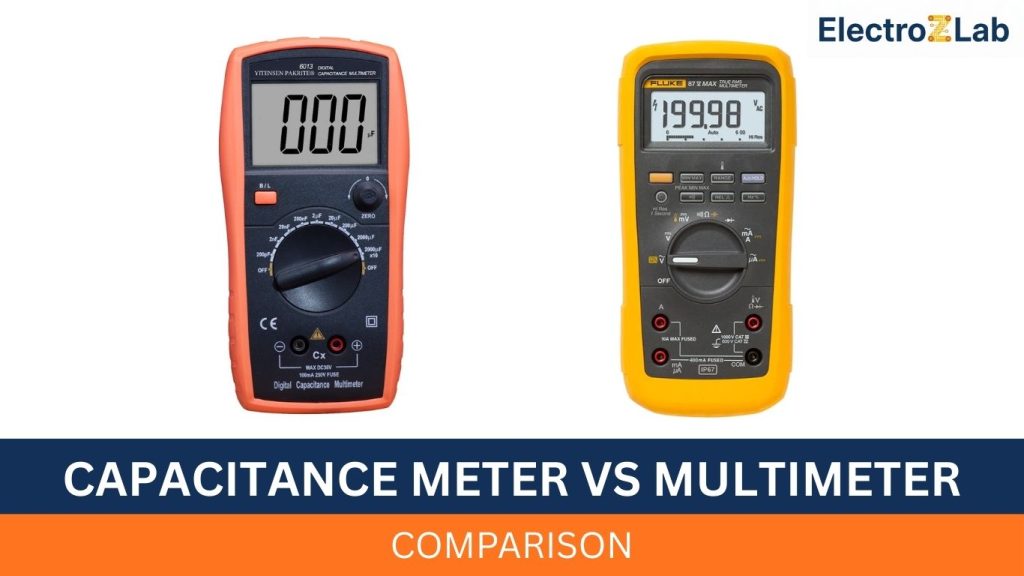
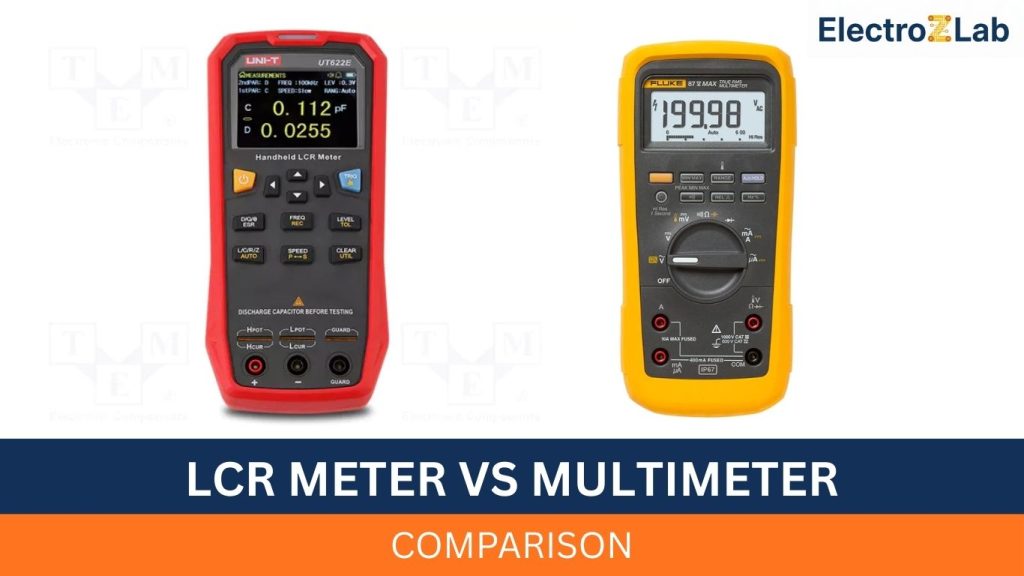
Are you confused about whether to use an LCR meter or a multimeter for your electronic projects? Choosing the right tool can save you time, money, and frustration.
This article will clear up the differences between these two devices and show you exactly when and why you should pick one over the other. By the end, you’ll feel confident making the best choice for your needs. Keep reading to discover which meter suits your work perfectly.
Basics Of Lcr Meter
An LCR meter is a device used to measure electrical components. It helps check parts like capacitors, inductors, and resistors. This meter shows how these components behave in a circuit. It gives detailed information that a regular multimeter cannot provide.
Understanding the basics of an LCR meter helps in using it well. It measures key values that affect how circuits work. This tool is important for testing and repairing electronic devices.
Key Functions
An LCR meter measures inductance (L), capacitance (C), and resistance (R). It can test how these parts store or resist electricity. The meter applies a small signal and reads the response. It shows values clearly on its screen.
Typical Uses
Technicians use LCR meters in labs and workshops. They test capacitors for proper capacity and inductors for correct inductance. It helps find faulty parts in gadgets and circuits. Hobbyists use it to build and fix electronics at home.
Measurement Parameters
LCR meters measure parameters like impedance, phase angle, and quality factor. Impedance shows how much a component resists current flow. Phase angle reveals the delay between voltage and current. Quality factor indicates the efficiency of inductors and capacitors.
Basics Of Multimeter
A multimeter is a basic tool used to test electrical circuits. It helps check voltage, current, and resistance in devices. This tool is common for both professionals and hobbyists. Understanding its basics is important before choosing between a multimeter and an LCR meter.
Core Features
Multimeters measure voltage, current, and resistance. They often include a display to show readings. Many models have both analog and digital versions. Some can test continuity with a beep sound. Portable and easy to use, they work on batteries.
Common Applications
Multimeters are used in home repairs and electronics projects. They check batteries, wires, and circuit boards. Electricians use them to test outlets and switches. Hobbyists test small gadgets and DIY kits. They help find broken parts or bad connections.
Measurement Capabilities
Multimeters measure AC and DC voltage. They also measure current in amps and milliamps. Resistance is measured in ohms to check circuits. Some models can test diodes and transistors. They do not measure inductance or capacitance like LCR meters.
Comparing Accuracy And Precision
Comparing accuracy and precision is key to choosing the right tool for electronic measurements. Both LCR meters and multimeters measure electrical properties, but their reliability varies. Understanding their measurement reliability and impact on results helps pick the best device for your needs.
Measurement Reliability
LCR meters provide highly reliable readings for inductance, capacitance, and resistance. They use specific methods to reduce noise and error. This focus improves measurement consistency over time.
Multimeters offer decent reliability for general resistance, voltage, and current checks. Their measurements may vary slightly due to broader functions. This makes them less consistent for detailed component testing.
Impact On Results
Accurate LCR meter readings lead to better circuit design and troubleshooting. Precise values help avoid component mismatch and circuit failure. This accuracy is crucial in sensitive electronic projects.
Multimeter precision suits basic checks and quick diagnostics. Less precise readings can cause minor errors in complex circuits. Using a multimeter for detailed component analysis might lead to incorrect conclusions.
Functionality Differences
The LCR meter and multimeter serve different roles in electronics testing. Both measure electrical properties but focus on varied aspects. Understanding their functionality differences helps in choosing the right tool for specific tasks. Below, we explore how they differ in component testing and measurement versatility.
Component Testing
The LCR meter tests inductance (L), capacitance (C), and resistance (R). It provides accurate readings of these components. This tool is ideal for analyzing coils, capacitors, and resistors precisely.
Multimeters primarily measure voltage, current, and resistance. They can test some components but with less detail. Multimeters are useful for quick checks and basic troubleshooting.
Versatility In Measurements
Multimeters handle a wide range of measurements. They measure AC/DC voltage, current, and resistance. Some models test continuity and diode function too.
LCR meters specialize in three key measurements only. They offer detailed results but lack the broad measurement options. Their focus is on component quality rather than general circuit testing.
User Experience And Ease Of Use
User experience and ease of use are important factors when choosing between an LCR meter and a multimeter. Both tools serve different purposes but must be simple to operate. A clear interface and easy controls help users work faster and with fewer errors. Understanding the learning curve also helps users pick the right device for their skill level.
Interface And Controls
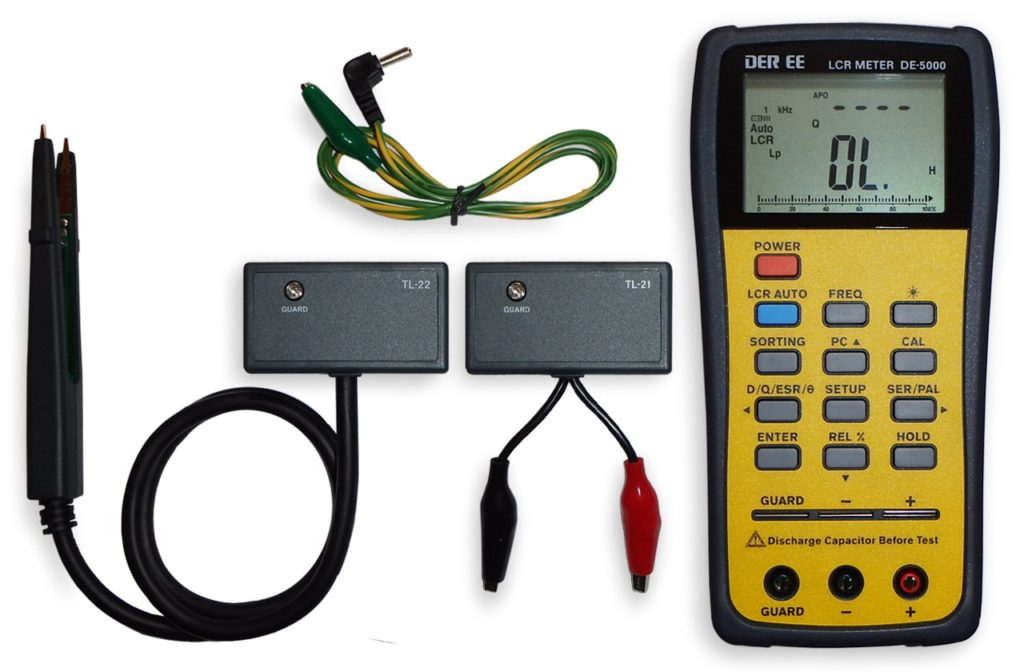
LCR meters usually have specialized displays showing inductance, capacitance, and resistance. These screens often include graphs or digital readouts. The buttons are designed to switch between modes quickly. Multimeters offer a more general interface with a rotary dial to select functions. Their screens show voltage, current, and resistance values clearly. Simple buttons and dials make multimeters easier for beginners. LCR meters may require navigating menus, which can slow down new users.
Learning Curve
Multimeters are easier to learn because they measure common electrical values. Most people have used one before. Basic functions are straightforward, and advanced features are optional. LCR meters need more practice to understand. Users must know what each measurement means and how to interpret results. Reading inductance or capacitance can confuse beginners. Training or manuals are often needed for LCR meters. This makes the learning curve steeper compared to multimeters.
Credit: www.yamanelectronics.com
Price And Value Considerations
Choosing between an LCR meter and a multimeter involves more than just features. Price and value matter a lot. Understanding cost helps make the best decision for your needs and budget. Both tools serve different purposes, and their prices reflect that.
Cost Range
Multimeters are generally cheaper. Basic models start around $10 to $30. Advanced versions with extra functions can cost up to $100 or more. LCR meters usually cost more. Entry-level models start near $50. Professional LCR meters can cost several hundred dollars. Price differences come from the complexity of measurements each device offers.
Long-term Investment
Think about how often you will use the tool. A multimeter suits general tasks and quick checks. It offers good value for everyday users. An LCR meter is ideal for those needing precise component testing. It saves time and improves accuracy in the long run. Investing in the right tool reduces mistakes and repeat work. Choose based on your specific needs to get the most value.
Choosing The Right Tool
Choosing the right tool for measuring electrical components is important. Both LCR meters and multimeters serve useful roles. Picking the right one depends on what you need for your project. Understanding their strengths helps you work smarter and faster.
Based On Project Needs
Projects that require checking inductance, capacitance, or resistance need an LCR meter. It measures these values more precisely. For general electrical testing, a multimeter works well. It measures voltage, current, and resistance but not always accurately for components like capacitors. Consider the type of tests your project requires. This choice saves time and avoids mistakes.
Professional Vs Hobbyist Use
Professionals often prefer LCR meters for detailed component analysis. These meters provide accuracy needed for complex circuits. Hobbyists or beginners usually choose multimeters. They are simpler and cover many basic tasks. Budget also plays a role. LCR meters tend to be pricier. Multimeters offer a good balance of price and function for everyday use.
Maintenance And Calibration
Maintenance and calibration keep your LCR meter and multimeter reliable. Both tools need regular checks to give correct readings. Without care, their accuracy can drop quickly. This affects your work and causes wrong results. Understanding how to maintain and calibrate these devices helps you avoid mistakes and saves money.
Ensuring Accuracy
Calibration adjusts your meter to match a standard. It fixes errors caused by wear or environment. Use a known reference to check your device. Compare readings and adjust settings if needed. Regular calibration keeps your measurements true. LCR meters often need calibration for capacitance and inductance. Multimeters require calibration for voltage, current, and resistance. Accuracy ensures you trust the data for your projects.
Routine Care Tips
Keep your meters clean and dry. Wipe them with a soft cloth after use. Store in a dry place away from dust and heat. Avoid dropping or rough handling to prevent damage. Change batteries regularly to avoid power issues. Inspect test leads and replace if worn or broken. Follow the manufacturer’s instructions for specific care. Routine care extends the life and accuracy of your tools.

Credit: testerlead.com
Frequently Asked Questions
What Is The Main Difference Between Lcr Meter And Multimeter?
An LCR meter measures inductance, capacitance, and resistance precisely. A multimeter measures voltage, current, and resistance but lacks detailed LCR analysis. LCR meters are specialized, while multimeters are versatile for general electrical testing.
Can A Multimeter Replace An Lcr Meter?
No, a multimeter cannot fully replace an LCR meter. Multimeters lack the accuracy and functions needed to measure inductance and capacitance accurately. Use an LCR meter for detailed component testing and a multimeter for basic electrical measurements.
Which Device Is Better For Testing Capacitors?
An LCR meter is better for testing capacitors. It measures capacitance with high precision, while multimeters provide only approximate resistance values. For accurate capacitor health checks, an LCR meter is the preferred tool.
Are Lcr Meters More Expensive Than Multimeters?
Typically, yes. LCR meters are more specialized and cost more than standard multimeters. However, prices vary based on features and brand. Choose based on your measurement needs and budget.
Conclusion
Choosing between an LCR meter and a multimeter depends on your needs. LCR meters measure inductance, capacitance, and resistance with high accuracy. Multimeters offer basic measurements like voltage, current, and resistance. For detailed component testing, an LCR meter works best.
For general electrical tasks, a multimeter is enough. Both tools have their place in electronics work. Understanding their differences helps you pick the right one. Simple tools for simple tasks, precise tools for detailed checks. Choose wisely and make your work easier.

I’m Asif Ur Rahman Adib, an Electrical Engineer and lecturer. My journey began in the lab, watching students struggle with instruments they used every day without fully understanding them. Over time, I’ve combined teaching, research, and hands-on experience to help others grasp electrical concepts clearly, safely, and practically—whether it’s understanding a circuit or mastering a multimeter.