Choosing Between Two Reliable Fluke Multimeters
When deciding between the Fluke 117 and the 87V, consider what tasks you need the multimeter for. The 117 is more compact and user-friendly for general electrical work. The 87V offers advanced features suited for industrial troubleshooting. Price and portability may influence your choice as well. Think about how much precision and additional functionality you require. Your comfort with complexity also plays a role. Both have solid reputations but serve different needs.
Who Might Pick Each Model?
- Homeowners doing basic electrical checks and repairs.
- Electricians needing quick, reliable voltage detection.
- Industrial technicians requiring detailed measurements.
- Users who value portability and ease of use.
- Professionals who need advanced features like peak capture.
- Budget-conscious buyers comparing value and features.
Where The Fluke 117 Excels In Everyday Use
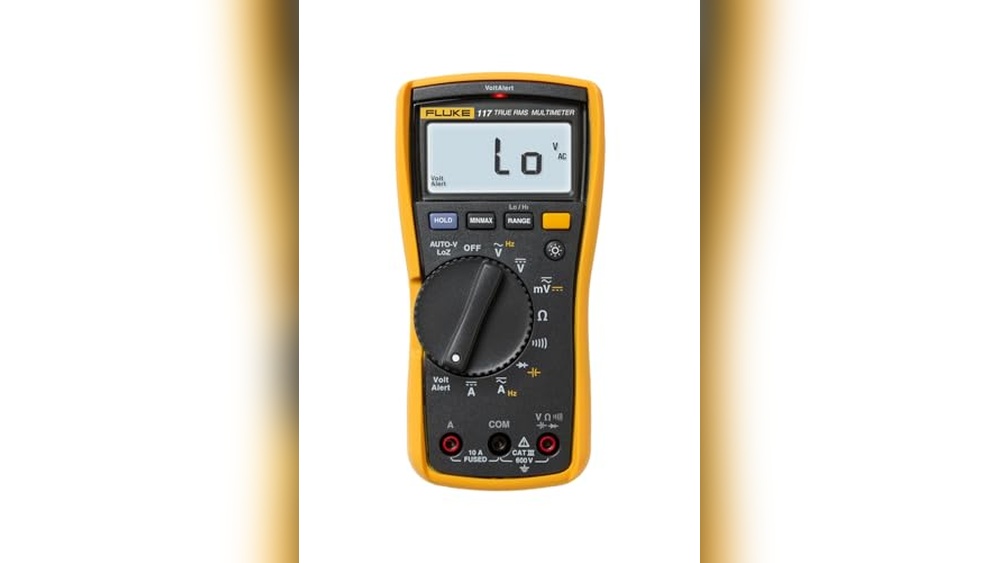
The Fluke 117 is ideal if you want a straightforward multimeter that covers most basic needs. I find its non-contact voltage detection and bright LED helpful in dim spaces. It is light and easy to carry, making routine tasks less of a hassle.

Features That Make Work Easier
- VoltAlert technology detects AC voltage without contact.
- AutoVolt switches automatically between AC and DC.
- Low input impedance reduces false readings from ghost voltage.
- Bright white LED backlight aids visibility in low light.
- True RMS for accuracy on complex electrical loads.
Limitations to Keep in Mind
- Not designed for very high voltage or industrial environments.
- Lacks advanced troubleshooting features like peak capture.
When The Fluke 87v Is A Better Investment
If I needed to troubleshoot complex industrial equipment, I would choose the 87V. It offers more detailed measurements and safety ratings suited to higher voltage environments. Its larger size comes with extra features that professionals appreciate.

Strengths That Support Complex Tasks
- Low-pass filter for accurate frequency measurement on adjustable speed drives.
- Peak capture feature detects intermittent signals quickly.
- High-resolution display with up to 20,000 counts.
- Safety ratings for CAT III 1000V and CAT IV 600V work.
- Includes test leads and temperature probe for versatility.
Points That Might Cause Second Thoughts
- Higher price point compared to simpler models.
- Larger size and weight can reduce portability.
- More complex for users unfamiliar with advanced meters.
Key Questions To Guide Your Choice
Do you need a tool mainly for household or light electrical work? The simpler model may be enough. Consider how often you will deal with high voltage or industrial equipment. Are features like peak capture and advanced filtering essential for your tasks? Think about how much you want to spend versus the benefits you get. Also, consider if you prefer a lightweight device or don’t mind carrying something larger for more capabilities. The answers to these will help ensure your satisfaction.
Comparing Important Factors To Consider
Use Case and Environment
Which multimeter fits your typical work environment better?
| Decision factor | Fluke 117 | Fluke 87V |
|---|---|---|
| Intended use | Basic electrical tasks, residential use | Industrial troubleshooting, advanced diagnostics |
| Voltage range | Up to 600 mV DC; standard household voltages | Up to 1000 V AC/DC, rated for industrial safety |
| Special features | Non-contact voltage detection, low impedance mode | Low-pass filter, peak capture, temperature probe included |
| Size and weight | Compact and lightweight | Larger and heavier |
This matters most for users deciding between portability and advanced industrial features.
Price and Value
How much are you willing to invest for added features?
| Decision factor | Fluke 117 | Fluke 87V |
|---|---|---|
| Current price | About $216 | About $486 |
| Discount percentage | 29% off original | 14% off original |
| Included accessories | Basic multimeter only | Test leads, alligator clips, temperature probe |
This factor is crucial for budget-conscious buyers weighing cost against extra tools and features.
Ease of Use and Learning Curve
How much complexity can you comfortably handle?
| Decision factor | Fluke 117 | Fluke 87V |
|---|---|---|
| User interface | Simple, straightforward controls | More complex settings and options |
| Display resolution | Standard counts suitable for general use | Switchable up to 20,000 counts |
| Additional modes | Auto AC/DC selection, low impedance | Peak capture, low-pass filter, temperature measurement |
This difference is important for buyers who prefer simplicity or need advanced features.
Avoiding Regret In Your Multimeter Choice
Regret often comes from buying a tool that’s either too basic or overly complex for your needs. If you pick the Fluke 117 but later require industrial-level features, you might feel limited. On the other hand, choosing the 87V without needing its extras could feel like an unnecessary expense. Consider how your needs might evolve over time. Ensuring your choice fits your comfort level and typical tasks reduces chances of buyer’s remorse.
Finding Peace With Your Fluke Multimeter Decision
Both multimeters come from a trusted brand and deliver solid performance. Your choice should reflect what you will realistically use most often. The simpler model serves well for everyday electrical checks. The industrial model is better for detailed troubleshooting and professional work.
Either way, you get a tool designed to last and perform reliably. Take comfort in knowing your decision supports your specific needs without compromise.
Common Questions About Fluke 117 Vs 87v
Which multimeter is better for home use?
The Fluke 117 is generally better for home and light electrical work. It offers simplicity with enough features for most household tasks.
Is the Fluke 87V suitable for industrial troubleshooting?
Yes, the 87V is designed for advanced troubleshooting in industrial settings with features like peak capture and a low-pass filter.
Can the Fluke 117 detect voltage without touching wires?
Yes, it uses VoltAlert technology for non-contact AC voltage detection, which adds safety and convenience.
How portable are these models?
The Fluke 117 is smaller and lighter, making it more portable. The 87V is larger due to its advanced features.
Do both meters provide accurate measurements on complex loads?
Both offer True RMS measurement for accuracy, but the 87V includes additional features for more precise diagnostics.
Are accessories included with the Fluke 87V?
Yes, the 87V comes with test leads, alligator clips, and a temperature probe, adding value for professional use.
What should I consider when choosing between these two?
Consider your typical tasks, need for advanced features, budget, and how much complexity you are comfortable with. This will guide you to the better fit.

I’m Asif Ur Rahman Adib, an Electrical Engineer and lecturer. My journey began in the lab, watching students struggle with instruments they used every day without fully understanding them. Over time, I’ve combined teaching, research, and hands-on experience to help others grasp electrical concepts clearly, safely, and practically—whether it’s understanding a circuit or mastering a multimeter.