When you’re choosing tools for your work, picking the right brand can make all the difference. Agilent and Fluke are two names you’ve probably heard, but which one truly fits your needs?
Whether you’re looking for accuracy, durability, or ease of use, understanding how these brands compare will help you make smarter decisions. Keep reading to discover what sets Agilent and Fluke apart—and find out which one is the best match for your projects.

Credit: www.youtube.com
Brand Histories
Understanding the histories of Agilent and Fluke helps us see their strengths. Both brands have long backgrounds in test and measurement tools. Their stories show how they built trust and quality over time.
Agilent Origins And Evolution
Agilent started in 1999 as a spin-off from Hewlett-Packard. It focused on electronic measurement and life sciences. Over the years, Agilent grew by adding new technologies. It shifted toward high-tech solutions in labs and industry. Agilent’s products became known for precision and innovation. The company serves customers worldwide with advanced instruments.
Fluke’s Market Presence
Fluke began in 1948, founded by John Fluke. The brand quickly gained respect for reliable electronic test tools. Fluke made meters, testers, and other handheld devices. Its products are popular in electrical, industrial, and HVAC fields. Fluke focuses on durability and user-friendly designs. Today, it remains a leader in portable test equipment.
Product Range
The product range of Agilent and Fluke covers many testing and measurement needs. Both brands offer tools for professionals and hobbyists. Their products serve industries like electronics, manufacturing, and maintenance.
Each brand focuses on reliable and accurate instruments. They provide solutions for different testing tasks. Understanding their key products helps choose the right tool.
Agilent’s Key Testing Tools
Agilent offers advanced testing devices for electronics and communications. Their oscilloscopes are known for clear signal analysis. Spectrum analyzers help detect and measure frequencies precisely.
Signal generators from Agilent create accurate waveforms for testing circuits. Power meters measure electrical power with high accuracy. Network analyzers test the performance of wireless and wired networks.
Fluke’s Signature Instruments
Fluke focuses on handheld meters and industrial testing tools. Their digital multimeters are durable and easy to use. Thermal cameras help find heat problems in machines and buildings.
Fluke clamp meters measure current without disconnecting wires. Electrical testers ensure safety and compliance in installations. Process calibrators check and adjust instruments in factories.
Accuracy And Precision
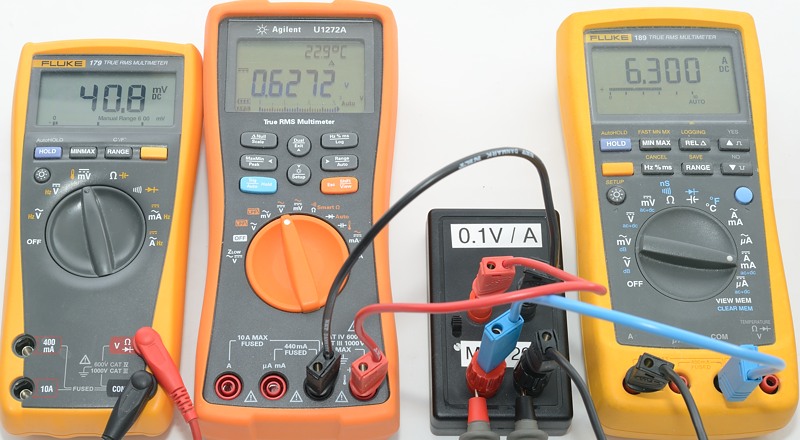
Accuracy and precision are vital for any measurement tool. They ensure the results are reliable and repeatable. Both Agilent and Fluke focus on these aspects but differ in their approach. Understanding their calibration standards and measurement consistency helps choose the right tool.
Calibration Standards
Calibration standards set the baseline for accuracy. Agilent uses strict industry benchmarks for calibration. Their devices often undergo frequent adjustments to maintain precision. Fluke also follows recognized standards but offers more user-friendly calibration options. Regular calibration helps both brands maintain measurement trustworthiness.
Measurement Consistency
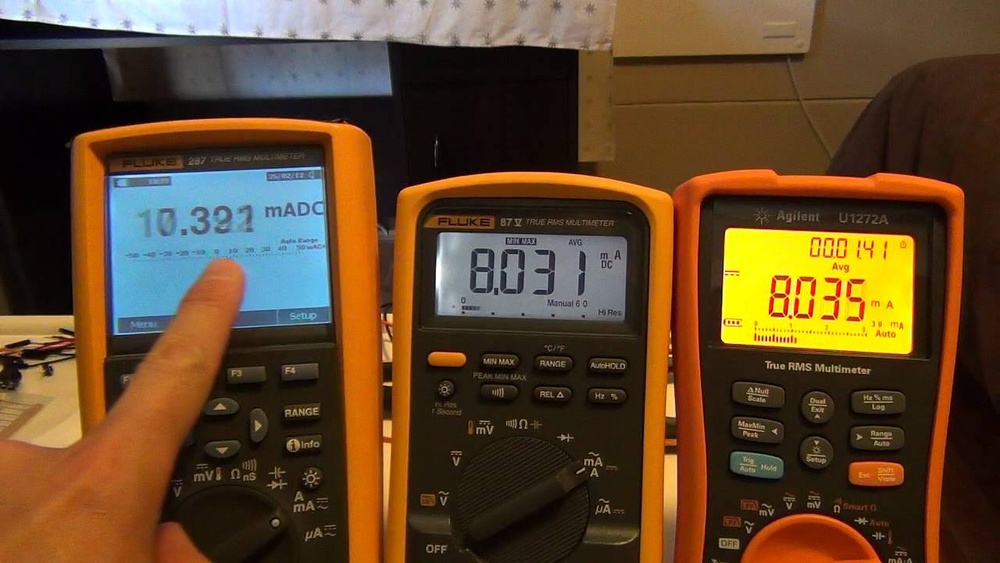
Consistent measurements prevent errors and save time. Agilent devices provide stable readings across different environments. Fluke instruments excel in maintaining consistency under rough conditions. Both brands design tools to minimize variability. Consistency is key for engineers and technicians working on critical tasks.
Credit: lygte-info.dk
Build Quality And Durability
Build quality and durability are key factors when choosing test and measurement tools. These features ensure devices last long and perform well in tough conditions. Both Agilent and Fluke offer strong options, but their approaches differ. Understanding their build and durability helps pick the right tool for your needs.
Materials And Design
Agilent tools use high-grade plastic and metal parts. Their design focuses on precision and protection. Cases often have reinforced corners to reduce damage from drops. Buttons and knobs feel firm and responsive. The overall build is sturdy but lightweight.
Fluke products feature rugged plastic and rubber. Their design targets heavy field use. Many models have thick rubber bumpers for extra shock absorption. Controls are large and easy to operate with gloves. The build feels robust and solid in hand.
Field Performance
Agilent devices handle daily lab and workshop use well. They resist scratches and minor impacts. Their compact size suits tight spaces. Some models meet industry standards for dust and water resistance.
Fluke tools excel in harsh outdoor environments. They withstand drops from heights and rough handling. Many are rated for high dust and water exposure. Their durability supports long hours on job sites.
User Interface And Features
The user interface and features play a big role in choosing between Agilent and Fluke tools. A clear interface helps users work faster and with less mistakes. Features add value by meeting different needs and tasks. Both brands offer strong options but differ in design and functions.
Ease Of Use
Agilent devices have simple menus and clear screens. The buttons are easy to press and well placed. This makes the tools good for beginners and experts alike. Fluke tools focus on ruggedness but keep controls straightforward. Their bright displays show data clearly in tough light. Both brands offer quick setup and easy navigation.
Advanced Functionalities
Agilent tools include smart features like data logging and wireless connectivity. These help users track and share results easily. Some models support software for deeper analysis. Fluke offers strong safety features and fast response times. Their tools often include auto-ranging and multiple measurement modes. These functions suit professionals handling complex tasks.
Software And Connectivity
Software and connectivity play a key role in choosing between Agilent and Fluke tools. Both brands offer software that helps users collect and analyze data easily. Connectivity options allow smooth communication with other devices. These features boost productivity and simplify work.
Data Logging Capabilities
Agilent devices provide strong data logging features. They store large amounts of data for detailed analysis. Users can set intervals and triggers for recording measurements. This helps track changes over time without manual effort.
Fluke also offers reliable data logging functions. Their tools save data in easy-to-use formats. Users can export files to computers or cloud storage. This makes sharing and reviewing data simple and fast.
Integration With Devices
Agilent software supports integration with many devices. It connects well with computers, tablets, and smartphones. This allows remote control and real-time monitoring. The software also works with third-party applications for added flexibility.
Fluke tools offer wide compatibility too. They use Bluetooth and USB connections for linking devices. Fluke’s mobile app provides quick access to measurements. This helps users manage tasks efficiently from anywhere.
Price And Value
Price and value are key factors when choosing between Agilent and Fluke tools. Both brands offer quality, but their costs and benefits differ. Understanding these differences helps make a better buying choice.
Cost Comparison
Fluke products tend to have a mid to high price range. They suit users who want solid performance without very high costs. Agilent tools usually come with a higher price tag. This reflects advanced features and precision. The initial cost depends on the model and its capabilities. Budget also matters in picking the right tool.
Long-term Investment
Fluke tools are known for durability and low maintenance costs. They often last many years with proper care. Agilent products focus on accuracy and cutting-edge technology. They may require more upkeep but offer great precision. Choosing Agilent means investing in future-proof features. Fluke offers value through reliability and long service life.

Credit: www.fluke.com
Customer Support And Warranty
Customer support and warranty are key when choosing between Agilent and Fluke. Reliable help makes a big difference for users. A strong warranty offers peace of mind. Both brands focus on these areas but in different ways. Understanding their service availability and warranty coverage helps decide which brand suits your needs best.
Service Availability
Agilent offers support through phone, email, and live chat. Their service centers are available in many countries. Customers can get help during business hours. Fluke provides 24/7 online support and phone assistance. Their global network covers most regions. Both brands have trained technicians ready to assist quickly.
Warranty Coverage
Agilent usually provides a one-year limited warranty on most products. This covers defects in materials and workmanship. Fluke often offers warranties ranging from one to three years. Some products have extended warranty options for purchase. Both companies require proof of purchase for warranty claims. Repairs or replacements happen at no cost if the issue is covered.
Ideal Applications
Choosing the right tool depends on the task at hand. Both Agilent and Fluke offer reliable devices, but their strengths vary. Understanding ideal applications helps pick the best tool for your needs.
Best Uses For Agilent Tools
Agilent tools excel in laboratory and research settings. They deliver precise measurements for electronics and communications testing. These tools suit engineers working on detailed circuit analysis. Agilent devices also support automated testing environments well. Their accuracy makes them ideal for quality control in manufacturing.
Best Uses For Fluke Tools
Fluke tools are built for fieldwork and industrial environments. They handle harsh conditions with durable design and easy use. Electricians trust Fluke for troubleshooting electrical systems quickly. Fluke devices work well for HVAC maintenance and industrial equipment checks. They offer fast readings and clear displays for on-site use.
Frequently Asked Questions
What Are The Main Differences Between Agilent And Fluke?
Agilent focuses on advanced electronic test equipment, while Fluke specializes in handheld tools. Agilent suits labs; Fluke fits fieldwork. Both offer high accuracy, but Agilent often leads in precision instruments. Fluke excels in durability and ease of use for technicians.
Which Brand Is Better For Industrial Testing, Agilent Or Fluke?
Fluke is typically preferred for industrial testing due to ruggedness and portability. Agilent suits complex lab environments with high-end features. Choose Fluke for field diagnostics and Agilent for detailed electronic analysis in controlled settings.
Are Agilent And Fluke Products Compatible With Each Other?
Generally, Agilent and Fluke products are not directly compatible due to different interfaces and software ecosystems. However, both brands support industry standards, allowing data export and integration in broader test setups.
How Do Agilent And Fluke Compare In Pricing?
Agilent products are usually more expensive, reflecting their advanced lab-grade technology. Fluke offers affordable, reliable tools ideal for everyday industrial use. Pricing varies by product type and specifications.
Conclusion
Choosing between Agilent and Fluke depends on your needs and budget. Both brands offer reliable tools with unique strengths. Agilent suits users needing high precision and advanced features. Fluke works well for those wanting durability and ease of use. Think about what matters most: accuracy, price, or ruggedness.
Either way, both brands deliver quality instruments you can trust. Take your time to compare features carefully. This way, you get the right tool for your tasks. Simple and smart choices lead to better results.

I’m Asif Ur Rahman Adib, an Electrical Engineer and lecturer. My journey began in the lab, watching students struggle with instruments they used every day without fully understanding them. Over time, I’ve combined teaching, research, and hands-on experience to help others grasp electrical concepts clearly, safely, and practically—whether it’s understanding a circuit or mastering a multimeter.