When it comes to measuring electrical values, choosing the right multimeter can make all the difference. You might be wondering whether an analog or digital multimeter suits your needs better.
Each has its strengths, and knowing which one fits your tasks can save you time and frustration. You’ll discover the key differences between analog and digital multimeters, helping you make a confident choice for your projects. Keep reading, because understanding these tools can boost your accuracy and make your work much easier.

Credit: www.ic-components.com
Analog Multimeter Basics
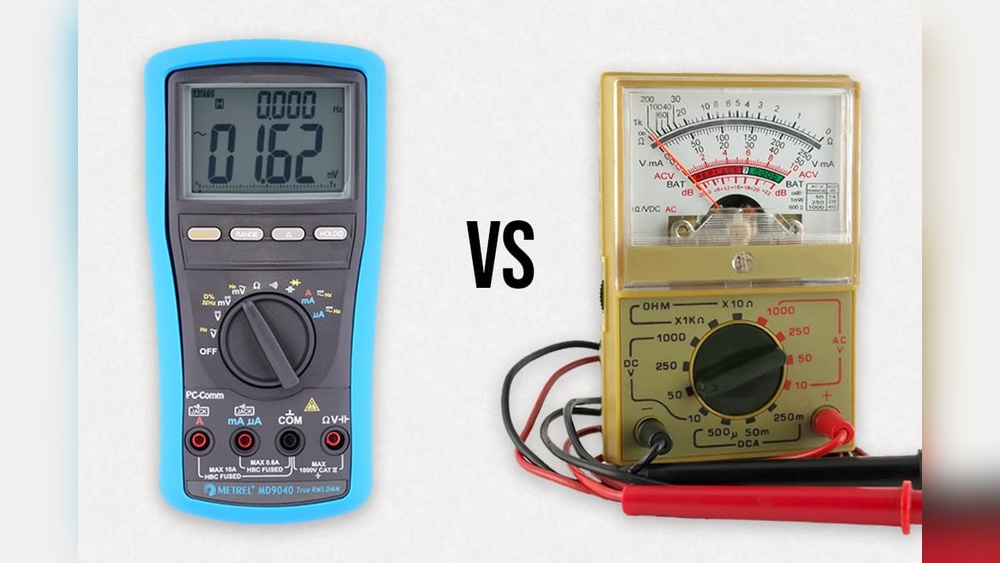
An analog multimeter is a simple, old-style tool used to measure electrical values. It shows readings with a moving needle across a scale. This tool has helped electricians and hobbyists check circuits for many years.
Understanding how analog multimeters work helps in using them properly. They offer a clear visual way to see changes in electrical signals. This section explains the basics of analog multimeters.
How Analog Meters Work
Analog meters use a small needle to show measurements. The needle moves over a printed scale. This movement happens because of electric current inside the meter. As current flows, it creates a magnetic field. This field pushes the needle against a spring. The needle’s position shows the value on the scale. The stronger the current, the farther the needle moves.
Key Components
Several parts make an analog multimeter function. The needle and dial display the measurement. Inside, a coil creates the magnetic force. A spring pulls the needle back to zero. The scale is marked with numbers and units. There are also selection switches to choose what to measure. These parts work together to give accurate readings.
Common Uses
Analog multimeters help check voltage, current, and resistance. They are useful for testing batteries and circuits. Their needle shows quick changes in readings easily. This makes them good for watching signals move. Many users prefer analog meters for simple, quick checks. They work well in education and basic repairs too.
Digital Multimeter Features
Digital multimeters have become essential tools for measuring electrical values. They offer clear readings and several helpful features. These features make them popular among both beginners and professionals. Understanding these features helps in choosing the right multimeter.
Working Principle
Digital multimeters work by converting electrical signals into digital values. They use electronic circuits to measure voltage, current, and resistance. The device then shows the results on a digital screen. This method is fast and accurate. It reduces errors from manual reading.
Display Advantages
The digital display shows numbers clearly. It is easy to read even in low light. The display often includes a backlight for dark conditions. Some models show additional symbols for better understanding. This helps users avoid mistakes during measurement.
Additional Functions
Digital multimeters come with many extra functions. They can test continuity, diode, and capacitance. Some models measure temperature or frequency. Auto-ranging is a common feature that sets the meter automatically. These functions save time and improve work quality.
Accuracy And Precision
Accuracy and precision are key when choosing between analog and digital multimeters. Accuracy means how close the measurement is to the true value. Precision shows how consistent the measurements are. Both affect how reliable your readings will be.
Measurement Reliability
Digital multimeters offer high measurement reliability. They show exact numbers on a clear screen. This reduces human error from reading scales. Analog meters rely on needle position, which can be less clear. Small movements may be hard to interpret. Digital models suit tasks needing exact data.
Error Margins
Analog multimeters usually have larger error margins. Their needle can wobble or lag, causing small mistakes. Digital multimeters have smaller error margins. They display values with decimal points for better detail. This helps in fine measurements, like voltage or resistance. Accuracy is critical for sensitive electronics.
Calibration Needs
Both analog and digital multimeters need regular calibration. Calibration keeps measurements accurate over time. Analog meters often require manual calibration. Digital meters may have automatic or easier calibration options. Skipping calibration can lead to wrong readings. Regular checks ensure your tool stays reliable.
Durability And Maintenance
Durability and maintenance play a big role in choosing between analog and digital multimeters. These tools face rough use in workshops and homes. Knowing how they hold up and what care they need helps you pick the right one.
Build Quality
Analog multimeters often have a simple design with fewer electronic parts. This can make them tough and less likely to break. Their needle and dial are usually protected by a strong plastic or glass cover.
Digital multimeters use more complex parts like screens and circuits. They may have plastic or rubber cases for extra protection. Some models are built to resist drops and dust better than analog ones.
Handling And Care
Analog meters need careful handling to avoid damaging the needle. Dropping or shaking can cause the needle to stick or break. They also need calibration checks to stay accurate.
Digital meters are easier to handle. Their screens show clear numbers, and they often have auto shut-off to save power. Still, avoid exposure to water and strong impacts to keep them working well.
Battery And Power
Analog multimeters usually do not need batteries for basic measurements. This means less worry about power running out during use.
Digital multimeters rely on batteries or rechargeable power. Battery life varies by model and use. Keep spare batteries handy to avoid interruptions in work.
User Experience
User experience plays a big role in choosing between an analog and digital multimeter. It affects how easily you can use the tool and how quickly you get the right information. Different types of multimeters offer different feelings and ease during use. Understanding these differences helps pick the best one for your needs.
Ease Of Use
Digital multimeters are simple to operate. They often have clear buttons and a display. You just turn it on and read the numbers. Analog multimeters need careful handling. You must watch the needle move to get the reading. This can be tricky for beginners or in low light. Digital tools usually have features like auto-ranging, making them easier for most users.
Reading Interpretation
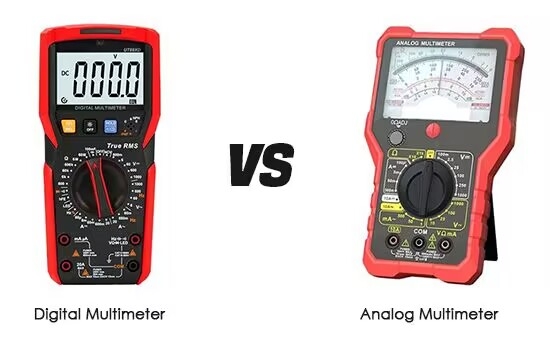
Digital multimeters show exact numbers on the screen. This makes reading fast and clear. Analog multimeters show values with a moving needle. This can be hard to read, especially with small changes. Sometimes, the needle’s position gives a better idea of trends or slow changes. Digital readings are good for quick checks. Analog meters help see gradual changes better.
Portability
Analog multimeters tend to be lighter and simpler. This makes them easy to carry around. Digital multimeters can be bulkier because of screens and batteries. Still, many models are compact and fit well in a toolbox. Battery life is also a factor. Analog meters do not need batteries to work, adding to their convenience on the go.
Credit: isneurogastronomy.org
Cost Comparison
Cost plays a big role in choosing between analog and digital multimeters. Understanding the price differences helps you pick the right tool for your budget. This section breaks down the costs to help you decide.
Initial Investment
Analog multimeters usually cost less at first. They have simpler designs and fewer parts. Digital multimeters tend to be more expensive. They include screens and extra features. The price gap depends on brand and quality. Basic models of both types can fit small budgets.
Long-term Expenses
Analog multimeters need battery replacements less often. They use fewer electronic parts that wear out. Digital multimeters need batteries and sometimes repairs. Their screens and circuits can fail over time. Calibration might cost more for analog meters. Digital meters often have self-calibration or require less maintenance.
Best Applications For Each
Choosing between an analog and digital multimeter depends on the task at hand. Each type offers unique benefits suited for different situations. Knowing when to use each tool improves accuracy and efficiency. Understanding their best applications helps you select the right meter for your needs.
When To Choose Analog
Analog multimeters work well for measuring slowly changing signals. Their moving needle shows trends clearly. This makes them ideal for watching voltage or current changes over time. They perform better in low-frequency circuits and simple troubleshooting tasks. Analog meters also handle overloads without damage. Use them when you need to see signal fluctuations directly.
When To Choose Digital
Digital multimeters provide precise and fast readings. They display exact numbers that are easy to read. This suits tasks requiring high accuracy and quick results. Digital meters measure a wider range of electrical values. They often include extra features like auto-ranging and data hold. Choose digital meters for complex circuits and detailed diagnostics.
Industry Preferences
Electronics and automotive industries favor digital multimeters for accuracy. Professionals rely on digital tools for detailed testing and repairs. Analog meters still appear in education and hobbyist settings. They help beginners understand basic electrical concepts. Some technicians prefer analog meters for their simplicity and durability. The choice varies with job type and user experience.
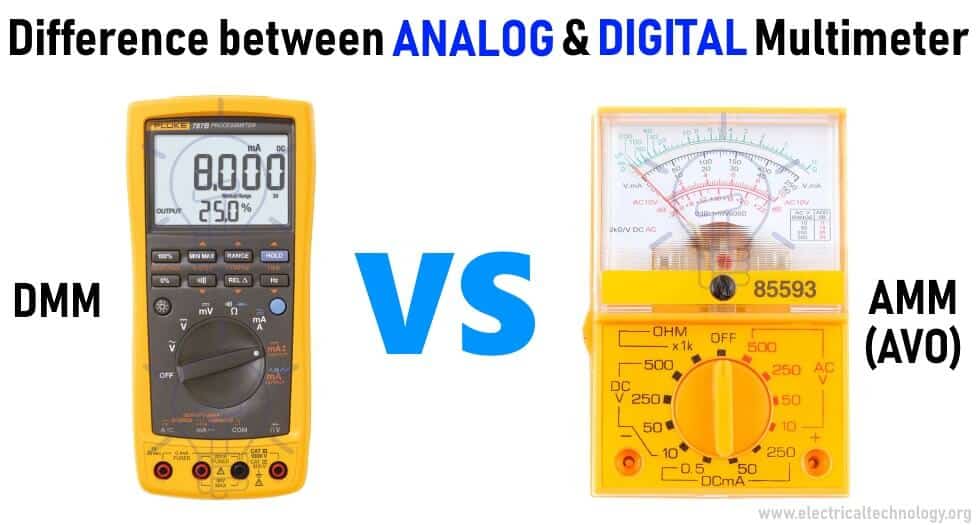
Credit: www.electricaltechnology.org
Tips For Choosing The Right Multimeter
Choosing the right multimeter can be tricky. Many options exist, each with different uses. Knowing what to look for helps you pick the best tool. This guide shares simple tips for selecting the right multimeter for your needs.
Assessing Your Needs
Think about what you will test most often. Simple tasks like checking batteries need fewer features. More complex jobs, like electronics repair, need advanced functions. Decide if you need to measure voltage, current, resistance, or all three. Also, consider if you need extra tools like a temperature sensor or continuity tester. Understanding your tasks helps narrow down choices effectively.
Feature Prioritization
Focus on the features that matter most to you. Digital multimeters offer clear readings and extra functions. Analog multimeters give a quick view of changing values. Look for features like auto-ranging, backlit displays, and data hold. These can make your work easier and faster. Avoid paying for features you won’t use.
Budget Considerations
Set a budget before shopping. Basic multimeters cost less and suit simple jobs. Professional models cost more but provide accuracy and durability. Balance price with quality and features. Sometimes spending a little more saves money in the long run. Choose a multimeter that fits your budget and meets your needs well.
Frequently Asked Questions
What Is The Main Difference Between Analog And Digital Multimeters?
Analog multimeters use a needle and dial to display readings. Digital multimeters show measurements on an LCD screen. Digital models are more accurate and easier to read compared to analog ones.
Are Digital Multimeters More Accurate Than Analog Ones?
Yes, digital multimeters provide precise, stable readings. Analog meters can be affected by parallax errors and lower resolution, making digital meters preferred for accuracy.
When Should I Choose An Analog Multimeter Over Digital?
Choose analog meters for monitoring fluctuating signals or trends. Their needle movement offers better visual indication of changes compared to digital displays.
Can Analog And Digital Multimeters Measure The Same Electrical Parameters?
Both types measure voltage, current, and resistance. However, digital multimeters often include additional features like capacitance and frequency measurement.
Conclusion
Choosing between analog and digital multimeters depends on your needs. Analog meters show trends with moving needles. Digital meters give quick, clear numbers on a screen. Each type has pros and cons for measuring voltage, current, and resistance. Beginners often prefer digital for easy reading.
Experts may like analog for smooth changes in readings. Understanding these differences helps pick the right tool. Use the meter that fits your tasks best. Both types can help you test electrical devices well. Simple, reliable tools make work easier and safer.

I’m Asif Ur Rahman Adib, an Electrical Engineer and lecturer. My journey began in the lab, watching students struggle with instruments they used every day without fully understanding them. Over time, I’ve combined teaching, research, and hands-on experience to help others grasp electrical concepts clearly, safely, and practically—whether it’s understanding a circuit or mastering a multimeter.