When it comes to choosing a reliable multimeter, you want a tool that delivers accuracy, durability, and great value. But with big names like Brymen and Fluke dominating the market, how do you decide which one fits your needs best?
You might be wondering: Is Brymen a worthy alternative to the trusted Fluke? Or does Fluke’s reputation and rugged design justify its higher price tag? You’ll discover a clear, side-by-side comparison of Brymen vs Fluke—breaking down their features, performance, and price.
Whether you’re a professional electrician or a DIY enthusiast, understanding these differences will help you make a confident choice that suits your budget and work style. Keep reading to find out which multimeter truly stands out for you.
Credit: lygte-info.dk
Brand Origins
Understanding the origins of Brymen and Fluke helps clarify their approach to quality and innovation. Both brands have distinct histories that shape their products and reputation. Their backgrounds influence how they design and build test and measurement tools.
Brymen’s Background
Brymen Technology Corporation started in Taiwan. It focuses on electrical test and measurement tools. The company is known for combining accuracy with affordability. Brymen’s products often appeal to professionals who want reliable tools without high costs. Their design emphasizes safety and user-friendly features. Brymen also partners with Greenlee in the United States. This helps expand their reach to American electricians and technicians.
Fluke’s Heritage
Fluke Corporation is an American company founded in 1948. It is headquartered in Everett, Washington. Fluke is famous for high-quality industrial test and diagnostic equipment. The brand invests heavily in innovation and durability. Fluke operates globally, with manufacturing facilities in several countries. While some products are made in China, the company maintains strict quality controls. Fluke is part of Fortive Corporation, a large industrial group. This heritage supports Fluke’s strong presence in professional markets worldwide.
Build Quality
The build quality of a multimeter affects its reliability and user safety. Brymen and Fluke are two brands known for sturdy tools. Both prioritize strong construction but differ in design choices and materials.
Durability And Materials
Brymen uses high-grade plastics and robust internal components. Their meters often feature thick rubber guards. These protect the device from drops and shocks. Fluke models also use durable plastics, often with reinforced corners. Their meters feel solid in hand, built for tough job sites. Both brands offer water and dust resistance on many models. Fluke sometimes uses slightly higher-grade materials, reflecting their premium pricing.
Safety Features
Safety is key for electrical testing tools. Brymen includes large, replaceable fuses to prevent damage. Their meters have clear CAT safety ratings displayed on the case. Fluke adds extra protection circuits to avoid overloads. Their meters often meet stricter international safety standards. Both brands design meters to protect users from electrical shocks. Fluke’s models sometimes have more advanced input protection technology. Brymen still provides solid safety for most common uses.
Display And Interface
The display and interface are key factors in choosing between Brymen and Fluke multimeters. These features affect how easily you read data and operate the device. Clear screens and intuitive controls improve user experience. Both brands offer reliable options, but they differ in design and usability.
Screen Clarity
Brymen multimeters have large, bright displays with good contrast. Numbers and symbols show clearly under various lighting. Some models include a backlight for dark environments. Fluke screens are also sharp and easy to read. Their color LCD displays provide clear visuals and detailed information. Both brands ensure users can see measurements quickly and without strain.
Ergonomics And Controls
Brymen devices feature well-spaced buttons and a simple dial. The controls feel sturdy and respond well to presses. This design suits users who prefer straightforward operation. Fluke multimeters offer ergonomic grips and smooth rotary switches. Their buttons are placed for easy thumb access during one-handed use. The layout supports fast mode changes and reduces user fatigue over long tasks.
Technical Specs
Technical specifications are crucial when choosing between Brymen and Fluke multimeters. They determine the device’s capability to deliver precise and reliable measurements. Understanding these specs helps users pick the right tool for their tasks.
Resolution And Accuracy
Brymen multimeters offer high resolution, often displaying up to 6000 counts. This allows for detailed readings in various electrical measurements.
Fluke models usually feature similar or higher resolution, with some offering 10000 counts. Accuracy in Fluke devices is often rated within ±0.05% to ±0.1%, ensuring precise results.
Brymen accuracy typically ranges from ±0.1% to ±0.2%, which is excellent for most applications. Both brands provide stable readings but Fluke edges slightly ahead in professional-grade accuracy.
Bandwidth And Measurement Range
Brymen multimeters support bandwidths up to 100 kHz on AC signals. They cover voltage ranges up to 1000V and current up to 10A.
Fluke models often handle bandwidths from 20 kHz to 100 kHz depending on the series. Voltage measurement can reach 1000V or more, with current ranges up to 10A or higher.
Both brands offer wide measurement ranges suitable for residential, commercial, and some industrial uses. Fluke tends to include features for extended ranges in their high-end meters.
Performance
Performance plays a crucial role when choosing between Brymen and Fluke multimeters. Both brands deliver reliable results, yet their speed and response can vary. Understanding these differences helps users pick the right tool for their needs. Below, we explore key aspects of their performance.
Speed Of Readings
Brymen multimeters provide quick readings suitable for most electrical tasks. Their instruments display measurements steadily, reducing wait times. Fluke meters often offer faster updates, especially in advanced models. This speed benefits professionals needing rapid data checks. Both brands maintain accuracy without sacrificing speed.
Response Times
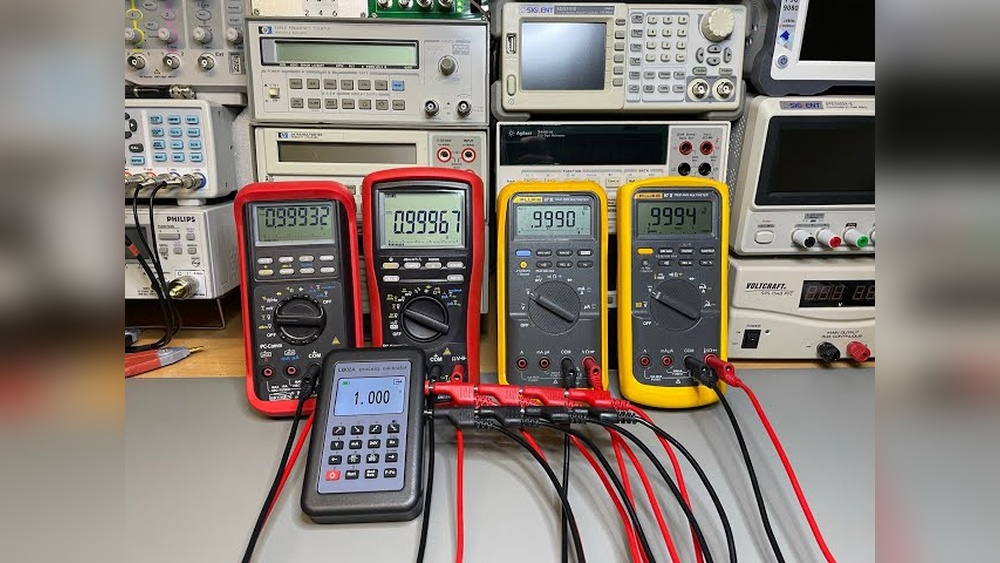
Fluke meters respond promptly to changing signals, making them ideal for dynamic environments. Brymen devices also show good response times but may lag slightly behind Fluke. Users working with fluctuating currents or voltages find Fluke’s response more efficient. Still, Brymen performs well under typical conditions.

Credit: www.youtube.com
Feature Set
The feature set defines the practical value of any multimeter. Brymen and Fluke both offer strong options but differ in some key areas. Understanding their features helps choose the right tool for specific needs.
Features impact how well the meter performs in daily tasks. They affect accuracy, ease of use, and the types of measurements possible. Both brands focus on quality but prioritize different functions.
Advanced Functions
Brymen multimeters include functions like True RMS, low pass filters, and temperature measurement. These features support precise readings in complex circuits and noisy environments.
Fluke models often provide broader ranges and more advanced safety ratings. They include features such as LoZ (Low Impedance) mode and inrush current measurement for detailed diagnostics.
Both brands offer data hold, auto-ranging, and continuity tests. Fluke’s advanced models add wireless connectivity for remote monitoring. Brymen focuses on robust core functions with reliable accuracy.
Unique Capabilities
Brymen stands out with its large, clear display and long battery life. It offers excellent overload protection and durable construction for tough job sites.
Fluke excels in user-friendly interfaces and extensive accessory options. Their meters often include backlit screens and flash alerts to improve visibility in dark or noisy settings.
Fluke’s reputation includes strong calibration support and global service networks. Brymen provides cost-effective solutions without sacrificing essential features.
Each brand brings unique strengths that suit different user needs and budgets.
Price Comparison
Price plays a major role in choosing between Brymen and Fluke multimeters. Both brands deliver quality, but their costs differ. Understanding the price differences helps buyers find the best fit for their needs and wallets.
Cost Vs Value
Brymen offers multimeters at a lower price point than Fluke. This makes Brymen attractive for users on a budget. Despite the lower cost, Brymen meters provide solid accuracy and durability. Fluke meters are more expensive but come with advanced features and strong brand trust. The higher price reflects enhanced safety, precision, and longer warranties. Buyers get value from the features and reliability they need most.
Budget Considerations
For hobbyists or occasional use, Brymen fits well within tight budgets. It balances cost and quality effectively. Professionals needing rugged tools for daily use often prefer Fluke. Their investment pays off through consistent performance and fewer replacements. Users should consider how often and intensively they will use the meter. This helps decide if spending more on Fluke is justified or if Brymen’s savings are smarter.
Credit: www.eevblog.com
Warranty And Support
Warranty and support are crucial factors when choosing between Brymen and Fluke multimeters. These aspects ensure your investment stays protected and any issues get resolved quickly. Both brands offer solid warranty policies and customer service. Understanding their differences helps you make the right choice for your needs.
Coverage Details
Brymen offers a standard warranty of three years on most multimeters. This covers defects in materials and workmanship. The warranty excludes damage from misuse or accidents. Some models include extended coverage options for purchase.
Fluke provides a limited warranty that lasts for one to three years, depending on the model. Their warranty also covers manufacturing defects but not user damage. Fluke often includes free calibration services during the warranty period.
Customer Service
Brymen’s customer service is known for quick responses via email and phone. They provide detailed product manuals and online support resources. However, their service centers are fewer and mostly located in Asia.
Fluke has a global customer support network with many service centers. Their support includes phone, email, and live chat options. Fluke also offers extensive online troubleshooting guides and video tutorials.
User Experience
User experience plays a key role in choosing the right multimeter. It reflects how easy and comfortable the device is to use. Both Brymen and Fluke offer different user experiences shaped by design, features, and reliability. Understanding these aspects helps users pick the best tool for their needs.
Professional Feedback
Professionals praise Brymen for its solid build and clear display. It offers excellent accuracy for its price range. Many electricians find Brymen meters reliable for daily tasks. Fluke stands out for its ruggedness and consistent performance. Experts appreciate Fluke’s long battery life and intuitive interface. Both brands provide strong safety features, which pros highly value. Brymen suits those who want quality without a high cost. Fluke appeals to users who prioritize durability and brand reputation.
Common User Complaints
Some Brymen users report the device feels bulkier than expected. A few mention the buttons can be stiff at first. Fluke users sometimes note the price is higher than other brands. Some find the menu system slightly complex on advanced models. Both brands occasionally receive feedback about backlight brightness. Brymen users want more detailed manuals for complex features. Fluke users expect longer warranty periods in some regions. These common complaints help buyers weigh pros and cons effectively.
Field Performance
Field performance is key when choosing between Brymen and Fluke multimeters. Both brands aim to deliver strong results in real work settings. The devices must handle tough conditions and keep working well. This section compares how these multimeters perform on the job.
Ruggedness In Use
Fluke meters are known for their tough build. They often meet strict military standards for shock and drop resistance. Brymen also offers strong durability, using solid cases and protective features. Both brands can handle rough handling and outdoor work. Brymen models tend to be slightly lighter, which helps with long hours of use. Fluke may have an edge in extreme conditions due to its robust design.
Reliability Under Stress
Both Brymen and Fluke multimeters maintain accurate readings in challenging environments. Fluke meters have advanced circuitry to resist electrical noise and temperature changes. Brymen units also perform well, with stable measurements and good overload protection. Users report fewer errors or failures with Fluke in high-stress jobs. Brymen offers strong reliability but may not match Fluke’s consistency in the harshest tasks.
Final Verdict
The final verdict on Brymen vs Fluke highlights key differences for buyers. Both brands offer reliable multimeters with strong features. The choice depends on what matters most to you. Price, accuracy, durability, and specific needs shape the decision. Understanding these factors helps find the best fit for your tasks.
Choosing By Priorities
Brymen suits users needing solid accuracy at a lower price. Its sturdy build and safety features attract budget-conscious buyers. Fluke excels in professional-grade precision and durability. It fits those who require top-level reliability for heavy use. Consider your budget and work conditions first. Safety features, warranty, and brand reputation also matter.
Best Use Cases
Brymen works well for electricians and hobbyists with moderate demands. It handles common electrical tests with ease and good safety. Fluke fits industrial settings and demanding environments. It performs well under tough conditions and long hours. For fieldwork and professional maintenance, Fluke is preferred. For learning or occasional use, Brymen offers great value.
Frequently Asked Questions
Are Brymen Multimeters Good?
Brymen multimeters offer excellent accuracy, safety, and features at a lower price. They rival Fluke in specs but may have slower readings and less ergonomic design. Many professionals appreciate their value and build quality for budget-friendly use.
What Multimeter Is Comparable To Fluke?
Brymen multimeters compare well to Fluke, offering excellent accuracy, features, and value at a lower price. They suit budget-conscious users seeking quality.
Who Makes Brymen Multimeters?
Brymen multimeters are made by BRYMEN Technology Corporation, a professional manufacturer based in Taiwan.
Is Fluke A Chinese Company?
No, Fluke is an American company headquartered in Everett, Washington. It is a subsidiary of Fortive Corporation. Fluke designs and manufactures test equipment globally, including in China, but it is not a Chinese company.
Conclusion
Choosing between Brymen and Fluke depends on your needs and budget. Brymen provides great features and strong safety at a lower price. Fluke is well-known for reliability and wide global support. Both brands offer accurate and durable multimeters. Consider what fits your work style and spending limit.
Either way, you get a tool that helps you measure with confidence. Quality tools make a difference in any electrical job. Take time to pick the right one for your tasks.

I’m Asif Ur Rahman Adib, an Electrical Engineer and lecturer. My journey began in the lab, watching students struggle with instruments they used every day without fully understanding them. Over time, I’ve combined teaching, research, and hands-on experience to help others grasp electrical concepts clearly, safely, and practically—whether it’s understanding a circuit or mastering a multimeter.