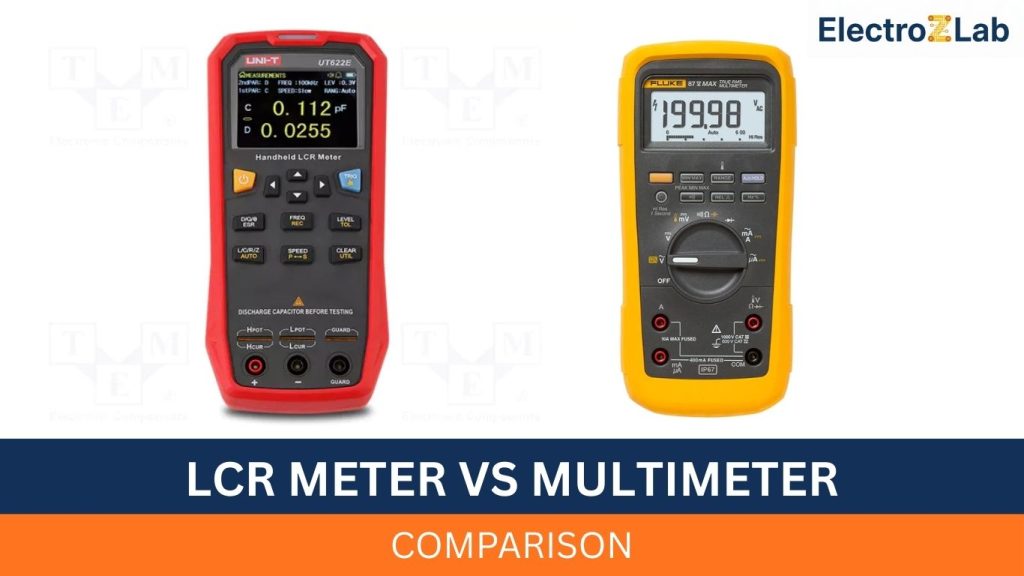
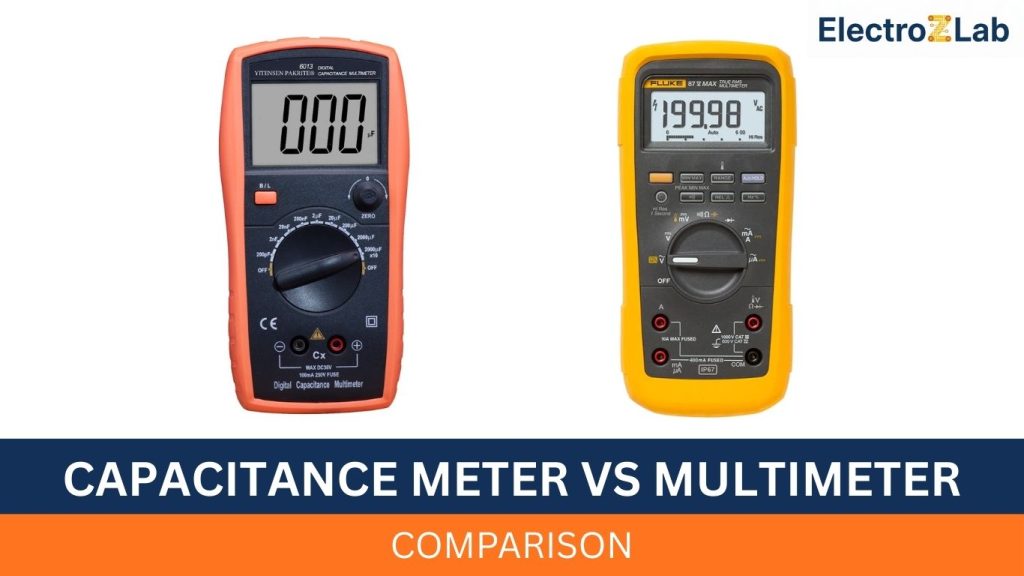
Are you confused about which tool to use when working with electronics— a capacitance meter or a multimeter? Choosing the right device can save you time, improve your accuracy, and make your projects much smoother.
You’ll discover the key differences between these two instruments, how each one works, and when you should pick one over the other. By the end, you’ll feel confident in making the best choice for your needs. Keep reading to unlock the secrets that can boost your electronics skills instantly!
Capacitance Meter Basics
A capacitance meter is a tool that measures the ability of a component to store electrical charge. It focuses on capacitors, which store energy in an electrical field. Understanding capacitance helps in designing and fixing electronic circuits.
Capacitance meters are simple yet precise. They help identify if a capacitor works well or needs replacement. This tool is useful in electronics labs, repair shops, and educational settings.
What It Measures
A capacitance meter measures the capacitance value of capacitors. This value is in farads, microfarads, or picofarads. It shows how much charge a capacitor can hold. Some meters also measure equivalent series resistance (ESR).
Common Features
Most capacitance meters have a digital display. They show clear and easy-to-read numbers. Many include auto-ranging for different capacitor sizes. Some models offer data hold and continuity test functions. Lightweight and portable designs are common.
Typical Uses
Technicians use capacitance meters to test capacitors in circuits. They check if capacitors meet required specifications. Hobbyists use them to build and repair electronics. They also help in troubleshooting faulty components. Schools use capacitance meters for teaching electronics basics.
Multimeter Essentials
A multimeter is a useful tool for anyone working with electronics. It measures many electrical properties in one device. This makes it a must-have for simple checks and detailed troubleshooting. Understanding its features helps you choose the right tool for your tasks.
Multimeters come in different styles and with various functions. Knowing these helps you use the device better and keep your work safe. The next sections explain the key points about multimeters.
Measurement Functions
Multimeters measure voltage, current, and resistance. Voltage shows how strong the electric force is. Current tells how much electricity flows through a wire. Resistance shows how much a material stops electric flow. Some multimeters also measure capacitance and frequency.
Types Of Multimeters
There are two main types: analog and digital. Analog multimeters use a needle to show readings. Digital multimeters display numbers on a screen. Digital types are easier to read and more popular today. Some models have extra features for advanced tasks.
Everyday Applications
People use multimeters in homes, schools, and workshops. They check batteries, outlets, and wires. They find breaks in circuits and test fuses. Multimeters help fix appliances and build electronics projects. They save time and prevent mistakes.
Measurement Accuracy
Measurement accuracy plays a key role in choosing between a capacitance meter and a multimeter. Accurate readings ensure correct results, especially in electronics work. The accuracy depends on the tool and the type of measurement.
Precision In Capacitance Reading
A capacitance meter is designed specifically to measure capacitance. It provides precise and stable readings. These meters can detect small changes in capacitance values. This precision helps in testing capacitors for faults or performance. The readings are often more reliable than those from a multimeter.
Multimeter Accuracy Limits
Multimeters measure many electrical properties, including capacitance. Their accuracy in capacitance measurement is usually lower. Multimeters may not detect very small capacitance values. The readings can vary due to limited resolution. They work well for rough checks but lack fine precision. This makes them less ideal for detailed capacitor testing.

Credit: www.ebay.com
Ease Of Use
Ease of use is a key factor when choosing between a capacitance meter and a multimeter. Both tools serve different purposes, but their design affects how quickly and easily you can get accurate readings. Understanding their user interface and setup process helps in making the right choice.
User Interface Comparison
Capacitance meters usually have a simple display focused on showing capacitance values. They often include buttons to select measurement ranges or modes. The screen is clear, with large digits that are easy to read. This simplicity makes capacitance meters very user-friendly for beginners.
Multimeters have a more complex interface. They include a rotary dial to select different measurement types like voltage, current, resistance, and capacitance. The screen may show multiple readings and symbols. This complexity can confuse new users but offers more functionality for experienced users.
Setup And Calibration
Capacitance meters require minimal setup. You just connect the component and start measuring. Most models do not need calibration before use, saving time and effort. This feature suits quick tests and routine checks.
Multimeters often need careful setup before measuring capacitance. Users must set the dial correctly and sometimes adjust settings. Some multimeters require periodic calibration to maintain accuracy. This process can be time-consuming, especially for casual users.
Cost And Availability
Cost and availability play a big role when choosing between a capacitance meter and a multimeter. Both tools serve important purposes but differ in price and how easy they are to find. Knowing these differences helps you pick the right tool for your budget and needs.
Price Differences
Capacitance meters usually cost more than basic multimeters. This is because they focus on measuring capacitance accurately. Basic multimeters often have capacitance testing as an extra feature. You can find simple multimeters at a lower price. Advanced multimeters with many features cost more, sometimes close to standalone capacitance meters.
Specialized capacitance meters tend to be pricier due to their precision parts. For hobbyists or casual users, a multimeter with capacitance testing may be enough. Professionals who need exact readings often choose dedicated capacitance meters despite the higher cost.
Market Availability
Multimeters are widely available in many stores and online shops. They are popular tools for general electrical work. Capacitance meters are less common and may not be found in every electronics store. Online retailers often have more options for both tools.
Choosing a multimeter is easier because of its wide availability. Capacitance meters might require searching specialized suppliers or websites. Availability can depend on your location and the type of tool you want. Overall, multimeters are simpler to buy and replace if needed.
When To Choose Each Tool
Choosing the right tool makes testing easier and more accurate. Both capacitance meters and multimeters measure electrical properties. Each tool suits different tasks. Knowing when to use each saves time and effort.
Best Situations For Capacitance Meter
A capacitance meter measures the capacitance of capacitors. Use it to test capacitor health. It helps find bad or weak capacitors in circuits. Ideal for electronics repair and design. Great for checking capacitor values in circuits. Perfect for hobbyists and professionals working with capacitors.
Ideal Uses For Multimeter
A multimeter measures voltage, current, and resistance. It can also check continuity and sometimes capacitance. Use it for general electrical troubleshooting. Good for household wiring and simple electronics. Useful for testing batteries, switches, and fuses. A must-have for electricians and DIYers alike.
Additional Features
Additional features help users get more from their tools. Both capacitance meters and multimeters offer unique extras. These features improve testing ease and accuracy. They also expand the range of tasks the tools can handle.
Advanced Functions In Capacitance Meters
Capacitance meters often include features for precision. Some models provide ESR (Equivalent Series Resistance) measurement. This helps check capacitor health beyond simple capacitance. Auto-ranging is common, making measurements faster and easier. Some capacitance meters offer data hold, which freezes readings on screen. Backlit displays aid in low-light environments. Certain devices can measure leakage current too. These functions support detailed capacitor testing and troubleshooting.
Extra Capabilities Of Multimeters
Multimeters come with many useful extras beyond basic measurements. They often measure voltage, current, and resistance. Some models include diode and continuity tests. Frequency measurement is common for checking signals. Many multimeters have temperature probes for thermal checks. Auto-ranging and data hold features improve usability. Some advanced multimeters can log data over time. These extras make multimeters versatile tools for many electrical tasks.
Frequently Asked Questions
What Is The Main Difference Between Capacitance Meter And Multimeter?
A capacitance meter specifically measures capacitance in capacitors. A multimeter measures voltage, current, resistance, and sometimes capacitance, but less accurately.
Can A Multimeter Replace A Capacitance Meter?
Multimeters can measure capacitance but lack precision. For accurate capacitance readings, a dedicated capacitance meter is recommended.
Which Device Is Better For Testing Capacitors?
A capacitance meter is better for testing capacitors due to its accuracy and specialized function compared to a multimeter.
How Does A Capacitance Meter Work?
A capacitance meter applies a small AC signal and measures the capacitor’s reactance to calculate capacitance value.
Conclusion
Choosing between a capacitance meter and a multimeter depends on your needs. A capacitance meter measures capacitor values precisely. A multimeter offers many functions, including voltage and resistance checks. For simple capacitor tests, a capacitance meter works best. For general electrical tasks, a multimeter is more useful.
Both tools help you understand and fix circuits. Knowing their differences saves time and effort. Pick the tool that fits your specific job. This makes your work easier and more accurate. Simple, clear, and effective — that’s the goal.

I’m Asif Ur Rahman Adib, an Electrical Engineer and lecturer. My journey began in the lab, watching students struggle with instruments they used every day without fully understanding them. Over time, I’ve combined teaching, research, and hands-on experience to help others grasp electrical concepts clearly, safely, and practically—whether it’s understanding a circuit or mastering a multimeter.