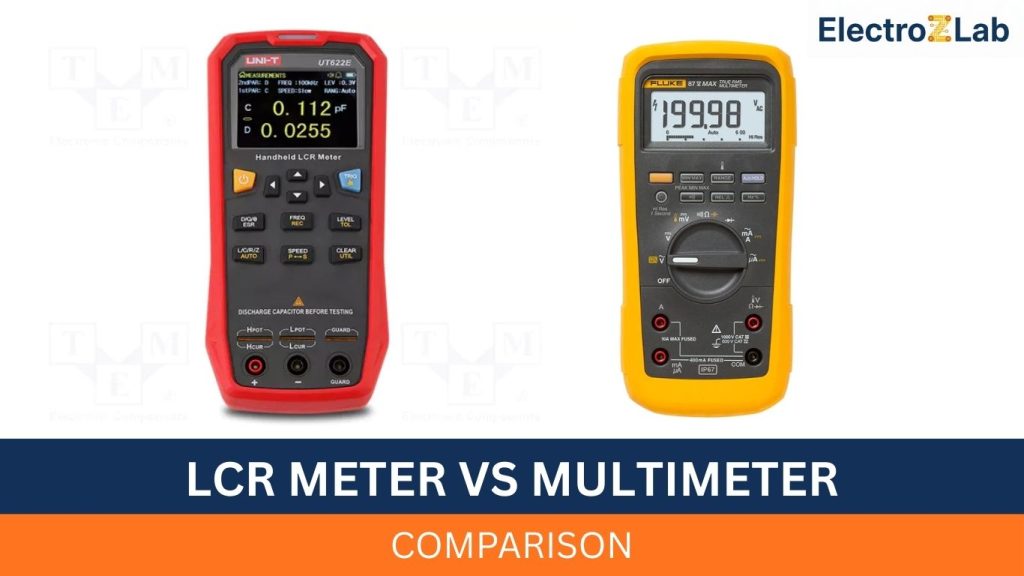
Choosing the right multimeter can save you time, money, and even keep you safe. But what do terms like Cat 3 and Cat 4 really mean?
If you’ve ever been confused about which category suits your needs, you’re not alone. Understanding the difference between Cat 3 and Cat 4 multimeters is key to making the best choice for your projects and safety. Keep reading, and you’ll discover exactly how these categories affect your work and which one fits your tasks perfectly.
This knowledge could make all the difference the next time you pick up a multimeter.
Credit: www.sanwa-america.com
Cat 3 And Cat 4 Ratings
Cat 3 and Cat 4 ratings are important for choosing the right multimeter. These ratings show the safety level for different electrical environments. Understanding these helps protect you from electrical shocks and damage to your device. Each category matches specific working conditions and voltage levels. Knowing the difference ensures safer and more accurate measurements.
Safety Standards Explained
Cat 3 and Cat 4 follow strict safety rules. These rules come from international standards. They test how well a multimeter can handle electrical spikes. Cat 4 offers the highest protection for dangerous environments. Cat 3 is for less risky places but still protects well. Both help prevent accidents during electrical tests.
Common Applications
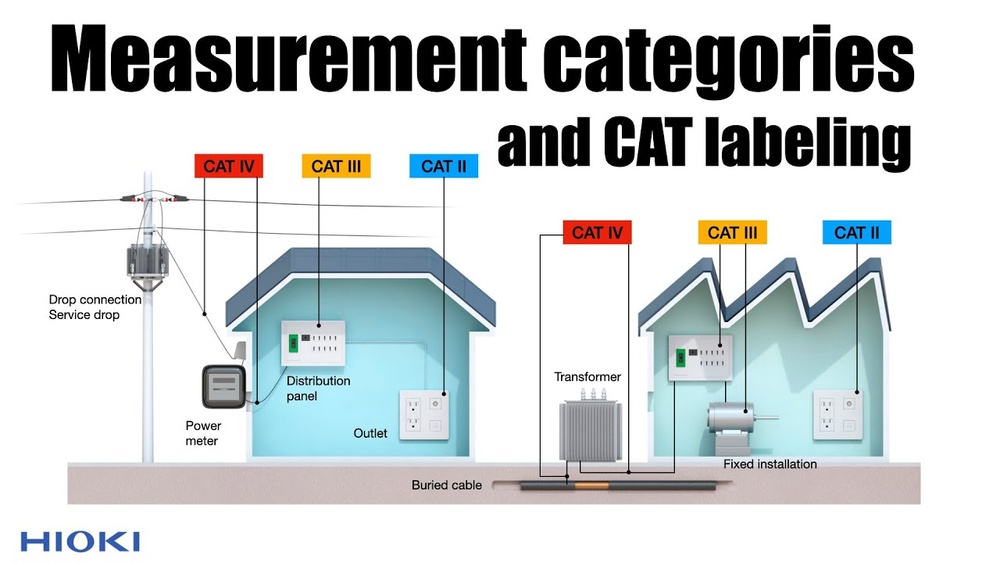
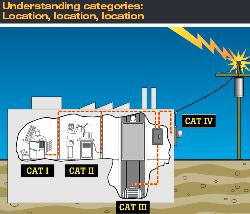
Cat 3 multimeters suit building wiring and fixed installations. Use them for outlets, switches, and circuit breakers. Cat 4 multimeters work in areas near the power source. Ideal for utility connections and outdoor electrical systems. Choosing the right category depends on your work location and risk level.
Voltage Limits
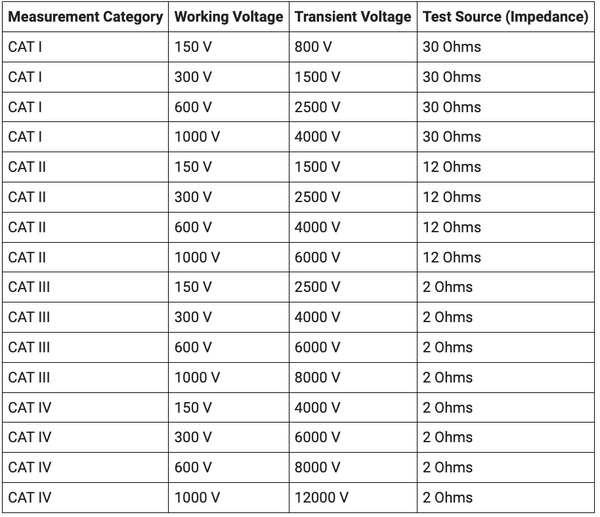
Cat 3 multimeters usually measure up to 600 volts safely. Some models can handle up to 1000 volts. Cat 4 multimeters can measure higher voltages, often up to 1000 volts. They are built to withstand stronger electrical surges. Always check the voltage rating to match your job needs.
Credit: www.tequipment.net
Multimeter Design Differences
Multimeter design varies between Cat 3 and Cat 4 models. These differences affect safety and usability. Understanding their design helps choose the right tool for your work.
Build And Insulation
Cat 4 multimeters have a stronger build. They use thicker insulation to protect against high voltage spikes. The casing often feels more rugged and durable. Cat 3 models have lighter insulation designed for lower voltage levels. This makes Cat 3 meters lighter but less resistant to extreme conditions.
Input Protection Features
Input protection is key in multimeter safety. Cat 4 meters include advanced fuses and protective circuits. These reduce the risk of damage or injury from sudden surges. Cat 3 meters have basic input protection suitable for general electrical work. They may not handle the high energy spikes that Cat 4 meters can withstand.
Accuracy In Measurements
Accuracy in measurements is crucial when choosing between Cat 3 and Cat 4 multimeters. Precise readings ensure safety and reliability in electrical work. Understanding how each category performs helps make better decisions.
Precision Levels
Cat 4 multimeters usually provide higher precision than Cat 3. They handle more demanding environments and higher voltages. This makes their readings more reliable for complex tasks. Cat 3 meters suit general use but may have wider error margins.
Impact Of Environment
Harsh environments affect measurement accuracy. Cat 4 multimeters are built to resist electrical surges and noise. This reduces false readings caused by interference. Cat 3 meters work well indoors or in controlled spaces. Outdoor or industrial settings demand Cat 4 for consistent accuracy.
Calibration Importance
Regular calibration keeps any multimeter accurate. Over time, all meters can drift from true values. Cat 4 meters often require stricter calibration schedules. This ensures they meet safety and precision standards. Neglecting calibration lowers measurement trustworthiness and can cause errors.
Choosing The Right Category
Choosing the right category for a multimeter is important for safety and performance. The categories, Cat 3 and Cat 4, show how much voltage the tool can handle. Picking the correct category depends on where and how you plan to use the multimeter. This section will help you understand the key factors to consider.
Work Environment Considerations
Think about where you will use the multimeter. Cat 3 meters work well for fixed installations, like circuit breakers and distribution panels. Cat 4 meters are made for outdoor or industrial settings. They handle higher energy levels and sudden spikes. Choose a meter that fits the environment to avoid damage or injury.
Risk Assessment
Assess the risks involved in your tasks. High voltage areas need a higher category meter. Cat 4 meters offer better protection against shocks and surges. If you work with low-voltage systems, Cat 3 might be enough. Always pick a meter that matches the risk level to stay safe.
Cost Vs. Safety
Cat 4 meters usually cost more than Cat 3 meters. The extra price buys better protection and durability. If you work in risky or high-voltage areas, spending more is wise. For low-risk tasks, a Cat 3 meter can save money. Balance cost with safety needs for the best choice.
Maintenance And Usage Tips
Maintaining your Cat 3 or Cat 4 multimeter ensures accurate readings and long life. Proper care helps avoid damage and safety risks. Follow simple tips to keep your tool in top shape. Use it correctly to get the best results every time.
Proper Handling
Hold the multimeter firmly during use. Avoid dropping or banging it against hard surfaces. Keep the leads away from sharp edges. Store the device in a dry, cool place. Do not expose it to extreme temperatures or moisture. Always use the right settings for your measurements.
Regular Inspections
Check the multimeter before each use. Look for cracks, loose parts, or worn-out leads. Test the battery and replace it if needed. Clean the device gently with a soft cloth. Inspect the fuse and change it if blown. Regular checks prevent errors and ensure safety.
Avoiding Common Mistakes
Never use the multimeter on live circuits beyond its category rating. Avoid mixing up test leads or wrong settings. Do not touch the metal parts during measurement. Avoid measuring high voltage without proper protective gear. Keep the device away from liquids and dust. These steps reduce risks and protect your multimeter.

Credit: www.specialized.net
Frequently Asked Questions
What Is The Difference Between Cat 3 And Cat 4 Multimeters?
Cat 3 multimeters are designed for distribution level testing, while Cat 4 multimeters handle higher energy environments like utility lines. Cat 4 offers better protection against voltage spikes and transient surges, making it safer for outdoor and industrial use.
Which Multimeter Category Is Safer For High Voltage Work?
Cat 4 multimeters are safer for high voltage and outdoor electrical work. They provide higher transient voltage protection than Cat 3 meters, reducing risk during tests on main service panels and utility connections.
Can I Use A Cat 3 Multimeter For Household Electrical Testing?
Yes, a Cat 3 multimeter is suitable for household and commercial electrical testing. It is designed for circuits up to 600 volts and can handle most indoor electrical applications safely.
Why Is Category Rating Important In Multimeters?
Category ratings indicate a multimeter’s safety level for measuring different electrical environments. Higher categories like Cat 4 mean better protection against voltage spikes and transient surges, preventing damage and ensuring user safety.
Conclusion
Choosing between Cat 3 and Cat 4 multimeters depends on your work needs. Cat 4 meters offer higher safety for outdoor and industrial use. Cat 3 meters suit indoor and less risky tasks well. Always pick the meter that matches your job environment.
Safety and accuracy matter most when testing electrical systems. Understanding these categories helps you stay safe and confident. A good multimeter makes your work easier and safer. Keep these points in mind for better tool choices.

I’m Asif Ur Rahman Adib, an Electrical Engineer and lecturer. My journey began in the lab, watching students struggle with instruments they used every day without fully understanding them. Over time, I’ve combined teaching, research, and hands-on experience to help others grasp electrical concepts clearly, safely, and practically—whether it’s understanding a circuit or mastering a multimeter.