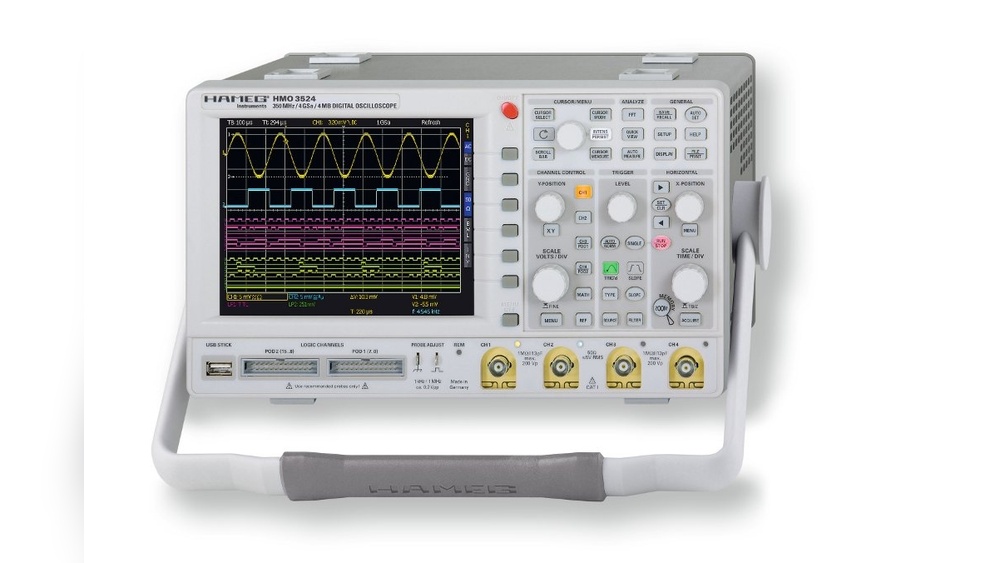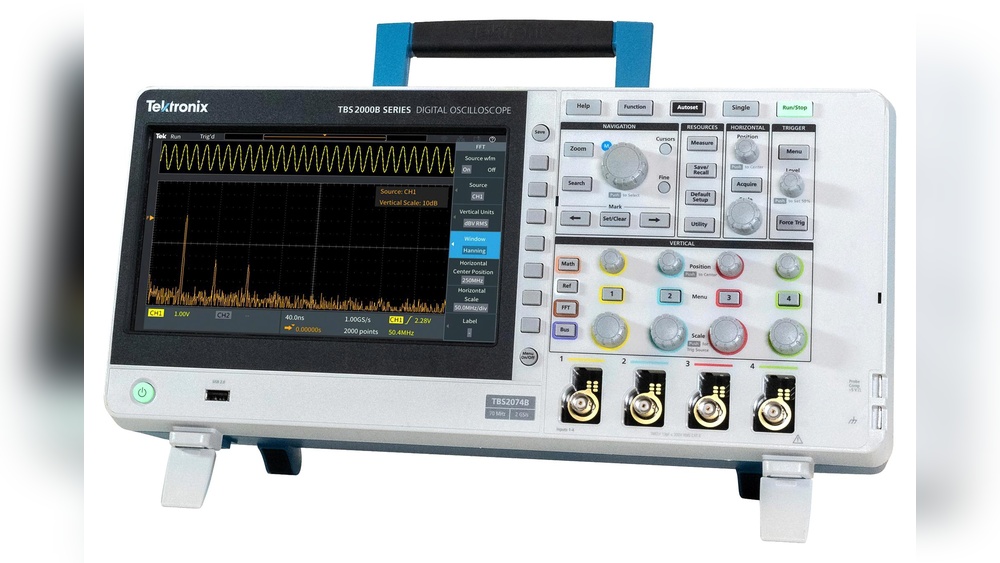
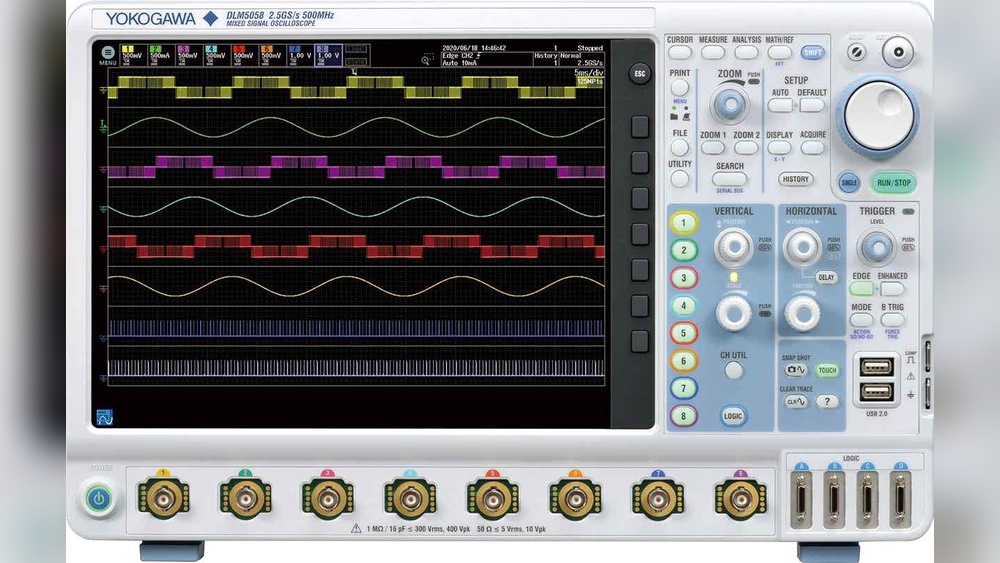
Are you struggling to choose the right oscilloscope for your projects? Whether you’re working with pure digital signals or a mix of analog and digital, picking between a digital and a mixed signal oscilloscope can make all the difference.
The right tool can save you time, improve your accuracy, and help you solve problems faster. You’ll discover exactly how these two types of oscilloscopes differ, and which one fits your needs best. Keep reading to make an informed choice that will boost your work and simplify your tasks.
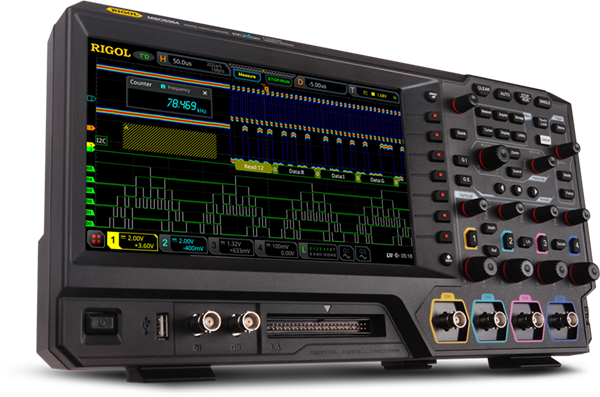
Credit: www.rigolna.com
Digital Oscilloscope Basics
Digital oscilloscopes are essential tools for measuring electrical signals. They display waveforms on a screen, making it easier to analyze signal behavior. These devices convert analog signals into digital data. This allows for detailed examination and storage of signals.
Understanding digital oscilloscope basics helps in choosing the right tool for your needs. The following sections explain key features and common uses.
Core Functionality
Digital oscilloscopes capture signals using a probe connected to a circuit. The device samples the signal at high speed. It then converts these samples into digital data. This process creates a clear, real-time waveform display. Users can zoom in and measure signal properties like voltage and frequency.
Signal Processing
Once the signal is digitized, the oscilloscope processes it using built-in software. It filters noise and enhances signal clarity. The device can perform calculations such as peak detection and averaging. This makes it easier to analyze complex signals. Users can save data for later review and comparison.
Common Uses
Digital oscilloscopes are widely used in electronics design and repair. Engineers use them to test circuits and troubleshoot faults. They help in monitoring signal integrity and timing issues. These devices are also valuable in education for teaching electronics concepts. Their accuracy and ease of use make them popular in many fields.
Mixed Signal Oscilloscope Essentials
Mixed Signal Oscilloscopes combine two important types of signals. They capture analog and digital data at the same time. This helps engineers see more details in their tests. Mixed Signal Oscilloscopes are useful for complex circuits. They show how digital and analog parts work together.
Understanding these tools helps you choose the right one for your needs. Let’s explore the basics of Mixed Signal Oscilloscopes and their key features.
Combining Analog And Digital
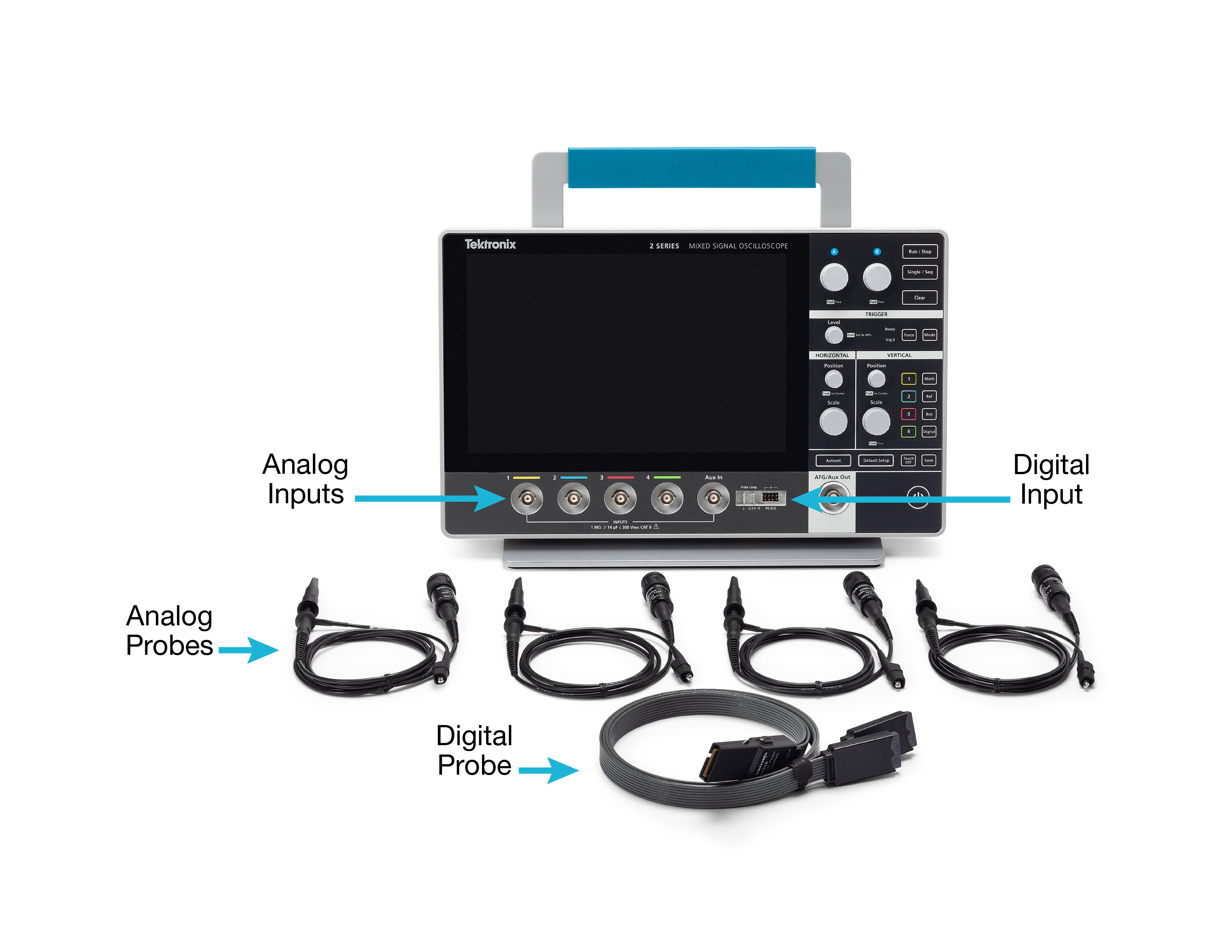
Mixed Signal Oscilloscopes display both analog and digital signals. They have multiple channels for analog inputs. Plus, they include digital channels for logic signals. This allows users to view signal interactions clearly. It shows timing between digital pulses and analog waves. This combination helps in troubleshooting and design.
Signal Acquisition Techniques
These scopes use advanced methods to capture signals. They sample analog and digital data simultaneously. This prevents missing important events in the circuit. The device synchronizes all channels for accurate timing. It can trigger on mixed signal conditions. This means capturing complex signal changes is easier.
Typical Applications
Mixed Signal Oscilloscopes are popular in many fields. They help in embedded systems development. Testing microcontrollers and sensors becomes simpler. They are used in automotive electronics for signal checks. Communication devices also benefit from mixed signal analysis. These scopes improve debugging and verification processes.
Performance Comparison
Comparing digital and mixed signal oscilloscopes reveals key differences in their performance. Each type suits specific testing needs. Understanding their strengths helps in choosing the right tool for your work.
Bandwidth And Sampling Rate
Bandwidth shows the highest frequency an oscilloscope can measure. Digital oscilloscopes often have wider bandwidth. Mixed signal oscilloscopes combine analog and digital channels but may have slightly lower bandwidth.
Sampling rate affects signal detail and accuracy. Digital scopes usually offer higher sampling rates. Mixed signal scopes balance sampling across analog and digital inputs, which can limit maximum rates.
Triggering Capabilities
Triggering helps capture specific signal events. Digital oscilloscopes provide advanced trigger options. They handle complex waveforms with precision.
Mixed signal oscilloscopes offer triggers on both analog and digital signals. This feature is useful for debugging mixed signal systems. Their trigger flexibility suits diverse testing scenarios.
Data Storage And Analysis
Digital scopes excel at storing large amounts of waveform data. They support detailed analysis and easy data export. Many include built-in math and measurement tools.
Mixed signal oscilloscopes store both analog and digital data. They allow correlation between signal types. This makes troubleshooting complex circuits easier.

Credit: tmi.yokogawa.com
User Interface And Features
The user interface and features of oscilloscopes play a key role in their usability. Digital and mixed signal oscilloscopes differ in how they present data and offer tools. A clear interface helps users analyze signals faster. Features also impact efficiency and ease of use.
Understanding these differences helps choose the right oscilloscope for your needs.
Display And Controls
Digital oscilloscopes offer bright, high-resolution screens. They show waveforms and menus clearly. Mixed signal oscilloscopes combine analog and digital signals on one screen. This helps compare signals side by side.
Controls on digital scopes include touchscreens and buttons. Mixed signal scopes often add knobs for easier channel switching. Simple controls reduce user errors. Clear labels help beginners navigate faster.
Measurement Tools
Digital scopes provide automatic measurements like frequency, amplitude, and rise time. They often include math functions to analyze signals deeply. Mixed signal oscilloscopes add digital protocol decoding tools. These tools help check communication signals like I2C or SPI.
Both types offer trigger functions to capture specific events. Mixed signal scopes support more complex triggers combining analog and digital inputs. These tools save time and increase accuracy.
Connectivity Options
Digital oscilloscopes usually have USB and LAN ports. These allow data transfer and remote control. Mixed signal scopes often add more ports for digital probes. Some models support Wi-Fi or Bluetooth for wireless use.
Connectivity options make it easier to save data and share results. They also support software updates and remote diagnostics. Good connectivity enhances workflow and collaboration.
Cost And Value
Choosing between a digital and a mixed signal oscilloscope requires thinking about cost and value. This choice affects your budget and what you get from the tool. Understanding price differences, long-term benefits, and project suitability helps make a smart decision.
Price Differences
Digital oscilloscopes usually cost less than mixed signal ones. Basic digital models fit small budgets and simple tasks. Mixed signal oscilloscopes add extra features, so their price is higher. The added cost reflects their ability to handle both analog and digital signals.
Long-term Benefits
Mixed signal oscilloscopes often save money over time. They reduce the need for multiple devices. This saves space and maintenance costs. Digital oscilloscopes are easier to use and cheaper to repair. The right choice depends on how often you use the oscilloscope and what tasks you do.
Suitability For Projects
Digital oscilloscopes suit basic projects and clear signals. They work well for learning and simple testing. Mixed signal models excel in complex projects with mixed signals. They help debug digital circuits and analog parts together. Choose based on the complexity and type of your work.
Credit: www.tek.com
Choosing The Right Oscilloscope
Choosing the right oscilloscope is important for any electronics project. The right tool helps you see signals clearly and saves time. Digital and mixed signal oscilloscopes offer different features. Understanding your needs can help you pick the best one.
Project Requirements
Think about what your project needs. Simple signal checks work well with digital oscilloscopes. Mixed signal oscilloscopes handle both analog and digital signals. Complex projects with many signals need mixed signal models. Choose based on the number and type of signals you test.
Technical Skill Level
Your skill level affects your choice. Beginners find digital oscilloscopes easier to use. Mixed signal oscilloscopes have more controls and options. Skilled users can use advanced tools for deeper analysis. Pick a scope that matches your comfort and knowledge.
Future-proofing
Plan for future projects. Mixed signal oscilloscopes support more signal types. They offer better flexibility as projects grow. Digital oscilloscopes may limit your testing options later. Investing in a flexible tool can save money over time.
Frequently Asked Questions
What Is The Main Difference Between Digital And Mixed Signal Oscilloscopes?
Digital oscilloscopes capture and display analog signals as digital data. Mixed signal oscilloscopes combine digital and analog channels for simultaneous analysis. This allows mixed signal scopes to handle complex circuits involving both signal types efficiently.
When Should I Choose A Mixed Signal Oscilloscope?
Choose a mixed signal oscilloscope when working with embedded systems. It helps analyze both digital control signals and analog sensor outputs simultaneously. This improves debugging and troubleshooting in modern electronic designs.
Are Digital Oscilloscopes Better For General Signal Analysis?
Yes, digital oscilloscopes are ideal for general analog signal analysis. They offer high accuracy, fast processing, and advanced features like waveform storage. They are widely used in education, research, and basic electronics testing.
Can Mixed Signal Oscilloscopes Improve Debugging Efficiency?
Absolutely. Mixed signal oscilloscopes show multiple signal types on one display. This makes it easier to correlate digital and analog events, speeding up troubleshooting and reducing development time in complex electronics.
Conclusion
Choosing between digital and mixed signal oscilloscopes depends on your needs. Digital scopes show clear waveforms and easy data analysis. Mixed signal scopes handle both analog and digital signals. They help when testing complex circuits. Think about your projects and budget.
Both types offer useful features for different tasks. Understanding their strengths guides your choice. Use the right tool to get accurate measurements and save time. This helps you work smarter and solve problems faster.

I’m Asif Ur Rahman Adib, an Electrical Engineer and lecturer. My journey began in the lab, watching students struggle with instruments they used every day without fully understanding them. Over time, I’ve combined teaching, research, and hands-on experience to help others grasp electrical concepts clearly, safely, and practically—whether it’s understanding a circuit or mastering a multimeter.