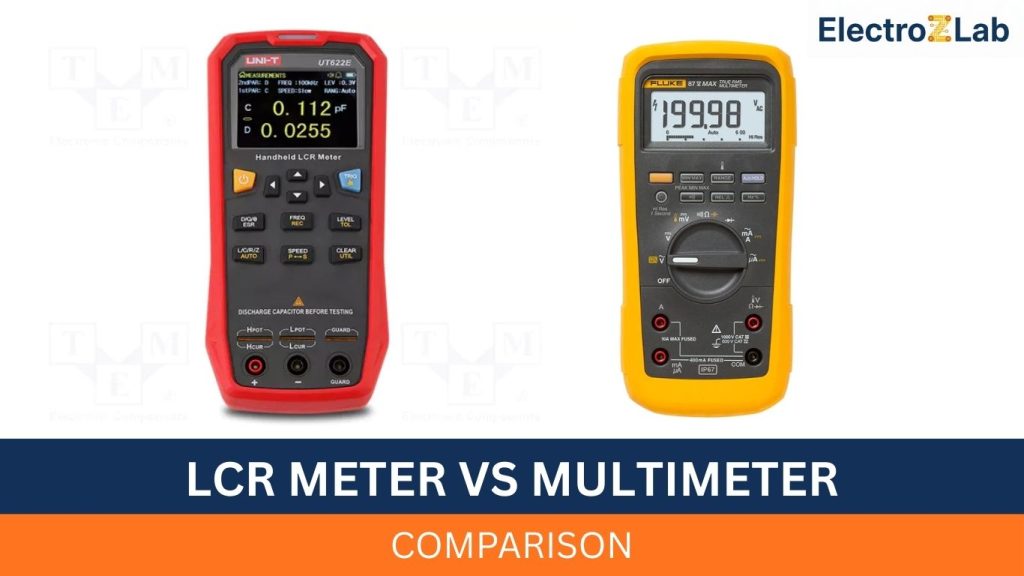
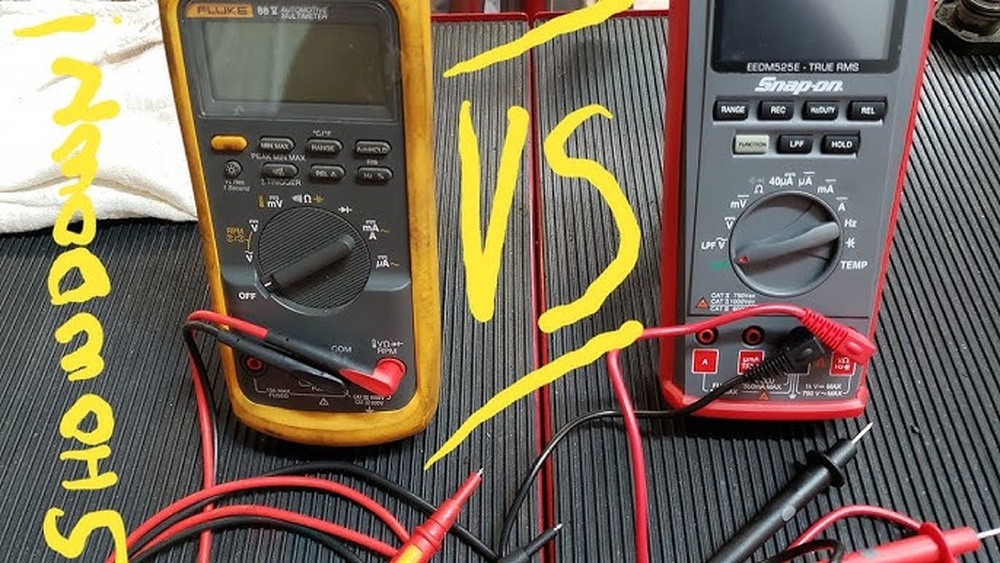
Choosing the right multimeter can make all the difference in your work. When it comes to Fluke vs Snap-on multimeters, you might wonder which one suits your needs best.
Both brands are known for quality, but they offer different features, accuracy, and durability. If you want to save time, avoid costly mistakes, and get the most reliable readings, you need to know exactly what sets them apart. Keep reading to discover which multimeter matches your expectations and helps you get the job done right every time.
Brand Reputation
Brand reputation plays a big role in choosing a multimeter. It shows the trust and quality behind the product. A strong brand means many users have tested and liked their tools. Both Fluke and Snap-on have earned respect in the tool industry. Each brand has its own history and strengths.
Fluke’s Industry Standing
Fluke is known worldwide for reliable and precise tools. Professionals trust Fluke for electrical testing and measurement. The brand has been active for over 70 years. It often leads in innovation and safety standards. Fluke multimeters are common in labs, factories, and fieldwork. Their tools are built to last in tough conditions. Fluke’s reputation is solid among engineers and electricians.
Snap-on’s Market Presence
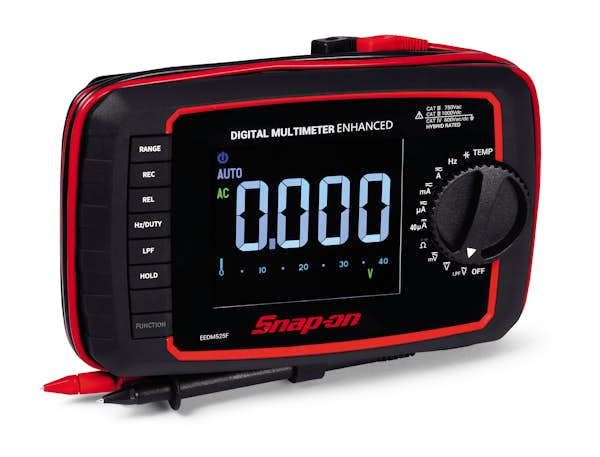
Snap-on is a top name in automotive and industrial tools. The brand focuses on quality and durability. Snap-on multimeters are designed for mechanics and technicians. Their tools often come with advanced features and ergonomic design. Snap-on has a strong dealer network for support and service. Many professionals prefer Snap-on for its precision and ease of use. The brand stands out in the automotive repair market.
Credit: www.eevblog.com
Design And Build Quality
The design and build quality of a multimeter affect its use and lifespan. Both Fluke and Snap-on are known for strong, reliable tools. Their design focuses on practical use in tough conditions. Users need a multimeter that feels right in hand and lasts long on the job.
Durability And Materials
Fluke multimeters use high-quality plastic and rubber for extra protection. They resist drops and shocks well. Snap-on models also use tough materials but often feel heavier. Both brands seal their meters against dust and water. This keeps the inner parts safe during work. Fluke tends to have a slightly better grip surface. Snap-on focuses on solid, heavy-duty cases. Both stand up to rough daily use.
Ergonomics And Portability
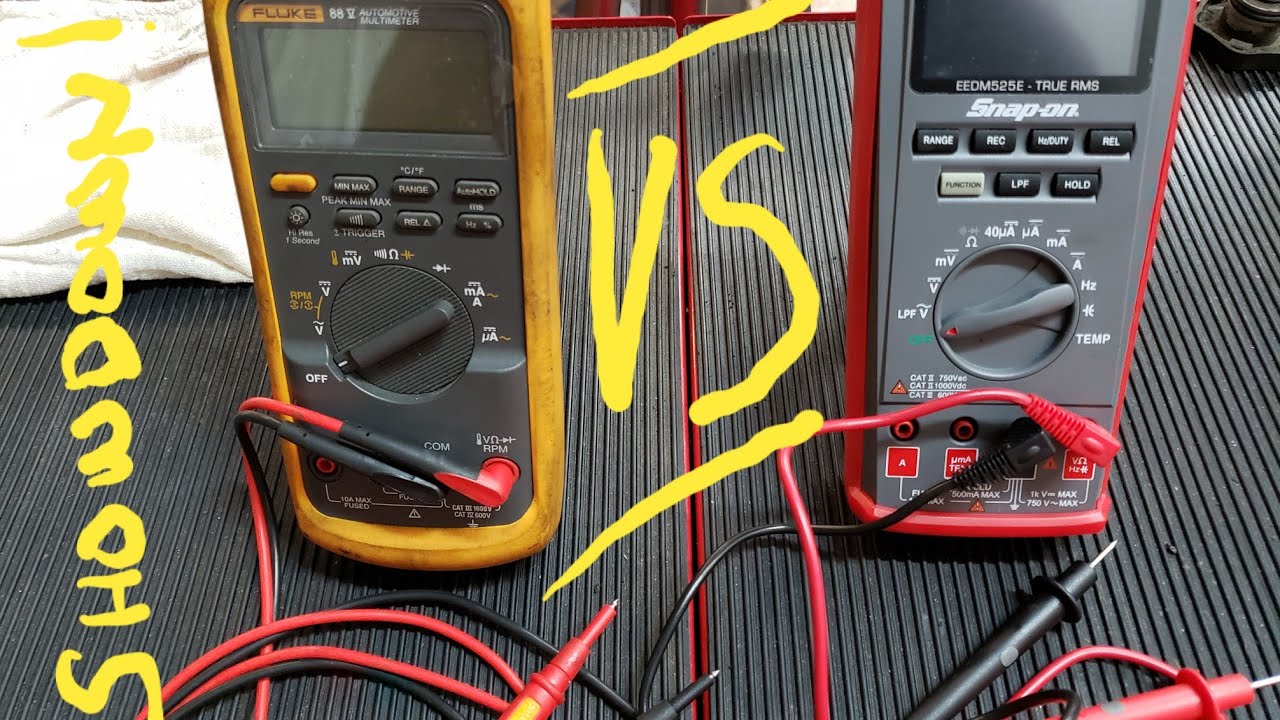
Fluke multimeters are designed to be light and easy to hold. Their shape fits well in the hand, reducing fatigue. Snap-on meters are bulkier but have large buttons that are easy to press. Fluke offers models with compact sizes for easy carrying. Snap-on’s size adds a sense of toughness but may be harder to carry all day. Both brands include stands and hooks for hands-free use.
Measurement Accuracy
Measurement accuracy is key in any multimeter. It ensures reliable and precise readings for electrical tasks. Both Fluke and Snap-on multimeters offer solid accuracy, but they differ in some ways. Understanding these differences helps choose the right tool for your needs.
Voltage And Current Precision
Fluke multimeters provide strong voltage and current precision. They often show readings with low error margins. This makes them great for delicate electrical work. Snap-on meters also deliver good precision. Their readings are stable and consistent. Both brands handle standard AC and DC measurements well. Fluke may have a slight edge in very high-precision tasks.
Resistance And Continuity Tests
Resistance tests check the flow of electrical current in circuits. Fluke multimeters measure resistance accurately, with clear results. Continuity tests use a beep or light to show if a circuit is complete. Snap-on meters excel in continuity testing, offering quick, loud beeps. Both brands detect open or closed circuits reliably. This helps avoid mistakes during repairs or installations.
Credit: www.youtube.com
Features And Functions
The features and functions of a multimeter define its usefulness and accuracy. Both Fluke and Snap-on offer reliable tools, but their capabilities differ. Understanding these differences helps choose the right device for your needs. The following sections highlight key aspects of each brand.
Standard Measurement Capabilities
Fluke multimeters provide precise readings for voltage, current, and resistance. Their devices often include continuity tests and diode checks. Snap-on multimeters also cover these basics with good accuracy. Both brands support AC and DC measurements. Fluke tends to offer a wider range of measurement modes. Snap-on models focus on ease of use and quick results. Each brand ensures safety features like overload protection.
Advanced Diagnostic Tools
Fluke multimeters come with advanced functions like frequency and capacitance measurement. Some models feature temperature sensors and true RMS for better accuracy. Snap-on offers similar advanced diagnostics, including graphing and data logging. Their meters integrate well with software for detailed analysis. Fluke devices often provide more rugged designs for tough environments. Snap-on emphasizes user-friendly interfaces with color displays and smart features. Both brands support complex troubleshooting tasks efficiently.
User Interface
The user interface of a multimeter affects how easily you can work with it. A good interface makes reading measurements fast and clear. Both Fluke and Snap-on offer user-friendly designs but differ in details. Understanding these differences helps you choose the right tool.
Display Quality
Fluke multimeters often feature bright, clear LCD screens. The digits are large and easy to read in different light conditions. Snap-on displays focus on sharp contrast and backlighting. This helps users see numbers in dim places. Both brands avoid cluttered screens. They show only the necessary data for quick checks.
Ease Of Navigation
Fluke uses simple buttons and a clear dial to switch functions. This design reduces confusion during use. Snap-on adds a few extra buttons for shortcuts. These can save time but may seem complex at first. Both brands arrange controls logically. Users find it easy to move through settings with little effort.
Battery Life And Power Options
Battery life and power options play a key role in choosing a multimeter. A long-lasting battery means less downtime during tasks. Different models offer various power setups. Understanding these differences helps pick the right tool for daily use.
Battery Longevity
Fluke multimeters often have batteries that last longer under typical use. Their designs focus on energy saving. Snap-on models provide decent battery life but usually require more frequent changes. Battery life depends on usage, screen type, and power mode. Choosing a multimeter with longer battery life reduces interruptions on the job.
Rechargeable Vs Replaceable Batteries
Fluke offers models with replaceable batteries. This option allows quick swaps on site. Some Fluke tools also include rechargeable batteries for convenience. Snap-on multimeters mainly use replaceable batteries. Rechargeable batteries save cost over time but may add weight. Replaceable batteries offer flexibility but need spare packs. Consider your work style to decide which suits you best.
Price And Value
Price and value play a key role in choosing the right multimeter. Both Fluke and Snap-on offer reliable tools. Yet, their costs and benefits differ. Understanding these differences helps make a smart choice. This section breaks down price and value for each brand.
Cost Comparison
Fluke multimeters tend to have a higher price range. Their models often start around the mid to high hundreds. Snap-on multimeters usually cost more. They can reach prices well above Fluke’s range. Snap-on targets users willing to pay extra for brand prestige. Fluke focuses on delivering solid features at a fair price. Price depends on model type, features, and accuracy.
Value For Professionals
Fluke offers dependable tools with long-lasting performance. Many professionals trust Fluke for everyday work. Snap-on provides premium build quality and advanced features. It suits experts needing detailed diagnostics. Both brands offer good support and warranties. Fluke may suit those needing balance between cost and quality. Snap-on fits users who want top-tier tools and can invest more. Value depends on your work needs and budget.
Customer Support And Warranty
Customer support and warranty are key factors in choosing a multimeter. They ensure help is available if problems arise. A good warranty protects your purchase from defects. Reliable customer service can save time and stress.
Service Availability
Fluke offers service centers worldwide. Their support team is reachable by phone and email. Customers get fast responses and clear guidance. Snap-on also provides strong service coverage. Their experts assist through phone and online chat. Both brands have local service points for repairs. This makes fixing issues easier and quicker.
Warranty Terms
Fluke provides a standard 3-year warranty on most models. It covers parts and labor for defects. Snap-on offers a similar 3-year warranty. Some Snap-on models include extended coverage options. Both brands exclude damage from misuse or accidents. Registering your product often improves warranty support. Keep receipts and registration for smooth claims.
Best Use Cases
Choosing the right multimeter depends on your specific needs. Both Fluke and Snap-on offer reliable tools. Each brand has strengths suited to different tasks. Understanding the best use cases helps you pick the perfect multimeter for your work.
Ideal Scenarios For Fluke
Fluke multimeters excel in industrial and professional environments. They handle complex electrical systems with high accuracy. Use Fluke for troubleshooting motors, HVAC systems, and electrical panels. Their robust design suits harsh conditions and frequent use. Fluke devices offer advanced features like true RMS and temperature measurement. Perfect for electricians, engineers, and technicians who need precise readings.
Ideal Scenarios For Snap-on
Snap-on multimeters fit well in automotive and mobile repair settings. They provide fast, reliable measurements for vehicle diagnostics. Snap-on tools are compact, easy to carry, and user-friendly. Ideal for mechanics checking battery voltage, alternators, and ignition systems. Their durable build withstands daily use in workshops. Great choice for professionals focused on speed and convenience.

Credit: www.eevblog.com
Frequently Asked Questions
What Are The Key Differences Between Fluke And Snap-on Multimeters?
Fluke multimeters are known for accuracy and durability, ideal for industrial use. Snap-on models offer advanced features and user-friendly design, preferred by automotive professionals. Both brands provide reliable measurements but target slightly different user needs and environments.
Which Multimeter Brand Offers Better Accuracy, Fluke Or Snap-on?
Fluke multimeters generally provide higher accuracy with strict calibration standards. Snap-on meters are accurate but prioritize additional features over extreme precision. For critical measurements, Fluke is often preferred by professionals demanding exact results.
Are Fluke Or Snap-on Multimeters More Durable For Fieldwork?
Fluke multimeters are renowned for rugged construction and long-lasting durability. Snap-on meters are durable but focus more on ergonomic design. For harsh environments, Fluke typically withstands tougher conditions and impacts better.
Which Multimeter Brand Has Better User-friendly Features?
Snap-on multimeters emphasize intuitive interfaces and easy-to-read displays. Fluke devices focus on functionality with straightforward controls but less emphasis on interface design. Users seeking convenience may prefer Snap-on’s modern usability features.
Conclusion
Choosing between Fluke and Snap-on multimeters depends on your needs. Fluke offers strong accuracy and durability. Snap-on provides ease of use and quick readings. Both brands deliver reliable results for everyday tasks. Think about your budget and work type. Pick the one that fits your job best.
Either way, you get a tool that helps measure electricity safely. Trust your choice and work with confidence.

I’m Asif Ur Rahman Adib, an Electrical Engineer and lecturer. My journey began in the lab, watching students struggle with instruments they used every day without fully understanding them. Over time, I’ve combined teaching, research, and hands-on experience to help others grasp electrical concepts clearly, safely, and practically—whether it’s understanding a circuit or mastering a multimeter.