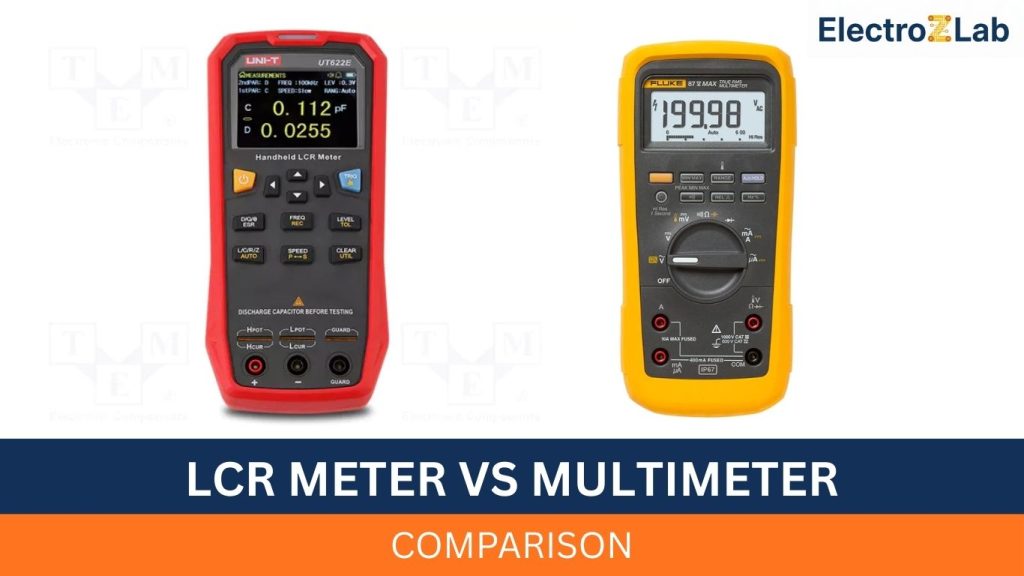
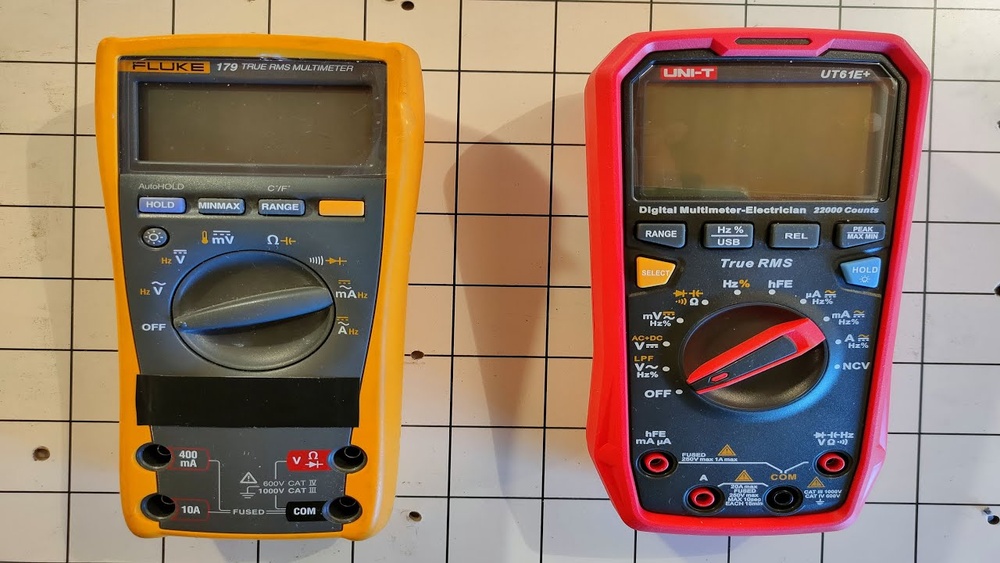
Choosing the right tool can make all the difference in your work. When it comes to multimeters, two names often come up: Fluke and Uni-T. You want accuracy, durability, and ease of use, but which one really gives you the best value?
This article breaks down everything you need to know about Fluke vs Uni-T, so you can make a confident choice. Keep reading to discover which multimeter fits your needs perfectly and helps you get the job done right every time.
Fluke Brand Overview
Fluke is a well-known name in the world of electronic test tools. The brand stands for quality and reliability. Many professionals trust Fluke instruments to get accurate and consistent results. This section explores the brand’s background, products, and users.
History And Reputation
Fluke was founded in 1948. It started as a small company focused on electronic testing devices. Over decades, Fluke grew into a global leader. The brand earned a strong reputation for durability and precision. Many technicians and engineers rely on Fluke for their daily work.
Product Range
Fluke offers a wide variety of tools. These include multimeters, thermal imagers, and electrical testers. The products cover many industries like electrical, HVAC, and industrial sectors. Each tool is designed to meet high standards of accuracy. Fluke keeps improving its tools with new technology.
Target Users
Fluke mainly serves professionals. Electricians, engineers, and technicians often choose Fluke tools. The brand suits users who need dependable and precise measurements. It also appeals to those working in demanding environments. Fluke tools help users complete tasks safely and efficiently.
Uni-t Brand Overview
Uni-T is a popular brand in the test and measurement tools market. It offers tools for professionals and hobbyists. The brand focuses on providing reliable and affordable devices.
This overview explores Uni-T’s background, product range, and user base. It helps you understand why many choose Uni-T tools.
Company Background
Uni-T was founded in 1988. It started as a small company in China. Over time, it grew into a global brand. Uni-T focuses on research and development. This helps them improve their products continuously. The company aims to deliver quality tools at fair prices.
Product Variety
Uni-T offers many types of test tools. These include multimeters, oscilloscopes, clamp meters, and more. The products suit different needs and skill levels. You can find both handheld and bench instruments. Uni-T often updates its lineup with new technology. This keeps their tools useful for modern applications.
User Base
Uni-T tools are popular among technicians and engineers. Hobbyists also use Uni-T for DIY projects. The brand’s affordability attracts students and beginners. Many users trust Uni-T for daily testing tasks. The brand has a strong presence worldwide. Its tools are found in homes, labs, and industries.
Accuracy In Measurements
Accuracy in measurements is vital for both professionals and hobbyists using multimeters. Precise readings ensure safety, quality, and trust in your work. Both Fluke and Uni-T offer tools that promise accuracy, but how do they compare in real use? Let’s explore key aspects that affect their measurement accuracy.
Calibration Standards
Calibration ensures a multimeter measures correctly. Fluke devices undergo strict calibration against international standards. This process keeps their readings reliable over time. Uni-T meters also follow calibration procedures but often rely on factory settings. Regular recalibration is needed to maintain their precision. Fluke’s approach tends to give users more confidence in their accuracy.
Measurement Precision
Precision shows how close repeated measurements are to each other. Fluke meters typically offer higher precision with finer resolution. This helps detect small changes in voltage or current. Uni-T meters provide decent precision but can lag behind Fluke in sensitive tasks. For simple jobs, Uni-T’s precision is usually sufficient. Professionals may prefer Fluke for its consistent detail.
Error Margins
Error margin defines the possible difference between the actual value and the meter’s reading. Fluke multimeters have lower error margins, often below 0.5%. This means their readings are very close to true values. Uni-T meters may have error margins closer to 1% or higher. This difference can matter in critical measurements. Choosing a meter with a smaller error margin reduces guesswork.
Credit: e-catalog.com
Build Quality And Durability
Build quality and durability are key factors for any tool you use daily. Both Fluke and Uni T offer meters designed to last. They focus on strong materials and smart designs. This section explores what makes each brand tough and reliable.
Materials Used
Fluke meters use high-grade plastic and rubber. This protects the device from drops and shocks. Uni T also uses durable plastics but often lighter ones. Their meters may feel less heavy but still resist damage well. Both brands aim to keep internal parts safe.
Design Features
Fluke tools have thick rubber edges. These help absorb impact during falls. Their buttons are firm and easy to press. Uni T meters have simpler designs. They focus on compactness and ease of use. Both designs include clear displays for easy reading.
Longevity
Fluke meters are built for long-term use. Users report many years of trouble-free work. Uni T models last well but may need replacement sooner. Both brands perform well with proper care. Regular maintenance extends the life of these tools.
Ease Of Use
Ease of use is important when choosing between Fluke and Uni T multimeters. Users want tools that work smoothly and do not cause confusion. Both brands offer features designed to simplify measuring tasks. Small differences can affect how quickly you get the job done.
Interface And Controls
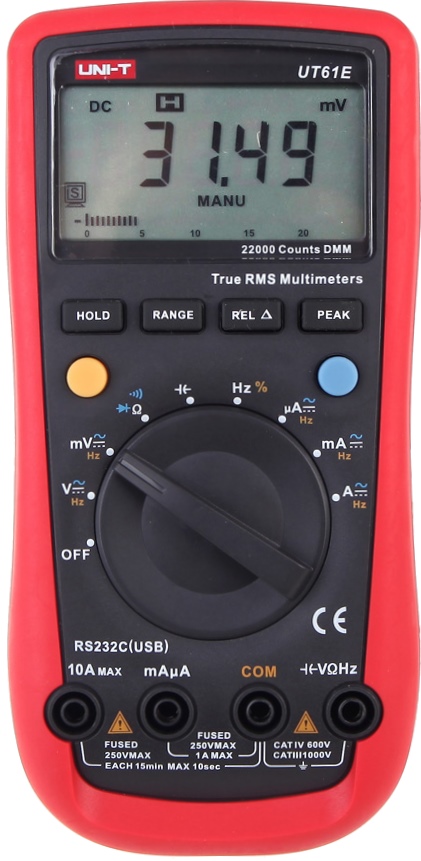
Fluke devices have clear buttons and simple layouts. Controls are spaced well and easy to press. Uni T models also have straightforward controls but sometimes feel crowded. Fluke’s interface is often preferred by beginners for its simplicity. Uni T offers more buttons which suit users who want extra functions.
Display Features
Fluke displays are bright with large digits. They show readings clearly even in low light. Uni T screens are usually bigger but may be harder to read in sunlight. Both brands use backlights but Fluke’s is softer on the eyes. Clear display reduces errors and speeds up work.
Portability
Uni T multimeters tend to be lighter and smaller. Easy to carry in pockets or tool bags. Fluke units are bulkier but built tough for rough work. Some Fluke models have handy clips or stands. Portability depends on your work style and where you use the meter.

Credit: e-catalog.com
Advanced Features
The advanced features of Fluke and Uni-T meters improve how you measure and test electrical systems. These features help users work safely and efficiently. Both brands offer tools that suit different needs and skill levels. Understanding these features helps pick the right meter for your tasks.
Safety Functions
Fluke meters include strong safety functions. They often have overload protection to avoid damage. Uni-T meters also offer basic safety features. Fluke models usually meet higher safety standards. Safety ratings like CAT III and CAT IV ensure user protection. These functions prevent accidents during electrical testing.
Connectivity Options
Fluke meters support Bluetooth for wireless data transfer. This makes sharing results simple and fast. Uni-T meters may have USB ports for connecting to computers. Both brands allow saving test data for analysis. Connectivity helps track measurements over time. It makes reporting easier and more accurate.
Additional Tools
Fluke offers extra tools like thermal imaging and insulation testing. These expand the meter’s use beyond basic checks. Uni-T meters include features like frequency measurement and data logging. Both brands provide options to suit different job types. Extra tools boost productivity and accuracy on site.
Price Comparison
Price is a key factor when choosing between Fluke and Uni-T tools. Understanding the cost differences helps pick the right tool for your needs and budget.
Cost Range
Fluke tools generally cost more than Uni-T models. Fluke products often target professionals needing high accuracy. Uni-T offers budget-friendly options for hobbyists and beginners. The price gap can be large, but each brand serves different markets.
Value For Money
Fluke tools deliver reliable performance and long-lasting build. Their accuracy and features justify the higher price for many users. Uni-T provides good value with decent accuracy and useful features. It suits those who need basic functions without extra costs.
Warranty And Support
Fluke offers longer warranties and strong customer support worldwide. This adds peace of mind for users investing in their tools. Uni-T warranties are shorter, with limited support in some regions. Consider warranty length and service quality when buying.
User Feedback
User feedback helps reveal the strengths and weaknesses of Fluke and Uni T devices. It shows what users like most and what bothers them. This insight guides new buyers to choose the right tool for their needs.
Common Praises
Many users praise Fluke for its accuracy and build quality. Professionals trust Fluke meters for precise readings. Uni T wins points for affordability and ease of use. Beginners find Uni T meters simple and clear. Both brands receive compliments on their clear displays and durable design.
Frequent Complaints
Some Fluke users mention the high price as a drawback. A few find Fluke meters heavy or bulky. Uni T users sometimes report shorter battery life. Others say Uni T meters can lack advanced features. Occasional calibration issues appear in user reviews for both brands.
Overall Satisfaction
Fluke users often feel satisfied with their investment. They value reliability and professional-grade performance. Uni T users appreciate the balance of cost and functionality. Many recommend Uni T for hobbyists and light tasks. Both brands have loyal fans who trust their products daily.
Best Use Cases
Choosing between Fluke and Uni-T depends on where and how you plan to use the tool. Each brand suits different needs and settings. Understanding the best use cases helps pick the right meter for you.
Professional Settings
Fluke meters are common in professional environments. Electricians and engineers trust their accuracy and durability. These tools handle heavy use on job sites. They also offer advanced features for complex tasks. Fluke supports detailed troubleshooting and safety checks. Uni-T devices may lack some high-end features but work well for basic professional needs.
Diy Applications
Uni-T meters fit well with DIY projects. They are affordable and easy to use. Homeowners fixing electrical issues find them reliable. The simpler design helps beginners avoid confusion. Fluke tools can be too advanced or costly for casual users. Uni-T provides enough accuracy for most household tasks. Both brands can measure voltage, current, and resistance effectively.
Educational Use
Schools and training centers often choose Uni-T meters. They offer good value and clear displays. Students learn basic electrical measurements without complex controls. Fluke meters might overwhelm beginners with too many options. Uni-T helps build confidence in early learning stages. Both brands teach important concepts in electronics safely and clearly.

Credit: www.youtube.com
Frequently Asked Questions
What Are The Main Differences Between Fluke And Uni T Meters?
Fluke meters are known for premium build quality and accuracy. Uni T offers budget-friendly models with decent features. Fluke suits professionals needing reliability, while Uni T is ideal for hobbyists or occasional users.
Which Brand Offers Better Accuracy, Fluke Or Uni T?
Fluke multimeters generally provide higher accuracy and stability. Uni T meters are accurate for basic tasks but may vary slightly. For critical measurements, Fluke is the preferred choice.
Are Fluke Meters More Durable Than Uni T?
Yes, Fluke meters are built with rugged materials for industrial use. Uni T meters have decent durability but are less robust. Fluke is better suited for harsh working environments.
Which Multimeter Brand Is More Affordable, Fluke Or Uni T?
Uni T meters are significantly more affordable, targeting budget-conscious buyers. Fluke products are higher-priced due to advanced features and build quality. Choose Uni T for cost savings, Fluke for professional use.
Conclusion
Choosing between Fluke and Uni-T depends on your needs and budget. Fluke offers strong build quality and precise readings. Uni-T provides good features at a lower price. Both brands serve different users well. Think about how often you will use the tool.
Consider what measurements you need most. Either way, you get a reliable device for electrical tasks. Pick the one that fits your work style best. Simple and clear.

I’m Asif Ur Rahman Adib, an Electrical Engineer and lecturer. My journey began in the lab, watching students struggle with instruments they used every day without fully understanding them. Over time, I’ve combined teaching, research, and hands-on experience to help others grasp electrical concepts clearly, safely, and practically—whether it’s understanding a circuit or mastering a multimeter.