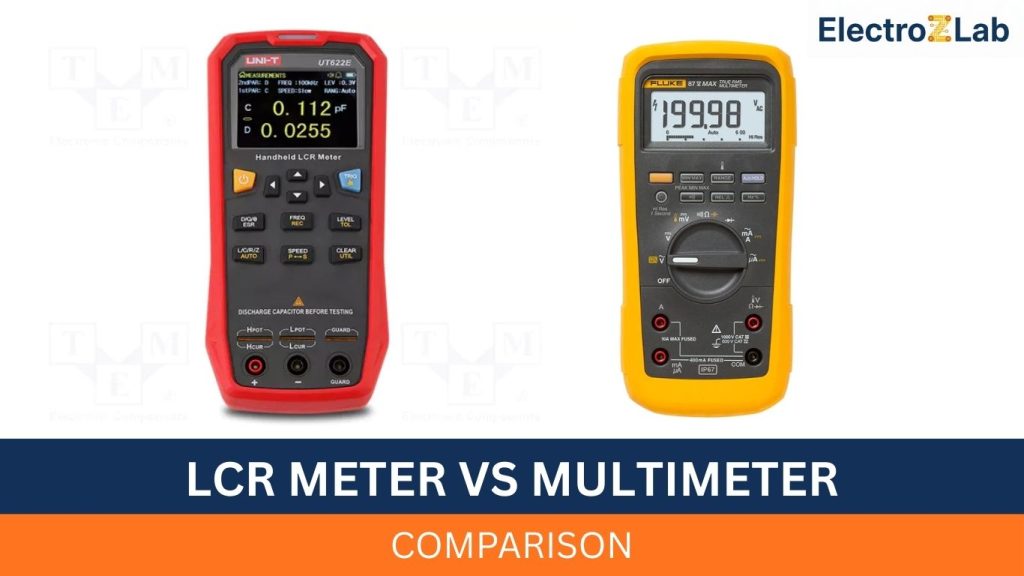
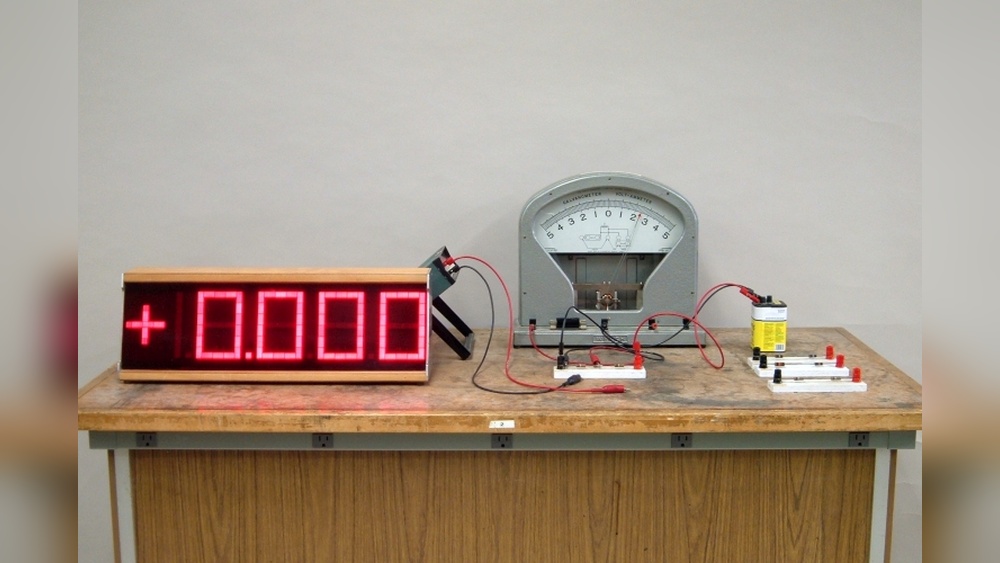
Are you confused about when to use a galvanometer or a multimeter? You’re not alone.
Both tools measure electrical properties, but they serve different purposes and work in unique ways. Understanding these differences can save you time, prevent mistakes, and help you get accurate results every time. Keep reading, and you’ll discover exactly how each device works, when to choose one over the other, and how this knowledge can make your electrical tasks much easier.
Don’t miss out—your next project depends on it!
Galvanometer Basics
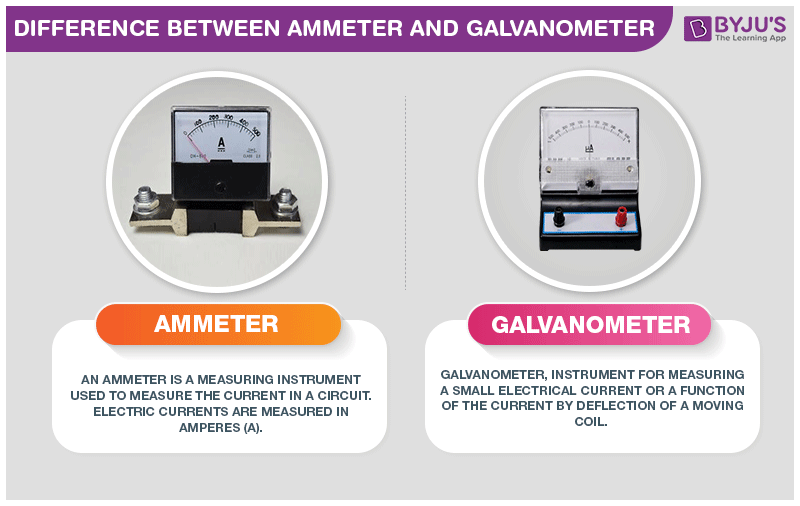
A galvanometer is a simple device that measures small electric currents. It helps detect and show the presence of current in a circuit. Understanding its basics can help you see how it differs from a multimeter.
This instrument is sensitive and precise. It is mainly used in labs and some electronic devices. The galvanometer’s design allows it to respond to tiny currents that other tools might miss.
Working Principle
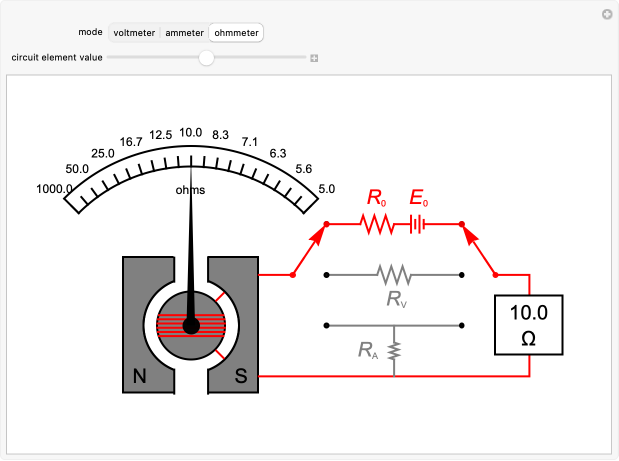
The galvanometer works on the principle of electromagnetism. When current passes through its coil, a magnetic field forms. This field interacts with a permanent magnet inside the device.
The interaction causes the coil to move. This movement turns a needle on a scale. The needle’s position shows the current’s strength and direction.
Main Components
The key parts of a galvanometer include a coil, a magnet, and a pointer. The coil is wrapped around a frame that can spin freely. The magnet creates a steady magnetic field.
The pointer connects to the coil. It moves over a marked scale to show readings. A spring or wire helps bring the pointer back to zero when no current flows.
Common Uses
Galvanometers are used in detecting small currents in scientific experiments. They help check circuit continuity and find faults in wires. Some types are part of analog measuring instruments.
They also appear in devices that monitor electrical signals. Their sensitivity makes them valuable in fields like physics and electronics education.
Multimeter Essentials
A multimeter is a handy tool used to measure electrical values. It helps check voltage, current, and resistance in circuits. Many people use multimeters for basic electrical tasks at home or work. Knowing the essentials of multimeters makes it easier to choose and use the right one.
Multimeters come in different types and serve various functions. Understanding these details helps you use the tool correctly. This section covers the main types, core functions, and common uses of multimeters.
Types Of Multimeters
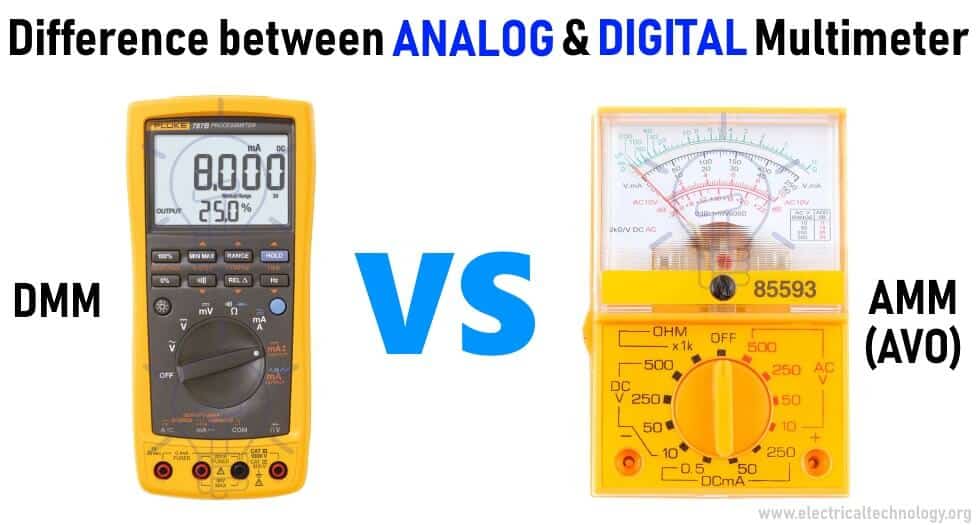
There are two main types of multimeters: analog and digital. Analog multimeters use a needle and dial to show readings. Digital multimeters display numbers on a screen. Digital types are more common today due to their accuracy and ease of use.
Some multimeters are handheld, while others are bench models for lab work. Handheld multimeters are portable and great for quick tests. Bench models provide more features for detailed measurements.
Core Functions
Multimeters measure voltage, current, and resistance. Voltage tests check how much electric power flows in a circuit. Current measurement shows the flow of electric charge. Resistance tests check how much a material resists electric flow.
Many multimeters also test continuity to see if a wire is complete. Some models can measure temperature, capacitance, and frequency. These extra functions help with more complex electrical tasks.
Typical Applications
People use multimeters for various tasks at home and work. They test batteries to see if they still have power. Electricians use them to check wiring and find faults in circuits. Hobbyists test electronic devices and repair gadgets.
Multimeters also help with automotive repairs. They check car batteries, alternators, and sensors. In all cases, multimeters give quick and accurate information about electrical systems.
Measurement Capabilities
Measurement capabilities define how well a tool works in electrical tasks. Both galvanometers and multimeters measure electrical properties. Yet, their strengths differ. Understanding these differences helps choose the right tool for the job.
Current Measurement
A galvanometer measures small electric currents accurately. It shows the current direction and strength. It is sensitive but works best with low current. A multimeter measures current over a wide range. It can handle small and large currents safely. This makes the multimeter more flexible for general use.
Voltage Detection
Galvanometers can detect voltage but only in limited ways. They mainly measure voltage indirectly through current. Multimeters measure voltage directly and precisely. They can test both AC and DC voltages. This ability makes the multimeter useful for many tasks.
Resistance Check
Galvanometers do not measure resistance by themselves. They need extra components to do so. Multimeters have built-in resistance measurement. They show resistance values quickly and clearly. This feature helps check wires and devices easily.
Design And Construction
The design and construction of galvanometers and multimeters differ greatly. These differences affect how each tool works and how users handle them. Understanding these contrasts helps in choosing the right tool for specific tasks.
Build Differences
A galvanometer has a simple, delicate build. It uses a coil and magnet to detect small currents. The parts are sensitive and designed for precise measurements.
A multimeter is more complex. It combines multiple circuits to measure voltage, current, and resistance. The internal parts are sturdy to handle various electrical tests.
Display And Interface
Galvanometers typically have a needle dial display. The needle moves over a scale to show readings. This analog style is clear but limited to certain measurements.
Multimeters mostly use digital displays. They show numbers directly on an LCD screen. Users can read measurements quickly and switch modes easily using buttons.
Portability Factors
Galvanometers are usually heavier and bulkier. Their fragile parts require careful handling. This limits their use outside controlled environments.
Multimeters are designed for portability. Compact cases and battery power make them easy to carry. They suit fieldwork and quick checks better than galvanometers.
Accuracy And Sensitivity
Accuracy and sensitivity are key factors when choosing between a galvanometer and a multimeter. These features affect how well each tool measures electrical values. Understanding their differences helps you pick the right device for your needs.
Precision Levels
A galvanometer offers high precision in detecting small electric currents. It measures tiny changes that other devices might miss. Multimeters provide good precision but focus on a wider range of measurements. Their accuracy depends on the quality and type of multimeter used.
Response Time
Galvanometers respond quickly to changes in current. This fast response helps in detailed analysis of fluctuating signals. Multimeters usually have slower response times due to their digital processing. They are better for steady or average measurements rather than rapid changes.
Calibration Needs
Galvanometers require frequent calibration to maintain accuracy. Small errors can impact their sensitive readings. Multimeters also need calibration but less often. Their built-in features help keep measurements reliable over time.
Credit: byjus.com
Power Requirements
Understanding power requirements is key when comparing a galvanometer and a multimeter. Both devices need power to operate, but their energy needs differ greatly. This affects their use, portability, and how long they can work without recharging or replacing batteries.
Energy Sources
A galvanometer usually draws power from the circuit it tests. It needs very little current to move its needle. This means it does not require an external power source in most cases.
Multimeters often use internal batteries. These batteries power the digital display and measurement functions. Some advanced multimeters can also be powered by external sources or USB connections.
Battery Usage
Galvanometers rarely use batteries. Their low power draw comes directly from the measured circuit. This makes them simple and easy to maintain.
Multimeters rely on batteries for most operations. Battery life can vary based on usage and model. Replacing batteries is necessary to keep the multimeter functional.
Power Efficiency
Galvanometers are highly efficient. They consume minimal power since they use mechanical movement for readings. This suits long-term, low-power applications.
Multimeters use more power due to digital components. Their efficiency depends on battery type and display technology. Some models include power-saving features to extend battery life.
Cost And Availability
Cost and availability play a big role in choosing between a galvanometer and a multimeter. These factors affect how easy it is to buy and use these tools. Knowing the price and where to find them helps make a smart choice.
Price Range
Galvanometers often cost more because they are specialized tools. Their price can vary depending on precision and model. Basic galvanometers may start at a moderate price but can go high for advanced types. Multimeters are usually cheaper. They come in many models, from simple to advanced. Basic multimeters fit most budgets. More advanced ones cost more but still less than many galvanometers.
Market Accessibility
Multimeters are widely available in many stores and online shops. You can find them easily in electronics or hardware stores. Galvanometers are less common. They are mostly sold by specialty suppliers or scientific equipment stores. Finding a galvanometer nearby can be hard. Online options exist but may take more time to deliver. Multimeters are easier to buy for everyday use and quick needs.
Credit: www.electricaltechnology.org
Choosing The Right Tool
Choosing the right tool between a galvanometer and a multimeter depends on what you want to do. Both devices measure electrical properties, but they serve different purposes. Understanding their strengths helps in picking the best one for your needs.
Consider what task you want to complete. The correct choice makes your work easier and more accurate.
Task Suitability
A galvanometer detects small electric currents and shows direction. It is best for precise, low-level current measurements. Multimeters measure voltage, current, and resistance. They work well for general electrical tests and troubleshooting. Choose a galvanometer for sensitive tasks. Pick a multimeter for versatile use.
User Skill Level
A galvanometer requires more skill to read and use. It suits users familiar with electrical instruments. Multimeters have clear displays and easy settings. Beginners can handle them without much training. Match the tool to your comfort with electrical devices.
Budget Considerations
Galvanometers tend to cost more because of their sensitivity. Multimeters are usually affordable and widely available. If your budget is tight, a multimeter offers more value. For specialized tasks, investing in a galvanometer can be worth it.
Credit: demonstrations.wolfram.com
Frequently Asked Questions
What Is The Main Difference Between A Galvanometer And A Multimeter?
A galvanometer measures small electric currents and detects their direction. A multimeter measures voltage, current, and resistance. It combines functions of a voltmeter, ammeter, and ohmmeter in one device, making it more versatile than a galvanometer.
How Does A Galvanometer Work Compared To A Multimeter?
A galvanometer works by deflecting a needle due to magnetic interaction with current. A multimeter uses electronic circuits to measure multiple electrical parameters accurately. Galvanometers are sensitive but limited, while multimeters provide broader electrical measurements.
Can A Multimeter Replace A Galvanometer In All Applications?
No, a multimeter cannot replace a galvanometer in all cases. Galvanometers are better for detecting very small currents and their direction. Multimeters are suitable for general electrical testing but less sensitive than galvanometers for tiny current detection.
Why Is A Galvanometer Preferred For Current Detection?
A galvanometer is highly sensitive and can detect very small currents accurately. It also shows the current direction through needle deflection. This makes it ideal for precise current measurements in laboratory and experimental setups.
Conclusion
Both galvanometers and multimeters measure electrical values. Galvanometers detect small currents with high sensitivity. Multimeters offer multiple functions like voltage, current, and resistance checks. Choose a galvanometer for precise current detection in experiments. Use a multimeter for general electrical testing and troubleshooting.
Understanding their differences helps pick the right tool. Each device serves unique purposes in electronics work. Knowing when to use each saves time and effort. Simple tools, clear uses.

I’m Asif Ur Rahman Adib, an Electrical Engineer and lecturer. My journey began in the lab, watching students struggle with instruments they used every day without fully understanding them. Over time, I’ve combined teaching, research, and hands-on experience to help others grasp electrical concepts clearly, safely, and practically—whether it’s understanding a circuit or mastering a multimeter.