
Are you struggling to figure out if your Transmission Control Module (TCM) is working properly? Knowing how to test your TCM with a multimeter can save you time and money on costly repairs.
In this guide, you’ll discover simple steps to check your TCM’s health using just a basic tool you probably already have. By the end, you’ll feel confident diagnosing problems and deciding if your vehicle needs professional help. Keep reading to unlock these easy-to-follow tips and take control of your car’s performance today!
Tools Needed
Testing a Transmission Control Module (TCM) requires the right tools. Using proper equipment ensures accurate results. It also helps you avoid damage to the TCM or your vehicle.
Choosing The Right Multimeter
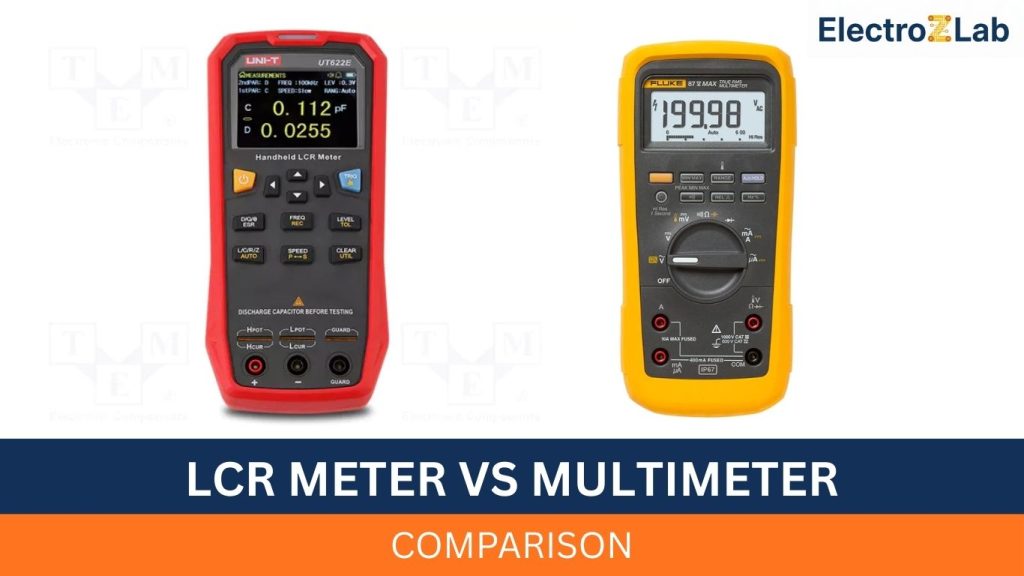
Select a digital multimeter with good accuracy. A multimeter that measures voltage, resistance, and continuity is best. Choose one with a clear display and easy controls. Auto-ranging multimeters simplify the process. Check for a low battery before testing. A faulty battery can give wrong readings.
Additional Equipment
Have alligator clip leads for hands-free testing. These clips hold wires securely and prevent slips. Use insulated gloves to protect from electric shock. A wiring diagram of the TCM helps identify pins. Keep a small screwdriver set for opening TCM covers. A notebook and pen help to record your results clearly.

Credit: www.ebay.com
Preparing The Tcm
Testing the Transmission Control Module (TCM) with a multimeter starts with proper preparation. This step ensures accurate results and avoids damage. Careful handling is important before you begin any measurement.
Preparation involves finding the TCM and taking safety steps. Both are crucial to protect yourself and the vehicle’s electronics.
Locating The Tcm
The TCM is often near the transmission or under the dashboard. Check your vehicle’s manual for the exact spot. It looks like a small box with wires connected to it.
Sometimes, it is inside the engine bay or near the fuse box. Look for a unit with multiple electrical connectors. Clean the area around the TCM before testing.
Safety Precautions
Disconnect the car battery before touching the TCM. This prevents short circuits and electric shocks. Use insulated tools to avoid accidental contact.
Wear gloves and safety glasses to protect your hands and eyes. Work in a dry area to reduce the risk of electric shock. Always follow manufacturer guidelines for safety.
Setting Up The Multimeter
Setting up the multimeter correctly is the first step in testing a TCM (Transmission Control Module). Proper setup ensures accurate readings and protects the device from damage. Take your time to prepare the multimeter carefully before starting the test.
Selecting The Correct Mode
Turn on the multimeter and choose the right mode for testing the TCM. Most tests require the voltage or resistance mode. Use voltage mode to check power supply and resistance mode to test sensor circuits. Pick the correct range if your multimeter does not have auto-range. This step helps avoid wrong readings and possible errors.
Calibrating The Device
Calibration ensures your multimeter gives precise results. Start by checking the leads and connections for any damage. Touch the leads together to test the continuity function; the meter should show zero or near zero. Adjust the zero setting if your multimeter has one. Proper calibration reduces mistakes during testing and improves reliability.

Credit: www.tumblr.com
Testing Procedures
Testing the Transmission Control Module (TCM) with a multimeter requires a clear set of steps. Proper testing helps find electrical problems quickly. Follow each step carefully to get accurate results. The process involves checking power, resistance, continuity, and signal output. Each step verifies a different part of the TCM’s function.
Use a digital multimeter for better precision. Make sure the vehicle’s battery is fully charged before starting the tests. Safety first: disconnect the battery if needed to avoid short circuits. The following procedures guide you through the main tests on your TCM.
Checking Power Supply
Begin by setting the multimeter to the voltage setting. Connect the red probe to the TCM power terminal. Attach the black probe to a ground point. Turn the vehicle’s ignition to the ON position. The multimeter should show battery voltage, usually around 12 volts. No voltage means a power supply problem.
Measuring Resistance
Switch the multimeter to the resistance (ohms) setting. Disconnect the TCM from the vehicle wiring. Place the probes on the TCM terminals you want to test. Compare the reading to the TCM specifications in the manual. A very high or low resistance indicates a possible fault inside the module.
Testing Continuity
Set the multimeter to continuity mode. Connect the probes across the wire or circuit to test. A beep sound means the circuit is complete. No beep means a break or open circuit. This test helps find broken wires or bad connections in the TCM circuit.
Verifying Signal Output
Set the multimeter to measure AC voltage or frequency. Connect the probes to the signal output terminals of the TCM. Start the engine or run the transmission system. The multimeter should show fluctuating signals or pulses. No signal means the TCM is not sending output correctly.
Interpreting Results
Interpreting the results after testing a Transmission Control Module (TCM) with a multimeter is crucial. It helps you understand if the TCM is working properly or if there are problems. Careful reading of the multimeter values will guide your next steps. Let’s explore how to recognize common faults and decide when the TCM needs replacement.
Identifying Common Faults
Start by comparing your multimeter readings with the TCM’s specifications. Look for unusual resistance or voltage levels. A reading too high or too low can signal an internal fault. Check for open circuits or short circuits inside the TCM. Also, inspect for damaged connectors or wiring issues. These faults often cause transmission problems in vehicles. Pinpointing these errors saves time and avoids unnecessary repairs.
When To Replace The Tcm
Replace the TCM if test results show persistent faults. If voltage or resistance values stay outside the normal range, the module may be defective. Sometimes the TCM might fail internal tests repeatedly. Also, physical damage or corrosion on the TCM body means replacement is necessary. Faulty TCMs can lead to transmission slipping or failure to shift gears. Installing a new TCM restores smooth transmission operation and vehicle performance.

Credit: www.walmart.com
Tips For Accurate Testing
Testing a Transmission Control Module (TCM) with a multimeter requires care and precision. Accurate testing helps find faults early and saves time. Follow simple tips to get correct readings and avoid errors.
Avoiding Common Mistakes
Check connections before testing. Loose wires cause wrong results. Always set the multimeter to the correct mode. Use the right range for voltage or resistance. Avoid touching the metal probes with your hands. This can change the reading. Test in a dry place to prevent shorts. Double-check your test points with the TCM manual. Do not rush the process. Take steady, careful measurements.
Maintaining Equipment
Keep your multimeter clean and dry. Dust and moisture affect its accuracy. Replace old or worn test leads. Damaged leads can cause false readings. Calibrate your multimeter regularly. This keeps it reliable over time. Store it in a protective case. Avoid dropping or exposing it to extreme temperatures. A well-maintained multimeter ensures consistent, accurate tests every time.
Frequently Asked Questions
How Do I Test A Tcm With A Multimeter?
To test a TCM, disconnect its connector and set the multimeter to Ohms. Measure resistance across specific pins. Compare readings to the service manual specifications to check for faults.
What Multimeter Setting Is Best For Tcm Testing?
Use the Ohms (resistance) setting on your multimeter. This setting helps measure electrical resistance in the TCM circuits. It identifies open or shorted circuits effectively.
Can I Test Tcm Without Removing It?
Yes, you can test some TCM functions without removal. Access the connector and measure voltage or resistance as directed. However, full diagnostics often require TCM removal.
What Resistance Values Indicate A Faulty Tcm?
Resistance values significantly different from the manual’s specifications suggest a faulty TCM. High or infinite resistance may mean an open circuit, while zero may indicate a short.
Conclusion
Testing a TCM with a multimeter is simple and useful. You check wires and connections for good signals. This helps find problems fast. Always follow safety steps to avoid damage or injury. Regular testing keeps your vehicle running well. Practice these steps to build your confidence.
Soon, you will spot issues before they get worse. A good multimeter test saves time and money. Keep your tools ready and stay safe. Now, you can test your TCM like a pro.

I’m Asif Ur Rahman Adib, an Electrical Engineer and lecturer. My journey began in the lab, watching students struggle with instruments they used every day without fully understanding them. Over time, I’ve combined teaching, research, and hands-on experience to help others grasp electrical concepts clearly, safely, and practically—whether it’s understanding a circuit or mastering a multimeter.