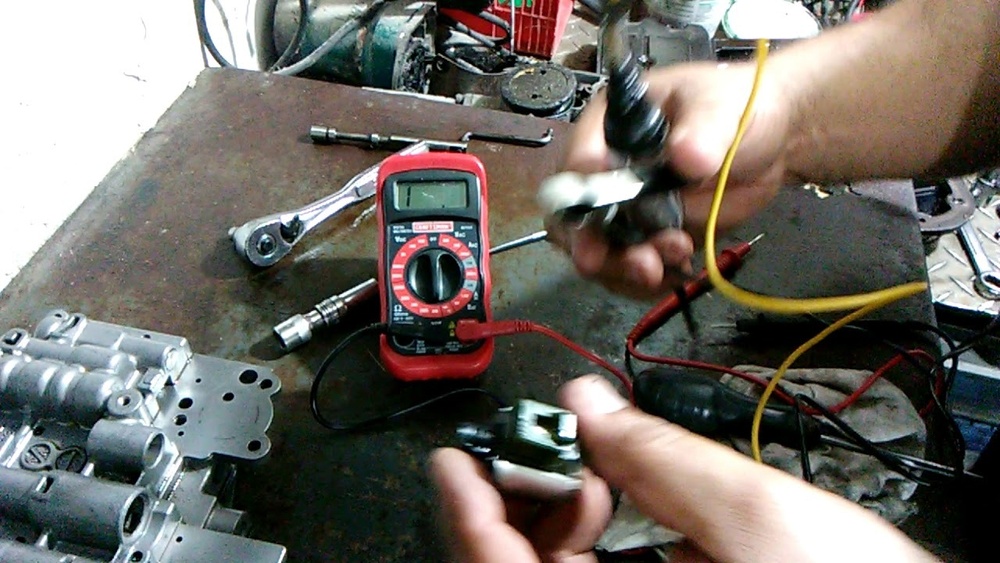
Are you having trouble with your car’s transmission and wondering if the Transmission Control Module (TCM) might be the cause? Testing your TCM with a multimeter is a smart way to find out if it’s working properly—before you spend money on costly repairs.
You’ll learn simple, step-by-step methods to check your TCM using a multimeter, even if you’re not a tech expert. By the end, you’ll feel confident diagnosing your transmission issues and know exactly what to do next. Keep reading, because this could save you time and money!
Credit: www.autonationmobileservice.com
Tools Needed
Testing a Transmission Control Module (TCM) requires the right tools. Using proper equipment ensures accurate results. This section explains the tools needed to check the TCM with a multimeter.
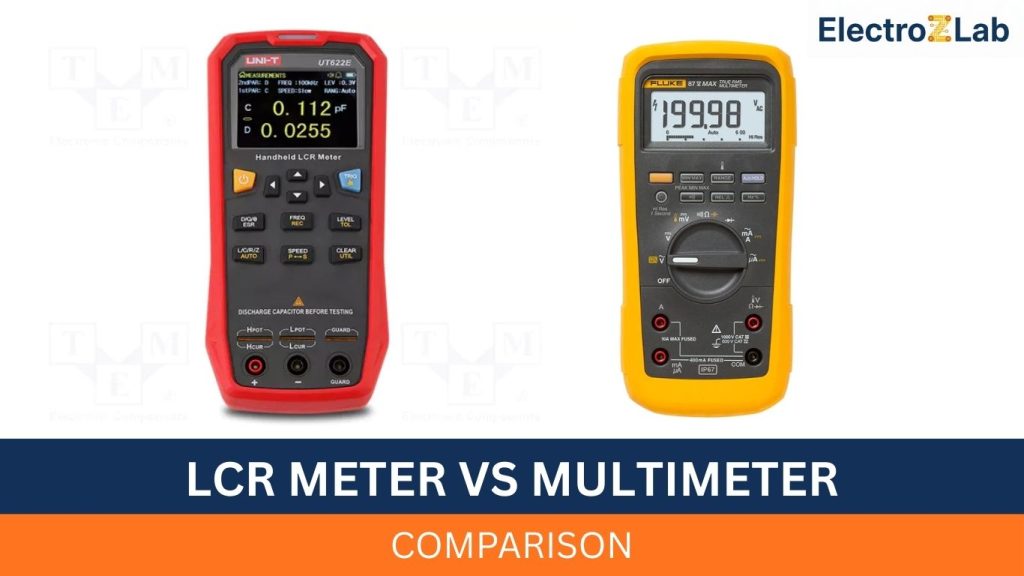
Choosing The Right Multimeter
Select a digital multimeter with clear display. It should measure voltage, resistance, and continuity. Choose one with auto-ranging for ease. A multimeter with a hold function helps record readings. Ensure the probes are in good condition and fit your hands well.
Additional Equipment
Besides the multimeter, you need insulated gloves to protect yourself. A wiring diagram of your vehicle’s transmission system is useful. It helps locate the correct pins and connectors. Use a test light to check power supply quickly. A small flashlight can help see connections in dark areas.

Credit: www.youtube.com
Locating The Transmission Control Module
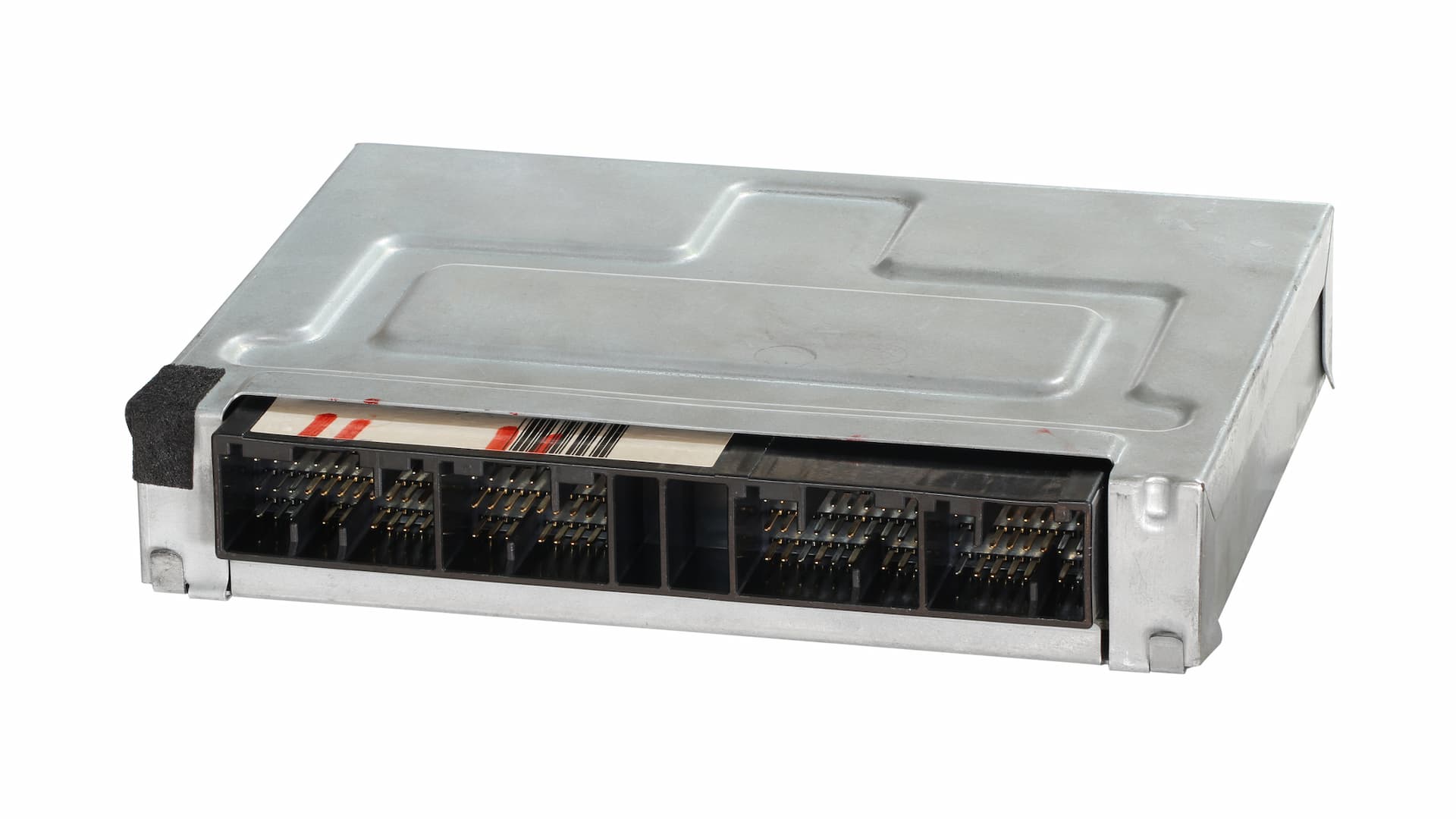
Finding the Transmission Control Module (TCM) is the first step in testing it with a multimeter. The TCM controls the transmission system in a vehicle. It sends and receives signals to manage gear shifts and other functions. Knowing where the TCM is located helps you test it correctly. Car models have different TCM placements. This section explains common locations and safety tips for locating the TCM.
Common Locations
The TCM is often near the transmission itself. Check under the hood close to the engine or transmission. Some vehicles place the TCM inside the passenger compartment. Look under the dashboard or behind the glove box. It may also be mounted near the center console. In trucks, the TCM might be under the seat or inside a side panel. Always consult the vehicle manual for exact TCM placement.
Safety Precautions
Disconnect the car battery before touching the TCM. This prevents electric shock and damage to the module. Wear gloves to protect your hands from sharp parts. Avoid static electricity by grounding yourself before handling the TCM. Work in a well-lit area to see connectors and wires clearly. Never force connectors apart; use gentle pressure. Follow these steps to stay safe and protect your vehicle.
Preparing For The Test
Preparing for the test is the first step to check the Transmission Control Module (TCM). It ensures safety and accuracy during the process. Proper preparation helps avoid damage to the vehicle and the multimeter. Follow clear steps before starting the test.
Disconnecting The Battery
Start by turning off the vehicle. Locate the car battery and disconnect the negative terminal. This step prevents electrical shocks and short circuits. Wait a few minutes to let the system power down fully. This simple action protects you and the TCM during testing.
Accessing The Tcm Connector
Find the TCM location in your vehicle. It is often under the dashboard or near the transmission. Remove any covers or panels blocking access to the TCM connector. Carefully unplug the connector to expose the pins. This access is necessary for accurate multimeter readings.
Testing Procedures
Testing the Transmission Control Module (TCM) with a multimeter requires a clear and careful approach. These testing procedures help find electrical problems that might stop the TCM from working well. Each step focuses on a key part of the TCM’s function. This guide will walk through how to check power, ground, and signal output safely and clearly.
Checking Power Supply
First, ensure the TCM gets the correct power. Set the multimeter to measure voltage. Connect the black lead to a good ground point. Touch the red lead to the TCM power pin. The voltage should match the vehicle’s battery voltage, around 12 volts. No or low voltage signals power problems, like blown fuses or bad wiring.
Testing Ground Connections
Next, test the ground wires. Switch the multimeter to continuity mode. Place one lead on the TCM ground pin. Put the other lead on the vehicle’s chassis ground. A beep or zero resistance shows a good ground connection. High resistance or no beep means a faulty ground. Fix ground issues to avoid TCM errors.
Measuring Signal Output
Finally, check the signal output from the TCM. Set the multimeter to measure voltage or frequency, based on the signal type. Connect the leads to the signal wire and ground. Turn on the vehicle or activate the system. The meter should show changing voltage or pulses. Steady or no signal means the TCM might be faulty or not sending commands.
Interpreting Results
Interpreting the results from your multimeter test on the Transmission Control Module (TCM) is a key step. It helps you understand if the TCM is working correctly or needs repair. Knowing what numbers mean normal or faulty guides your next actions. Here, we explain how to read voltage values and spot problems easily.
Normal Voltage Ranges
The TCM usually works within certain voltage limits. For most vehicles, expect readings between 4.5 and 5 volts on control circuits. Power supply lines should show around 12 volts. Ground connections must read close to 0 volts. These ranges tell you the module receives correct power and signals.
If voltages fall inside these ranges, the TCM is likely functioning well. Slight differences may appear due to vehicle model or battery condition. Always check your car’s manual for exact numbers. Consistency in readings is a good sign.
Identifying Faulty Components
Voltage outside normal ranges often points to a problem. Low voltage might mean a weak battery or bad wiring. High voltage could show a short circuit or damaged sensor. Fluctuating or no voltage signals usually indicate a faulty TCM or connection issues.
Look for zero volts on power lines or no signal on control pins. These signs mean the TCM may not work or is damaged. Compare multiple test points to confirm the fault location. Replacing or repairing the faulty parts fixes the issue.
Common Issues And Fixes
Testing the Transmission Control Module (TCM) with a multimeter often reveals common issues. These problems affect your vehicle’s performance. Identifying and fixing them early saves time and money. Here are some frequent faults and practical fixes.
Loose Connections
Loose connections cause intermittent signals and errors. Check the wiring harness for any loose or disconnected plugs. Gently wiggle the connectors while testing with a multimeter. If readings drop or fluctuate, tighten the connections. Secure pins firmly to restore proper contact.
Corroded Pins
Corrosion on pins disrupts electrical flow. Inspect the TCM connector pins closely for rust or greenish buildup. Clean corroded pins with electrical contact cleaner and a soft brush. Avoid harsh scraping that may damage pins. After cleaning, recheck with a multimeter for consistent continuity.
Software Reset Tips
Sometimes, TCM issues come from software glitches. Resetting the module can clear error codes and reset settings. Disconnect the vehicle battery for about 15 minutes. Reconnect and start the engine to see if the problem persists. Use a scan tool to clear codes if available.

Credit: www.youtube.com
Frequently Asked Questions
What Is A Transmission Control Module (tcm)?
A TCM is an electronic device that controls automatic transmission functions. It ensures smooth gear shifts and optimal performance. Testing it with a multimeter helps diagnose transmission issues accurately.
How Do I Test Tcm Wiring With A Multimeter?
Set your multimeter to continuity mode. Check wires for breaks by probing TCM connectors. A beep indicates good wiring; no beep means a fault.
Can I Test Tcm Voltage Using A Multimeter?
Yes, set the multimeter to DC voltage. Measure voltage at TCM pins with ignition on. Compare readings to manufacturer specs for accuracy.
What Multimeter Settings Are Best For Tcm Testing?
Use continuity mode for wiring tests and DC voltage mode for power checks. Set the range according to expected voltage levels for precise readings.
Conclusion
Testing your Transmission Control Module with a multimeter can save time and money. Follow the steps carefully to get accurate results. Always check connections and voltage readings to find any faults. Understanding these basic tests helps you spot issues early.
Keep safety in mind while working with electrical parts. Regular checks keep your vehicle running smoothly. Practice makes the process easier and more reliable. Stay patient and take your time during each test. This simple skill helps maintain your car’s transmission health.

I’m Asif Ur Rahman Adib, an Electrical Engineer and lecturer. My journey began in the lab, watching students struggle with instruments they used every day without fully understanding them. Over time, I’ve combined teaching, research, and hands-on experience to help others grasp electrical concepts clearly, safely, and practically—whether it’s understanding a circuit or mastering a multimeter.