Choosing the right tools can make all the difference in your work. When it comes to hand tools and power tools, Klein and Milwaukee are two big names you’ve probably heard.
But which one is truly the best fit for your needs? You’ll get a clear comparison of Klein vs Milwaukee, helping you make a smart choice. By the end, you’ll know exactly which brand matches your style, budget, and job demands.
Keep reading—you don’t want to miss this!
Brand Histories
Understanding the histories of Klein and Milwaukee helps explain their strengths. Each brand has a unique background that shapes its tools and reputation. This section explores how both brands started and grew over time.
Knowing their past gives insight into why many choose one brand over the other.
Klein’s Legacy
Klein Tools was founded in 1857 by Mathias Klein. It started as a small tool company in Chicago. The brand focused on hand tools for electricians and tradespeople. Over many years, Klein built a strong reputation for quality and durability.
The company stayed family-owned for decades. It always aimed to meet the needs of professional users. Klein tools often feature simple, reliable designs that last a long time. This legacy makes Klein a trusted name in the industry.
Milwaukee’s Evolution
Milwaukee Tool began in 1924. It quickly earned respect for its power tools. The brand grew by innovating and improving tool technology. Milwaukee focused on providing powerful, efficient solutions for workers.
Over time, Milwaukee expanded its product line to include cordless and battery-powered tools. The company is known for combining toughness with modern technology. Milwaukee’s evolution reflects a commitment to helping professionals work faster and easier.
Tool Range Comparison
Comparing Klein and Milwaukee tool ranges helps you pick the right brand. Both brands offer many tools, but they focus on different needs. Knowing their strengths can guide your choice for projects or jobs.
This section breaks down their tool ranges into hand tools, power tools, and specialty tools. Each category shows how Klein and Milwaukee stand out.
Hand Tools
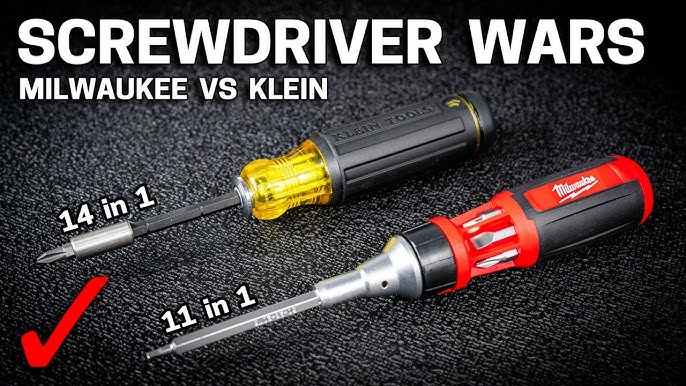
Klein is famous for its hand tools. They make pliers, screwdrivers, and wire cutters. Their tools are strong and last long. Many electricians trust Klein hand tools for daily use.
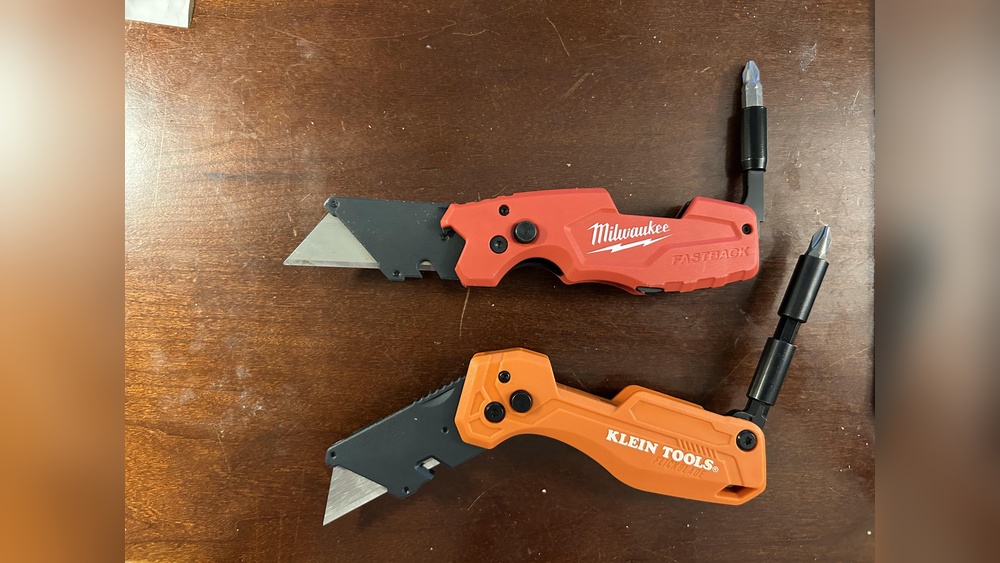
Milwaukee also offers hand tools but not as many. Their hand tools focus on durability and comfort. They include tape measures, wrenches, and utility knives. Milwaukee’s hand tools blend well with their power tools.
Power Tools
Milwaukee shines in power tools. They have drills, saws, grinders, and more. Their tools use advanced battery technology. This gives longer run time and faster charging. Many professionals prefer Milwaukee for tough jobs.
Klein’s power tool range is smaller. They mainly focus on hand tools and specialty tools. Klein power tools are basic and suit light tasks. They are less common on big job sites.
Specialty Tools
Klein offers many specialty tools for electricians. These include wire strippers, testers, and fish tapes. Klein tools meet high standards for electrical work safety.
Milwaukee also has specialty tools, but they focus more on plumbing and construction. They offer pipe cutters, inspection cameras, and lighting. Milwaukee’s specialty tools help professionals in varied trades.
Build Quality And Durability
Build quality and durability are key factors for any tool. Both Klein and Milwaukee focus on making strong, reliable products. These brands design tools to last through tough jobs. Understanding their build helps you choose the right one.
Materials Used
Klein tools often use heavy-duty steel and reinforced plastics. This mix offers strength and some flexibility. Milwaukee uses high-grade steel and durable polymers. Their tools feel solid and can handle rough handling. Both brands avoid cheap parts that break easily. Each material choice aims to extend tool life.
Longevity In Tough Conditions
Klein tools perform well under pressure. They resist wear and tear over time. Their products handle drops and bumps without damage. Milwaukee tools also last long on job sites. They endure moisture, dust, and heavy use. Both brands design for daily, hard use. Expect these tools to work for years.
Credit: www.youtube.com
Performance And Efficiency
Performance and efficiency are key factors in choosing the right tool. Both Klein and Milwaukee offer strong features, but they differ in some important ways. Understanding their power, battery life, and control helps users pick the best fit for their needs.
Power Output
Klein tools provide steady power for most tasks. They handle common jobs with ease and maintain consistent speed. Milwaukee tools often deliver higher power levels. This makes them suitable for tougher jobs and heavy-duty use. Both brands use quality motors designed for durability.
Battery Life And Charging
Klein batteries last long enough for regular projects. Charging times are reasonable and keep downtime low. Milwaukee offers batteries with extended runtime. Their rapid charging feature gets you back to work faster. Both brands use lithium-ion technology for reliable performance.
Precision And Control
Klein tools focus on user comfort and balance. They offer good grip and easy handling for detailed work. Milwaukee tools provide advanced control options. Variable speed settings help manage delicate or rough tasks. Both brands aim to reduce user fatigue during long use.
Ergonomics And Design
Ergonomics and design play a key role in tool performance and user satisfaction. Both Klein and Milwaukee prioritize these aspects. They aim to create tools that feel good in hand and reduce fatigue during work. This section compares their comfort, grip, weight, and balance.
Comfort And Grip
Klein tools often feature soft, textured grips. These grips help reduce slipping and improve control. The shape fits well in most hands, supporting long use without discomfort. Milwaukee also uses rubberized grips. Their tools offer a firm hold and prevent hand strain. Both brands focus on secure handling but vary in grip style and material.
Weight And Balance
Klein tools tend to be lighter, aiding in ease of use. The balance centers near the hand, which lowers wrist strain. Milwaukee tools are slightly heavier but feel solid and durable. Their weight distribution helps maintain control during tough tasks. The choice between them depends on personal preference for weight and tool feel.

Credit: www.reddit.com
Innovative Features
Innovative features set Klein and Milwaukee apart in the tool market. Both brands add unique elements to improve user experience and efficiency. These features show how each brand adapts to modern needs.
Understanding these innovations helps users choose the right tools for their tasks. Klein focuses on smart tech and safety, while Milwaukee offers advanced functions and protection.
Tech Integration
Klein integrates digital displays on some tools. These screens show battery life and tool status. It helps users plan their work better. Milwaukee uses Bluetooth connectivity in many products. This allows remote control through a smartphone app. Users can track tool location and receive alerts. Both brands use technology to improve tool management.
Safety Enhancements
Klein adds insulated handles to protect against electric shock. Their tools meet strict safety standards for electricians. Milwaukee designs tools with better grip and balance. This reduces user fatigue and slips. Some Milwaukee models include automatic shut-off features. These stop the tool if it senses danger. Safety is a key focus for both brands.
Pricing And Value
Pricing and value are key factors when choosing between Klein and Milwaukee tools. Both brands offer quality products, but their prices vary. Understanding these differences helps buyers decide which tool fits their budget and needs best.
Cost Comparison
Klein tools tend to be priced moderately. They offer good quality at a fair price. Milwaukee tools often come with a higher price tag. This reflects their advanced features and durability. Buyers get more options with Milwaukee but pay more. Klein suits those who want solid tools without extra cost.
Warranty And Support
Klein provides a solid warranty that covers defects and repairs. Their customer service is easy to reach and helpful. Milwaukee offers a longer warranty period on many products. Their support includes quick repairs and replacements. Both brands stand behind their tools, giving buyers peace of mind.

Credit: www.youtube.com
User Feedback And Reviews
User feedback plays a key role in understanding how Klein and Milwaukee tools perform in real life. Reviews from actual users reveal strengths and weaknesses that specs alone cannot show.
Hearing from professionals and everyday users helps potential buyers make smart choices. Opinions vary based on tasks, expectations, and personal preferences.
Pro User Opinions
Many pros appreciate Klein for its durability and comfort. They say Klein tools last long under heavy use. The grips feel good and reduce hand fatigue.
Milwaukee earns praise for its power and technology. Experts like the battery life and quick charging. The tools handle tough jobs with ease.
Users note Milwaukee’s design is modern and user-friendly. Klein gets credit for traditional build quality and reliability.
Common Complaints
Some users find Klein tools heavier than expected. A few mention the price is high for certain models. Battery life on some Klein cordless tools is less than ideal.
Milwaukee users sometimes report issues with tool overheating. Others feel the tools can be bulky for tight spaces. Replacement parts for Milwaukee can be costly.
Both brands have occasional reports of early wear on some parts. Customer service experiences vary widely among users.
Best Use Cases
Choosing the right tool depends on the job you need to do. Both Klein and Milwaukee have strong points that suit different tasks. Knowing where each brand shines helps you pick the best fit. This section breaks down the ideal jobs for Klein and Milwaukee tools.
Ideal Jobs For Klein
Klein tools are perfect for electricians. They offer great precision and durability. Tasks like wiring, cutting, and stripping wires fit Klein’s strengths. Their hand tools feel comfortable for long use. Klein is also good for detailed, small-scale electrical work. They help professionals work safely and efficiently.
Maintenance and repair jobs also suit Klein tools. Their pliers, screwdrivers, and testers handle daily wear well. Klein tools provide reliable performance without extra bulk. This makes them easy to carry on job sites.
Ideal Jobs For Milwaukee
Milwaukee tools work best for heavy-duty construction and industrial tasks. Their power tools deliver strong force and speed. Jobs like drilling, fastening, and cutting tough materials match Milwaukee’s power. Milwaukee tools handle long hours on rough sites without breaking down.
Milwaukee also excels in jobs needing cordless tools. Their batteries last long and recharge quickly. This helps workers stay productive without frequent stops. For large projects requiring power and endurance, Milwaukee stands out.
Frequently Asked Questions
What Are The Main Differences Between Klein And Milwaukee Tools?
Klein tools focus on hand tools with durable build quality. Milwaukee specializes in power tools and innovative battery tech. Klein is preferred for electrical work, while Milwaukee suits heavy-duty construction tasks. Both brands offer reliability but cater to distinct user needs.
Which Brand Offers Better Durability, Klein Or Milwaukee?
Klein tools are known for their rugged hand tools that last long. Milwaukee provides durable power tools designed for tough job sites. Durability depends on tool type and usage. Both brands maintain high standards for professional-grade products.
Are Klein Tools More Affordable Than Milwaukee Tools?
Generally, Klein hand tools are moderately priced and affordable. Milwaukee power tools tend to be pricier due to advanced features and batteries. Pricing varies by specific tool models and features. Budget and project needs influence the best choice.
Which Brand Has A Wider Product Range, Klein Or Milwaukee?
Milwaukee offers a broader product range, including power tools and accessories. Klein focuses mainly on hand tools and electrical equipment. Milwaukee’s extensive lineup suits diverse trades. Klein’s specialized tools appeal to electricians and technicians.
Conclusion
Choosing between Klein and Milwaukee depends on your specific needs. Both brands offer strong tools with unique features. Klein tools focus on durability and comfort. Milwaukee tools often provide power and advanced technology. Think about the tasks you do most often.
Consider your budget and how often you use the tools. Both brands have loyal users who trust their quality. Weigh the pros and cons carefully before deciding. Your best choice fits your work style and preferences. Simple and smart choices lead to better results.

I’m Asif Ur Rahman Adib, an Electrical Engineer and lecturer. My journey began in the lab, watching students struggle with instruments they used every day without fully understanding them. Over time, I’ve combined teaching, research, and hands-on experience to help others grasp electrical concepts clearly, safely, and practically—whether it’s understanding a circuit or mastering a multimeter.