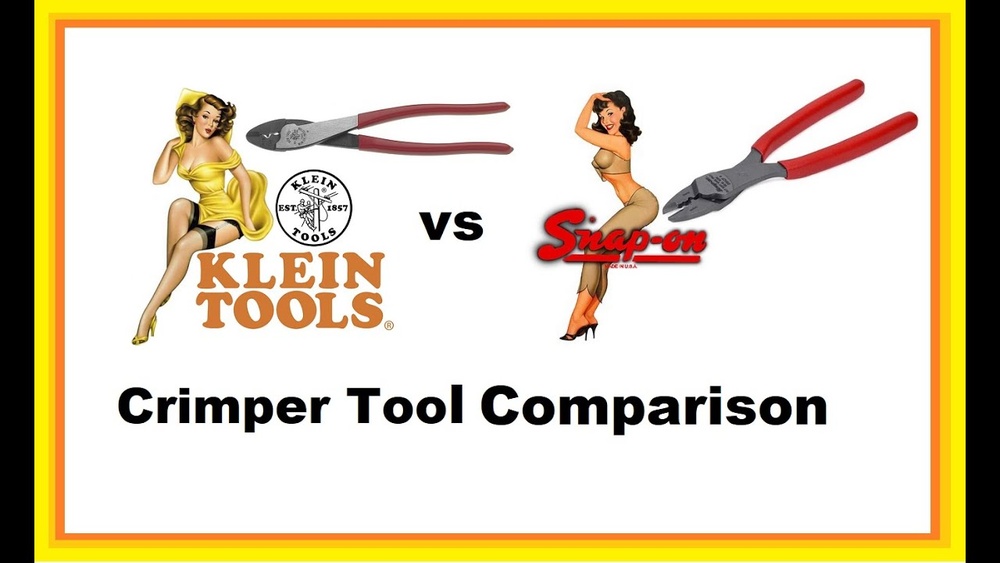
When it comes to choosing the right tools, you want to make sure you get the best value for your money. You’ve probably heard of Klein and Snap-on—two big names in the tool industry.
But which one truly fits your needs? Whether you’re a professional or a DIY enthusiast, understanding the key differences between Klein and Snap-on can save you time, frustration, and money. Keep reading to discover which brand offers the durability, performance, and reliability that match your work style perfectly.
Your next tool purchase could be your smartest yet.

Credit: www.reddit.com
Brand Histories
Understanding the histories of Klein and Snap-on helps us see their strengths. Both brands have long traditions in making tools. Their stories show why many trust their products. Below, we explore each brand’s background and how they grew.
Klein Tools Legacy
Klein Tools started in 1857. It began as a small company in the United States. The founder, Mathias Klein, focused on making pliers. Over time, Klein grew famous for durable hand tools. Electricians especially value Klein for safety and quality. The brand keeps its promise to serve tradespeople well.
Snap-on Origins
Snap-on was founded in 1920. The company started with a focus on automotive tools. It quickly earned respect for strong, reliable products. Snap-on tools often come with a lifetime warranty. The brand invests in innovation and precision. Mechanics worldwide rely on Snap-on for tough jobs.
Tool Range Comparison
Comparing Klein and Snap-on tools shows clear differences in their product ranges. Both brands serve professionals but focus on different needs and preferences. Understanding their tool selections helps buyers choose the right fit.
Each brand offers a variety of tools. Some tools overlap, while others are unique. This section breaks down their hand tools, power tools, and specialty tools.
Hand Tools Selection
Klein offers a broad range of hand tools. Their pliers, screwdrivers, and wire strippers are well-known for durability. Snap-on also provides high-quality hand tools with a focus on precision and comfort. Snap-on’s ratchets and wrenches are especially popular.
Klein tools are often favored by electricians. Snap-on tools suit mechanics and automotive experts. Both brands ensure strong grip and long-lasting materials.
Power Tools Offerings
Snap-on shines in power tools. They offer drills, impact wrenches, and cordless tools with advanced features. Klein’s power tool options are limited compared to Snap-on. Klein mainly focuses on hand tools and electrical tools.
Snap-on tools are designed for heavy use. Battery life and tool power stand out. Klein power tools are more basic but reliable for light jobs.
Specialty Tools
Klein provides many specialty tools for electrical work. Cable testers, wire crimpers, and voltage detectors are common in their lineup. Snap-on’s specialty tools target automotive diagnostics and repair.
Snap-on offers scan tools and measurement devices. Both brands supply tools made for specific trades. Choosing depends on the user’s main tasks and industry.
Build Quality And Durability
Build quality and durability are key factors for any tool. These aspects affect how well the tool performs and how long it lasts. Klein and Snap-on are two popular brands known for strong tools. Comparing their build quality and durability helps users choose the best option for their needs.
Both brands invest in materials and design to ensure their tools withstand tough use. The differences lie in the details of material choice and how the tools hold up in daily work. Understanding these points clarifies which brand offers better value over time.
Materials Used
Klein tools often use high-carbon steel. This metal is strong and resists wear. Snap-on tools typically feature chrome vanadium steel. This alloy offers excellent strength and rust resistance. Both brands use heat treatment to improve hardness.
Klein tends to focus on lightweight materials for ease of use. Snap-on favors heavier metals for extra toughness. Grip materials also differ. Klein uses rubberized grips for comfort. Snap-on grips often combine rubber with textured plastic for better hold.
Longevity In The Field
Klein tools last long under regular use. Many electricians prefer Klein for daily tasks. Snap-on tools are known for lasting even in harsh environments. Mechanics often choose Snap-on for heavy-duty work.
Klein tools resist chipping and bending well. Snap-on tools show less wear over years of use. Both brands offer warranties, reflecting confidence in durability. Regular maintenance extends the life of any tool.
Performance And Precision
Performance and precision are key factors when choosing between Klein and Snap-On tools. Both brands promise high quality, but how do they compare in real use? This section examines their accuracy and how comfortable they feel during work.
Accuracy In Use
Klein tools offer solid accuracy for most tasks. Their measurements and cuts stay reliable under regular use. Snap-On tools often provide tighter tolerances, which means better precision in detailed jobs. Both brands focus on minimizing errors but Snap-On has an edge in fine adjustments. Accuracy matters a lot for professionals who need exact results every time.
Ergonomics And Comfort
Klein tools are designed with user comfort in mind. Their handles fit well in hands and reduce fatigue during long jobs. Snap-On also prioritizes ergonomics, offering balanced weight and soft grips. Comfort affects how long you can work without strain. Both brands deliver good comfort, but Snap-On may feel smoother for extended use.
Pricing And Value
Pricing and value are key factors when choosing between Klein and Snap-on tools. Both brands offer quality products, but their prices and benefits differ. Understanding these differences helps buyers make smart choices based on budget and needs.
Cost Analysis
Klein tools tend to have lower prices compared to Snap-on. This makes Klein a popular choice for hobbyists and small businesses. Snap-on tools usually cost more, targeting professionals who need high durability and precision. The higher price often reflects advanced features and long-term reliability.
Buying Klein tools saves money upfront. Snap-on tools, while expensive, may last longer and perform better in tough jobs. Choosing depends on how much you want to spend and how often you use the tools.
Warranty And Support
Both brands offer warranties, but Snap-on’s is often longer and covers more issues. Snap-on provides strong customer support, including repair and replacement services. Klein also offers warranties but with shorter coverage periods.
Good warranty and support add value to any tool purchase. Snap-on’s service may justify its higher price for professionals. Klein’s warranty suits users with lighter tool demands.
User Feedback And Reviews
User feedback and reviews offer real insights into the performance of Klein and Snap-on tools. They reveal practical details that specs alone cannot show. This section presents honest opinions from two key user groups: electricians and mechanics. Their experiences help paint a clearer picture of each brand’s strengths and weaknesses.
Professional Electricians’ Opinions
Electricians praise Klein for its precision and comfort. The tools often fit well in small hands and tight spaces. Users say the insulated handles provide good safety during electrical work. Many find Klein tools reliable for daily use on job sites.
Some electricians note Snap-on tools feel heavier but very sturdy. They mention Snap-on’s grip design reduces hand fatigue over long hours. Snap-on’s warranty and customer service receive positive remarks too. Still, the price is higher, which some find hard to justify.
Mechanics’ Experiences
Mechanics appreciate Snap-on for its durability and power. They report the tools hold up well under tough conditions. Snap-on’s ratchets and sockets get high marks for smooth operation. Some mechanics say Snap-on tools last longer than other brands.
Klein tools also get respect for quality but less for heavy-duty use. Mechanics find Klein tools lighter, which helps with speed and precision. However, some users feel Klein tools wear out faster with constant heavy use. Both brands have loyal followers in the mechanic community.
Tool Availability And Accessibility
Tool availability and accessibility are key when choosing between Klein and Snap-on. Both brands offer quality tools, but their reach and ease of purchase differ. Understanding these differences helps buyers decide which brand fits their needs.
Retail And Online Presence
Klein tools are widely found in many retail stores. Home improvement shops and hardware stores often stock Klein. This makes it easy to buy tools in person. Snap-on tools are mostly sold through dedicated dealers. These dealers provide personalized service and support. Online, both brands have official websites with product details. Klein tools appear on many online retail platforms. Snap-on also has an online presence but focuses on dealer networks. Buying Snap-on tools often involves contacting a dealer directly.
Global Reach
Klein tools have a broad global presence. They are available in many countries through retail stores and distributors. Snap-on tools also reach many markets worldwide. Snap-on relies on a network of dealers and franchises for global sales. This network ensures specialized service but may limit quick access. Klein’s distribution model allows easier access in multiple regions. Snap-on’s approach suits professionals who value dealer support and tool servicing.

Credit: www.ebay.com
Best Use Cases
Choosing the right tool brand depends on the task and work style. Both Klein and Snap-on offer strong tools, but their best use cases differ. Understanding these helps you pick the right fit for your needs.
Here, we explore when each brand works best. This way, you get tools that match your job and budget.
When To Choose Klein
Klein tools suit electricians and general handymen well. They excel in wire work and cutting tasks. Their tools are lightweight and easy to handle for long jobs. Klein offers good quality at a lower price. Great for everyday tasks and smaller projects. Perfect for those needing reliable tools without high cost. Klein tools focus on comfort and safety features too.
When To Choose Snap-on
Snap-on tools fit professional mechanics and technicians best. They provide high durability and precision. Their tools handle heavy-duty use and tough repairs. Snap-on offers advanced tool designs and long warranties. Ideal for users who need tools daily and want long life. These tools are often found in automotive and industrial settings. Snap-on is a solid choice for serious tradespeople.

Credit: www.youtube.com
Frequently Asked Questions
What Are The Main Differences Between Klein And Snap-on Tools?
Klein tools focus on electricians with insulated hand tools. Snap-on offers a broader range, including automotive and industrial tools. Klein is known for durability in wiring tasks, while Snap-on emphasizes high precision and premium quality.
Which Brand Offers Better Value For Money, Klein Or Snap-on?
Klein tools are generally more affordable and ideal for electricians. Snap-on tools are pricier but offer superior quality and lifetime warranties. Value depends on your profession and tool usage frequency.
Are Klein Tools Or Snap-on Tools More Durable?
Both brands provide durable tools, but Snap-on tools often feature higher-grade materials. Klein tools excel in electrical safety and insulation. Durability varies by tool type and intended use.
Can Klein And Snap-on Tools Be Used Interchangeably?
Yes, many tools from both brands can be used interchangeably. However, specialized tools from each brand serve specific tasks better. Choose based on your job requirements and tool compatibility.
Conclusion
Choosing between Klein and Snap-on depends on your tool needs and budget. Klein tools offer durability and good value for everyday use. Snap-on tools provide high precision and professional-grade quality. Both brands have strong reputations and loyal users. Think about how often and for what tasks you will use the tools.
This helps pick the best fit for your work. Quality and reliability matter most in any tool choice. Decide what features matter to you before buying. This way, you get tools that last and perform well.

I’m Asif Ur Rahman Adib, an Electrical Engineer and lecturer. My journey began in the lab, watching students struggle with instruments they used every day without fully understanding them. Over time, I’ve combined teaching, research, and hands-on experience to help others grasp electrical concepts clearly, safely, and practically—whether it’s understanding a circuit or mastering a multimeter.