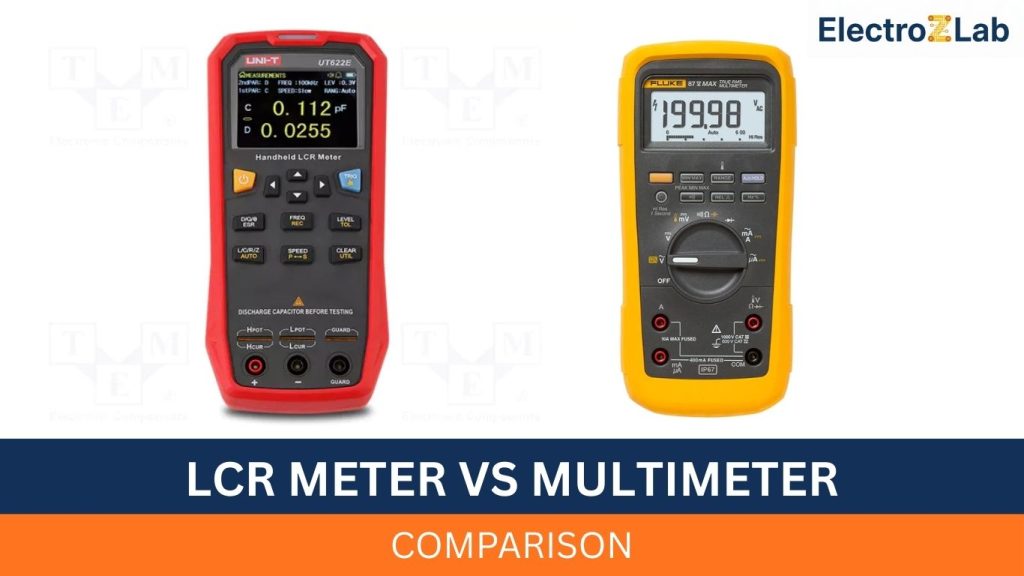
Are you confused about whether to use a multimeter or an ammeter for your electrical projects? Choosing the right tool can make a big difference in how easily and accurately you measure electrical values.
Understanding the key differences between a multimeter and an ammeter will save you time, prevent mistakes, and help you get the job done right. You’ll discover exactly what sets these two devices apart, when to use each one, and how they can make your work smoother and more efficient.
Keep reading, and you’ll never have to second-guess your choice again!
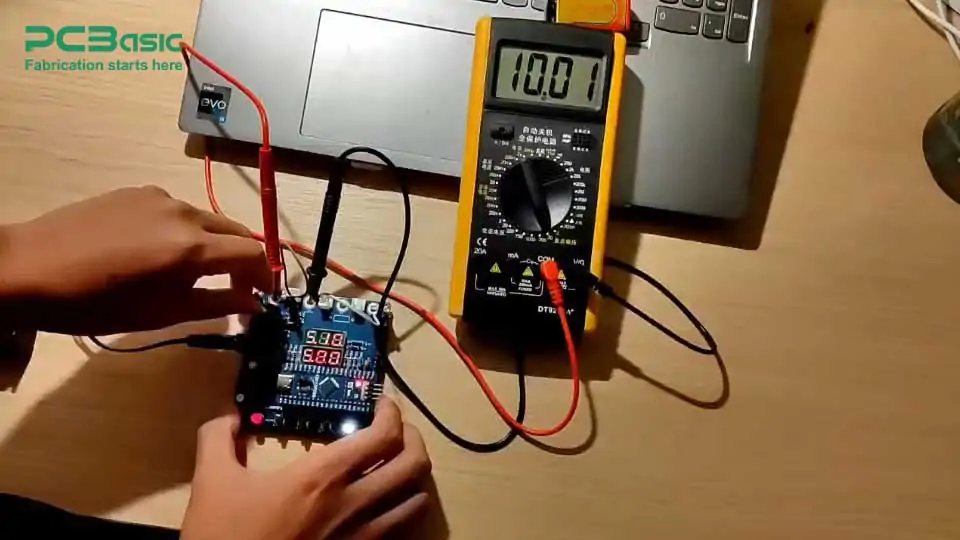
Credit: www.pcbasic.com
Multimeter Basics
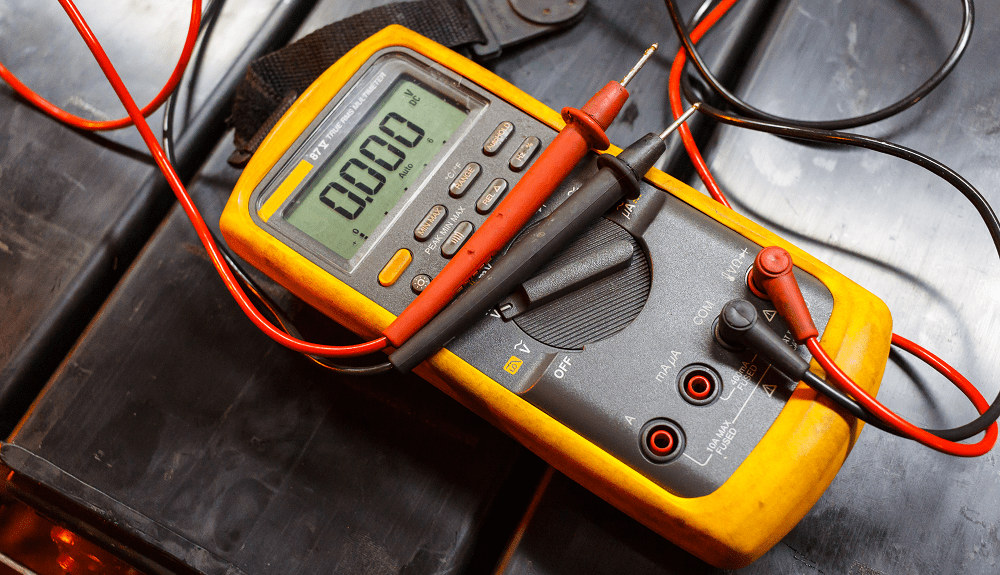
A multimeter is a handy tool for anyone working with electricity. It measures different electrical values in a simple device. Knowing the basics helps you use it safely and correctly. Multimeters combine several functions in one tool.
They are essential for troubleshooting and testing electrical circuits. Understanding how a multimeter works makes your work easier and more accurate.
Core Functions
A multimeter measures voltage, current, and resistance. Voltage shows the electric force in a circuit. Current tells how much electricity flows through. Resistance measures how much a material stops the flow. Some multimeters also test continuity and check diodes.
Types Of Multimeters
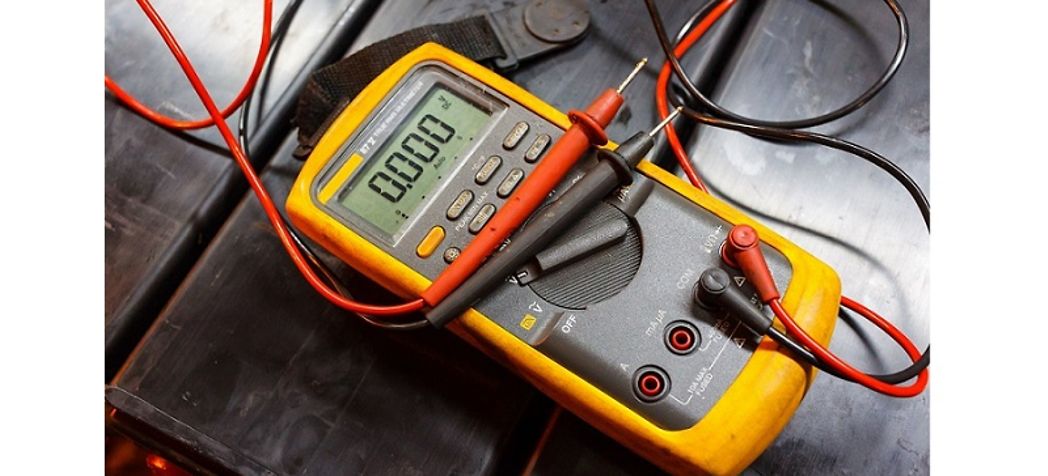
There are two main types: analog and digital. Analog multimeters have a needle that moves on a scale. Digital multimeters show numbers on a screen. Digital ones are easier to read and more common today. Some models are handheld, while others are bench units.
Common Uses
Multimeters check batteries, wires, and electronic devices. They help find shorts or broken wires in circuits. Electricians use them to measure voltage in outlets. Hobbyists test their projects and fix gadgets. They also measure current, but only up to certain limits.
Credit: www.partstown.com
Ammeter Essentials
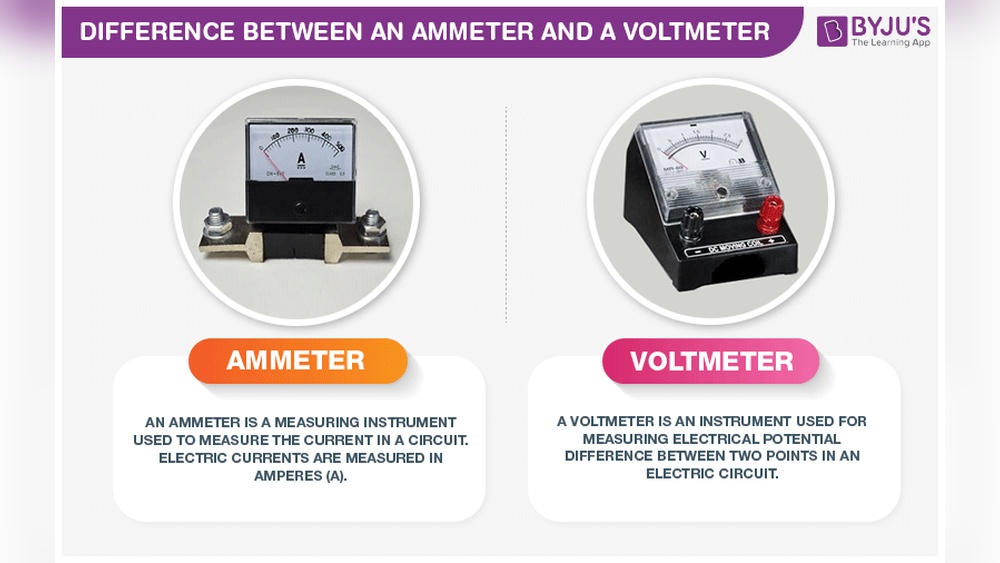
An ammeter is a tool that measures electric current. It helps check how much current flows through a circuit. Understanding ammeters is key for anyone working with electricity. They come in different types and serve various uses.
Primary Purpose
The main job of an ammeter is to measure current in amperes. It connects in series with the circuit. This way, it reads the exact current passing through. Accurate current measurement prevents circuit damage and ensures safety.
Types Of Ammeters
There are two common types of ammeters. Analog ammeters use a needle and dial to show current. Digital ammeters display current in numbers on a screen. Each type suits different needs and preferences.
Typical Applications
Ammeters are used in many fields. Electricians use them to test wiring and devices. Engineers rely on ammeters for designing circuits. Hobbyists also use them for DIY electronics projects. They help find faults and ensure devices work well.
Measurement Capabilities
Understanding the measurement capabilities of multimeters and ammeters helps choose the right tool. Each device measures different electrical properties. Knowing these differences is key for electrical tasks.
Voltage Measurement
A multimeter measures voltage in both AC and DC circuits. It shows how much electrical force pushes current through a wire. An ammeter does not measure voltage. It focuses only on current flow.
Current Measurement
An ammeter measures the flow of electric current in a circuit. It shows how much current moves through a wire. Multimeters also measure current but usually with less precision. They can switch between current, voltage, and resistance modes.
Resistance Measurement
Resistance tells how much a material resists electric current. Multimeters measure resistance easily. This helps test if wires or devices are working correctly. Ammeters cannot measure resistance at all. They only measure current.
Design And Components
The design and components of a multimeter and an ammeter define how each tool works. Both measure electrical properties but have different parts and layouts. Understanding these differences helps in choosing the right tool for the job.
Display And Interface
A multimeter usually has a digital screen showing various readings. It can display voltage, current, and resistance. The interface includes buttons or a dial to switch between functions.
An ammeter often has a simpler display. It mainly shows current readings. Some ammeters use analog needles, while others have basic digital screens.
Internal Mechanisms
Inside a multimeter, several circuits allow it to measure different values. It uses a microprocessor to process data and show accurate results.
An ammeter has a simpler internal setup. It measures current by detecting the flow of electrons through a coil or shunt resistor. This design focuses on current measurement only.
Portability And Size
Multimeters tend to be compact but slightly larger than ammeters. They include many parts, so size increases a bit.
Ammeters are usually smaller and lighter. This makes them easy to carry and use in tight spaces.
Accuracy And Precision
Accuracy and precision are key when measuring electrical values. Both multimeters and ammeters aim to provide reliable readings. Yet, their design and use affect how accurate and precise those readings are. Understanding these differences helps in choosing the right tool for a task.
Measurement Accuracy
Accuracy shows how close a reading is to the true value. Multimeters measure voltage, current, and resistance with varying accuracy. Ammeters focus only on current but often with higher accuracy in that range. A good multimeter balances accuracy across multiple functions. Ammeters tend to be more precise for current alone.
Calibration Needs
Calibration keeps tools measuring correctly. Multimeters need regular calibration to maintain accuracy. Ammeters also require calibration, especially for sensitive measurements. Without calibration, readings can drift and become unreliable. Regular checks ensure both tools work as expected.
Error Factors
Several factors cause errors in readings. Poor connections can affect both multimeters and ammeters. External electrical noise may distort results. User handling also matters; wrong settings lead to mistakes. Temperature changes impact the sensors inside the devices. Knowing these errors helps reduce mistakes in measurements.
Credit: www.techtownforum.com
Safety Considerations
Safety is very important when using a multimeter or ammeter. Both tools measure electricity but can be dangerous if used wrong. Understanding safety rules helps prevent shocks and damage.
Handling High Currents
High currents can cause burns or sparks. Always check the tool’s current rating before measuring. Use a meter designed for the current level. Never measure current above the device’s limit.
Keep your hands dry and use insulated gloves if needed. Avoid touching metal parts during measurement. Stay clear of live circuits to reduce risk.
Protective Features
Many meters have built-in safety features. Fuses protect against overload by breaking the circuit. Overvoltage protection stops damage from spikes.
Look for meters with clear markings and sturdy cases. Rubber covers or guards add extra protection. These features help keep users safe during tests.
User Precautions
Always read the user manual before use. Double-check connections before turning on the meter. Use the right setting for voltage, current, or resistance.
Never switch the meter range while connected to a circuit. Remove test leads when changing settings. Store the meter safely after use to avoid damage.
Choosing The Right Tool
Choosing the right tool for electrical measurements is important. It helps you work safely and get accurate results. Both multimeters and ammeters serve different purposes. Knowing which one fits your needs saves time and effort.
Consider the type of task before picking a device. The right choice depends on what you want to measure and how often.
Based On Application
Use a multimeter for various electrical tests. It measures voltage, current, and resistance. An ammeter only measures current. Choose a multimeter for general use. Pick an ammeter for precise current measurements in circuits.
Budget And Cost Factors
Multimeters usually cost more than ammeters. They offer more features and functions. If you need just current readings, an ammeter is cheaper. For multiple uses, invest in a multimeter. Think about how much you will use the tool.
Skill Level Required
Multimeters need basic knowledge to operate safely. Ammeters are simpler but require care to connect correctly. Beginners may find ammeters easier. Learning to use a multimeter improves your skills over time. Always follow safety rules with both tools.
Practical Examples
Understanding how to use a multimeter and an ammeter in real-life circuits helps build practical skills. Each tool serves different purposes but both are essential for electrical work. Practical examples show their roles clearly. These examples help beginners see how these devices fit into everyday tasks.
Using A Multimeter In Circuits
A multimeter measures voltage, current, and resistance in one device. It helps check if a circuit has power. You can test batteries to see if they still work. It also finds broken wires by measuring resistance. This tool is very flexible and used in many tasks.
Using An Ammeter In Circuits
An ammeter measures the current flowing through a circuit. It must connect in series with the circuit part you want to test. This device shows how much current passes through a wire or component. It helps ensure the circuit works safely and correctly. Using an ammeter requires care to avoid damaging the tool or circuit.
Troubleshooting Scenarios
Multimeters find shorts and open circuits by checking voltage and resistance. They detect if a component is faulty or missing power. Ammeters show if too much current flows, which can cause damage. Both tools help pinpoint problems quickly. Using them saves time and prevents guesswork in repairs.
Frequently Asked Questions
What Is The Main Difference Between Multimeter And Ammeter?
A multimeter measures voltage, current, and resistance, while an ammeter only measures current. Multimeters offer versatile functions, making them ideal for various electrical tests. Ammeters are specialized tools for current measurement in circuits.
Can A Multimeter Replace An Ammeter For Current Measurement?
Yes, a multimeter can measure current like an ammeter. However, ammeters provide more precise current readings. Multimeters are more versatile but may not be as accurate as dedicated ammeters in high-current scenarios.
How Do Multimeters And Ammeters Connect In A Circuit?
Multimeters connect in series for current measurement, like ammeters. For voltage and resistance, multimeters connect in parallel. Ammeters always connect in series to measure current flow accurately without affecting the circuit.
Which Device Is Better For Beginners, Multimeter Or Ammeter?
Multimeters are better for beginners due to their multifunctionality. They allow users to measure voltage, current, and resistance with one tool. Ammeters are specialized and require more knowledge to use correctly.
Conclusion
Both multimeters and ammeters measure electrical current, but they work differently. Multimeters are more versatile, measuring voltage, resistance, and current. Ammeters focus only on current measurement. Choose a multimeter for multiple tasks and an ammeter for precise current checks. Understanding their differences helps pick the right tool for your needs.
Simple tools, clear results. Easy to use, even for beginners. Keep your electrical work safe and accurate with the right meter.

I’m Asif Ur Rahman Adib, an Electrical Engineer and lecturer. My journey began in the lab, watching students struggle with instruments they used every day without fully understanding them. Over time, I’ve combined teaching, research, and hands-on experience to help others grasp electrical concepts clearly, safely, and practically—whether it’s understanding a circuit or mastering a multimeter.